Franz-Josef Brüggemeier – författare
Visar alla böcker från författaren Franz-Josef Brüggemeier. Handla med fri frakt och snabb leverans.
7 produkter
Age of Coal
A History of Europe, 1750 to the Present
E-bok, 2024
420 kr
Lägg i varukorg
In Europe, coal was by far the most important source of energy from the beginning of industrialisation until well after the Second World War. It was indispensable in shaping the modern world, and in altering our understanding of time and space. Used foundationally in organic chemistry, coal helped …
Age of Coal
A History of Europe, 1750 to the Present
E-bok, 2024
403 kr
Lägg i varukorg
In Europe, coal was by far the most important source of energy from the beginning of industrialisation until well after the Second World War. It was indispensable in shaping the modern world, and in altering our understanding of time and space. Used foundationally in organic chemistry, coal helped …
The Age of Coal
A History of Europe, 1750 to the Present
Inbunden, 2024
545 kr
Lägg i varukorg
In Europe, coal was by far the most important source of energy from the beginning of industrialisation until well after the Second World War. It was indispensable in shaping the modern world, and in altering our understanding of time and space. Used foundationally in organic chemistry, coal helped …
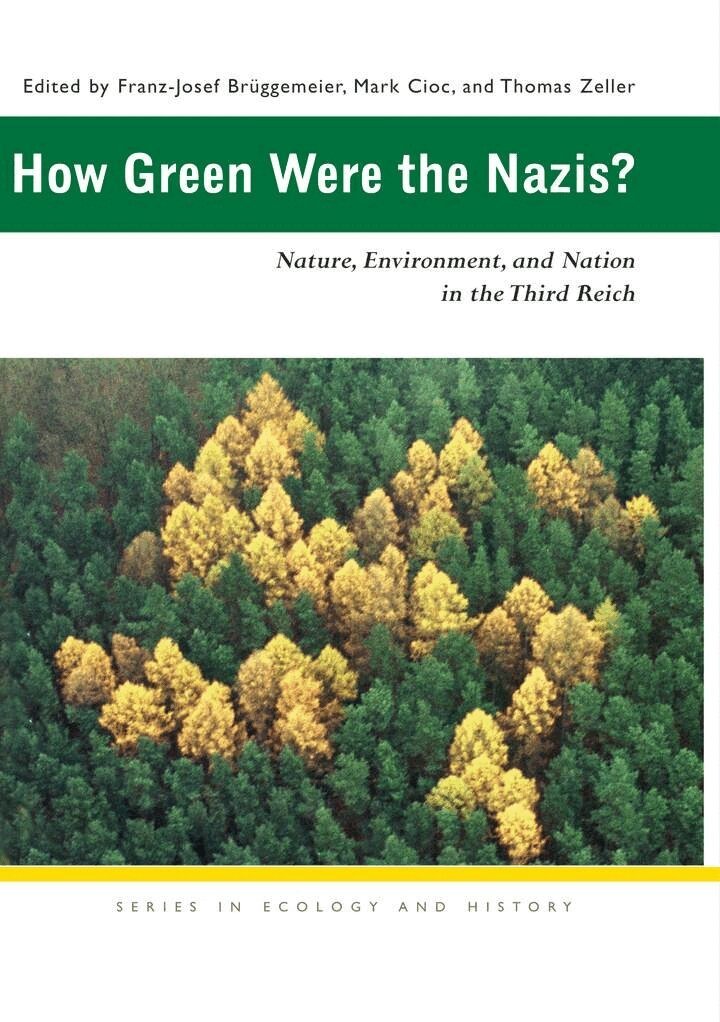
How Green Were the Nazis?
Nature, Environment, and Nation in the Third Reich
Av Franz-Josef Brüggemeier, Mark Cioc m. fl.
Häftad, 2005
378 kr
Lägg i varukorg
The Nazis created nature preserves, championed sustainable forestry, curbed air pollution, and designed the autobahn highway network as a way of bringing Germans closer to nature. How Green Were the Nazis?: Nature, Environment, and Nation in the Third Reich is the first book to examine the Third …
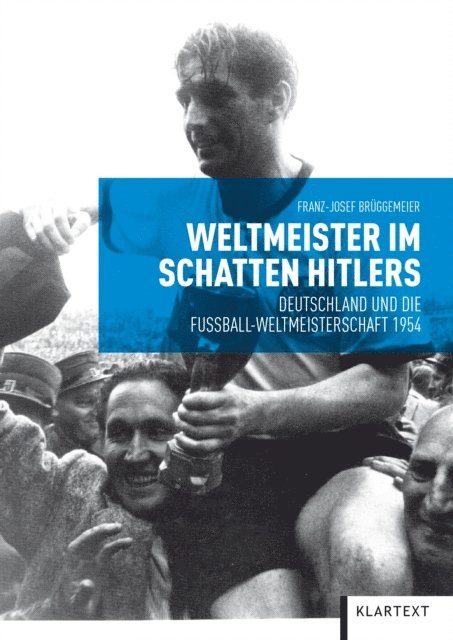
Weltmeister im Schatten Hitlers
Deutschland und die Fußball-Weltmeisterschaft 1954
E-bok, 2014
218 kr
Lägg i varukorg
Auf dem Weg zur Fußball-WM in der Schweiz schenkte kaum jemand der deutschen Nationalmannschaft Beachtung. Doch als die Spieler am 5. Juli als Weltmeister zurückkehrten, stand Deutschland Kopf. Der Titelgewinn löste ungeheure Begeisterung aus, warf aber auch die Frage auf, wie diese zu bewerten …