Frederick H. Fleitz - Böcker
Visar alla böcker från författaren Frederick H. Fleitz. Handla med fri frakt och snabb leverans.
2 produkter
2 produkter
675 kr
Skickas inom 10-15 vardagar
Peacekeeping is a useful tool to manage international conflict and maintain truces, but it will only work in a narrow range of circumstances. Peacekeepers can order punitive airstrikes, depose elected leaders, destroy infrastructure, and enforce peace accords not drafted by the warring parties. They have overstepped their bounds, and peacekeeping is now often a euphemism for any multilateral military action. A CIA analyst who worked closely with Reagan, Bush, and Clinton administration officials on UN issues, Fleitz examines how peacekeeping works, the rash of peacekeeping failures since 1993, and whether peacekeeping can still play a role in U.S. foreign policy. It is a unique realist assessment destined to become the guide to this very important subject for U.S. policymakers, politicians, and students of international relations.UN peacekeeping disasters in the 1990s occurred because world leaders failed to recognize the rules and precedents that allowed traditional peacekeeping to succeed during the Cold War. Although failed peacekeeping operations damaged the peacekeeping concept, it can still serve as a viable tool to promote international security and promote American interests abroad if used in the right circumstances. Carefully researched and supported by over two dozen maps, charts, and photos, Fleitz boldly challenges dozens of assumptions of the foreign policy establishment about the nature of the Cold War, post-Cold War peacekeeping, and 1990s peacekeeping deployments.
820 kr
Kommande
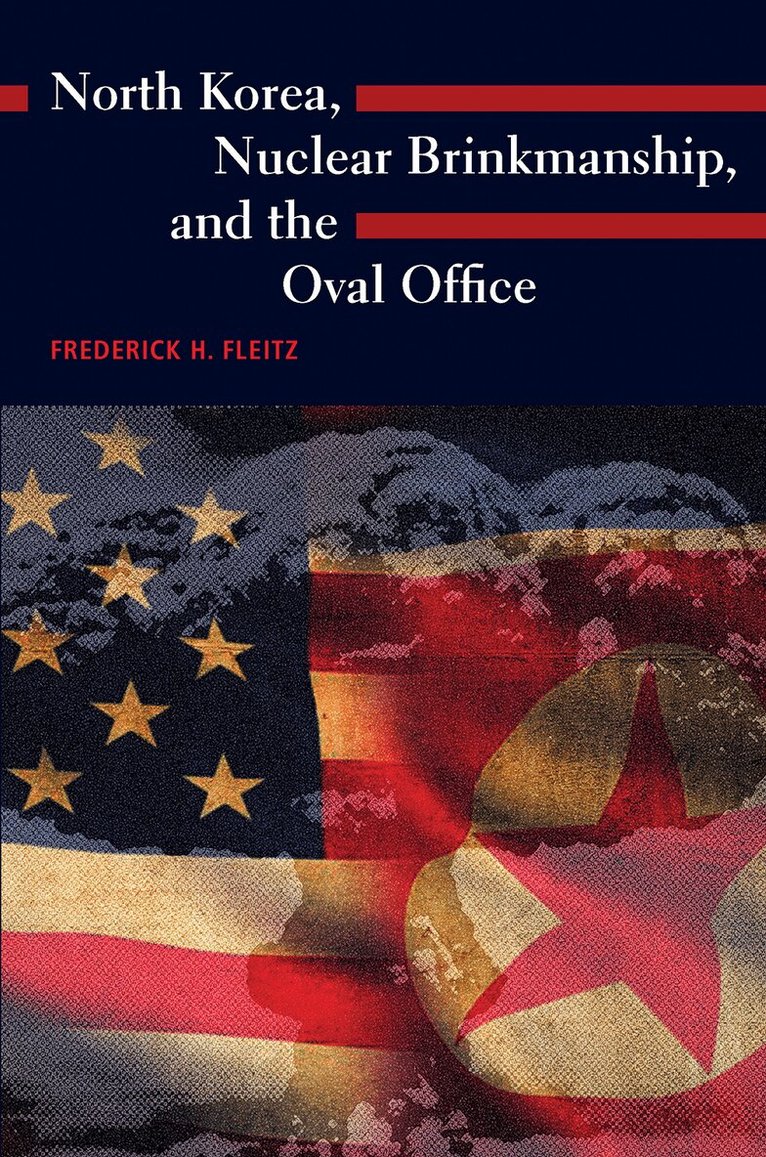
Only nine countries have possessed nuclear weapons in the roughly eighty years since the US first introduced the atomic bomb to the world. Since then, a dangerous game of "will they, won't they?" has been played between these nations. The most infamous standoff is the Cold War between the US and USSR, but the emergence of North Korea's nuclear program in the 1950s—with the support of the USSR—is often overlooked. While repeatedly downplayed in media over the decades, public consciousness is beginning to recognize North Korea's nuclear ability.In North Korea, Nuclear Brinkmanship, and the Oval Office, Frederick H. Fleitz, who has more than twenty-five years of experience working in US national security agencies, reveals the advanced state of Pyongyang's nuclear weapons program. Fleitz examines the history of US policy toward North Korea from the Eisenhower administration to the end of the Biden administration and offers a history and an analysis of the development of nuclear infrastructure in North Korea despite US efforts to impede the development. He attributes this state of affairs, in part, to mistakes and inconsistencies in US policy from administrations of both political parties. Further, Fleitz covers the strategies employed by North Korea to delay, defuse, and otherwise work around various sanctions and agreements that both nations view as obstacles to their nuclear aims.Offering the work as a "resource for US officials, experts, media, and allies," Fleitz stresses the urgency of a coherent and effective US policy that recognizes both the seriousness of nuclear threats and the global, political, and military realities that have given rise to them.