Frederick Lauritzen - Böcker
Visar alla böcker från författaren Frederick Lauritzen. Handla med fri frakt och snabb leverans.
3 produkter
3 produkter
690 kr
Skickas inom 7-10 vardagar
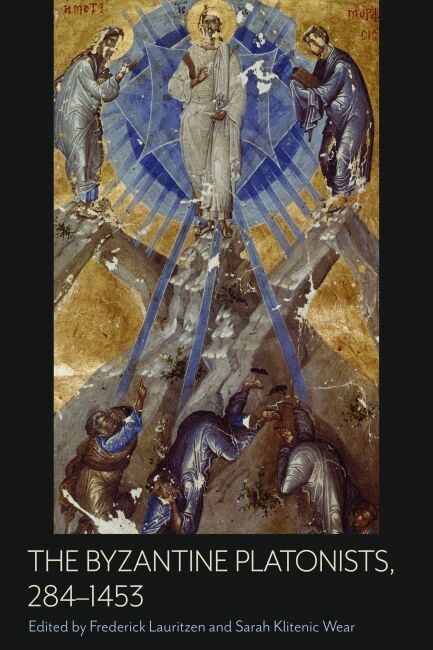
This volume brings together articles by sixteen leading scholars on a cross-section of Platonists authors—Christian and non-Christian—from early through late Byzantium philosophy, including the Capaddocians, Cyril, Proclus, Damascius, Dionysius, George of Pisidia, Nicetas Stethatos, Nikephoros Choumenos, Psellos, and George Palamas. The reception of Byzantine thought in the Latin tradition is also considered. The articles collectively show development in the Greek East on ontological issues such as the doctrine of the soul, as well as theological concepts of the One/God and Trinity within a hierarchical universe. The volume considers exegetical questions relating to the use of Plato and the Platonists by Byzantine Christian authors.
440 kr
Skickas inom 7-10 vardagar
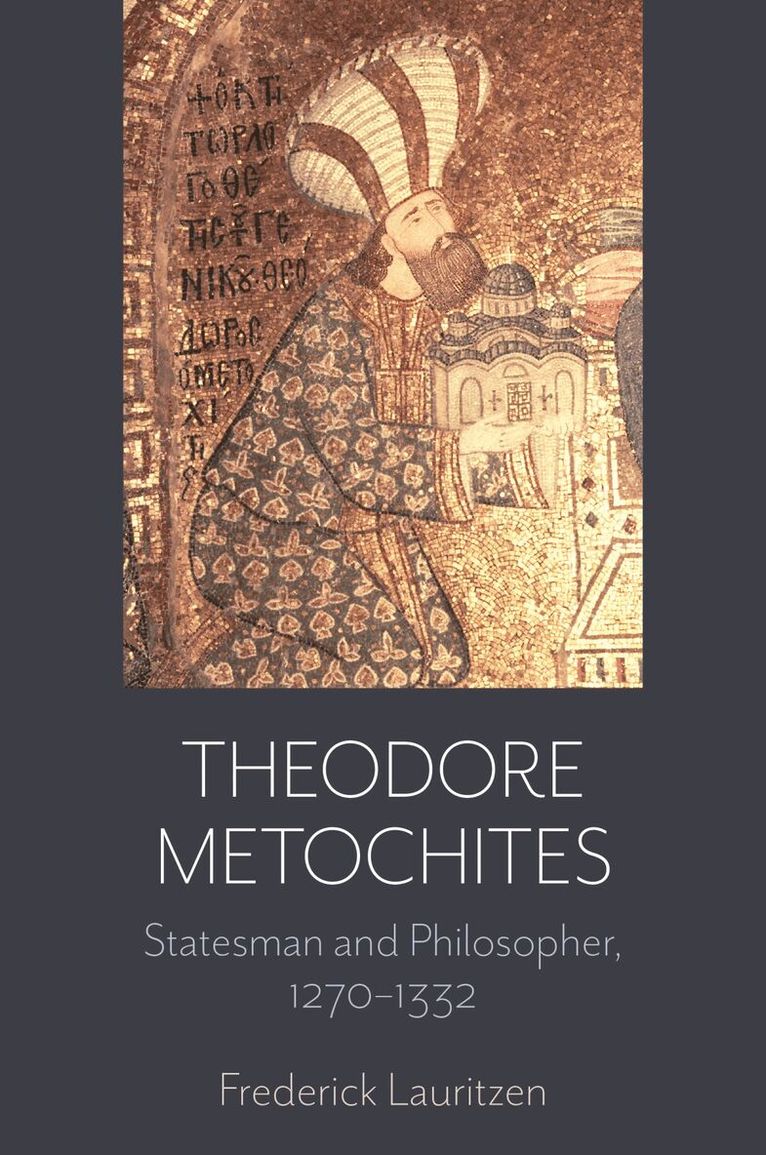
Theodore Metochites (1270-1332) is one of the most important writers, thinkers, and statemen of the Byzantine Empire. Metochites and his rival Nikephoros Choumnos (1250-1327) animated the philosophical and cultural debate in Constantinople in the early fourteenth century. Each held the title of mesazon (??????), a powerful position in the Byzantine government, and both men were active just before the controversy concerning the ""divine light"" and mystic contemplation (Hesychasm) that broke out in 1340. They had become monks before the synods were gathered to decide whether Gregory Palamas was Orthodox or not, resulting in his victory (Synods of Constantinople of 1341, 1347, 1351). Metochites is famous for his artistic patronage of the Monastery of Saint Saviour in Chora (Kariye Camii), where he retired. The monastery's mosaics and frescoes are among the greatest witnesses to Byzantine aesthetics. Metochites's writings are significant in the Byzantine era and are presented in this volume by some of the principal specialists of his work.
Byzantine Medicine and Charitable Foundations
From Constantinople to the Scuola Grande di San Marco in Venice
Inbunden, Engelska, 2026
2 028 kr
Kommande
Byzantine medicine and charitable foundations are essential parts of the culture of Constantinople. From the establishment of the new roman capital in 330 till its fall in 1453 the study and practice of medicine was often associated with charitable institutions (such as euageis oikoi) which may have inspired similar foundations in Venice (le Scuole Grandi) whose charitable and sometimes medical aspects are comparable to the byzantine ones. Each contributor addresses these questions and together they allow one to form an idea of how medicine was studied and often practiced in charitable foundations. The study of medicine in all its aspects is a central concern of byzantine culture. Each byzantine citizen was confronted with medicine during his or her life and would have known the charitable foundations, not only for their social function, but also as buildings visible on a daily basis.