Fumio Hanaoka - Böcker
Visar alla böcker från författaren Fumio Hanaoka. Handla med fri frakt och snabb leverans.
4 produkter
4 produkter
2 185 kr
Skickas inom 10-15 vardagar
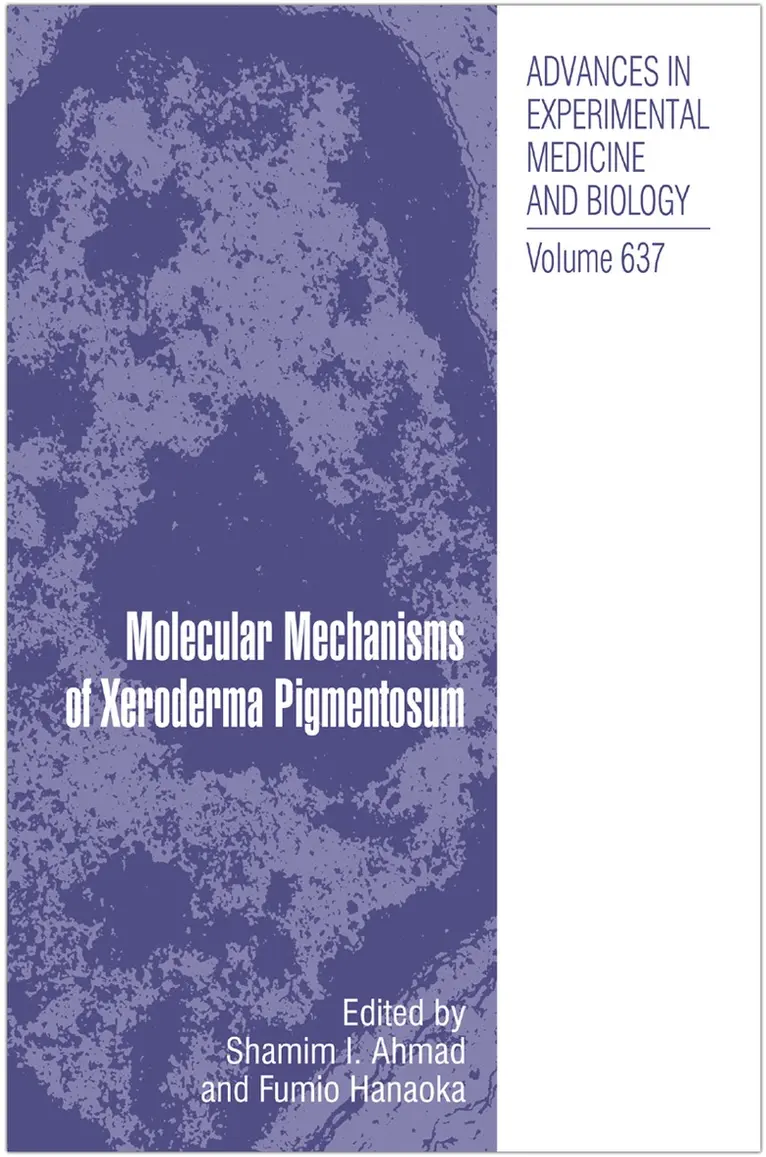
Xeroderma pigmentosum (XP), meaning parchment skin and pigmentary dist- bance, is a rare and mostly autosomal recessive genetic disorder that was originally named by two dermatologists, the Austrian Ferdinand Ritter von Hebra and his H- garian son in law Moritz Kaposi in 1874i and 1883. 2 The earliest published record (PubMed) available on the internet is a publication in 1949 by Ulicna Zapletalova under the title, "Contribution to the pathogenesis of xeroderma pigmentosum". ^ It was in the late 1960s when James Cleaver (contributor of Chapter 1 of this book), at the University of California, San Francisco, while working on nucleotide excision repair (NER), read an article in a local newspaper about XP and soon after obtained a skin biopsy from a patient suffering from XP that showed that cells from it were deficient in NER. Thus, his studies led to the discovery that indeed this genetic defect was due to mutations in DNA repair genes that imbalance the NER pathway. ^. s The discovery paved the way for further exploration of the link between DNA damage, mutagenesis, neoplastic transformation and DNA repair diseases.Since then, 4,088 papers, incl- ing excellent reviews, on XP are listed on the internet (PubMed data, February 2008), and an XP Society has been established in the USA (http://www. xps. org) and an XP Support Group in the United Kingdom (www. xpsupportgroup. org. uk).
2 185 kr
Skickas inom 10-15 vardagar
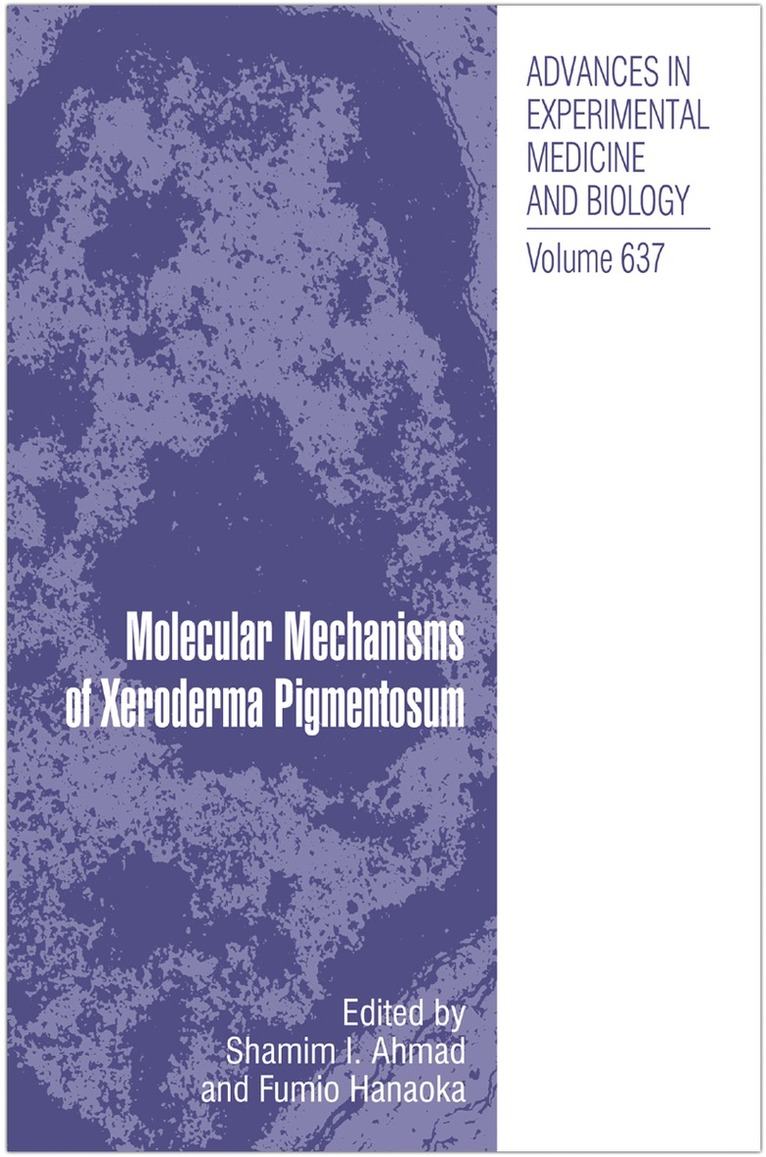
Xeroderma pigmentosum (XP), meaning parchment skin and pigmentary dist- bance, is a rare and mostly autosomal recessive genetic disorder that was originally named by two dermatologists, the Austrian Ferdinand Ritter von Hebra and his H- garian son in law Moritz Kaposi in 1874i and 1883. 2 The earliest published record (PubMed) available on the internet is a publication in 1949 by Ulicna Zapletalova under the title, "Contribution to the pathogenesis of xeroderma pigmentosum". ^ It was in the late 1960s when James Cleaver (contributor of Chapter 1 of this book), at the University of California, San Francisco, while working on nucleotide excision repair (NER), read an article in a local newspaper about XP and soon after obtained a skin biopsy from a patient suffering from XP that showed that cells from it were deficient in NER. Thus, his studies led to the discovery that indeed this genetic defect was due to mutations in DNA repair genes that imbalance the NER pathway. ^. s The discovery paved the way for further exploration of the link between DNA damage, mutagenesis, neoplastic transformation and DNA repair diseases.Since then, 4,088 papers, incl- ing excellent reviews, on XP are listed on the internet (PubMed data, February 2008), and an XP Society has been established in the USA (http://www. xps. org) and an XP Support Group in the United Kingdom (www. xpsupportgroup. org. uk).
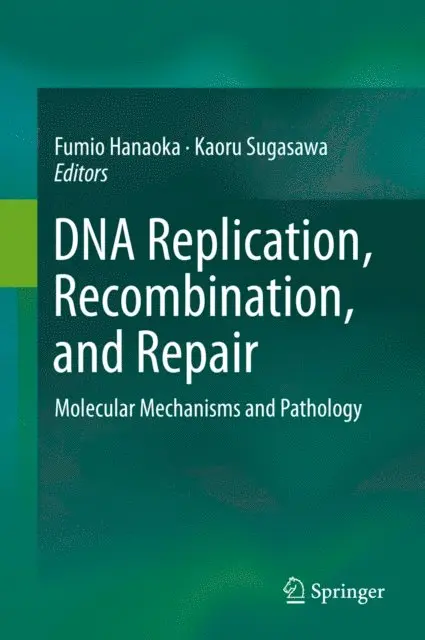
DNA Replication, Recombination, and Repair
Molecular Mechanisms and Pathology
Inbunden, Engelska, 2016
2 185 kr
Skickas inom 10-15 vardagar
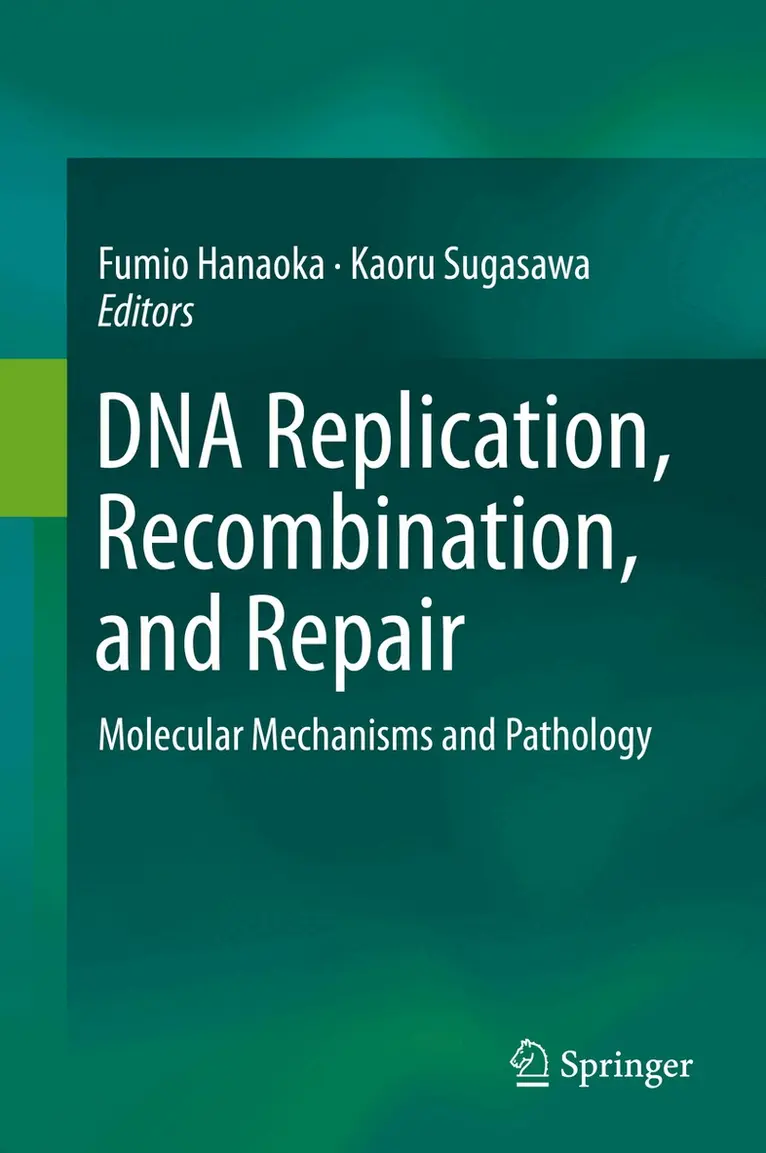
This book is a comprehensive review of the detailed molecular mechanisms of and functional crosstalk among the replication, recombination, and repair of DNA (collectively called the "3Rs") and the related processes, with special consciousness of their biological and clinical consequences. The 3Rs are fundamental molecular mechanisms for organisms to maintain and sometimes intentionally alter genetic information. DNA replication, recombination, and repair, individually, have been important subjects of molecular biology since its emergence, but we have recently become aware that the 3Rs are actually much more intimately related to one another than we used to realize. Furthermore, the 3R research fields have been growing even more interdisciplinary, with better understanding of molecular mechanisms underlying other important processes, such as chromosome structures and functions, cell cycle and checkpoints, transcriptional and epigenetic regulation, and so on. This book comprises 7 parts and 21 chapters: Part 1 (Chapters 1–3), DNA Replication; Part 2 (Chapters 4–6), DNA Recombination; Part 3 (Chapters 7–9), DNA Repair; Part 4 (Chapters 10–13), Genome Instability and Mutagenesis; Part 5 (Chapters 14–15), Chromosome Dynamics and Functions; Part 6 (Chapters 16–18), Cell Cycle and Checkpoints; Part 7 (Chapters 19–21), Interplay with Transcription and Epigenetic Regulation. This volume should attract the great interest of graduate students, postdoctoral fellows, and senior scientists in broad research fields of basic molecular biology, not only the core 3Rs, but also the various related fields (chromosome, cell cycle, transcription, epigenetics, and similar areas). Additionally, researchers in neurological sciences, developmental biology, immunology, evolutionary biology, and many other fields will find this book valuable.
2 185 kr
Skickas inom 10-15 vardagar
This book is a comprehensive review of the detailed molecular mechanisms of and functional crosstalk among the replication, recombination, and repair of DNA (collectively called the "3Rs") and the related processes, with special consciousness of their biological and clinical consequences. The 3Rs are fundamental molecular mechanisms for organisms to maintain and sometimes intentionally alter genetic information. DNA replication, recombination, and repair, individually, have been important subjects of molecular biology since its emergence, but we have recently become aware that the 3Rs are actually much more intimately related to one another than we used to realize. Furthermore, the 3R research fields have been growing even more interdisciplinary, with better understanding of molecular mechanisms underlying other important processes, such as chromosome structures and functions, cell cycle and checkpoints, transcriptional and epigenetic regulation, and so on. This book comprises 7 parts and 21 chapters: Part 1 (Chapters 1–3), DNA Replication; Part 2 (Chapters 4–6), DNA Recombination; Part 3 (Chapters 7–9), DNA Repair; Part 4 (Chapters 10–13), Genome Instability and Mutagenesis; Part 5 (Chapters 14–15), Chromosome Dynamics and Functions; Part 6 (Chapters 16–18), Cell Cycle and Checkpoints; Part 7 (Chapters 19–21), Interplay with Transcription and Epigenetic Regulation. This volume should attract the great interest of graduate students, postdoctoral fellows, and senior scientists in broad research fields of basic molecular biology, not only the core 3Rs, but also the various related fields (chromosome, cell cycle, transcription, epigenetics, and similar areas). Additionally, researchers in neurological sciences, developmental biology, immunology, evolutionary biology, and many other fields will find this book valuable.