G Kurt Piehler - Böcker
Visar alla böcker från författaren G Kurt Piehler. Handla med fri frakt och snabb leverans.
9 produkter
9 produkter
1 802 kr
Skickas inom 5-8 vardagar
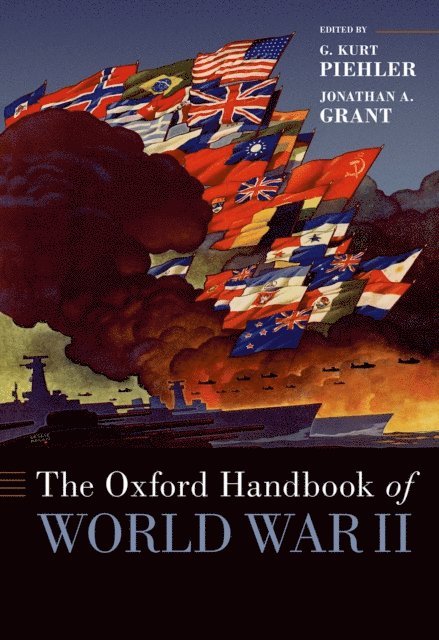
World War II left virtually no nation or corner of the world untouched, dramatically transforming human life and society. It prompted the unprecedented mobilization of whole societies and witnessed a scale of state-sanctioned violence that staggers the imagination, with more than 100 million casualties. The war resulted in an almost complete collapse of any norms geared toward avoiding the unnecessary loss of civilian life and shaped the worldview and psyches of generations. The Oxford Handbook of World War II broadens traditional narratives of the war and in the process changes our understanding of this epic conflict. Organized both chronologically and thematically and with particular attention to the pre- and post-war eras, the Handbook revises and extends existing scholarship. With chapters on the rise and fall of Nazi Germany, the land war in Western Europe, the Battle of Britain, the impact of war on the major combatants (Great Britain, France, the United States, Japan, and China), the Japanese attack on Pearl Harbor, the decision to use the atomic bomb in 1945, and the cultural responses to the war, the chapters span much of the twentieth century. They suggest areas of scholarly consensus, identify interpretative clashes, and propose agendas for further scholarly investigation, with an emphasis on interdisciplinary inquiry. For example, the end of the Cold War had a profound impact on the way World War II was understood. Many formerly closed records in the former Soviet Union and China were opened to scholars, facilitating a more complex view of the Soviet war effort and suggesting that Stalin's army did not simply triumph by overwhelming German forces with sheer numbers but mastered the demands of a vast and logistically demanding front. In conceptualizing the volume, editors Kurt Piehler and Jonathan Grant also sought out contributions on lesser known aspects of the war, such as the Bengal famine in India, the treatment of prisoners of war, the role of Middle Eastern nations, and the activities of non-governmental organizations in ameliorating suffering. Spanning the rise and fall of the Versailles system to the postwar reintegration of veterans and the eventual commemoration of the conflict and its victims, The Oxford Handbook of World War II marks a landmark contribution to the historical literature of war.
833 kr
Skickas inom 10-15 vardagar
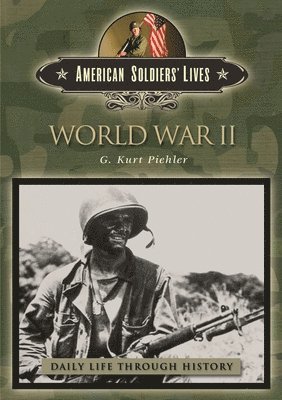
There are countless books detailing the history of World War II, but none has examined the differences among soldiers's experiences based on their service branch's culture. Based on extensive oral history interviews with the men and women who served during this war, G. Kurt Piehler has discovered that the U.S. Navy tended to be hierarchical, especially on large ships; and in contrast, the Army Air Force remained a relatively loose organization, with more frequent fraternization among officers and enlisted personnel. Although racial tensions were not absent from the Marines, the elite ethos of this branch mitigated the harsh racism of many white Marines toward their African American comrades. In the Army, there was no one representative soldier's experience in the war, given the sheer size and diversity of the Army's missions in this conflict, including sharp differences between the Asian and European war experiences.Piehler draws heavily on the oral histories he conducted for the Rutgers Oral History Archives of World War II and the Center for the Study of War and Society to provide a rich and varied look at the experiences of the men and women of World War II, in their own words.The book also includes a timeline to put dates and events in better perspective; a comprehensive, topically arranged bibliography; and a thorough index.
United States and the Second World War
New Perspectives on Diplomacy, War, and the Home Front
Inbunden, Engelska, 2010
835 kr
Skickas inom 10-15 vardagar
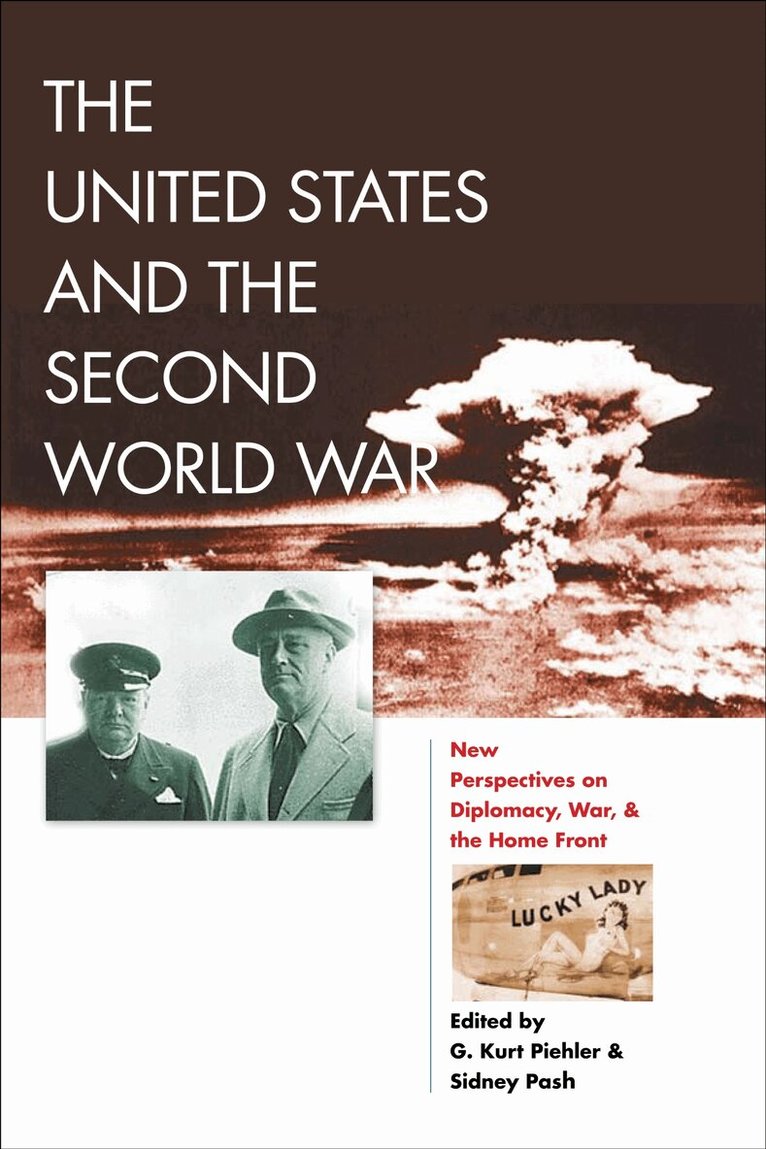
In this compelling book, G. Kurt Piehler and Sidney Pash bring together a collection of essays offering a fresh examination of American participation in the Second World War, including a long overdue reconsideration of such seminal topics as the forces leading the United States to enter World War II, the role of the American military in the Allied victory, and war-time planning for the postwar world, but also tackle new inquiries into life on the home front and America's commemoration of one of the most controversial and climatic events of the war-the dropping of the atomic bomb on Hiroshima. These outstanding historians cover crucial moments such as:Franklin D. Roosevelt's pivotal, if at times indecisive, role in leading the United StatesThe miscalculation of Japanese intentions by American diplomats and the failure of deterrence in preventing war in the PacificThe experiences and contributions of conscientious objectors to American society in this time of total warThe decision of the United States to fight with an ineffective battle tank at the expense of American livesThe Coast Guard's contribution to the D-Day LandingHow elite foreign policy organizations prior to V-J Day sought to influence American occupation policies regarding Japan With these essays and much more, The United States in the Second World War is sure to prove a classic to World War II buffs.
United States and the Second World War
New Perspectives on Diplomacy, War, and the Home Front
Häftad, Engelska, 2013
380 kr
Skickas inom 10-15 vardagar
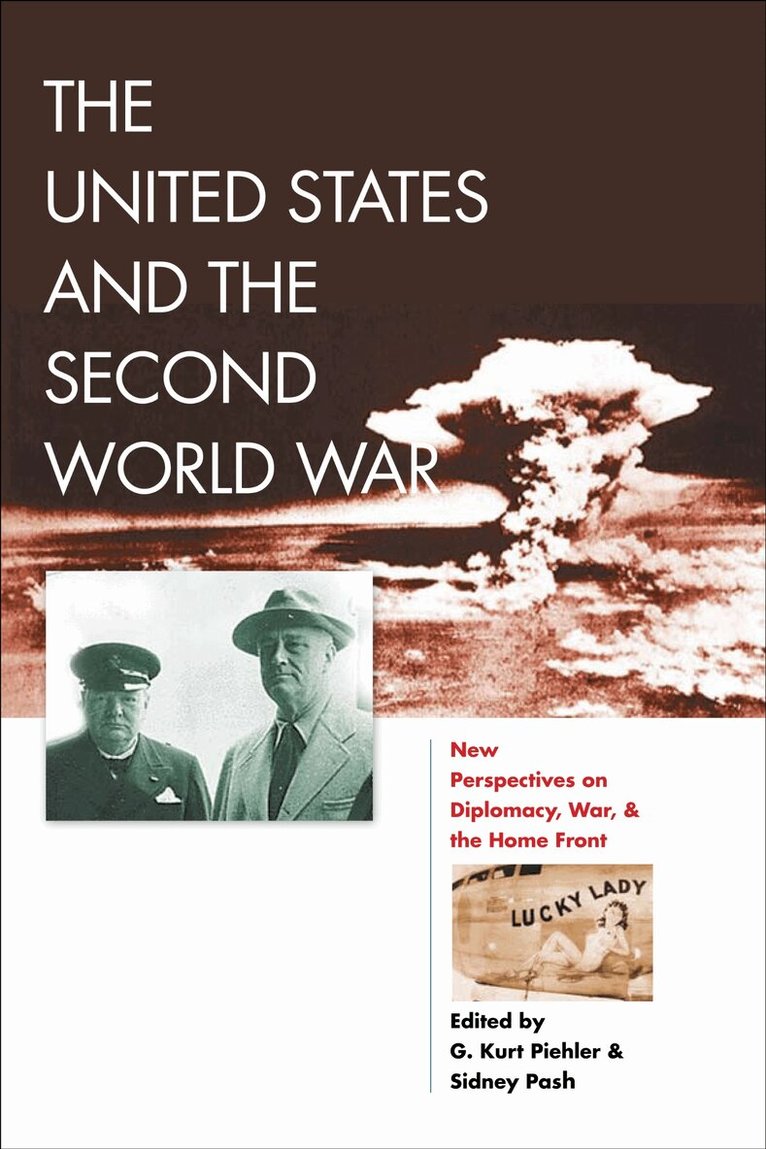
In this compelling book, G. Kurt Piehler and Sidney Pash bring together a collection of essays offering a fresh examination of American participation in the Second World War, including a long overdue reconsideration of such seminal topics as the forces leading the United States to enter World War II, the role of the American military in the Allied victory, and war-time planning for the postwar world, but also tackle new inquiries into life on the home front and America's commemoration of one of the most controversial and climatic events of the war-the dropping of the atomic bomb on Hiroshima. These outstanding historians cover crucial moments such as:Franklin D. Roosevelt's pivotal, if at times indecisive, role in leading the United StatesThe miscalculation of Japanese intentions by American diplomats and the failure of deterrence in preventing war in the PacificThe experiences and contributions of conscientious objectors to American society in this time of total warThe decision of the United States to fight with an ineffective battle tank at the expense of American livesThe Coast Guard's contribution to the D-Day LandingHow elite foreign policy organizations prior to V-J Day sought to influence American occupation policies regarding Japan With these essays and much more, The United States in the Second World War is sure to prove a classic to World War II buffs.
9 061 kr
Tillfälligt slut
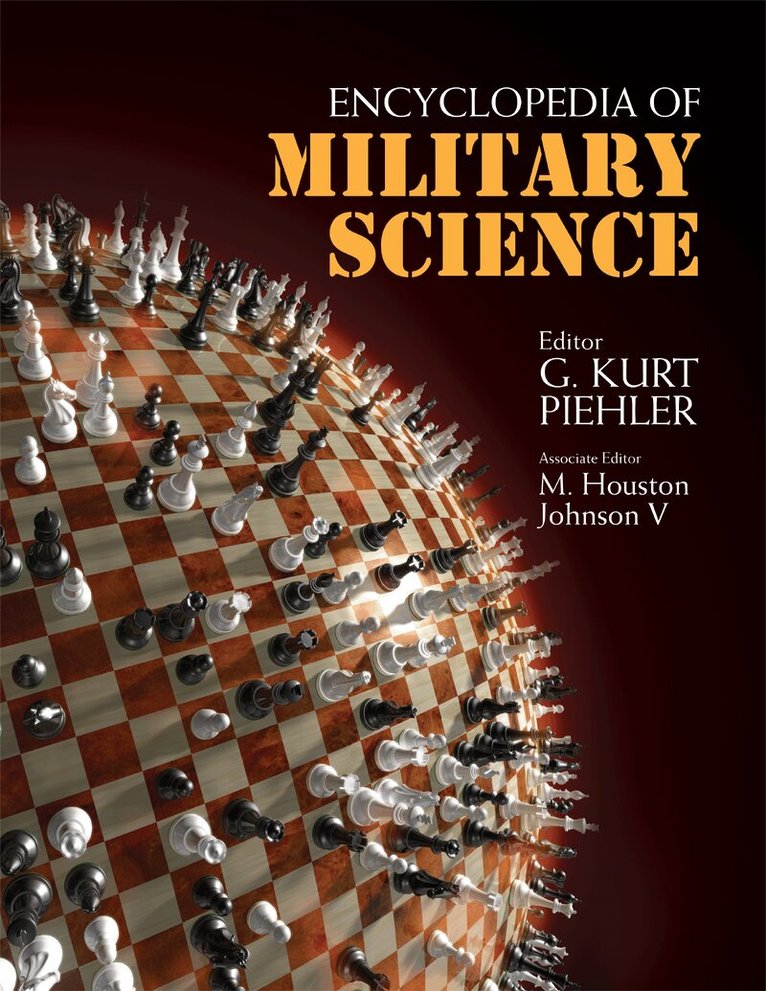
The Encyclopedia of Military Science provides a comprehensive, ready-reference on the organization, traditions, training, purpose, and functions of today’s military. Entries in this four-volume work include coverage of the duties, responsibilities, and authority of military personnel and an understanding of strategies and tactics of the modern military and how they interface with political, social, legal, economic, and technological factors. A large component is devoted to issues of leadership, group dynamics, motivation, problem-solving, and decision making in the military context. Finally, this work also covers recent American military history since the end of the Cold War with a special emphasis on peacekeeping and peacemaking operations, the First Persian Gulf War, the events surrounding 9/11, and the wars in Afghanistan and Iraq and how the military has been changing in relation to these events.
358 kr
Skickas inom 7-10 vardagar
This reader brings together 78 primary documents that capture the diversity of experiences of Americans who lived through World War II, from presidents and generals to war workers and GIs. Illustrates the political, diplomatic and military history of the conflict, including well-known documents, such as the Atlantic Charter and Franklin Roosevelt’s Congressional address requesting a declaration of war against JapanHighlights the far-reaching economic, social and cultural changes caused by the war, such as the struggles to find day care for the children of women war workers, and the experiences returning veteransIncludes an introduction, document headnotes and questions at the end of each chapter designed to encourage students to engage with the material critically
704 kr
Skickas inom 10-15 vardagar
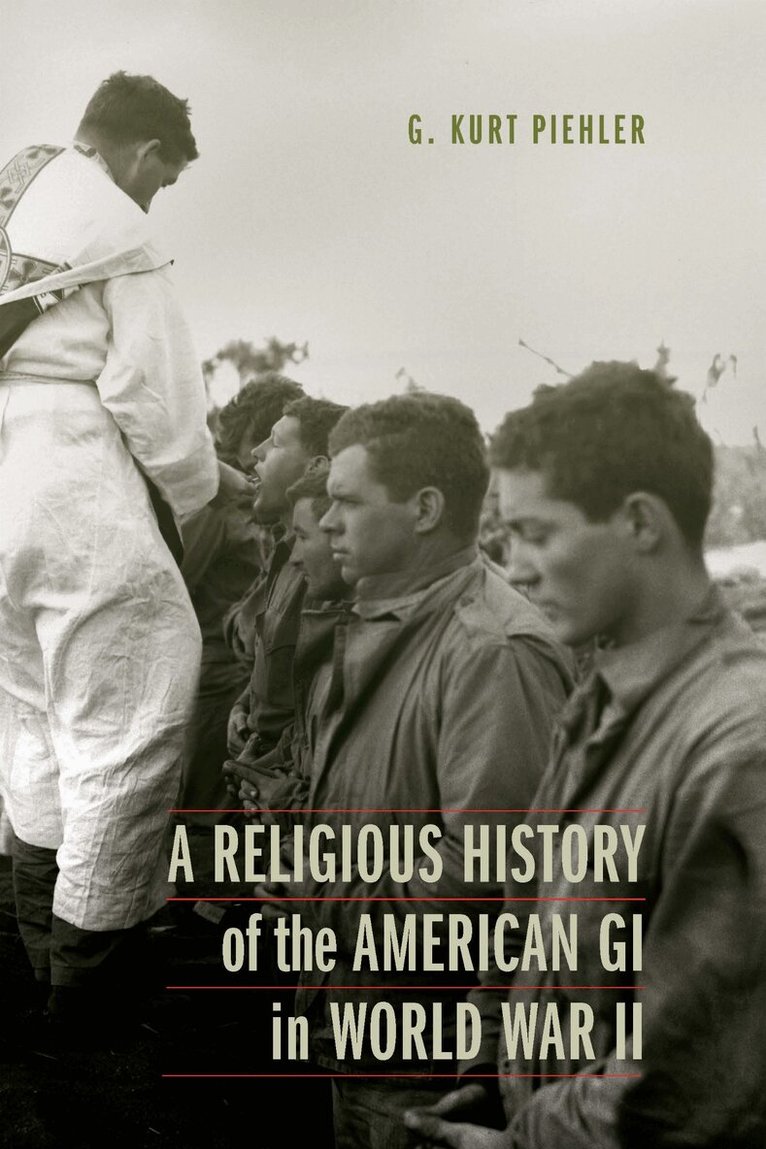
A Religious History of the American GI in World War II breaks new ground by recounting the armed forces’ unprecedented efforts to meet the spiritual needs of the fifteen million men and women who served in World War II. For President Franklin D. Roosevelt and many GIs, religion remained a core American value that fortified their resolve in the fight against Axis tyranny. While combatants turned to fellow comrades for support, even more were sustained by prayer. GIs flocked to services, and when they mourned comrades lost in battle, chaplains offered solace and underscored the righteousness of their cause. This study is essential reading for anyone seeking to understand the social history of the American GI during World War II.Drawing on an extensive range of letters, diaries, oral histories, and memoirs, G. Kurt Piehler challenges the conventional wisdom that portrays the American GI as a nonideological warrior. American GIs echoed the views of FDR, who saw a Nazi victory as a threat to religious freedom and recognized the antisemitic character of the regime. Official policies promoted a civil religion that stressed equality between Protestantism, Roman Catholicism, and Judaism. Many chaplains embraced this tri-faith vision and strived to meet the spiritual needs of all servicepeople regardless of their own denomination. While examples of bigotry, sectarianism, and intolerance remained, the armed forces fostered the free exercise of religion that promoted a respect for the plurality of American religious life among GIs.
1 296 kr
Skickas inom 10-15 vardagar
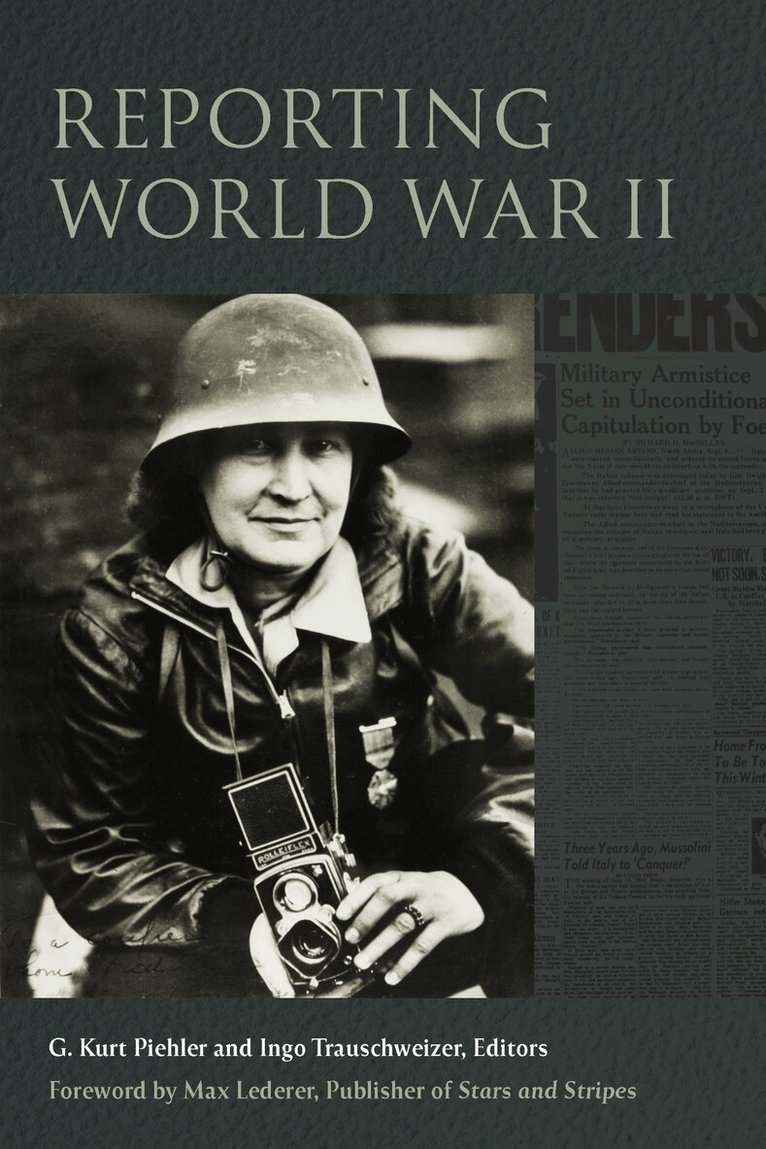
This set of essays offers new insights into the journalistic process and the pressures American front-line reporters experienced covering World War II. Transmitting stories through cable or couriers remained expensive and often required the cooperation of foreign governments and the American armed forces. Initially, reporters from a neutral America documented the early victories by Nazi Germany and the Soviet invasion of Finland. Not all journalists strove for objectivity. During her time reporting from Ireland, Helen Kirkpatrick remained a fierce critic of that country's neutrality. Once the United States joined the fight after the Japanese attack on Pearl Harbor, American journalists supported the struggle against the Axis powers, but this volume will show that reporters, even when members of the army sponsored newspaper, Stars and Stripes were not mere ciphers of the official line.African American reporters Roi Ottley and Ollie Stewart worked to bolster the morale of Black GIs and undermined the institutional racism endemic to the American war effort. Women front-line reporters are given their due in this volume examining the struggles to overcome gender bias by describing triumphs of Thérèse Mabel Bonney, Iris Carpenter, Lee Carson, and Anne Stringer.The line between public relations and journalism could be a fine one as reflected by the U.S. Marine Corps' creating its own network of Marine correspondents who reported on the Pacific island campaigns and had their work published by American media outlets. Despite the pressures of censorship, the best American reporters strove for accuracy in reporting the facts even when dependent on official communiqués issued by the military. Many wartime reporters, even when covering major turning points, sought to embrace a reporting style that recorded the experiences of average soldiers. Often associated with Ernie Pyle and Bill Mauldin, the embrace of the human-interest story served as one of the enduring legacies of the conflict.Despite the importance of American war reporting in shaping perceptions of the war on the home front as well as shaping the historical narrative of the conflict, this work underscores how there is more to learn. Readers will gain from this work a new appreciation of the contribution of American journalists in writing the first version of history of the global struggle against Nazi Germany, imperial Japan, and fascist Italy.
416 kr
Skickas inom 7-10 vardagar
This set of essays offers new insights into the journalistic process and the pressures American front-line reporters experienced covering World War II. Transmitting stories through cable or couriers remained expensive and often required the cooperation of foreign governments and the American armed forces. Initially, reporters from a neutral America documented the early victories by Nazi Germany and the Soviet invasion of Finland. Not all journalists strove for objectivity. During her time reporting from Ireland, Helen Kirkpatrick remained a fierce critic of that country's neutrality. Once the United States joined the fight after the Japanese attack on Pearl Harbor, American journalists supported the struggle against the Axis powers, but this volume will show that reporters, even when members of the army sponsored newspaper, Stars and Stripes were not mere ciphers of the official line.African American reporters Roi Ottley and Ollie Stewart worked to bolster the morale of Black GIs and undermined the institutional racism endemic to the American war effort. Women front-line reporters are given their due in this volume examining the struggles to overcome gender bias by describing triumphs of Thérèse Mabel Bonney, Iris Carpenter, Lee Carson, and Anne Stringer.The line between public relations and journalism could be a fine one as reflected by the U.S. Marine Corps' creating its own network of Marine correspondents who reported on the Pacific island campaigns and had their work published by American media outlets. Despite the pressures of censorship, the best American reporters strove for accuracy in reporting the facts even when dependent on official communiqués issued by the military. Many wartime reporters, even when covering major turning points, sought to embrace a reporting style that recorded the experiences of average soldiers. Often associated with Ernie Pyle and Bill Mauldin, the embrace of the human-interest story served as one of the enduring legacies of the conflict.Despite the importance of American war reporting in shaping perceptions of the war on the home front as well as shaping the historical narrative of the conflict, this work underscores how there is more to learn. Readers will gain from this work a new appreciation of the contribution of American journalists in writing the first version of history of the global struggle against Nazi Germany, imperial Japan, and fascist Italy.