Ingo Trauschweizer - Böcker
Visar alla böcker från författaren Ingo Trauschweizer. Handla med fri frakt och snabb leverans.
9 produkter
9 produkter
666 kr
Skickas inom 10-15 vardagar
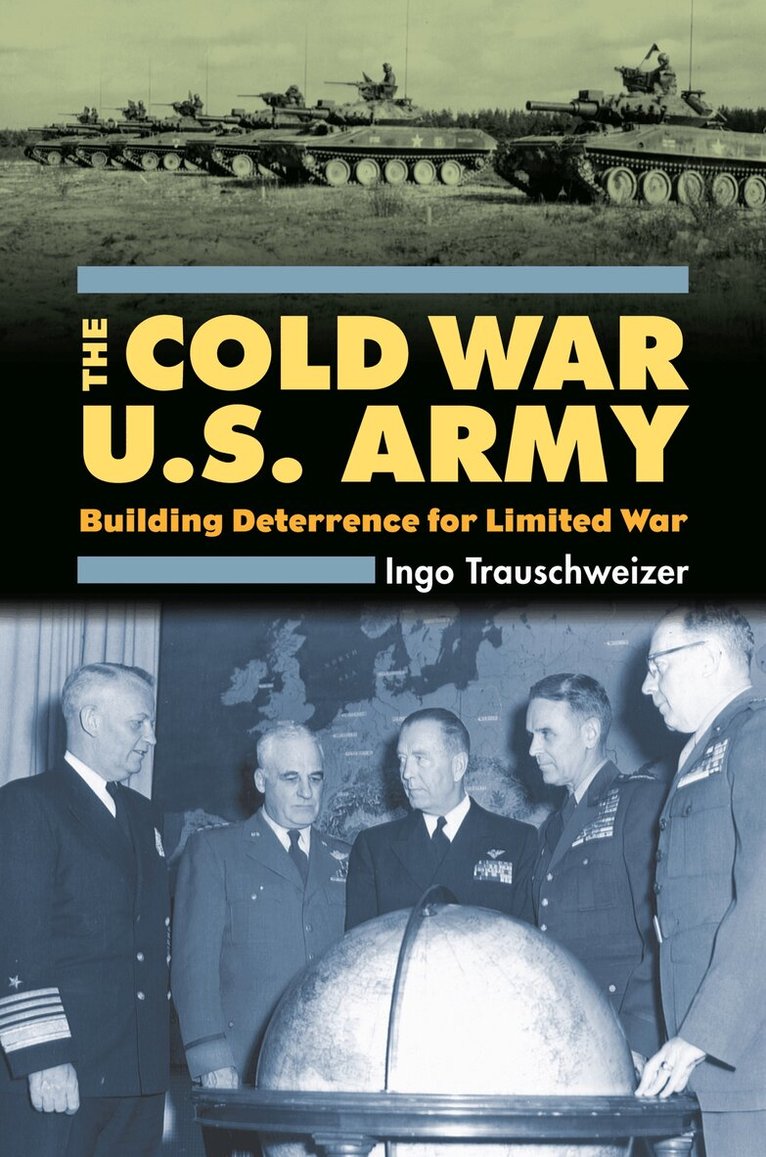
The Cold War marked a new era for America's military, one dominated by nuclear weapons and air power that seemed to diminish the need for conventional forces. Ingo Trauschweizer chronicles the U.S. Army's struggles with its identity, structure, and mission in the face of those challenges, showing how it evolved, redefined its mission more than once, and ultimately transformed itself.Trauschweizer describes how, beginning in the 1950s, the army faced an unprecedented problem: how to maintain a combat-ready fighting force that could operate on both conventional and nuclear battlefields. Faced with shifting threats to national security, budgetary battles, and unstable political developments around the globe, the army also had to keep abreast of new weaponry while navigating changes in its own top brass and the presidency.Trauschweizer particularly considers the army's organizational and doctrinal response to problems posed by deterrence in Europe, focusing on the evolving role of the Seventh Army in West Germany - the largest and best-prepared field army the U.S. had ever deployed in peacetime. He explores the roles of Generals Matthew Ridgway, Maxwell Taylor, and others, as well as the use role of tactical nuclear weapons, as he traces the army's transformation through the New Look policy, pentomic reorganization, and the adoption of the ROAD concept.Ultimately, Trauschweizer contends, the army found it impossible to prepare for limited war in the Third World while pursuing its primary mission of deterrence in Europe. His revisionist argument about the army's objectives in the 1960s and early 1970s places the Vietnam War in the context of the wider Cold War, offering new lines of inquiry into both. He also shows how, after the debacle of Vietnam, the army's sense of mission, technological evolution, organizational structure, and operational doctrine matured to produce the AirLand Battle doctrine of 1982, the cornerstone of our defense of Europe until the Cold War finally ended.The U.S. Army's evolution during the 1950s and its role in Europe throughout the Cold War have remained two of the most neglected subjects in American military history. By covering the interaction of strategy, organization, doctrine, and technology in the army during this era - as well as the relationship between army doctrine and U.S./NATO defense strategy - ""The Cold War U.S. Army"" marks a major contribution to our understanding of both subjects.
279 kr
Skickas inom 7-10 vardagar
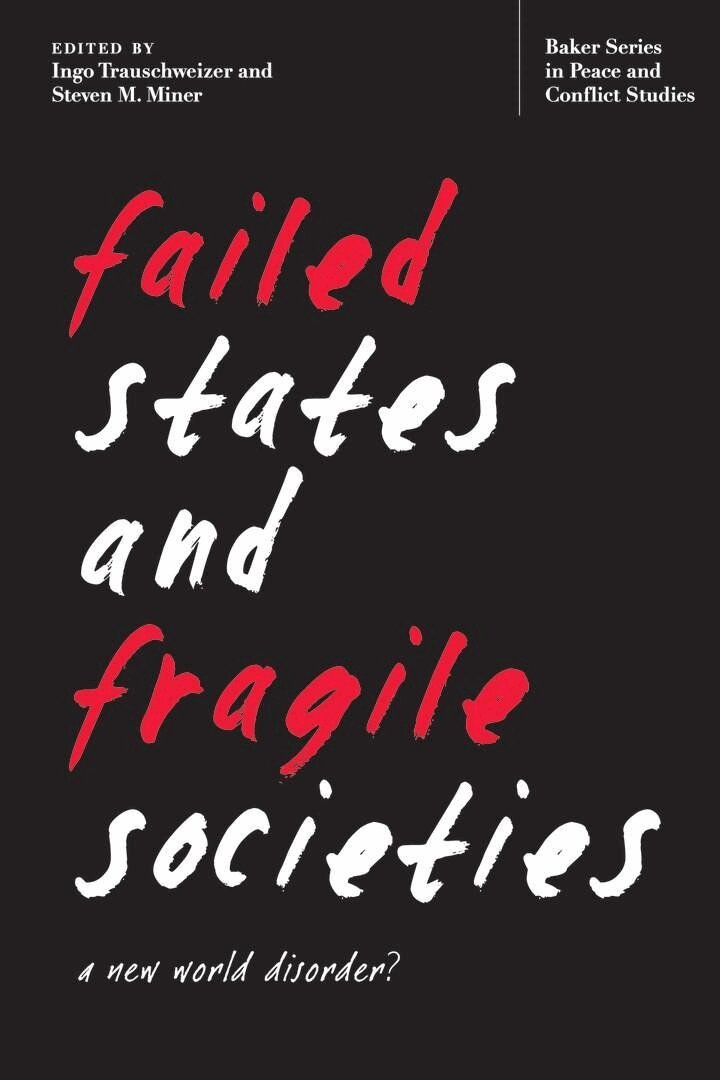
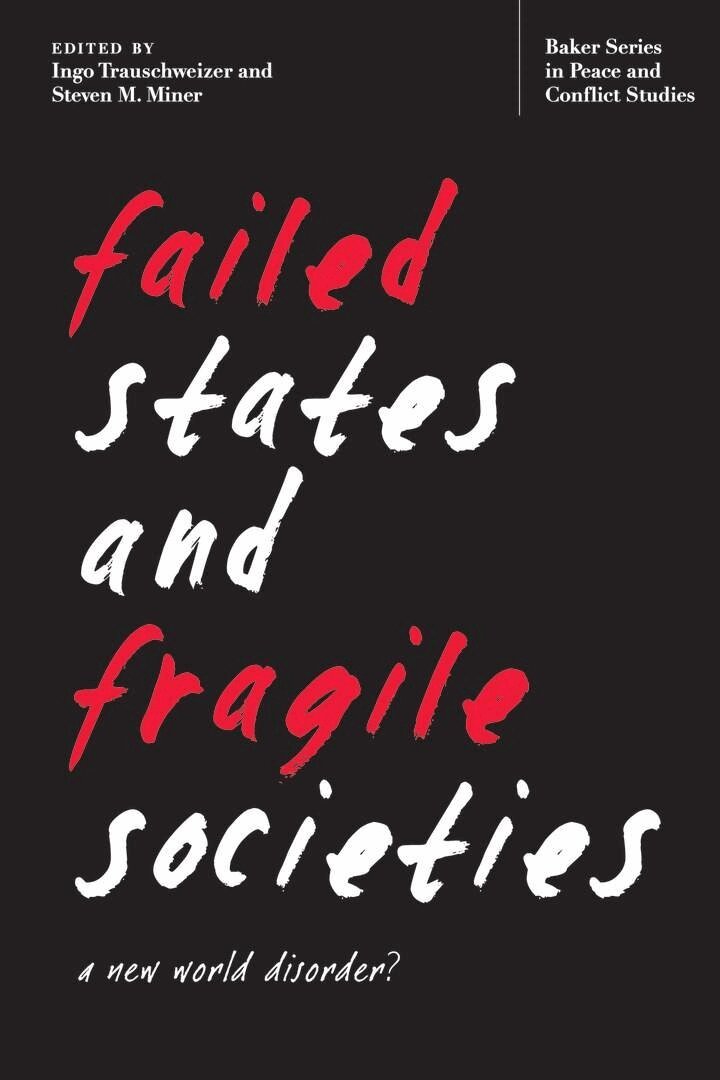
Since the end of the Cold War, a new dynamic has arisen within the international system, one that does not conform to established notions of the state's monopoly on war. In this changing environment, the global community must decide how to respond to the challenges posed to the state by military threats, political and economic decline, and social fragmentation. This insightful work considers the phenomenon of state failure and asks how the international community might better detect signs of state decay at an early stage and devise legally and politically legitimate responses.This collection of essays brings military and social historians into conversation with political and social scientists and former military officers. In case studies from the former Yugoslavia, Somalia, Iraq, and Colombia, the distinguished contributors argue that early intervention to stabilize social, economic, and political systems offers the greatest promise, whereas military intervention at a later stage is both costlier and less likely to succeed.Contributors: David Carment, Yiagadeesen Samy, David Curp, Jonathan House, James Carter, Vanda Felbab-Brown, Robert Rotberg, and Ken Menkhaus.
552 kr
Skickas inom 7-10 vardagar
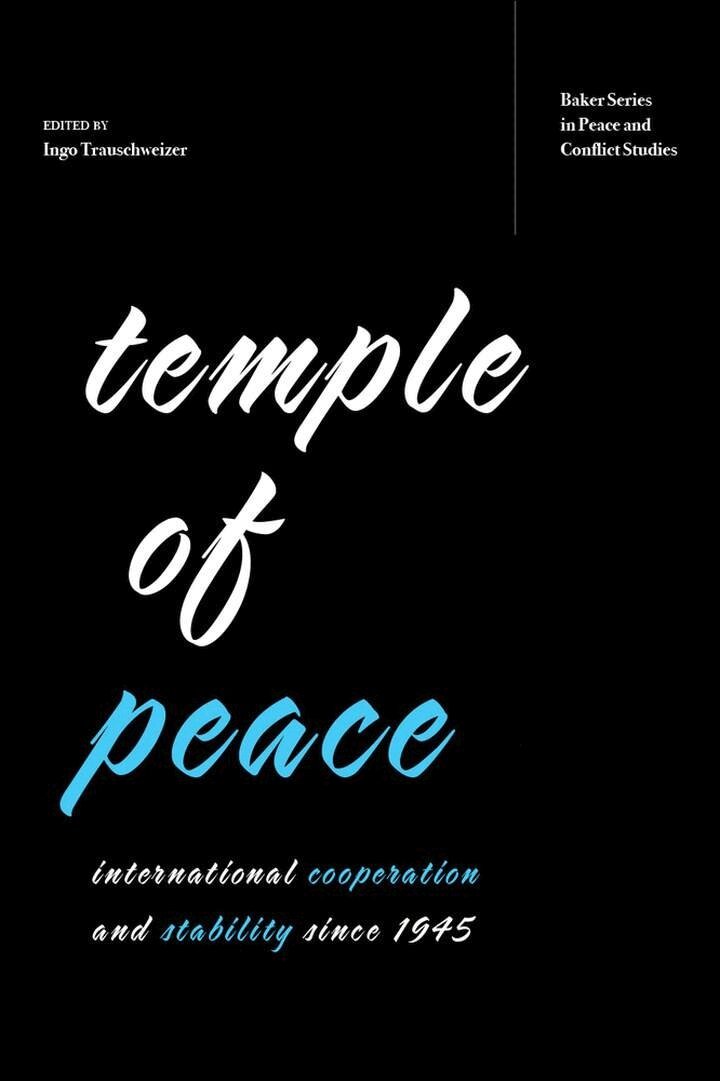
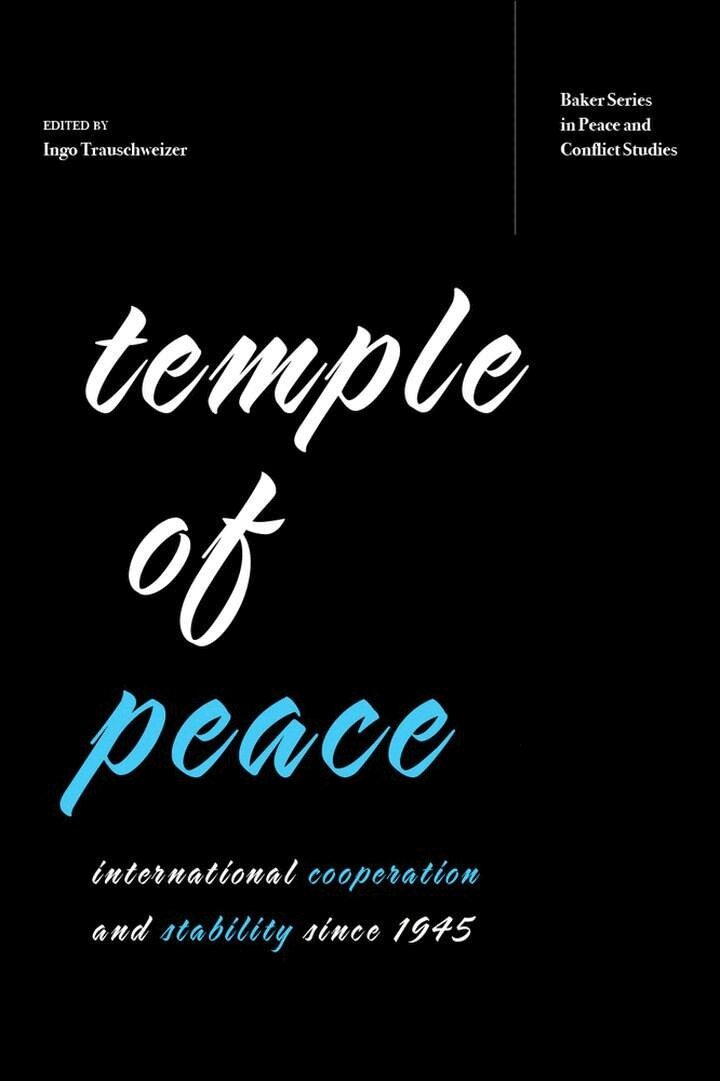
This collection raises timely questions about peace and stability as it interrogates the past and present status of international relations.The post–World War II liberal international order, upheld by organizations such as the United Nations, the North Atlantic Treaty Organization, and similar alliances, aspired to ensure decades of collective security, economic stability, and the rule of law. All of this was a negotiated process that required compromise—and yet it did not make for a peaceful world.When Winston Churchill referred to the UN framework as "the temple of peace" in his famous 1946 Iron Curtain speech, he maintained that international alliances could help provide necessary stability so free people could prosper, both economically and politically. Though the pillars of international order remain in place today, in a world defined as much by populism as protest, leaders in the United States no longer seem inclined to serve as the indispensable power in an alliance framework that is built on shared values, human rights, and an admixture of hard and soft power.In this book, nine scholars and practitioners of diplomacy explore both the successes and the flaws of international cooperation over the past seventy years. Collectively, the authors seek to address questions about how the liberal international order was built and what challenges it has faced, as well as to offer perspectives on what could be lost in a post-American world.
552 kr
Skickas inom 7-10 vardagar
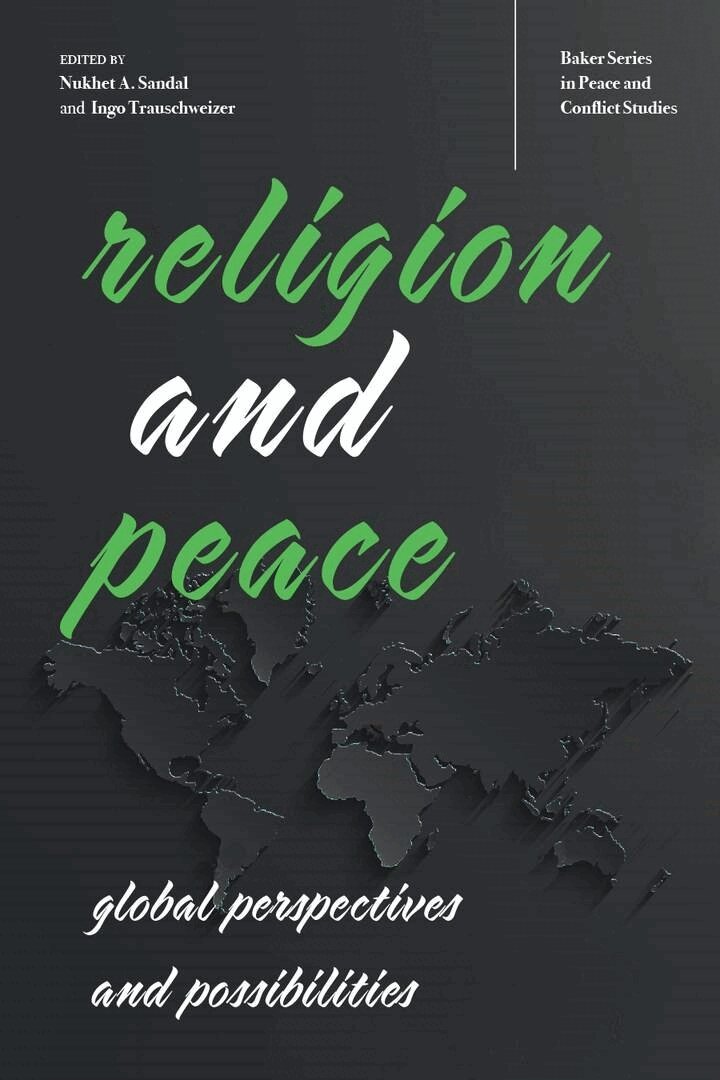
Can religion help societies achieve peace and stability? What actions can religious leaders take to facilitate conflict resolution? This book addresses these critical questions in terms of numerous contemporary conflicts within and between countries.In the aftermath of the 9/11 attacks, public attention to religion shifted away from its relationship to politics and toward its connection to violence in civil conflicts, wars, and terrorism. Religion's role in sowing discord became more prominent than its ability to unify. Only recently have discussions turned toward the positive impact of religion and spirituality in the public sphere and to the role of faith in resolving diplomatic, political, and social problems. The essays in this book contribute to this discourse by examining past, present, and future opportunities to promote peace through religion and spirituality. The contributors to this volume explore topics such as humanitarianism, philosophy, counterextremism, human rights, rituals, populism, foreign policy, and environmentalism. Some of the chapters approach these topics from a transnational perspective, while others focus on specific countries in Africa, Asia, Europe, Latin America, and the Middle East.Contributors: Jonathan C. AgenskySlavica JakelićAfra JalabiBrandon KendhammerLoren D. LybargerCecelia LynchPeter MandavilleJeremy RinkerMargaret M. ScullAmy Erica Smith
347 kr
Skickas inom 7-10 vardagar
Can religion help societies achieve peace and stability? What actions can religious leaders take to facilitate conflict resolution? This book addresses these critical questions in terms of numerous contemporary conflicts within and between countries.In the aftermath of the 9/11 attacks, public attention to religion shifted away from its relationship to politics and toward its connection to violence in civil conflicts, wars, and terrorism. Religion's role in sowing discord became more prominent than its ability to unify. Only recently have discussions turned toward the positive impact of religion and spirituality in the public sphere and to the role of faith in resolving diplomatic, political, and social problems. The essays in this book contribute to this discourse by examining past, present, and future opportunities to promote peace through religion and spirituality. The contributors to this volume explore topics such as humanitarianism, philosophy, counterextremism, human rights, rituals, populism, foreign policy, and environmentalism. Some of the chapters approach these topics from a transnational perspective, while others focus on specific countries in Africa, Asia, Europe, Latin America, and the Middle East.Contributors: Jonathan C. AgenskySlavica JakelićAfra JalabiBrandon KendhammerLoren D. LybargerCecelia LynchPeter MandavilleJeremy RinkerMargaret M. ScullAmy Erica Smith
279 kr
Skickas inom 7-10 vardagar
This collection raises timely questions about peace and stability as it interrogates the past and present status of international relations.The post–World War II liberal international order, upheld by organizations such as the United Nations, the North Atlantic Treaty Organization, and similar alliances, aspired to ensure decades of collective security, economic stability, and the rule of law. All of this was a negotiated process that required compromise—and yet it did not make for a peaceful world.When Winston Churchill referred to the UN framework as "the temple of peace" in his famous 1946 Iron Curtain speech, he maintained that international alliances could help provide necessary stability so free people could prosper, both economically and politically. Though the pillars of international order remain in place today, in a world defined as much by populism as protest, leaders in the United States no longer seem inclined to serve as the indispensable power in an alliance framework that is built on shared values, human rights, and an admixture of hard and soft power.In this book, nine scholars and practitioners of diplomacy explore both the successes and the flaws of international cooperation over the past seventy years. Collectively, the authors seek to address questions about how the liberal international order was built and what challenges it has faced, as well as to offer perspectives on what could be lost in a post-American world.
409 kr
Skickas
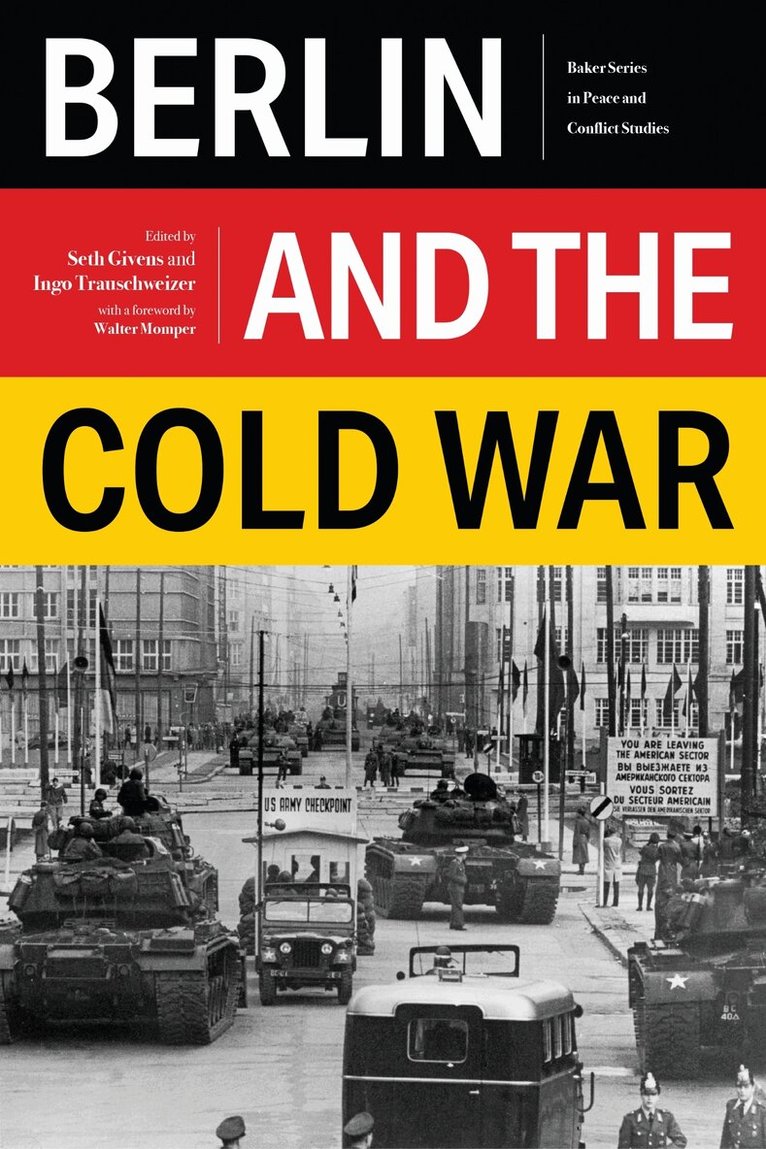
The Cold War is back in the news. So is history, in the sense of past geopolitical confrontations that for a span of a few decades were thought to be largely decoupled from present-day political developments. Of course, such reflexive reactions lack nuance and, until the Russian invasion of Ukraine in February 2022, tended to refer more to tensions between the United States and China. We should neither see Russia’s aggressive war in Ukraine immediately as part of a new cold war-though it could certainly become one of its foundation pieces-nor define history simply in terms of warfare and conflict. Yet such history has great appeal in efforts to understand the dizzying and depressing events of recent years. For example, correspondents and commentators have likened the delivery of weapons systems, protective gear, and humanitarian aid to a beleaguered Ukraine to the Berlin Airlift of 1948–49. But relying on history as a guide may mislead as much as enlighten.No city symbolizes the Cold War quite as Berlin does. When we think of the Cold War and of Berlin, we tend to emphasize the crises-the 1948–49 blockade and airlift, perhaps the 1953 East German workers’ uprising, surely the 1958–61 crisis, during which the Berlin Wall was built-and the climactic ending of the Cold War in Europe when the wall came down. Berlin may conjure up iconic moments and tropes, from a statement attributed to Nikita Khrushchev in 1963 that Berlin was “the testicles of the West,” to John F. Kennedy’s insistence that all free men had to be invested in the defense of Berlin, to Ronald Reagan’s exhortation to Mikhail Gorbachev to “tear down this wall.” For American presidents (or presidential hopefuls), Berlin and the Brandenburg Gate have remained powerful images, even in the twenty-first century. A presence in Berlin signals strong leadership in the West, even though the proximate reasons why the West, as a political construct, emerged in the first place may be gone. In that sense, Berlin also stands for overcoming the past: first, West Berlin as the counterpoint not only to eastern communism but also to defeated fascism, and second, the new Berlin as the capital of a unified Germany and as a symbol that the West has won.
1 296 kr
Skickas inom 10-15 vardagar
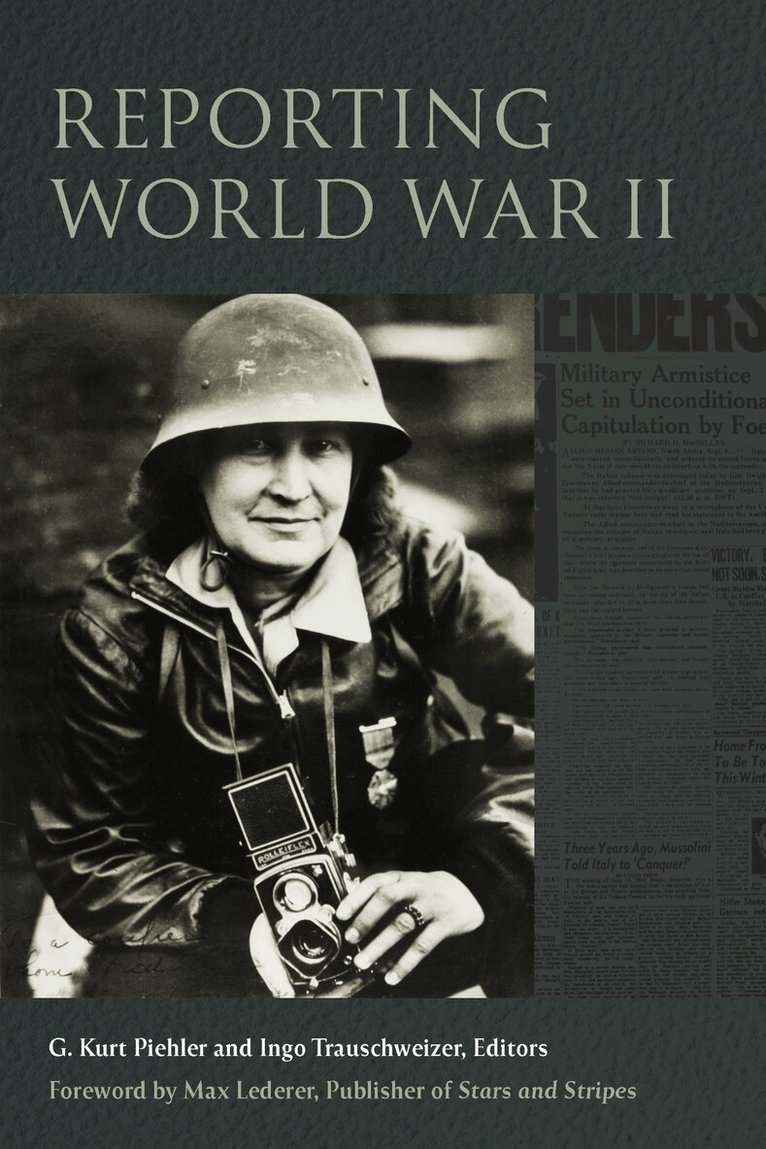
This set of essays offers new insights into the journalistic process and the pressures American front-line reporters experienced covering World War II. Transmitting stories through cable or couriers remained expensive and often required the cooperation of foreign governments and the American armed forces. Initially, reporters from a neutral America documented the early victories by Nazi Germany and the Soviet invasion of Finland. Not all journalists strove for objectivity. During her time reporting from Ireland, Helen Kirkpatrick remained a fierce critic of that country's neutrality. Once the United States joined the fight after the Japanese attack on Pearl Harbor, American journalists supported the struggle against the Axis powers, but this volume will show that reporters, even when members of the army sponsored newspaper, Stars and Stripes were not mere ciphers of the official line.African American reporters Roi Ottley and Ollie Stewart worked to bolster the morale of Black GIs and undermined the institutional racism endemic to the American war effort. Women front-line reporters are given their due in this volume examining the struggles to overcome gender bias by describing triumphs of Thérèse Mabel Bonney, Iris Carpenter, Lee Carson, and Anne Stringer.The line between public relations and journalism could be a fine one as reflected by the U.S. Marine Corps' creating its own network of Marine correspondents who reported on the Pacific island campaigns and had their work published by American media outlets. Despite the pressures of censorship, the best American reporters strove for accuracy in reporting the facts even when dependent on official communiqués issued by the military. Many wartime reporters, even when covering major turning points, sought to embrace a reporting style that recorded the experiences of average soldiers. Often associated with Ernie Pyle and Bill Mauldin, the embrace of the human-interest story served as one of the enduring legacies of the conflict.Despite the importance of American war reporting in shaping perceptions of the war on the home front as well as shaping the historical narrative of the conflict, this work underscores how there is more to learn. Readers will gain from this work a new appreciation of the contribution of American journalists in writing the first version of history of the global struggle against Nazi Germany, imperial Japan, and fascist Italy.
416 kr
Skickas inom 7-10 vardagar
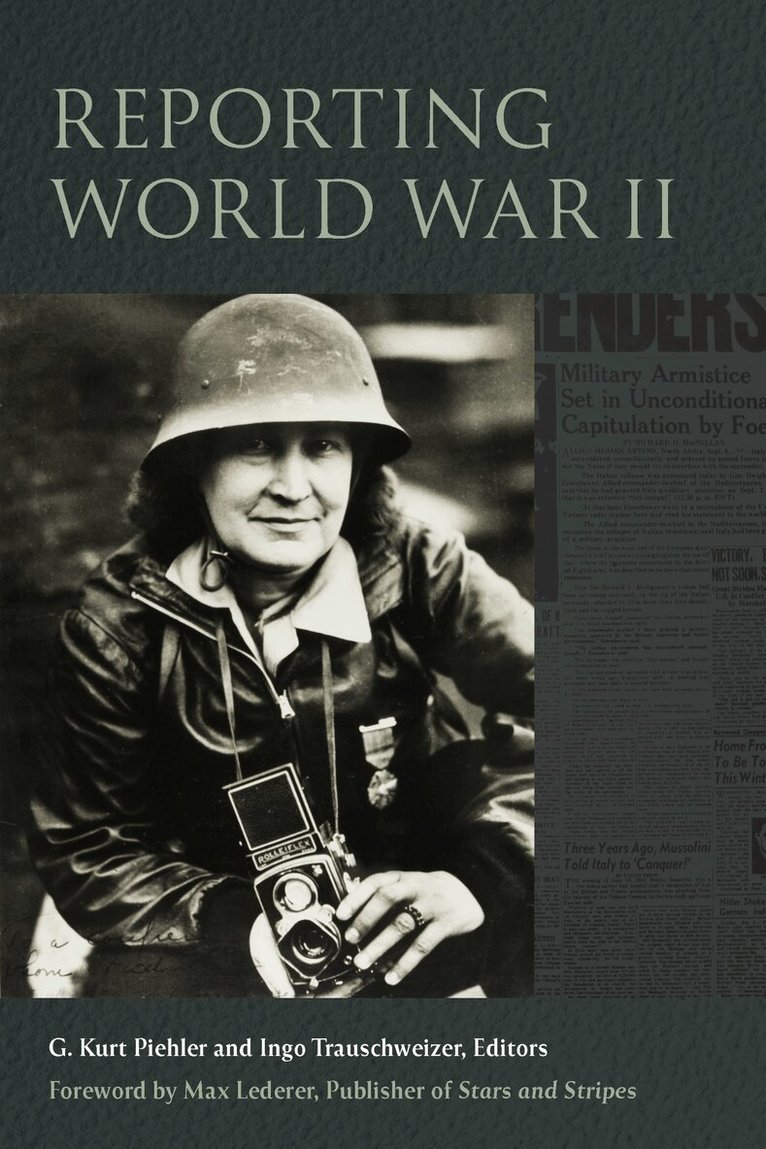
This set of essays offers new insights into the journalistic process and the pressures American front-line reporters experienced covering World War II. Transmitting stories through cable or couriers remained expensive and often required the cooperation of foreign governments and the American armed forces. Initially, reporters from a neutral America documented the early victories by Nazi Germany and the Soviet invasion of Finland. Not all journalists strove for objectivity. During her time reporting from Ireland, Helen Kirkpatrick remained a fierce critic of that country's neutrality. Once the United States joined the fight after the Japanese attack on Pearl Harbor, American journalists supported the struggle against the Axis powers, but this volume will show that reporters, even when members of the army sponsored newspaper, Stars and Stripes were not mere ciphers of the official line.African American reporters Roi Ottley and Ollie Stewart worked to bolster the morale of Black GIs and undermined the institutional racism endemic to the American war effort. Women front-line reporters are given their due in this volume examining the struggles to overcome gender bias by describing triumphs of Thérèse Mabel Bonney, Iris Carpenter, Lee Carson, and Anne Stringer.The line between public relations and journalism could be a fine one as reflected by the U.S. Marine Corps' creating its own network of Marine correspondents who reported on the Pacific island campaigns and had their work published by American media outlets. Despite the pressures of censorship, the best American reporters strove for accuracy in reporting the facts even when dependent on official communiqués issued by the military. Many wartime reporters, even when covering major turning points, sought to embrace a reporting style that recorded the experiences of average soldiers. Often associated with Ernie Pyle and Bill Mauldin, the embrace of the human-interest story served as one of the enduring legacies of the conflict.Despite the importance of American war reporting in shaping perceptions of the war on the home front as well as shaping the historical narrative of the conflict, this work underscores how there is more to learn. Readers will gain from this work a new appreciation of the contribution of American journalists in writing the first version of history of the global struggle against Nazi Germany, imperial Japan, and fascist Italy.