G. White – författare
Visar alla böcker från författaren G. White. Handla med fri frakt och snabb leverans.
10 produkter
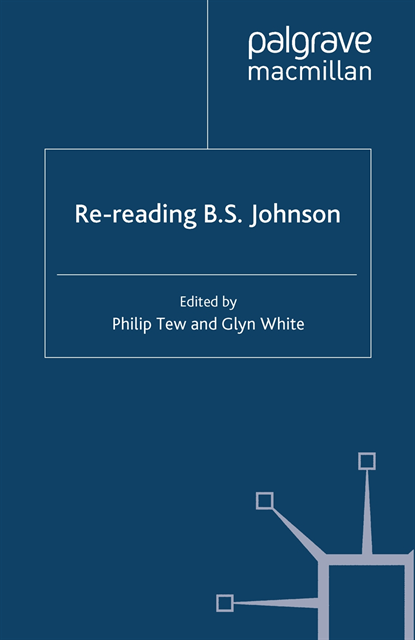
Re-reading B. S. Johnson
E-bok, 2015
868 kr
Lägg i varukorg
Growing academic interest and the republication of B.S. Johnson''s major works have been reinforced by Coe''s award-winning biography Like A Fiery Elephant (2004). With a preface by Coe, this collection, co-edited by two leading Johnson scholars, offers an annotated bibliography, a chronology and …
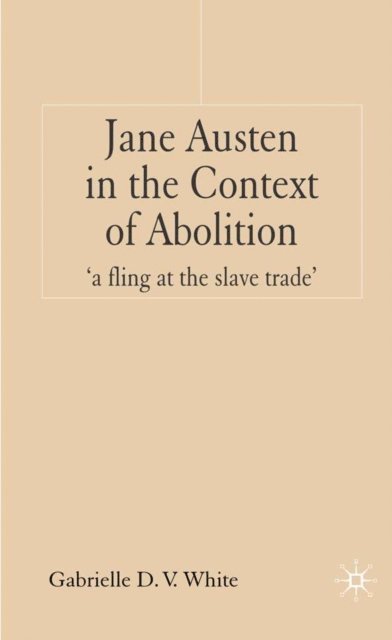
Jane Austen in the Context of Abolition
''a fling at the slave trade''
Av G. White
E-bok, 2005
896 kr
Lägg i varukorg
This wide-ranging and convincingly argued study looks at the issues of and attitudes towards slavery in Jane Austen''s later novels and culture, and argues against Edward Said''s critique of Jane Austen as a supporter of colonialism and slavery. White suggests that Austen is both concerned and …
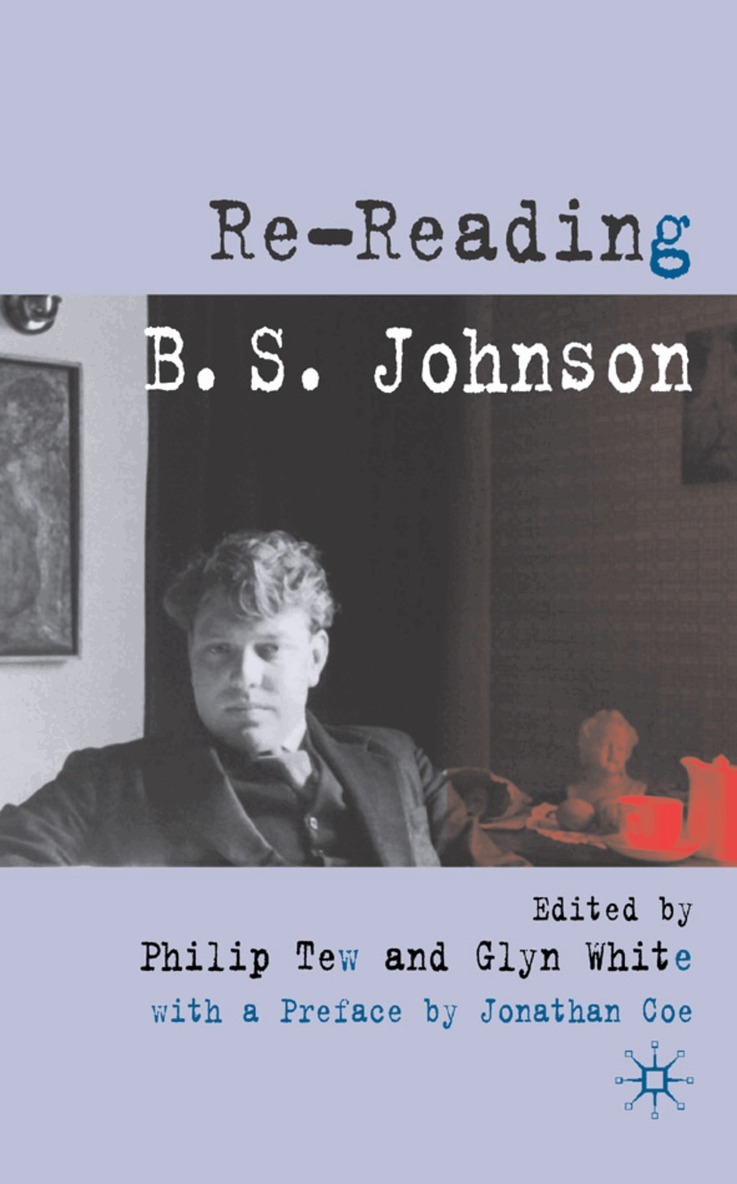
Re-reading B. S. Johnson
Inbunden, 2007
635 kr
Lägg i varukorg
Growing academic interest and the republication of B.S. Johnson's major works have been reinforced by Coe's award-winning biography Like A Fiery Elephant (2004). With a preface by Coe, this collection, co-edited by two leading Johnson scholars, offers an annotated bibliography, a chronology and …
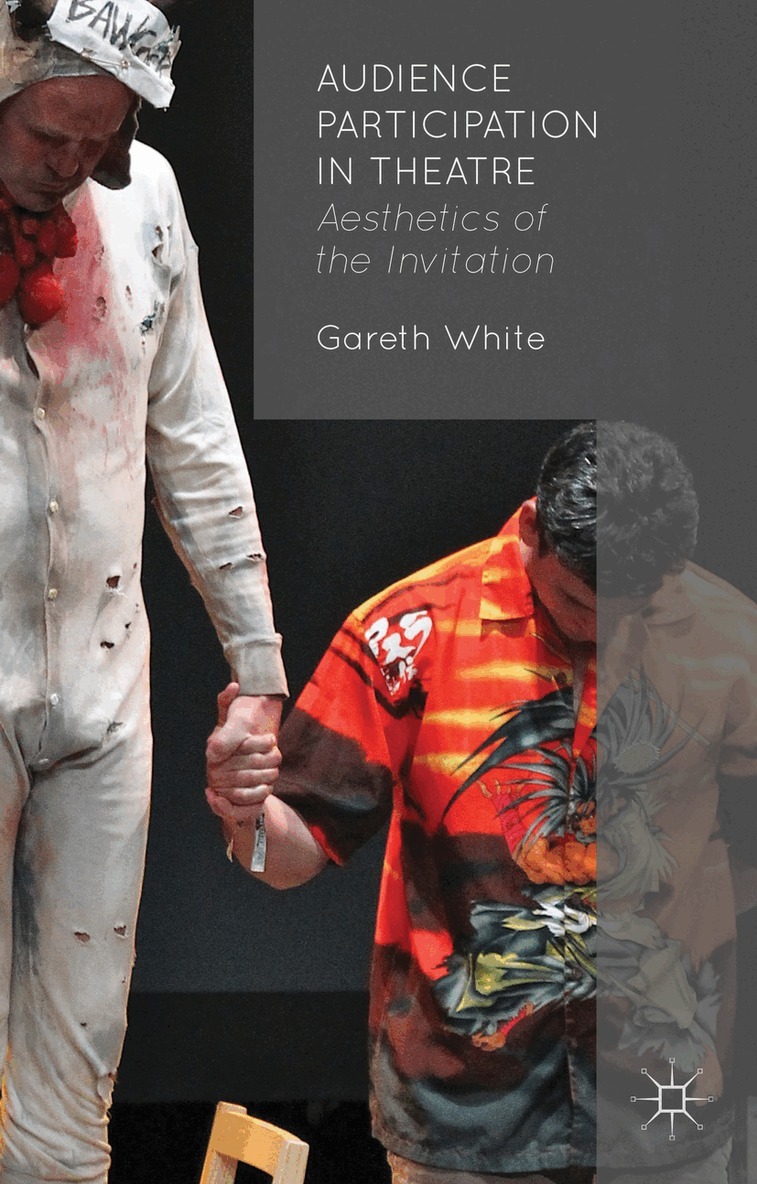
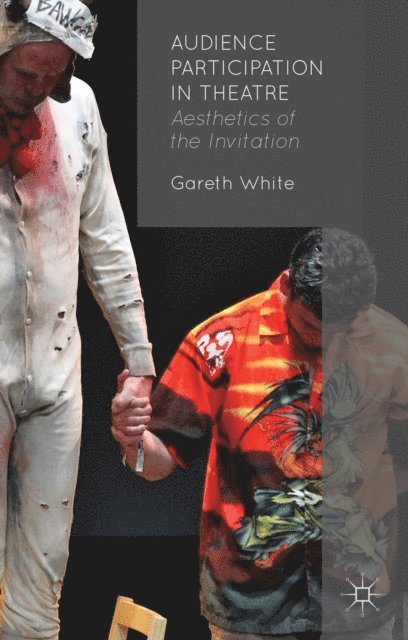
Audience Participation in Theatre
Aesthetics of the Invitation
Av G. White
Inbunden, 2013
1207 kr
Lägg i varukorg
This book asks that we consider the practices that facilitate audience participation on equal terms with other elements of the theatre maker's art; it offers a theoretical basis for this new approach, illustrated by examples from diverse participatory performances.
Audience Participation in Theatre
Aesthetics of the Invitation
Av G. White
E-bok, 2013
1476 kr
Lägg i varukorg
This book asks that we consider the practices that facilitate audience participation on equal terms with other elements of the theatre maker''s art; it offers a theoretical basis for this new approach, illustrated by examples from diverse participatory performances.
Re-reading B. S. Johnson
Häftad, 2007
635 kr
Lägg i varukorg
Growing academic interest and the republication of B.S. Johnson's major works have been reinforced by Coe's award-winning biography Like A Fiery Elephant (2004). With a preface by Coe, this collection, co-edited by two leading Johnson scholars, offers an annotated bibliography, a chronology and …
Jane Austen in the Context of Abolition
'a fling at the slave trade'
Av G. White
Häftad, 2006
635 kr
Lägg i varukorg
This wide-ranging and convincingly argued study looks at the issues of and attitudes towards slavery in Jane Austen's later novels and culture, and argues against Edward Said's critique of Jane Austen as a supporter of colonialism and slavery. White suggests that Austen is both concerned and …
Jane Austen in the Context of Abolition
'a fling at the slave trade'
Av G. White
Inbunden, 2005
635 kr
Lägg i varukorg
This wide-ranging and convincingly argued study looks at the issues of and attitudes towards slavery in Jane Austen's later novels and culture, and argues against Edward Said's critique of Jane Austen as a supporter of colonialism and slavery. White suggests that Austen is both concerned and …
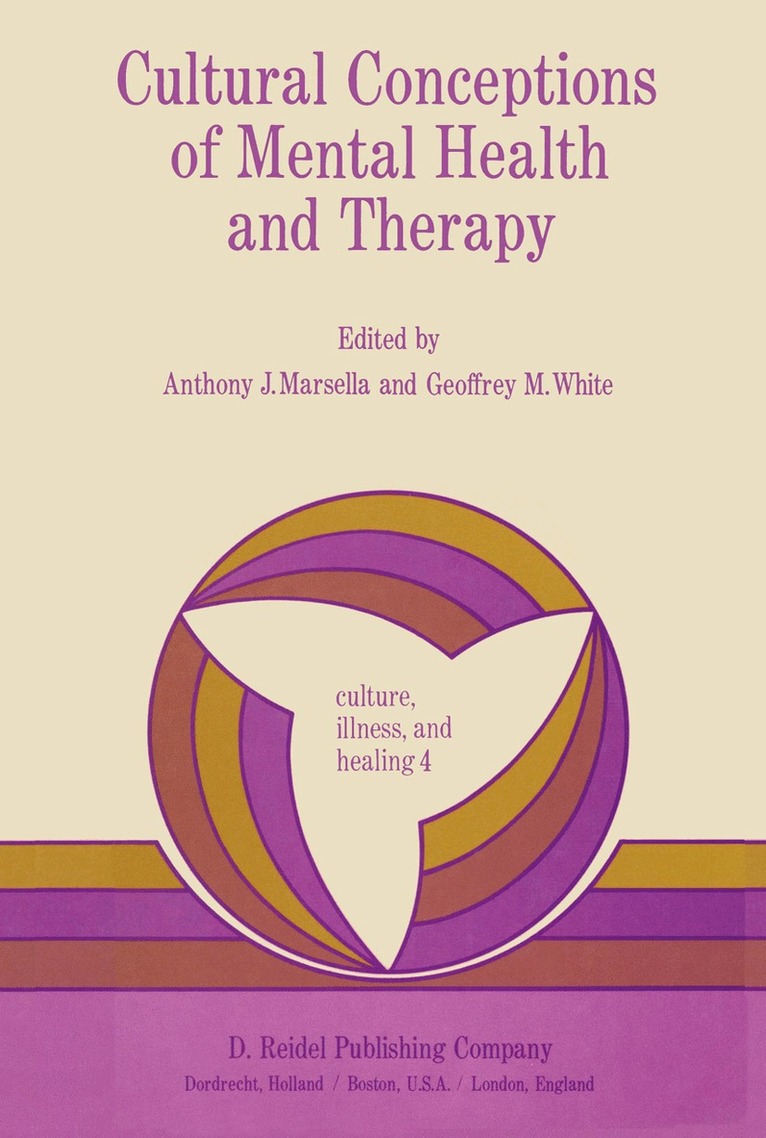
Cultural Conceptions of Mental Health and Therapy
Av Anthony J. Marsella, G. White
Häftad, 1984
1693 kr
Lägg i varukorg
Within the past two decades, there has been an increased interest in the study of culture and mental health relationships. This interest has extended across many academic and professional disciplines, including anthropology, psychology, sociology, psychiatry, public health and social work, and has …
Cultural Conceptions of Mental Health and Therapy
Av G. White, Anthony J. Marsella
E-bok, 2012
2174 kr
Lägg i varukorg
Within the past two decades, there has been an increased interest in the study of culture and mental health relationships. This interest has extended across many academic and professional disciplines, including anthropology, psychology, sociology, psychiatry, public health and social work, and has …