Gabriel Trop – författare
Visar alla böcker från författaren Gabriel Trop. Handla med fri frakt och snabb leverans.
6 produkter
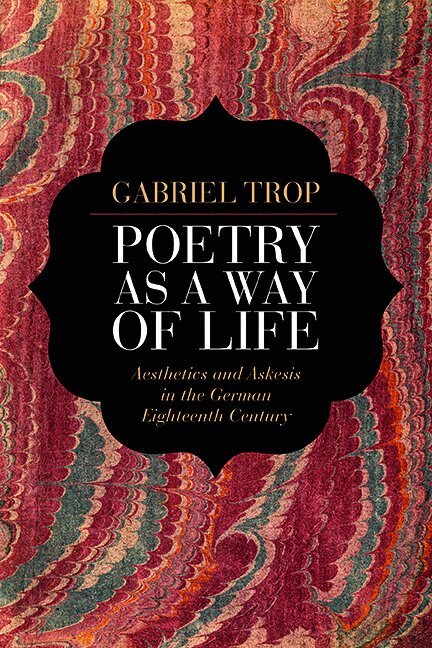
Poetry As a Way of Life
Aesthetics and Askesis in the German Eighteenth Century
Av Gabriel Trop
Häftad, 2015
505 kr
Lägg i varukorg
What would it mean to make a work of art the focal point of one’s life practice? Poetry as a Way of Life goes back to the origins of aesthetics as a philosophical discipline in the early eighteenth century in order to uncover an understanding of the work of art as an exercise of the self. Engaging …
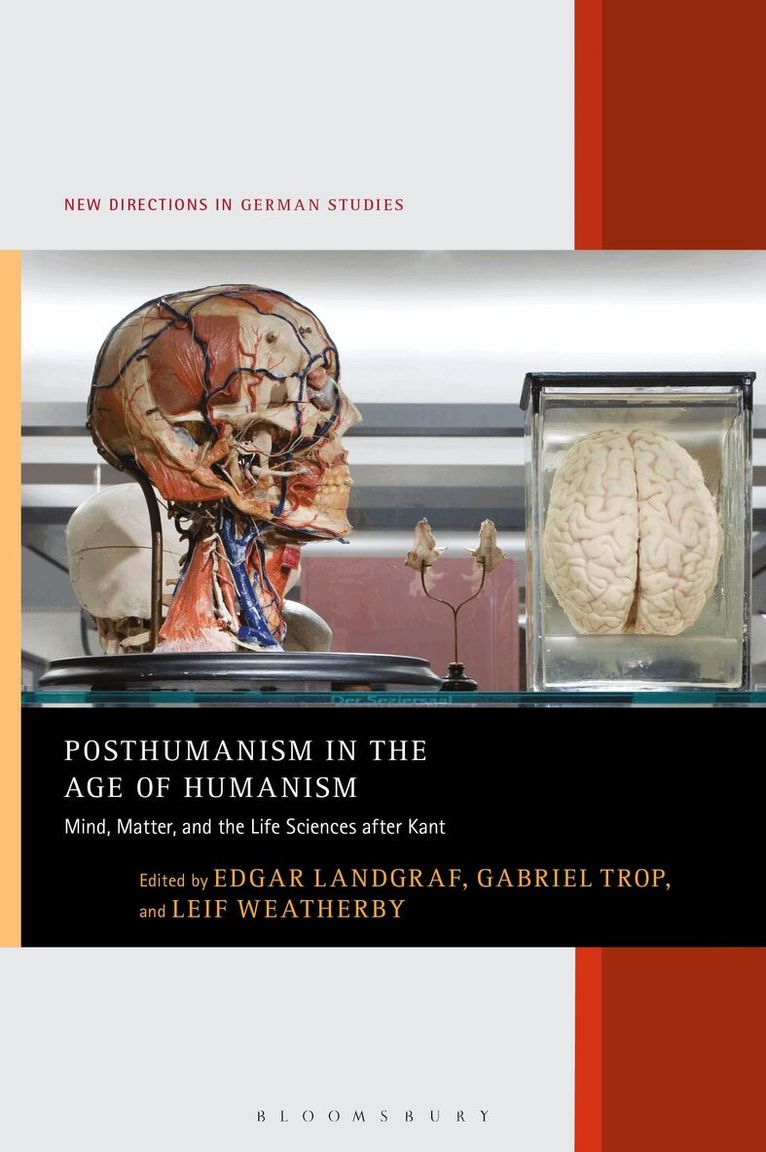
Posthumanism in the Age of Humanism
Mind, Matter, and the Life Sciences after Kant
Av Edgar Landgraf, Gabriel Trop m. fl.
Inbunden, 2018
2113 kr
Lägg i varukorg
The literary and scientific renaissance that struck Germany around 1800 is usually taken to be the cradle of contemporary humanism. Posthumanism in the Age of Humanism shows how figures like Immanuel Kant and Johann Wolfgang Goethe as well as scientists specializing in the emerging modern life and …
Posthumanism in the Age of Humanism
Mind, Matter, and the Life Sciences After Kant
Av Edgar Landgraf, Gabriel Trop m. fl.
E-bok, 2018
610 kr
Lägg i varukorg
The literary and scientific renaissance that struck Germany around 1800 is usually taken to be the cradle of contemporary humanism. Posthumanism in the Age of Humanism shows how figures like Immanuel Kant and Johann Wolfgang Goethe as well as scientists specializing in the emerging modern life and …
Posthumanism in the Age of Humanism
Mind, Matter, and the Life Sciences After Kant
Av Edgar Landgraf, Gabriel Trop m. fl.
E-bok, 2018
610 kr
Lägg i varukorg
The literary and scientific renaissance that struck Germany around 1800 is usually taken to be the cradle of contemporary humanism. Posthumanism in the Age of Humanism shows how figures like Immanuel Kant and Johann Wolfgang Goethe as well as scientists specializing in the emerging modern life and …
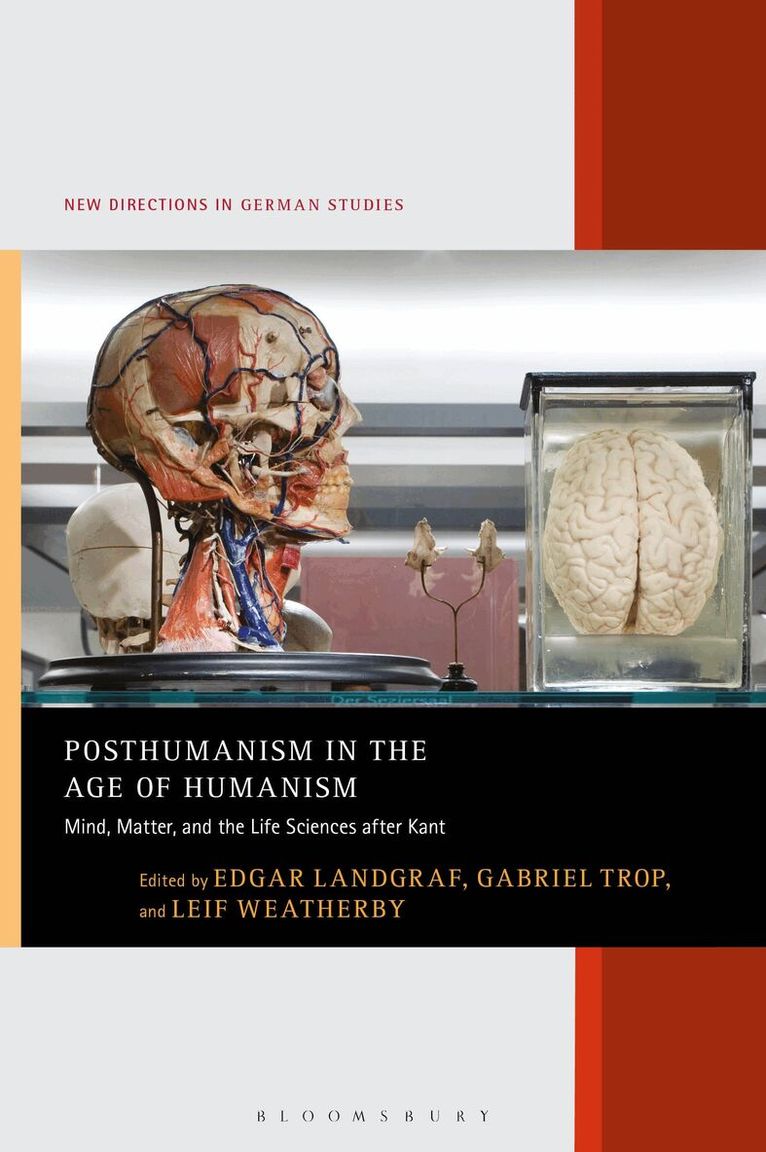
Posthumanism in the Age of Humanism
Mind, Matter, and the Life Sciences after Kant
Av Edgar Landgraf, Gabriel Trop m. fl.
Häftad, 2020
559 kr
Lägg i varukorg
The literary and scientific renaissance that struck Germany around 1800 is usually taken to be the cradle of contemporary humanism. Posthumanism in the Age of Humanism shows how figures like Immanuel Kant and Johann Wolfgang Goethe as well as scientists specializing in the emerging modern life and …
Poetry As a Way of Life
Aesthetics and Askesis in the German Eighteenth Century
Av Gabriel Trop
Inbunden, 2015
1548 kr
Tillfälligt slut
What would it mean to make a work of art the focal point of one's life practice?Poetry as a Way of Life goes back to the origins of aesthetics as a philosophical discipline in the early eighteenth century in order to uncover an understanding of the work of art as an exercise of the self. Engaging …