Edgar Landgraf - Böcker
Visar alla böcker från författaren Edgar Landgraf. Handla med fri frakt och snabb leverans.
7 produkter
7 produkter
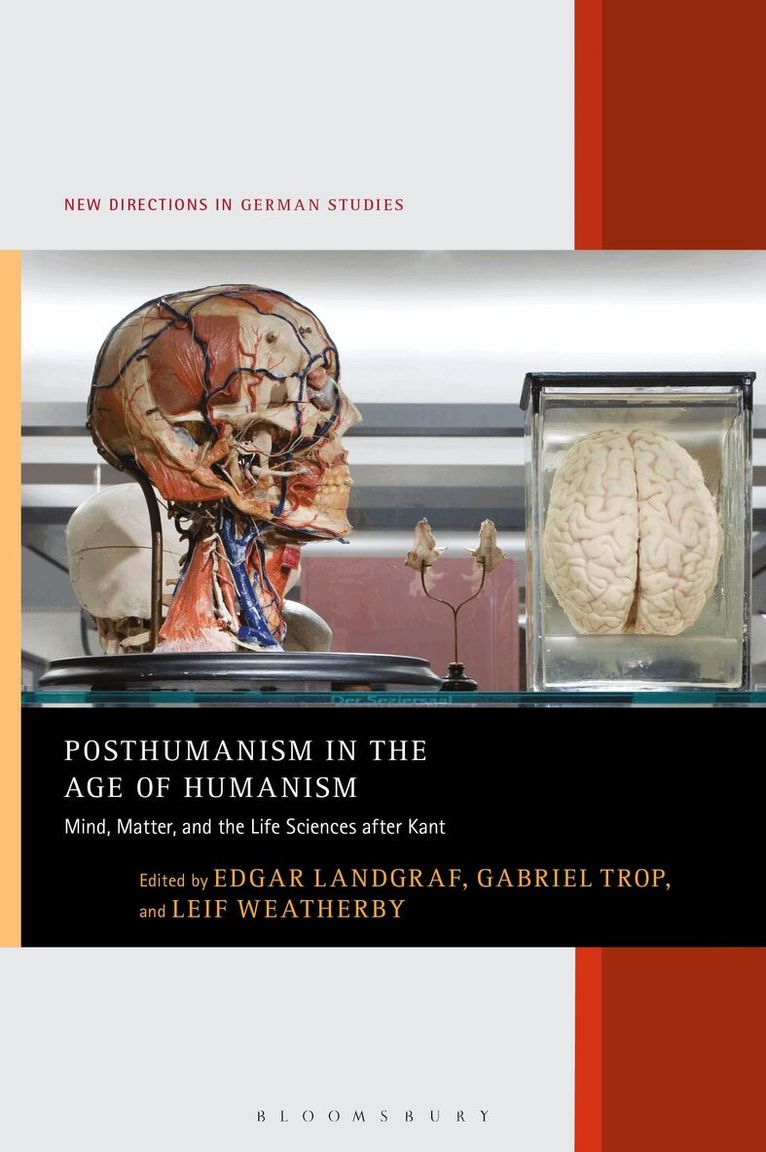
Posthumanism in the Age of Humanism
Mind, Matter, and the Life Sciences after Kant
Inbunden, Engelska, 2018
1 958 kr
Skickas inom 10-15 vardagar
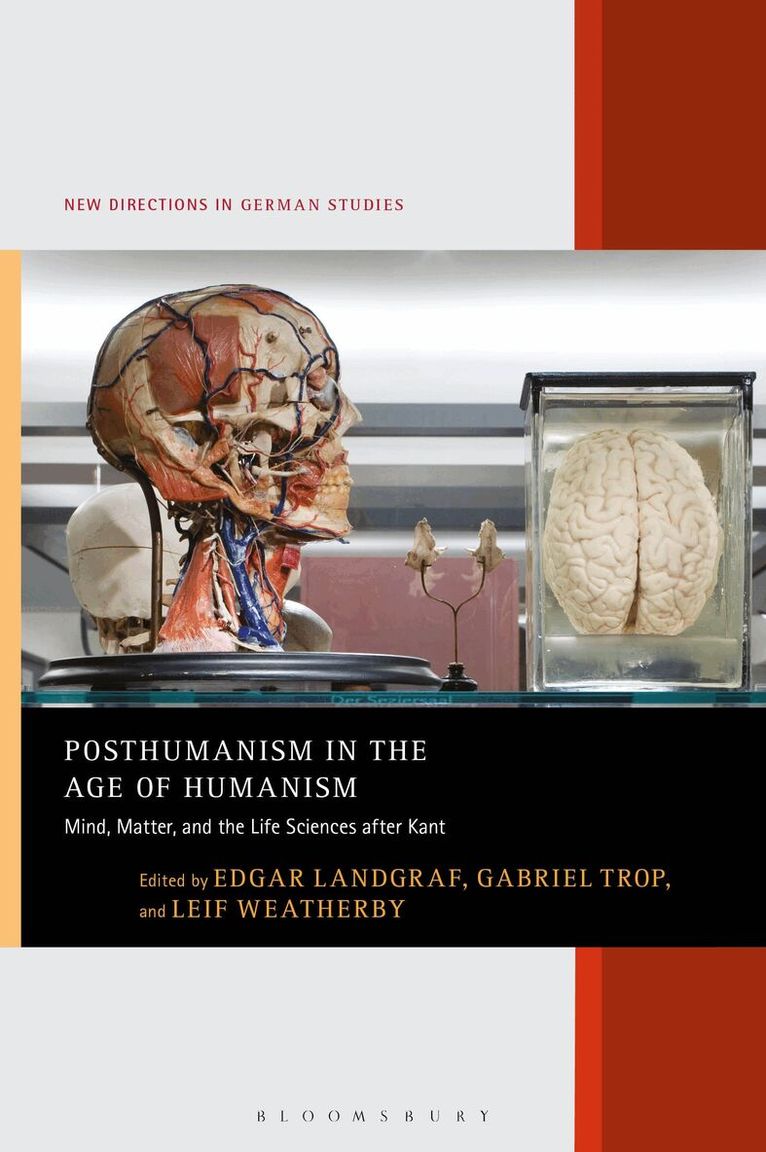
The literary and scientific renaissance that struck Germany around 1800 is usually taken to be the cradle of contemporary humanism. Posthumanism in the Age of Humanism shows how figures like Immanuel Kant and Johann Wolfgang Goethe as well as scientists specializing in the emerging modern life and cognitive sciences not only established but also transgressed the boundaries of the “human.” This period so broadly painted as humanist by proponents and detractors alike also grappled with ways of challenging some of humanism’s most cherished assumptions: the dualisms, for example, between freedom and nature, science and art, matter and spirit, mind and body, and thereby also between the human and the nonhuman. Posthumanism is older than we think, and the so-called “humanists” of the late Enlightenment have much to offer our contemporary re-thinking of the human.
Posthumanism in the Age of Humanism
Mind, Matter, and the Life Sciences after Kant
Häftad, Engelska, 2020
530 kr
Skickas inom 10-15 vardagar
The literary and scientific renaissance that struck Germany around 1800 is usually taken to be the cradle of contemporary humanism. Posthumanism in the Age of Humanism shows how figures like Immanuel Kant and Johann Wolfgang Goethe as well as scientists specializing in the emerging modern life and cognitive sciences not only established but also transgressed the boundaries of the “human.” This period so broadly painted as humanist by proponents and detractors alike also grappled with ways of challenging some of humanism’s most cherished assumptions: the dualisms, for example, between freedom and nature, science and art, matter and spirit, mind and body, and thereby also between the human and the nonhuman. Posthumanism is older than we think, and the so-called “humanists” of the late Enlightenment have much to offer our contemporary re-thinking of the human.
1 186 kr
Skickas inom 7-10 vardagar
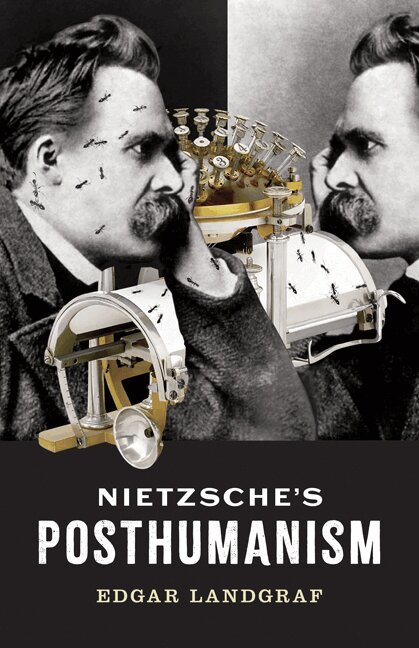
A timely and trenchant commentary on the centrality of Nietzsche’s thought for our time While many posthumanists claim Nietzsche as one of their own, rarely do they engage his philosophy in any real depth. Nietzsche’s Posthumanism addresses this need by exploring the continuities and disagreements between Nietzsche’s philosophy and contemporary posthumanism. Focusing specifically on Nietzsche’s reception of the life sciences of his day and his reflections on technology-research areas as central to Nietzsche’s work as they are to posthumanism-Edgar Landgraf provides fresh readings of Nietzsche and a critique of post- and transhumanist philosophies. Through Landgraf’s inquiry, lesser-known aspects of Nietzsche’s writings emerge, including the neurophysiological basis of his epistemology (which anticipates contemporary debates on embodiment), his concerns with insects and the emergent social properties they exhibit, and his reflections on the hominization and cultivation effects of technology. In the process, Landgraf challenges major commonplaces about Nietzsche’s philosophy, including the idea that his social theory asserts the rights of “the strong” over “the weak.” The ethos of critical posthumanism also offers a new perspective on key ethical and political contentions of Nietzsche’s writings. Nietzsche’s Posthumanism presents a uniquely framed introduction to tenets of Nietzsche’s thought and major trends in posthumanism, making it an essential exploration for anyone invested in Nietzsche and his contemporary relevance, and in posthumanism and its genealogy. Retail e-book files for this title are screen-reader friendly.
282 kr
Skickas inom 7-10 vardagar
A timely and trenchant commentary on the centrality of Nietzsche’s thought for our time While many posthumanists claim Nietzsche as one of their own, rarely do they engage his philosophy in any real depth. Nietzsche’s Posthumanism addresses this need by exploring the continuities and disagreements between Nietzsche’s philosophy and contemporary posthumanism. Focusing specifically on Nietzsche’s reception of the life sciences of his day and his reflections on technology-research areas as central to Nietzsche’s work as they are to posthumanism-Edgar Landgraf provides fresh readings of Nietzsche and a critique of post- and transhumanist philosophies. Through Landgraf’s inquiry, lesser-known aspects of Nietzsche’s writings emerge, including the neurophysiological basis of his epistemology (which anticipates contemporary debates on embodiment), his concerns with insects and the emergent social properties they exhibit, and his reflections on the hominization and cultivation effects of technology. In the process, Landgraf challenges major commonplaces about Nietzsche’s philosophy, including the idea that his social theory asserts the rights of “the strong” over “the weak.” The ethos of critical posthumanism also offers a new perspective on key ethical and political contentions of Nietzsche’s writings. Nietzsche’s Posthumanism presents a uniquely framed introduction to tenets of Nietzsche’s thought and major trends in posthumanism, making it an essential exploration for anyone invested in Nietzsche and his contemporary relevance, and in posthumanism and its genealogy. Retail e-book files for this title are screen-reader friendly.
453 kr
Skickas inom 10-15 vardagar
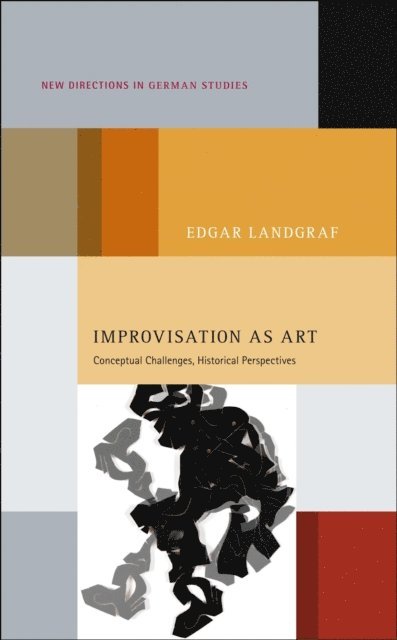
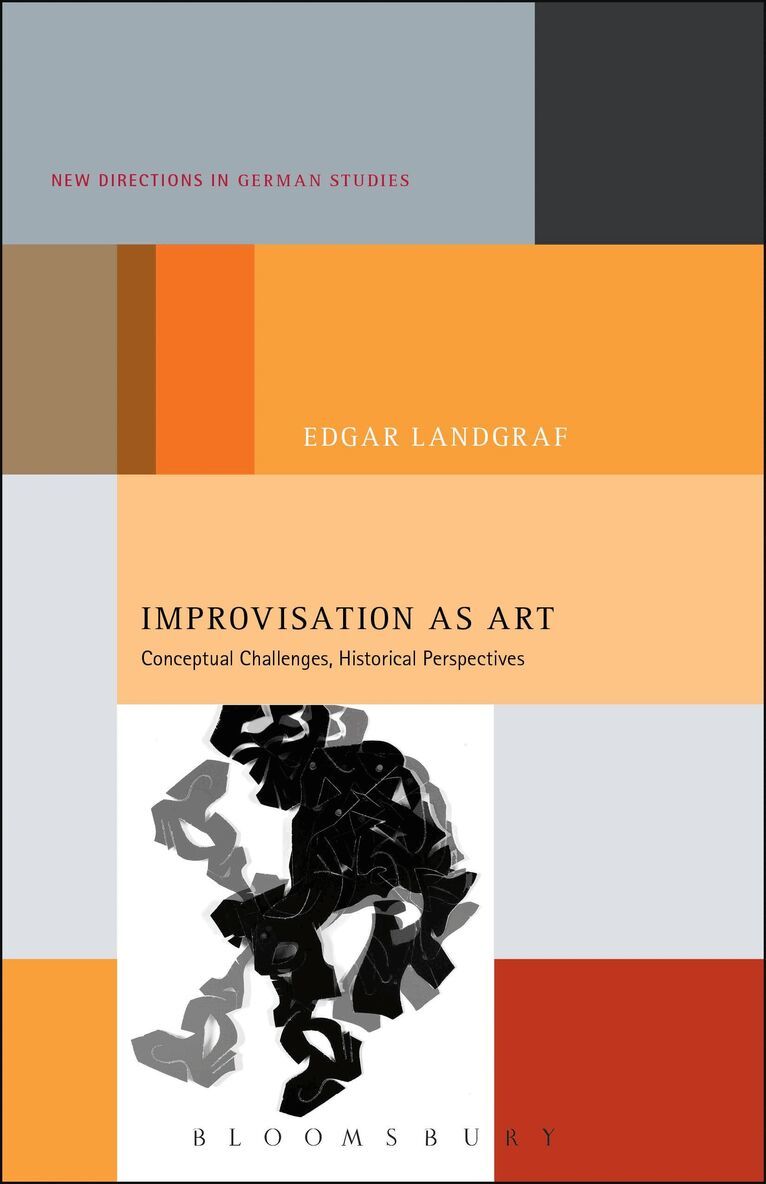
Improvisation as Art traces how modernity's emphasis on inventiveness has changed the meaning of improvisation; and how the ideals and laws that led improvisation to be banned from "high art" in the eighteenth century simultaneously enabled the inventive reintegration of improvisation into modernism. After an in-depth exploration of contemporary theoretical contentions surrounding improvisation, Landgraf examines how the new emphasis on inventiveness affects the understanding of improvisation in the emerging aesthetic and anthropological discourses of the late 18th and early 19th centuries. He first focuses on accounts of improvisational performances by Moritz, Goethe, and Fernow and reads them alongside the aesthetics of autonomy as it develops at the same time. In its second half, the book investigates how the problem of "planning" art receives a different treatment in German Romanticism. The final chapter focuses on the writings of Heinrich von Kleist where improvisation presents a central aesthetic principle. Kleist's figurations of improvisation recognize the anthropological predicament of the self in modern society and the social constraints that invite and often force individuals to improvise.
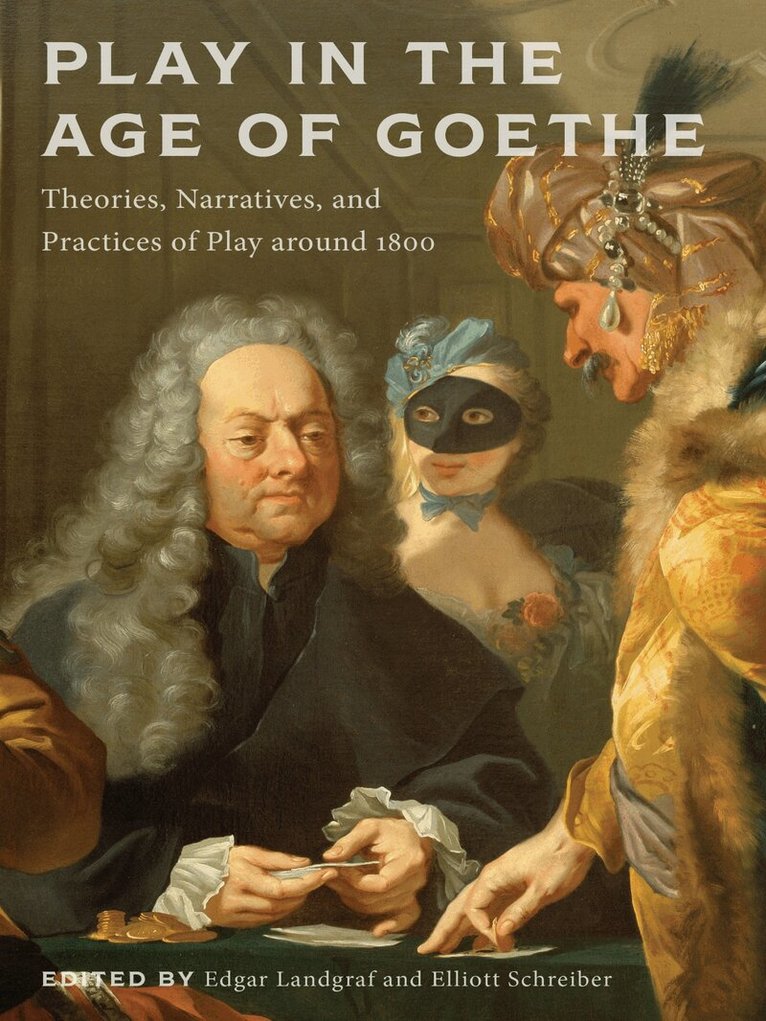
Play in the Age of Goethe
Theories, Narratives, and Practices of Play Around 1800
Häftad, Engelska, 2020
505 kr
Skickas inom 7-10 vardagar
We are inundated with game play today. Digital devices offer opportunities to play almost anywhere and anytime. No matter our age, gender, social, cultural, or educational background—we play. Play in the Age of Goethe: Theories, Narratives, and Practices of Play around 1800 is the first book-length work to explore how the modern discourse of play was first shaped during this pivotal period (approximately 1770-1830). The eleven chapters illuminate critical developments in the philosophy, pedagogy, psychology, politics, and poetics of play as evident in the work of major authors of the period including Lessing, Goethe, Kant, Schiller, Pestalozzi, Jacobi, Tieck, Jean Paul, Schleiermacher, and Fröbel. While drawing on more recent theories of play by thinkers such as Jean Piaget, Donald Winnicott, Jost Trier, Gregory Bateson, Jacques Derrida, Thomas Henricks, and Patrick Jagoda, the volume shows the debates around play in German letters of this period to be far richer and more complex than previously thought, as well as more relevant for our current engagement with play. Indeed, modern debates about what constitutes good rather than bad practices of play can be traced to these foundational discourses. Published by Bucknell University Press. Distributed worldwide by Rutgers University Press.
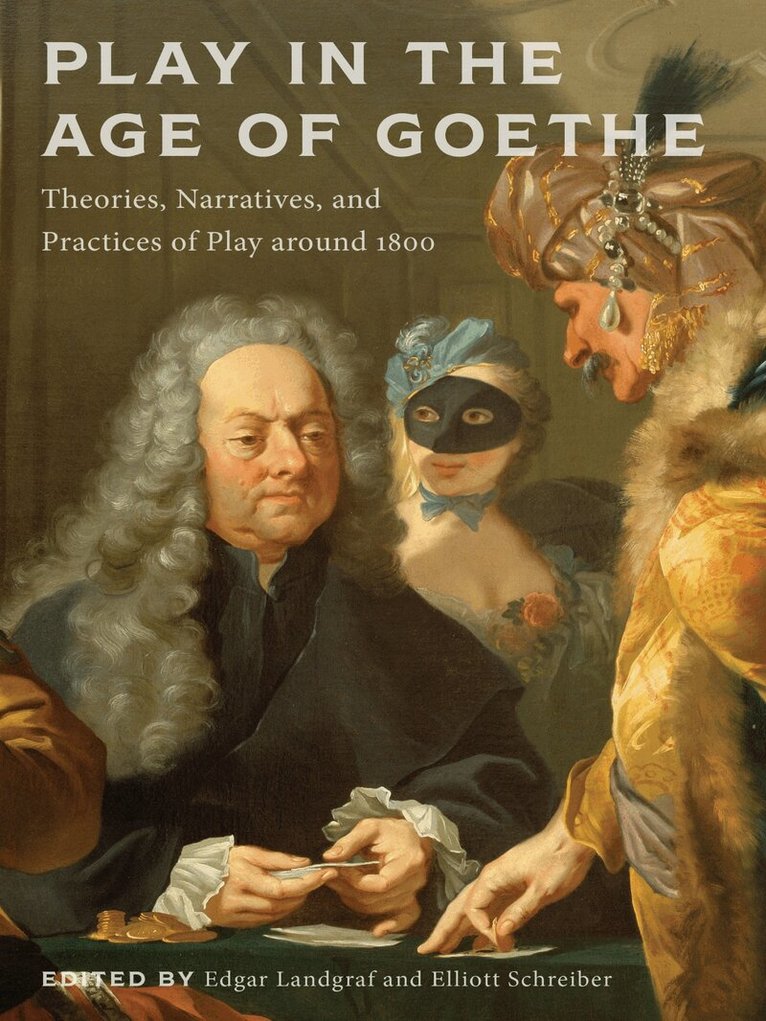
Play in the Age of Goethe
Theories, Narratives, and Practices of Play Around 1800
Inbunden, Engelska, 2020
1 815 kr
Skickas inom 7-10 vardagar
We are inundated with game play today. Digital devices offer opportunities to play almost anywhere and anytime. No matter our age, gender, social, cultural, or educational background—we play. Play in the Age of Goethe: Theories, Narratives, and Practices of Play around 1800 is the first book-length work to explore how the modern discourse of play was first shaped during this pivotal period (approximately 1770-1830). The eleven chapters illuminate critical developments in the philosophy, pedagogy, psychology, politics, and poetics of play as evident in the work of major authors of the period including Lessing, Goethe, Kant, Schiller, Pestalozzi, Jacobi, Tieck, Jean Paul, Schleiermacher, and Fröbel. While drawing on more recent theories of play by thinkers such as Jean Piaget, Donald Winnicott, Jost Trier, Gregory Bateson, Jacques Derrida, Thomas Henricks, and Patrick Jagoda, the volume shows the debates around play in German letters of this period to be far richer and more complex than previously thought, as well as more relevant for our current engagement with play. Indeed, modern debates about what constitutes good rather than bad practices of play can be traced to these foundational discourses. Published by Bucknell University Press. Distributed worldwide by Rutgers University Press.