Gabriella Romani – författare
Visar alla böcker från författaren Gabriella Romani. Handla med fri frakt och snabb leverans.
10 produkter
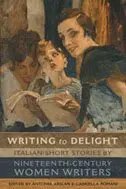
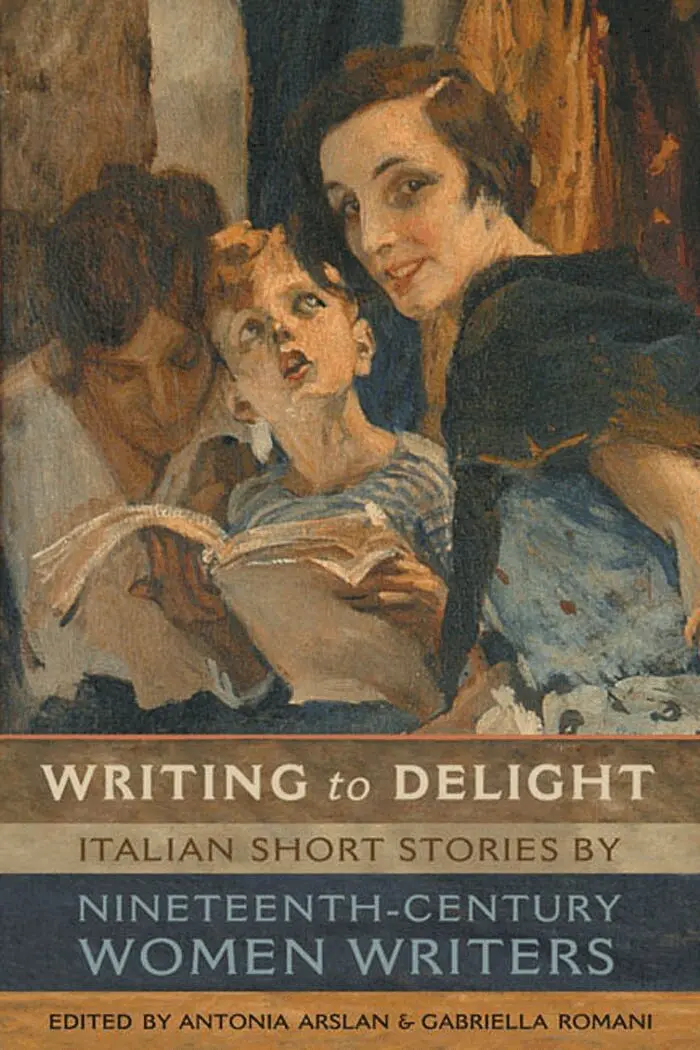
Writing to Delight
Italian Short Stories by Nineteenth-Century Women Writers
Av Antonia Arslan, Gabriella Romani
Häftad, 2006
540 kr
Lägg i varukorg
The nineteenth century represents a crucial historical and cultural phase in the development of modern Italy. Writing to Delight provides a selection of short stories written by some of the most accomplished and acclaimed female authors of nineteenth-century Italy, made available to an …
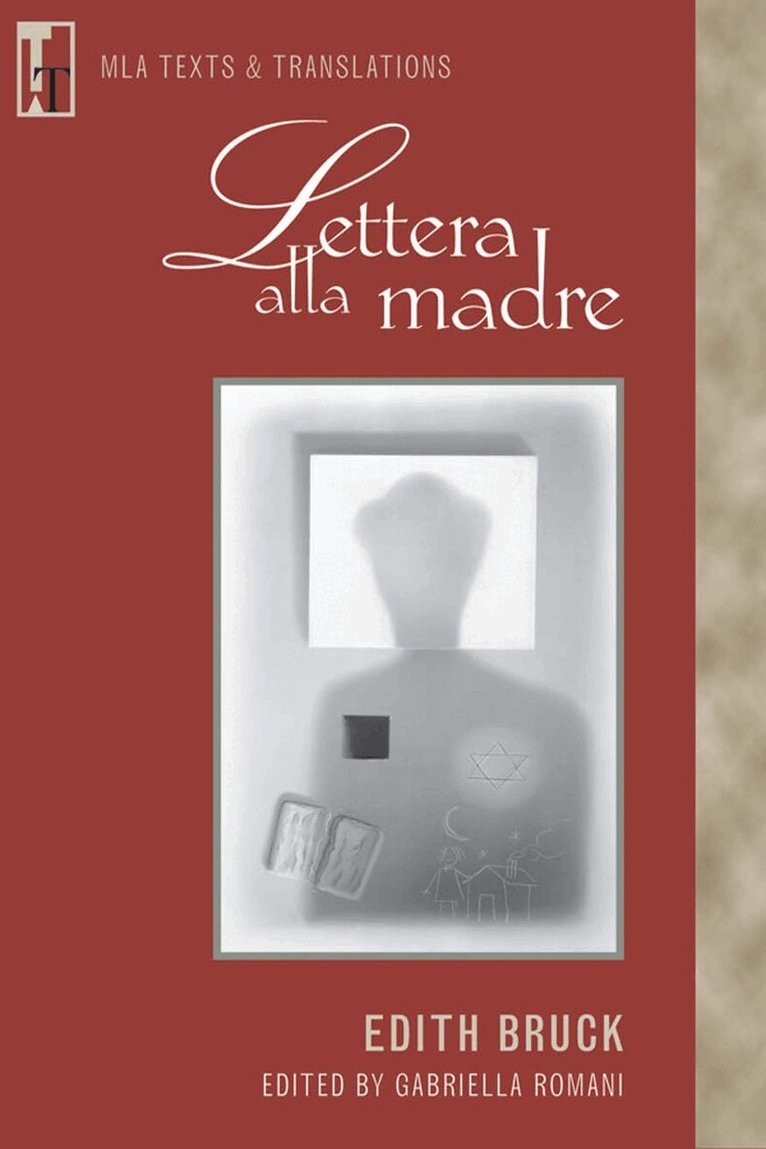
Lettera Alla Madre
Av Modern Language Association, Gabriella Romani
Häftad, 2006
382 kr
Lägg i varukorg
Through literary works and public appearances, Edith Bruck, born 1932 in Hungary, has devoted her life to bearing witness to what she experienced in the Nazi concentration camps. In 1954 she settled in Rome and is today the most prolific writer of Holocaust narrative in Italian. The book is …
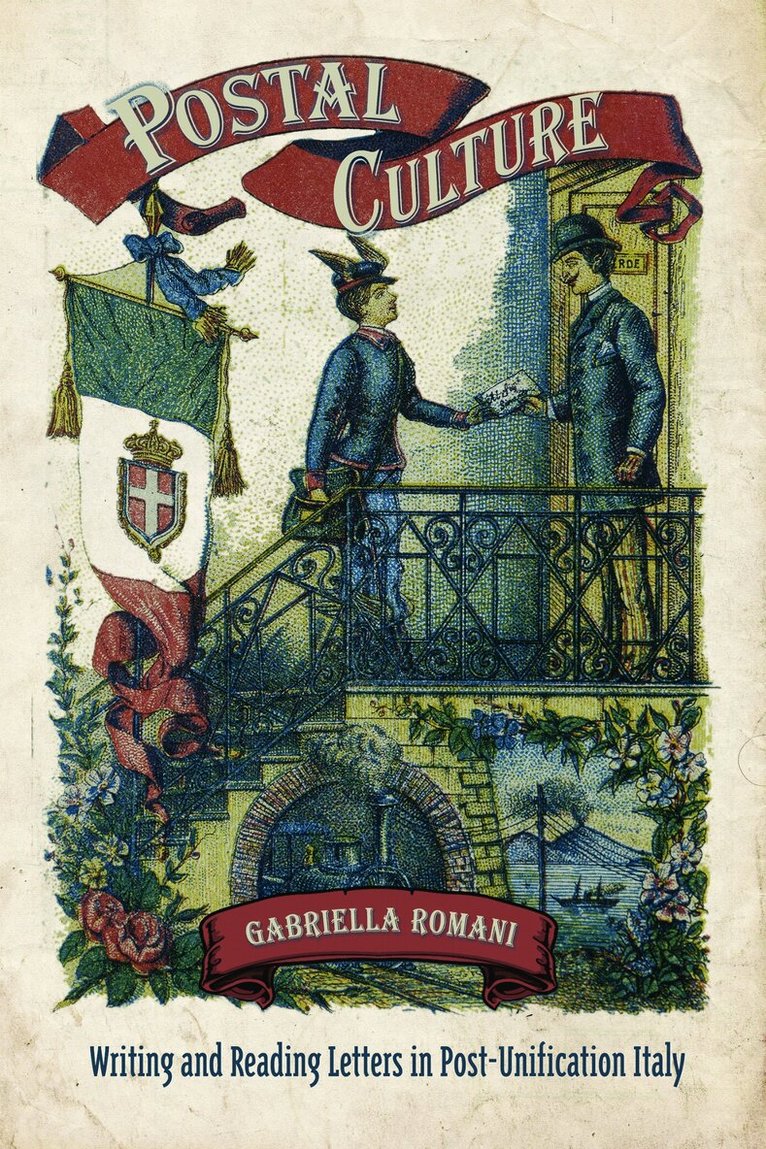
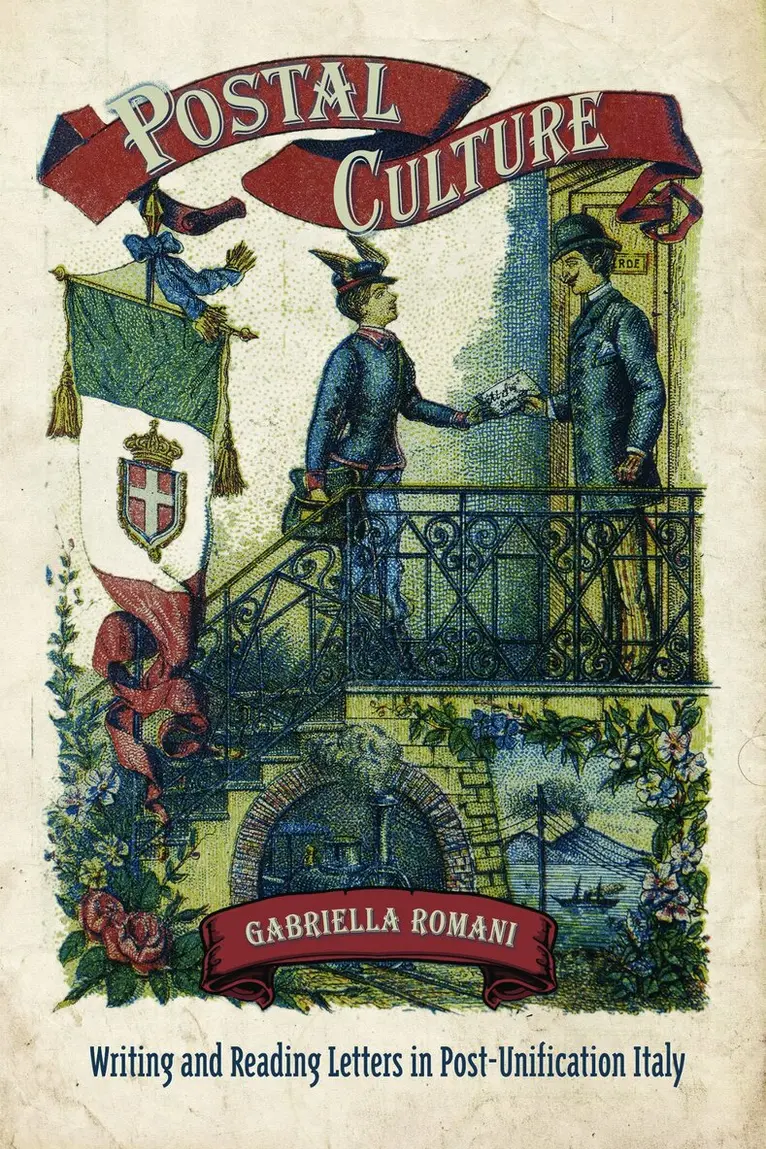
Postal Culture
Writing and Reading Letters in Post-Unification Italy
Inbunden, 2013
870 kr
Lägg i varukorg
The nationalization of the postal service in Italy transformed post-unification letter writing as a cultural medium. Both a harbinger of progress and an expanded, more efficient means of circulating information, the national postal service served as a bridge between the private world of personal …
Postal Culture
Writing and Reading Letters in Post-Unification Italy
E-bok, 2013
1125 kr
Lägg i varukorg
The nationalization of the postal service in Italy transformed post-unification letter writing as a cultural medium. Both a harbinger of progress and an expanded, more efficient means of circulating information, the national postal service served as a bridge between the private world of personal …
Postal Culture
Writing and Reading Letters in Post-Unification Italy
E-bok, 2013
1125 kr
Lägg i varukorg
The nationalization of the postal service in Italy transformed post-unification letter writing as a cultural medium. Both a harbinger of progress and an expanded, more efficient means of circulating information, the national postal service served as a bridge between the private world of personal …
Writing to Delight
Italian Short Stories by Nineteenth-Century Women Writers
Av Antonia Arslan, Gabriella Romani
E-bok, 2006
619 kr
Lägg i varukorg
The nineteenth century represents a crucial historical and cultural phase in the development of modern Italy. Writing to Delight provides a selection of short stories written by some of the most accomplished and acclaimed female authors of nineteenth-century Italy, made available to an …
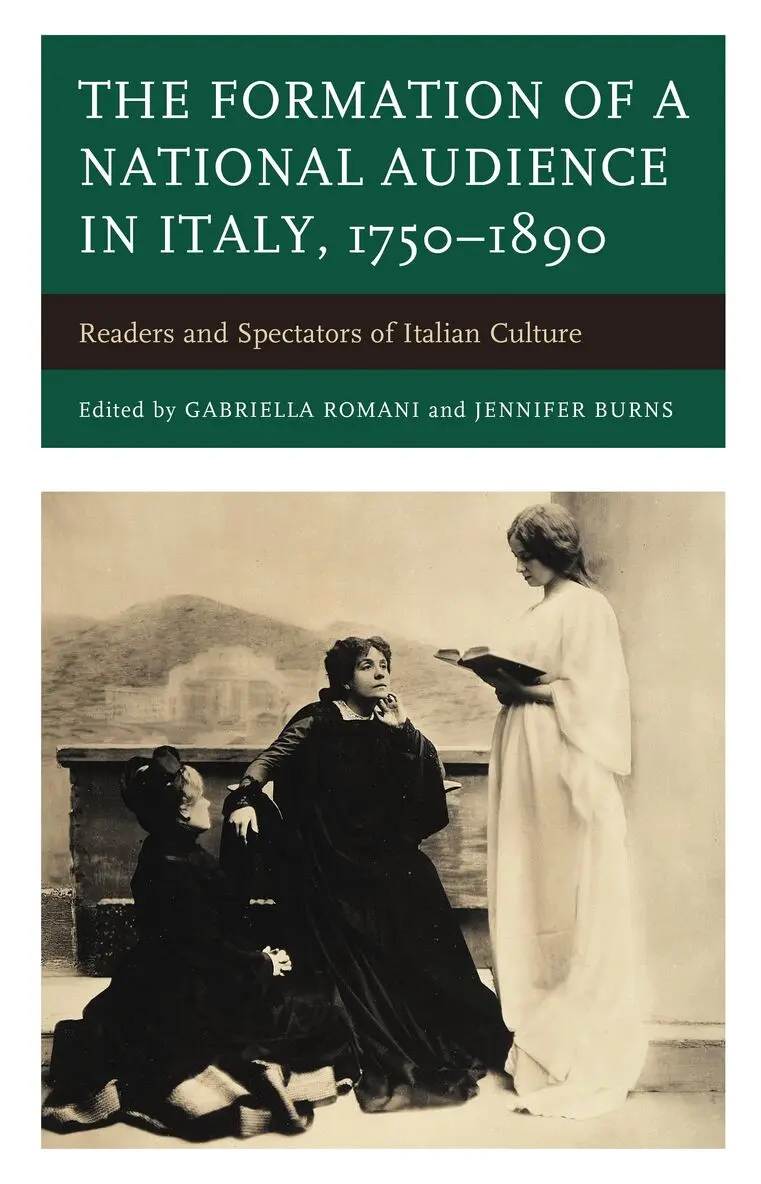
Formation of a National Audience in Italy, 1750–1890
Readers and Spectators of Italian Culture
Av Gabriella Romani, Jennifer Burns
Inbunden, 2017
1798 kr
Lägg i varukorg
The late eighteenth and the nineteenth centuries witness significant advancement in the production and, crucially, the consumption of culture in Italy. During the long process towards and beyond Italy becoming a nation-state in 1861, new modes of writing and performing – the novel, the self-help …
Formation of a National Audience in Italy, 1750–1890
Readers and Spectators of Italian Culture
Av Gabriella Romani, Jennifer Burns
E-bok, 2017
1972 kr
Lägg i varukorg
The late eighteenth and the nineteenth centuries witness significant advancement in the production and, crucially, the consumption of culture in Italy. During the long process towards and beyond Italy becoming a nation-state in 1861, new modes of writing and performing – the novel, the self-help …
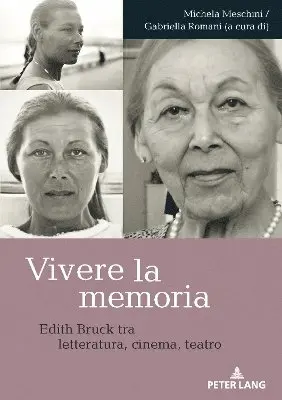
Vivere la memoria
Edith Bruck tra letteratura, cinema, teatro
Av Michela Meschini, Gabriella Romani
Häftad, 2025
469 kr
Lägg i varukorg
Edith Bruck, scrittrice e poetessa italiana di origine ungherese, rappresenta una delle voci più significative della letteratura della Shoah. Questo volume offre un’indagine ad ampio raggio sulla sua opera letteraria e sulle sue esperienze cinematografiche e teatrali, allo scopo di interrogarne la …
Writing to Delight
Italian Short Stories by Nineteenth-Century Women Writers
Av Antonia Arslan, Gabriella Romani
Inbunden, 2006
1185 kr
Tillfälligt slut
The nineteenth century represents a crucial historical and cultural phase in the development of modern Italy. Writing to Delight provides a selection of short stories written by some of the most accomplished and acclaimed female authors of nineteenth-century Italy, made available to an …