• Fri frakt över 249 kr
  • •
  • Snabba leveranser
  • •
  • Billiga böcker
Kundservice

Du är på sajten för privatpersoner.

Företag, bibliotek eller offentlig verksamhet?

Du handlar på classic.bokus.com, där alla dina funktioner finns intakta.
Till classic.bokus.com
Bokus logotyp. Gå till startsidan.
  • Erbjudanden
  • Nyheter
  • Student
  • Topplistor
  • Barn & ungdom
  • Bokus Play
  • E-böcker
  • Pocketböcker
  • Spel & pussel

10% rabatt på allt med kod NYSTART10 →

Sidfot

Mina sidor

    Hjälp

    • Kundservice
    • Vanliga frågor och svar
    • Frakt och leverans
    • Retur vid ångerrätt
    • Reklamera vara
    • Betalning
    • Köpvillkor
    • Allmänna villkor
    • Information om webbplatsens tillgänglighet

    Om Bokus

    • Om oss
    • Pressrum
    • För studenter
    • För företag
    • För bibliotek och offentlig verksamhet
    • För leverantörer
    • Hållbarhet

    Populärt

    • Aktuella erbjudanden
    • Presentkort
    • Studentlitteratur
    • Nya böcker
    • Topplistor
    • Signerade böcker
    • Engelska böcker

    Inspiration

    • Boktips
    • BookTok
    • Populära bokserier
    • Barnbokskaraktärer
    • Populära författare
    Logotyp för Bokus
    Följ oss på Facebook (extern länk)Följ oss på Instagram (extern länk)Följ oss på YouTube (extern länk)Följ oss på TikTok (extern länk)
    bokus @ CookiesAnpassa cookiesIntegritetspolicyKöpvillkor
    Till Citymail hemsida (extern länk)Till Budbee hemsida (extern länk)Till Postnord hemsida (extern länk)Till Schenker hemsida (extern länk)Till Early Bird hemsida (extern länk)Till Walleys hemsida (extern länk)
    1. Historia och arkeologi
    2. Historia
    3. Europas historia

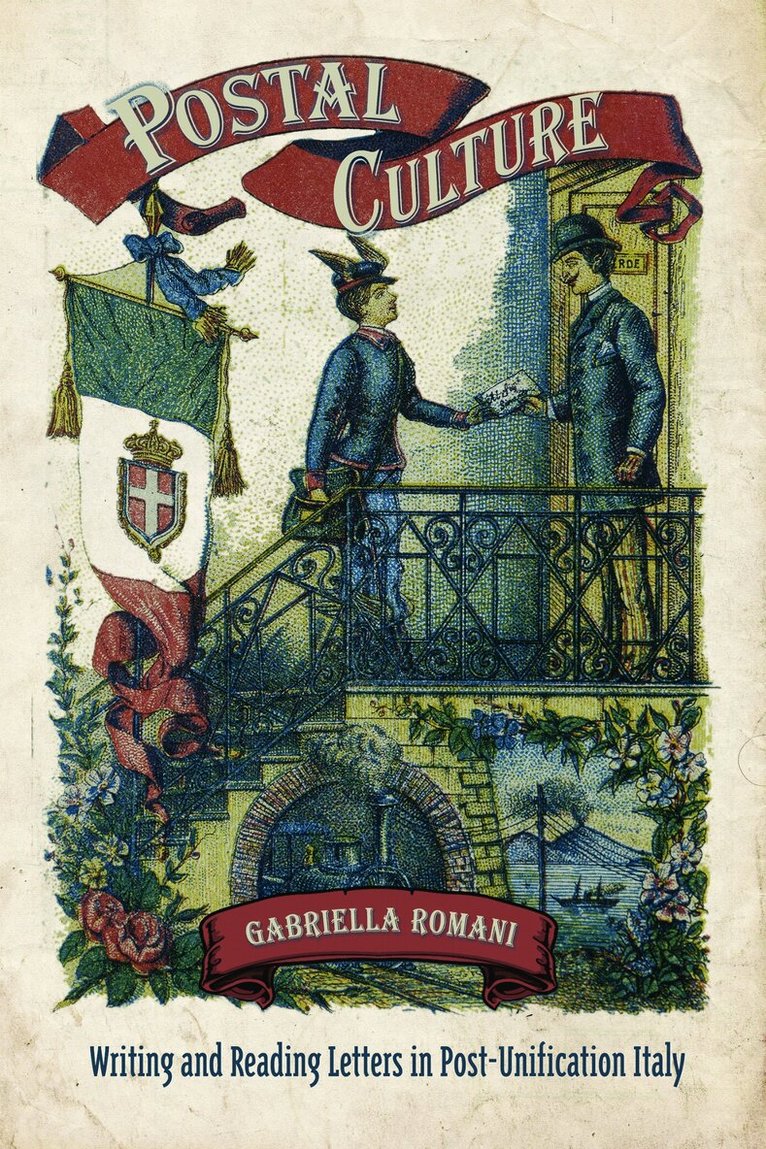
    Postal Culture

    Writing and Reading Letters in Post-Unification Italy

    AvGabriella Romani

    Inbunden, Engelska, 2013

    Del i serien Toronto Italian Studies

    850 kr

    Beställningsvara. Skickas inom 5-8 vardagar. Fri frakt över 249 kr.

    Fler format och utgåvor

    E-bok

    1 089 kr

    E-bok

    1 089 kr

    Beskrivning

    The nationalization of the postal service in Italy transformed post-unification letter writing as a cultural medium. Both a harbinger of progress and an expanded, more efficient means of circulating information, the national postal service served as a bridge between the private world of personal communication and the public arena of information exchange and production of public opinion.  As a growing number of people read and wrote letters, they became part of a larger community that regarded the letter not only as an important channel in the process of information exchange, but also as a necessary instrument in the education and modernization of the nation.In Postal Culture, Gabriella Romani examines the role of the letter in Italian literature, cultural production, communication, and politics. She argues that the reading and writing of letters, along with epistolary fiction, epistolary manuals, and correspondence published in newspapers, fostered a sense of community and national identity and thus became a force for social change.

    Produktinformation

    • Utgivningsdatum:2013-12-05
    • Mått:157 x 237 x 23 mm
    • Vikt:570 g
    • Format:Inbunden
    • Språk:Engelska
    • Serie:Toronto Italian Studies
    • Antal sidor:288
    • Förlag:University of Toronto Press
    • ISBN:9781442647084

    Utforska kategorier

    • Europas historia inom Historia och arkeologi
    • Genusvetenskap inom Samhälle och politik
    • Biografier inom Biografier

    Mer om författaren

    Gabriella Romani is an associate professor of Italian at Seton Hall University.

    Recensioner i media

    ‘Engaging and important book…. Romani’s ability to entre a cordial dialogue with other scholars and her keenness to place her research within wider contexts make this book an incredible resource.’- Maria Grazia Lolla (Modern Philology vol 113:02:2015) ‘This is a valuable study which firmly places letter-writing in its cultural context at an important time in Italian history and highlights its significance in the construction of national identity.’- Ursula Fanning (Modern Language Review vol 111:03:2016)

    Innehållsförteckning

    • Part I:Chapter I: Postal Culture after 1861: an IntroductionChapter II: Writing and Reading Letters: the Nationalization of the Italian Postal Service, Epistolary Manuals, and the Printed Media.Part II:Chapter III: Fictionalizing the Letter: Giovanni Verga’s Storia di una capinera.Chapter IV: CŒresponding with her Readers: the Sentimental Politics of Matilde Serao’s Epistolary Fiction.Chapter V: ConclusionsAppendix: Letters transcribed from newspapers:Ippolito Nievo: “Sulla convenienza per le fanciulle di adoperare anche nell’uso domestico la lingua comune italiana.” (La Ricamatrice)Pacifico Valussi: “La Donna italiana: Lettera I, II, III, IV, V” (La Ricamatrice)Caterina Percoto: “Memorie dal convento” I, II, III, IV (Giornale delle Famiglie)Matilde Serao, “La serva” (La Stampa)Marchesa Colombi, “La padrona” (La Stampa)Neera, “La donna libera” (L’Illustrazione Italiana)Marchesa Colombi, “La donna povera” (L’Illustrazione Italiana)Anna Maria Mozzoni, “Lettera aperta a Matilde Serao.” (La Lega della Democrazia)Matilde Serao, “Lettera aperta a Anna Maria Mozzoni.” (La Lega della Democrazia)BibliographyIndex