Gabriella Zarri – författare
Visar alla böcker från författaren Gabriella Zarri. Handla med fri frakt och snabb leverans.
4 produkter
Women and Faith
Catholic Religious Life in Italy from Late Antiquity to the Present
Av Lucetta Scaraffia, Gabriella Zarri
Inbunden, 1999
965 kr
Lägg i varukorg
Feminist thought has wrestled with the question of whether religion has been principally responsible for the oppression of women or instead has provided access to culture, public life, and--sometimes--power. This study of Italian women and Catholicism from the fourth through the twentieth century …
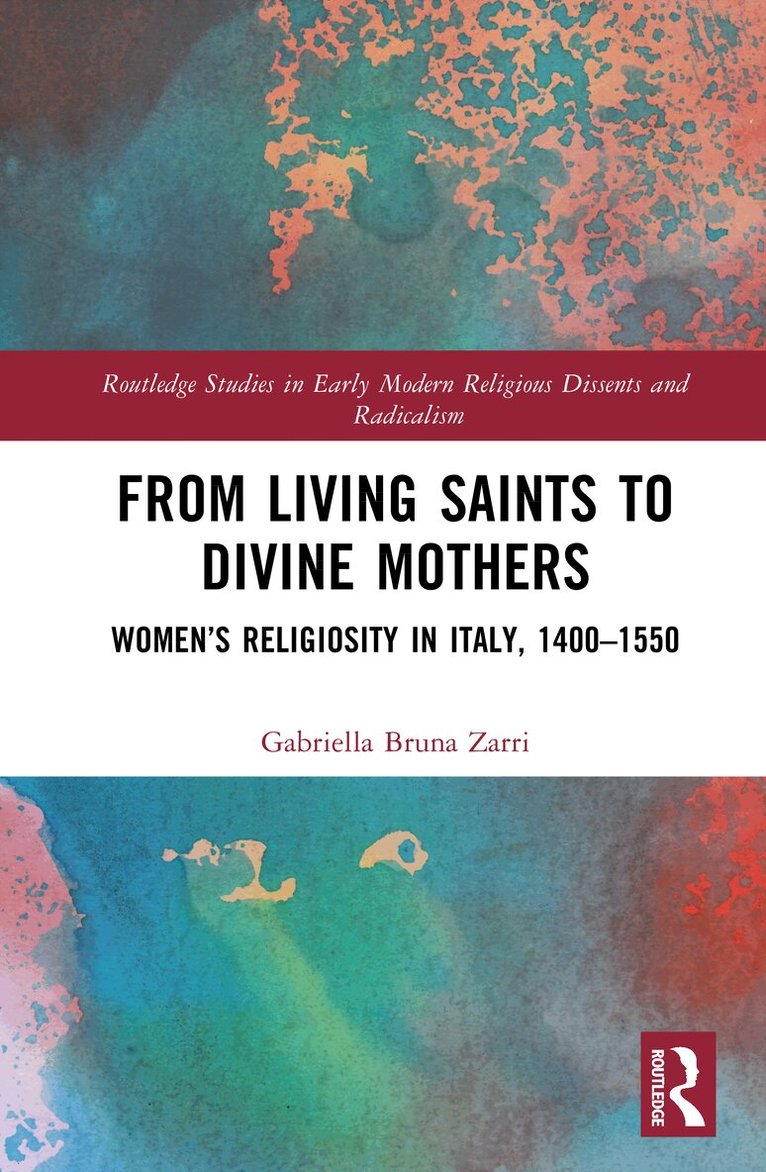
From Living Saints to Divine Mothers
Women’s Religiosity in Italy, 1400–1550
Inbunden, 2026
2504 kr
Lägg i varukorg
This book offers a vivid account of women’s religiosity in Italy between 1400 and 1550, a crucial period of spiritual ferment and ecclesiastical change. Rather than focusing solely on institutions, this book brings to light the many ways in which women sought religious authority, pursued holiness, …
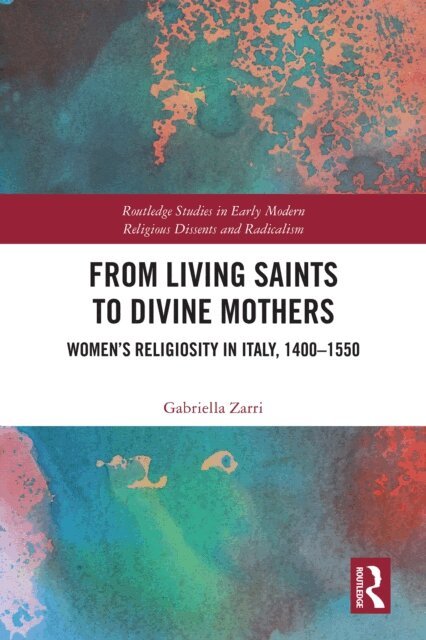
From Living Saints to Divine Mothers
Women's Religiosity in Italy, 1400-1550
E-bok, 2026
831 kr
Lägg i varukorg
This book offers a vivid account of women's religiosity in Italy between 1400 and 1550, a crucial period of spiritual ferment and ecclesiastical change. Rather than focusing solely on institutions, this book brings to light the many ways in which women sought religious authority, pursued holiness, …
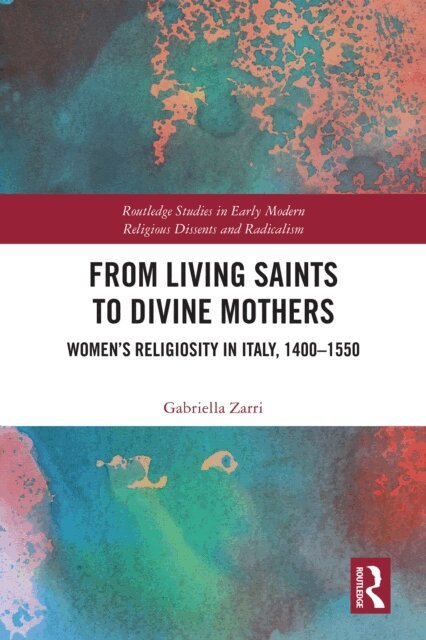
From Living Saints to Divine Mothers
Women's Religiosity in Italy, 1400-1550
E-bok, 2026
831 kr
Lägg i varukorg
This book offers a vivid account of women's religiosity in Italy between 1400 and 1550, a crucial period of spiritual ferment and ecclesiastical change. Rather than focusing solely on institutions, this book brings to light the many ways in which women sought religious authority, pursued holiness, …