Gabrielle Anna Berlinger - Böcker
Visar alla böcker från författaren Gabrielle Anna Berlinger. Handla med fri frakt och snabb leverans.
4 produkter
4 produkter
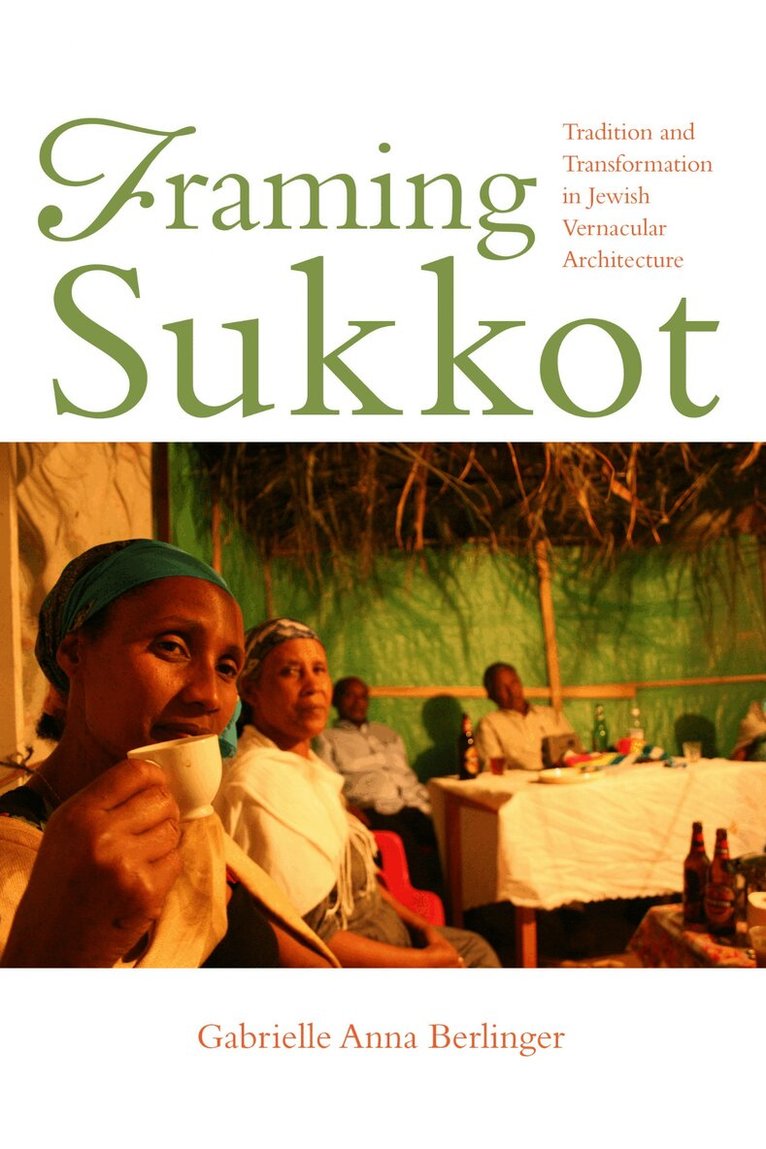
Framing Sukkot
Tradition and Transformation in Jewish Vernacular Architecture
Inbunden, Engelska, 2017
901 kr
Skickas inom 7-10 vardagar
The sukkah, the symbolic ritual home built during the annual Jewish holiday of Sukkot, commemorates the temporary structures that sheltered the Israelites as they journeyed across the desert after the exodus from Egypt. Despite the simple Biblical prescription for its design, the remarkable variety of creative expression in the construction, decoration, and use of the sukkah, in both times of peace and national upheaval, reveals the cultural traditions, political convictions, philosophical ideals, and individual aspirations that the sukkah communicates for its builders and users today. In this ethnography of contemporary Sukkot observance, Gabrielle Anna Berlinger examines the powerful role of ritual and vernacular architecture in the formation of self and society in three sharply contrasting Jewish communities: Bloomington, Indiana; South Tel Aviv, Israel; and Brooklyn, New York. Through vivid description and in-depth interviews, she demonstrates how constructing and decorating the sukkah and performing the weeklong holiday's rituals of hospitality provide unique circumstances for creative expression, social interaction, and political struggle. Through an exploration of the intersections between the rituals of Sukkot and contemporary issues, such as the global Occupy movement, Berlinger finds that the sukkah becomes a tangible expression of the need for housing and economic justice, as well as a symbol of the longing for home.
362 kr
Skickas inom 7-10 vardagar
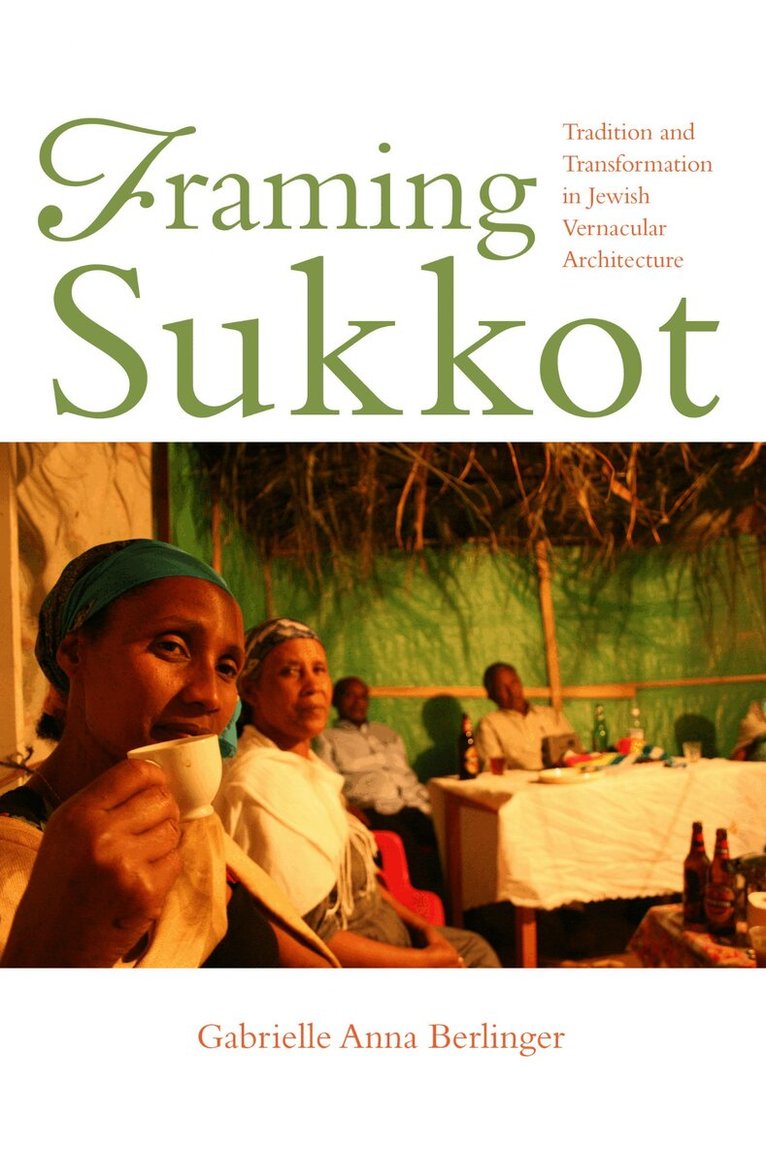
The sukkah, the symbolic ritual home built during the annual Jewish holiday of Sukkot, commemorates the temporary structures that sheltered the Israelites as they journeyed across the desert after the exodus from Egypt. Despite the simple Biblical prescription for its design, the remarkable variety of creative expression in the construction, decoration, and use of the sukkah, in both times of peace and national upheaval, reveals the cultural traditions, political convictions, philosophical ideals, and individual aspirations that the sukkah communicates for its builders and users today. In this ethnography of contemporary Sukkot observance, Gabrielle Anna Berlinger examines the powerful role of ritual and vernacular architecture in the formation of self and society in three sharply contrasting Jewish communities: Bloomington, Indiana; South Tel Aviv, Israel; and Brooklyn, New York. Through vivid description and in-depth interviews, she demonstrates how constructing and decorating the sukkah and performing the weeklong holiday's rituals of hospitality provide unique circumstances for creative expression, social interaction, and political struggle. Through an exploration of the intersections between the rituals of Sukkot and contemporary issues, such as the global Occupy movement, Berlinger finds that the sukkah becomes a tangible expression of the need for housing and economic justice, as well as a symbol of the longing for home.
375 kr
Skickas inom 7-10 vardagar
1 059 kr
Skickas inom 7-10 vardagar
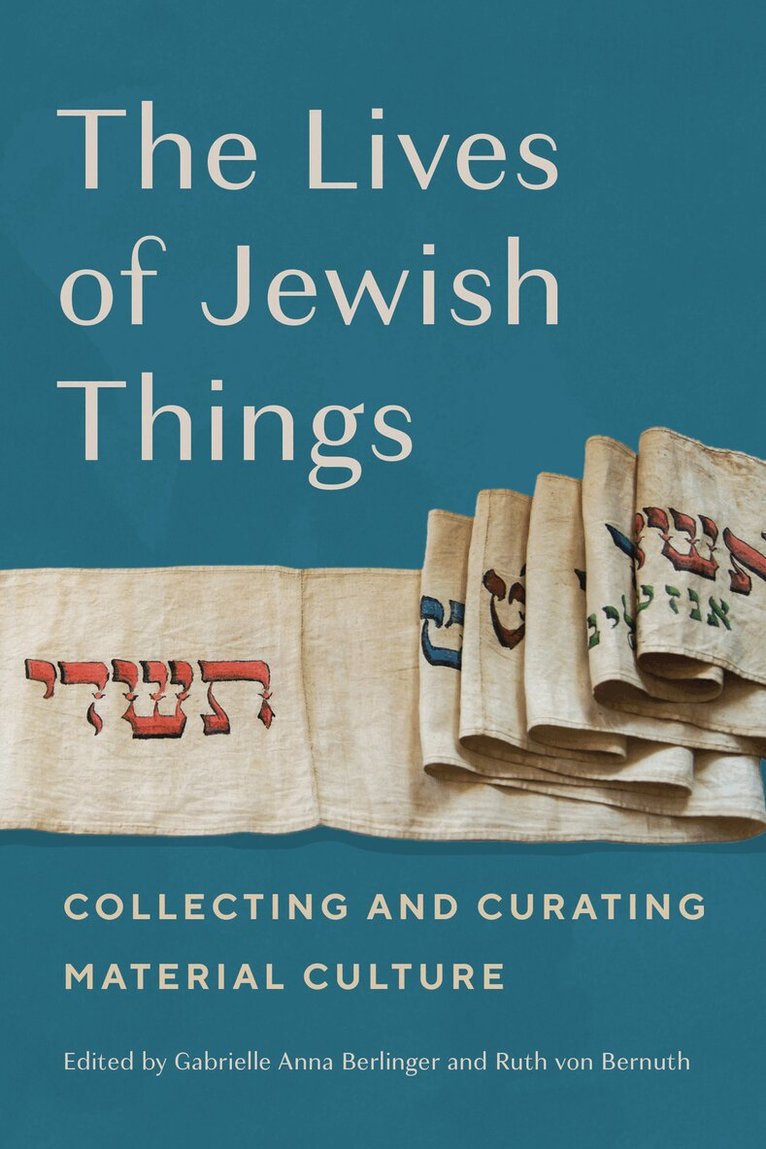
Exploring the people and contexts that imbue Jewish material culture with its meaning.In museums, synagogues, antique stores, and personal collections, Jewish objects are gathered, studied, and passed down as material representations of a culture and faith. What defines these items as "Jewish," and how does an item acquire or lose this characteristic throughout its life? Drawing from material culture studies, folklore studies, and curatorial perspectives, this collection aims to answer these questions and reveal the life histories of Jewish things. Essays consider assemblages ranging from Holocaust ephemera to religious relics and pieces of art. Each time these materials cross geographic, cultural, or social borders, their Jewishness is redefined through new dialogues about maker and user, buyer and seller, insider and outsider. Each contributor's insight builds bridges between curators, private collectors, scholars, and archivists whose diverse perspectives inform a growing conversation in folklore, religion, and Jewish studies that places material culture at the heart of Jewish cultural and historical narratives. Tracing the paths of Jewish things across time, place, and culture, this collection reveals complex stories of individual and collective struggles to survive.