Gaëlle Morel – Författare
Visar alla böcker från författaren Gaëlle Morel. Handla med fri frakt och snabb leverans.
4 produkter
4 produkter
410 kr
Tillfälligt slut
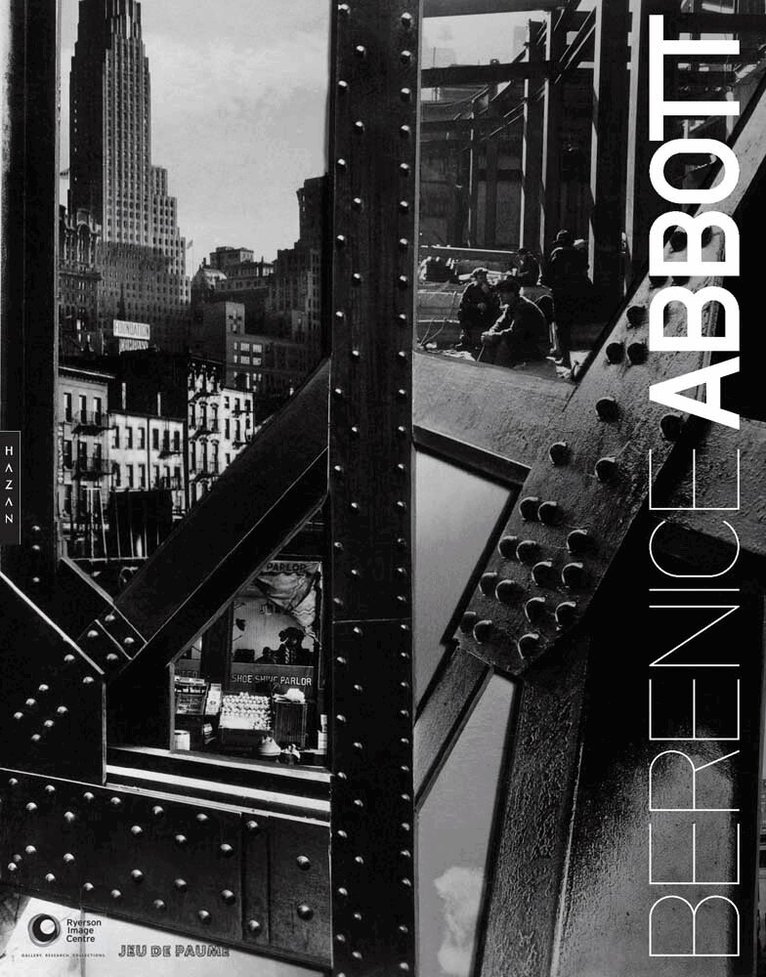
An exemplary study of the career of photographer Berenice Abbott that reveals the astonishing range of her artistic, documentary, and scientific productionThe American photographer Berenice Abbott (1898–1991) is known best for her documentation of New York in the 1930s and for her efforts to gain recognition for the work of Eugène Atget in both Europe and the United States. This attractive book features 120 photographs and a series of rarely seen documents (including letters, book layouts, and periodicals), illuminating the three major periods of Abbott's career: her early work in the United States and Paris during the 1920s; her project Changing New York (1935–39), created for the Federal Art Project; and her scientific pictures made between 1939 and 1961. By detailing Abbott's influences and production both home and abroad, Berenice Abbott underscores the photographer's role as one of the 20th century's most remarkable artists.Abbott left the United States in 1921 to study sculpture in Paris, where she was hired by Man Ray in 1923 to be his assistant. She took to photography immediately and by 1926 had set up her own studio. She became famous for her photographs showing bohemian artistic and intellectual life in the city, but in 1929 she returned to the United States and set up a new studio. Her best-known and most influential work, Changing New York, represented both a vast exercise in recording the architecture and urban life of New York and an intensely personal artistic project. Her straightforward method of photography led to her being employed full-time in the 1950s by the Massachusetts Institute of Technology in Boston to produce pictures illustrating the laws of physics.Distributed for Editions Hazan, ParisExhibition Schedule:Jeu de Paume, Paris(02/20/12-04/29/12)Ryerson Image Centre(05/23/12-08/19/12)
453 kr
Skickas inom 7-10 vardagar
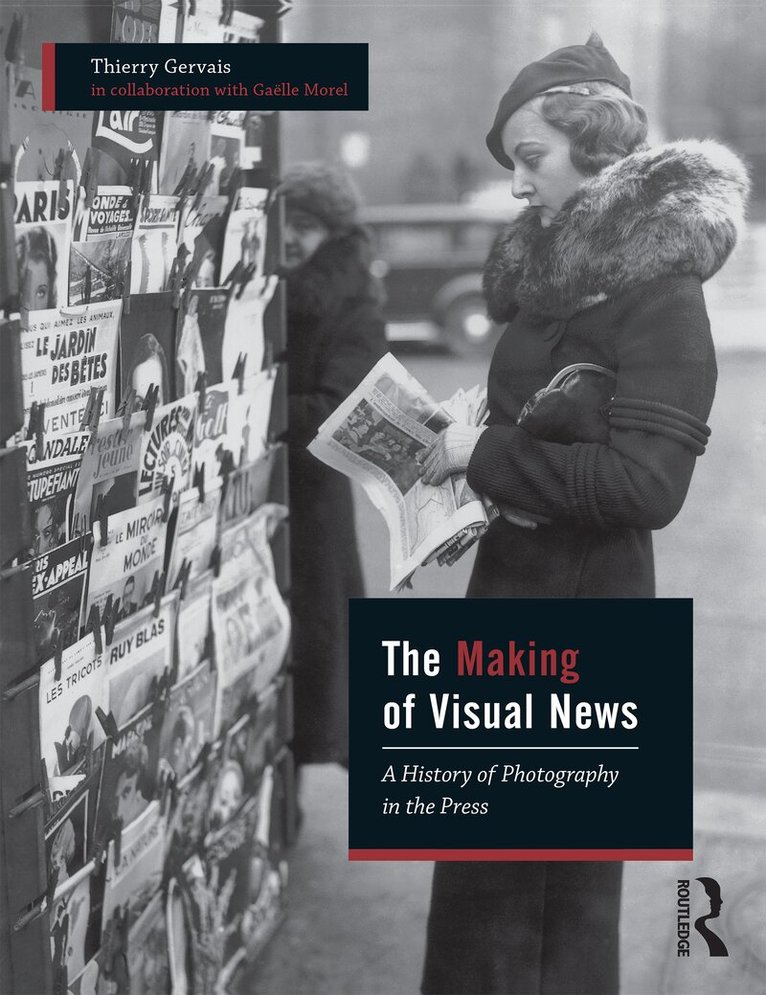
The Making of Visual News sets out to show how photography has changed the way we read, report and sell the news. It investigates how photographs first became news images at the end of the nineteenth century and how magazines in the USA, the UK, France and Germany have put them to use ever since. Drawing on a wide selection of images, author Thierry Gervais (in collaboration with Gaëlle Morel) analyses news photographs in the context of their original presentation in print. Highly illustrated, the book contains 85 full colour magazine layouts and spreads, offering the reader a view of how photographs were and are used in print publications, including Life, Picture Post, the Berliner Illustrirte Zeitung and VU. It examines how photographs were employed to attract new readers throughout the twentieth century, arguing that photography was the main tool by which news editors sought to communicate the news and attract a broader readership. Looking beyond the roles of photographer and journalist, this study also highlights the contributions of picture editors and artistic directors; by commissioning photographs and incorporating images into magazine layouts, these figures played critical but often overlooked roles in the construction of visual news, even as they crafted unique styles for their publications. Charting changes in technology and reportage, as well as broader social and political histories, The Making of Visual News offers new insight into the history of photojournalism, making this an essential resource for students and scholars of photojournalism and the history of photography, media and culture
2 166 kr
Skickas inom 7-10 vardagar
The Making of Visual News sets out to show how photography has changed the way we read, report and sell the news. It investigates how photographs first became news images at the end of the nineteenth century and how magazines in the USA, the UK, France and Germany have put them to use ever since. Drawing on a wide selection of images, author Thierry Gervais (in collaboration with Gaëlle Morel) analyses news photographs in the context of their original presentation in print. Highly illustrated, the book contains 85 full colour magazine layouts and spreads, offering the reader a view of how photographs were and are used in print publications, including Life, Picture Post, the Berliner Illustrirte Zeitung and VU. It examines how photographs were employed to attract new readers throughout the twentieth century, arguing that photography was the main tool by which news editors sought to communicate the news and attract a broader readership. Looking beyond the roles of photographer and journalist, this study also highlights the contributions of picture editors and artistic directors; by commissioning photographs and incorporating images into magazine layouts, these figures played critical but often overlooked roles in the construction of visual news, even as they crafted unique styles for their publications. Charting changes in technology and reportage, as well as broader social and political histories, The Making of Visual News offers new insight into the history of photojournalism, making this an essential resource for students and scholars of photojournalism and the history of photography, media and culture
381 kr
Skickas inom 7-10 vardagar
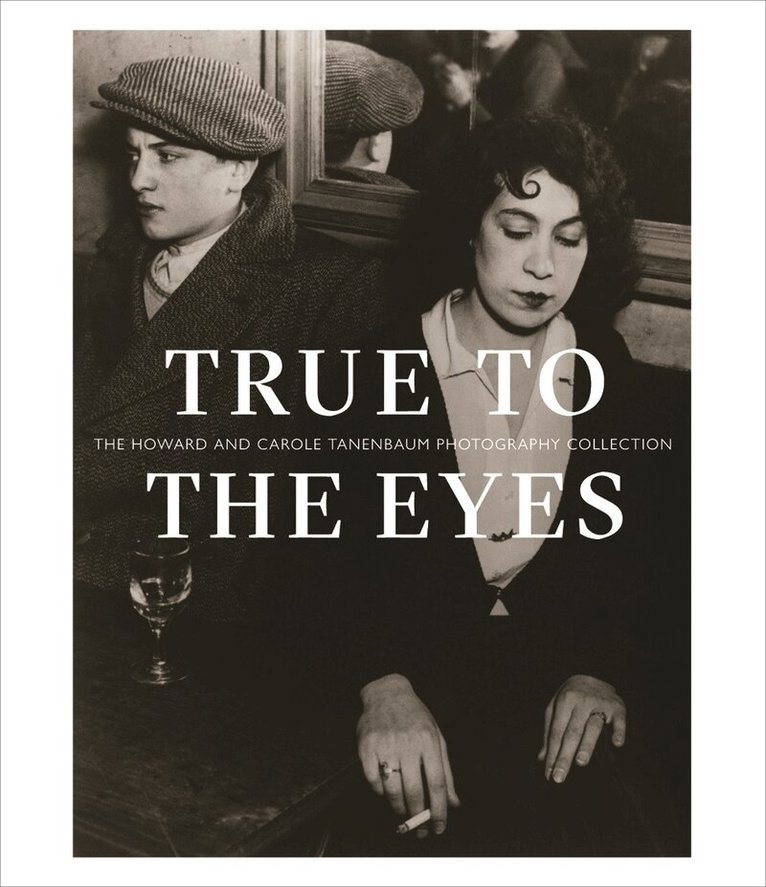
This catalogue presents more than 200 photographs from the eclectic and exceptional collection of Howard and Carole Tanenbaum. Spanning the history of the medium, this richly illustrated book reveals a deeply personal and socially aware approach to collecting, ranging from anonymous 19th century daguerreotypes to iconic works from the 20th century.This catalogue, published in conjunction with an accompanying exhibition at the Ryerson Image Centre in Toronto, Canada, presents a selection of more than 200 photographs from the eclectic collection of Howard and Carole Tanenbaum. This richly illustrated book includes an interview with the collectors and essays exploring their deeply personal and socially aware approach to collecting. True to the Eye highlights a range of photographic practice, from anonymous 19th century daguerreotypes, tintypes and albums to iconic works by Brassaï, Diane Arbus as well as more recent photography by Edward Burtynsky and Jim Goldberg.