Galina M. Yemelianova – författare
Visar alla böcker från författaren Galina M. Yemelianova. Handla med fri frakt och snabb leverans.
21 produkter
Muslims of Post-Communist Eurasia
Av Galina M. Yemelianova, Egdūnas Račius
Inbunden, 2022
2510 kr
Lägg i varukorg
This book discusses the evolution of state governance of Islam and the nature and forms of local Muslims’ rediscovery of their ‘Muslimness’ across post-communist Eurasia. It examines the effects on the Islamic scene of the political and ideological divergence of Central and South-Eastern Europe …
Muslims of Post-Communist Eurasia
Av Galina M. Yemelianova, Egdūnas Račius
Häftad, 2024
647 kr
Lägg i varukorg
This book discusses the evolution of state governance of Islam and the nature and forms of local Muslims’ rediscovery of their ‘Muslimness’ across post-communist Eurasia. It examines the effects on the Islamic scene of the political and ideological divergence of Central and South-Eastern Europe …
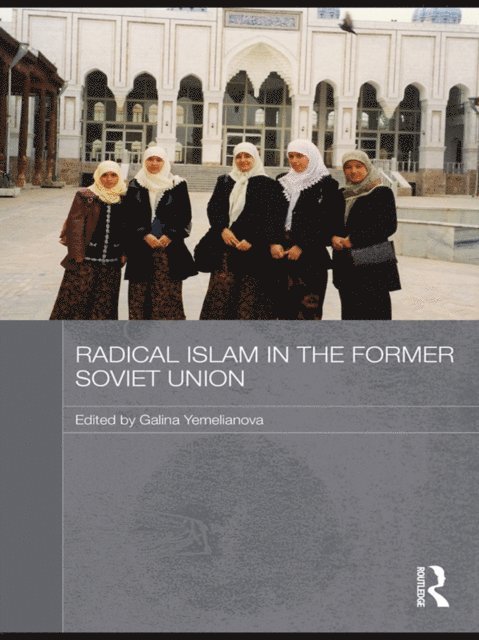
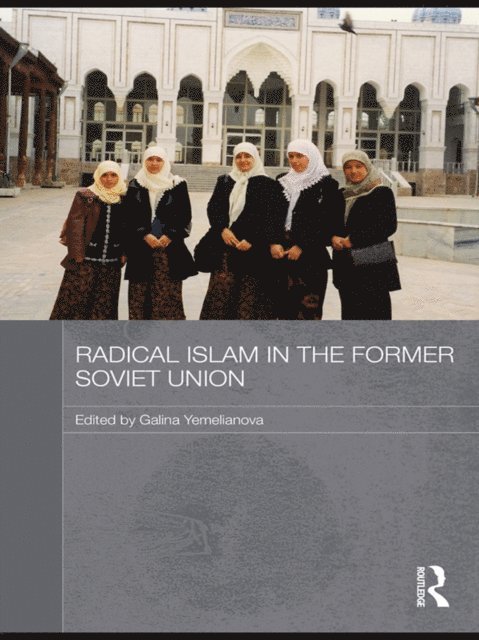
Radical Islam in the Former Soviet Union
Inbunden, 2009
2510 kr
Lägg i varukorg
This is the first comprehensive and comparative examination of Islamic radicalisation in the Muslim regions of the former Soviet Union since the end of Communism. Since the 1990s, the ex-Soviet Muslim Volga-Urals, Caucasus and Central Asia have been among the most volatile and dynamic zones of …
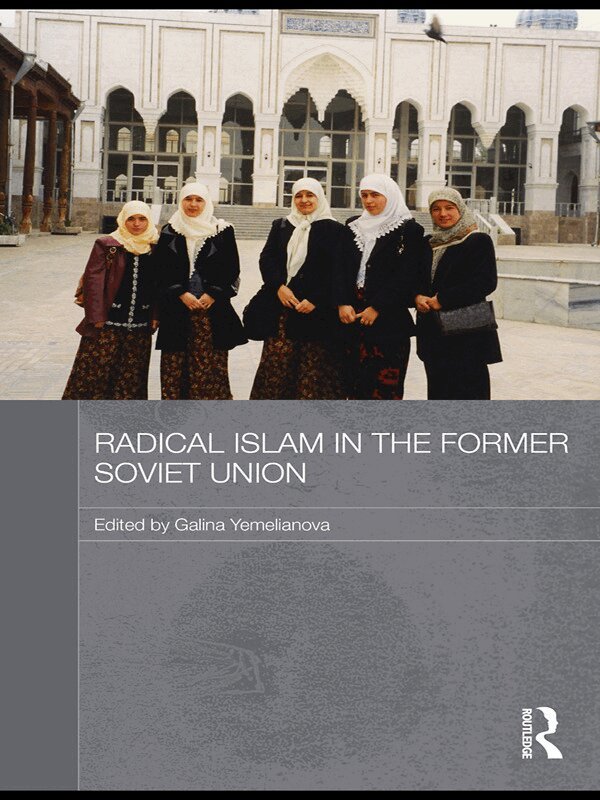
Radical Islam in the Former Soviet Union
Häftad, 2011
909 kr
Lägg i varukorg
This is the first comprehensive and comparative examination of Islamic radicalisation in the Muslim regions of the former Soviet Union since the end of Communism. Since the 1990s, the ex-Soviet Muslim Volga-Urals, Caucasus and Central Asia have been among the most volatile and dynamic zones of …
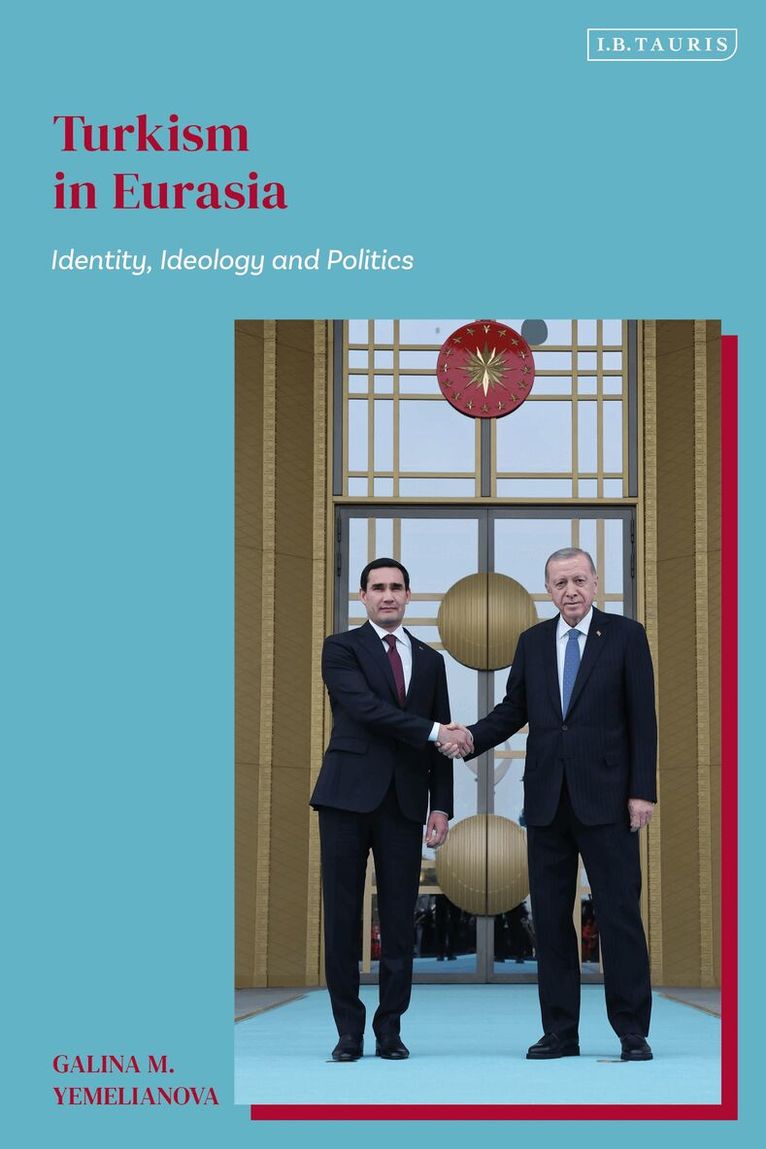
Turkism in Eurasia
Identity, Ideology and Politics
Inbunden, 2025
1244 kr
Lägg i varukorg
Turkism as an idea which emphasizes the Turkic ethnic component in national identity is widely associated with Turks and Turkey. However, many millions of Turkic peoples with distinctive histories, cultures, social and political traditions live outside Turkey. This book discusses the origins and …
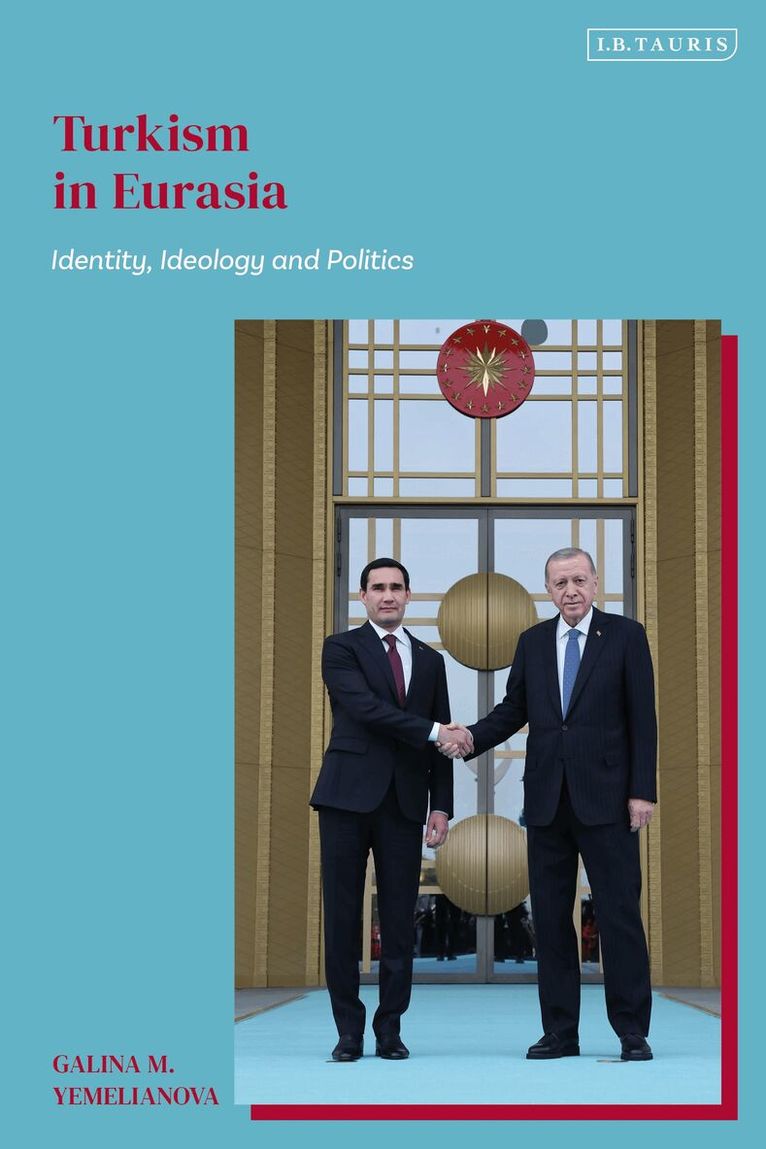
Turkism in Eurasia
Identity, Ideology and Politics
E-bok, 2025
1364 kr
Lägg i varukorg
Turkism as an idea which emphasizes the Turkic ethnic component in national identity is widely associated with Turks and Turkey. However, many millions of Turkic peoples with distinctive histories, cultures, social and political traditions live outside Turkey. This book discusses the origins and …
Turkism in Eurasia
Identity, Ideology and Politics
E-bok, 2025
1364 kr
Lägg i varukorg
Turkism as an idea which emphasizes the Turkic ethnic component in national identity is widely associated with Turks and Turkey. However, many millions of Turkic peoples with distinctive histories, cultures, social and political traditions live outside Turkey. This book discusses the origins and …
Turkism in Eurasia
Identity, Ideology and Politics
Häftad, 2026
425 kr
Kommande
Turkism as an idea which emphasizes the Turkic ethnic component in national identity is widely associated with Turks and Turkey. However, many millions of Turkic peoples with distinctive histories, cultures, social and political traditions live outside Turkey. This book discusses the origins and …
Muslims of Post-Communist Eurasia
Av Egdunas Racius, Galina M. Yemelianova
E-bok, 2022
762 kr
Lägg i varukorg
This book discusses the evolution of state governance of Islam and the nature and forms of local Muslims’ rediscovery of their ‘Muslimness’ across post-communist Eurasia. It examines the effects on the Islamic scene of the political and ideological divergence of Central and South-Eastern …
Muslims of Post-Communist Eurasia
Av Egdunas Racius, Galina M. Yemelianova
E-bok, 2022
762 kr
Lägg i varukorg
This book discusses the evolution of state governance of Islam and the nature and forms of local Muslims’ rediscovery of their ‘Muslimness’ across post-communist Eurasia. It examines the effects on the Islamic scene of the political and ideological divergence of Central and South-Eastern …
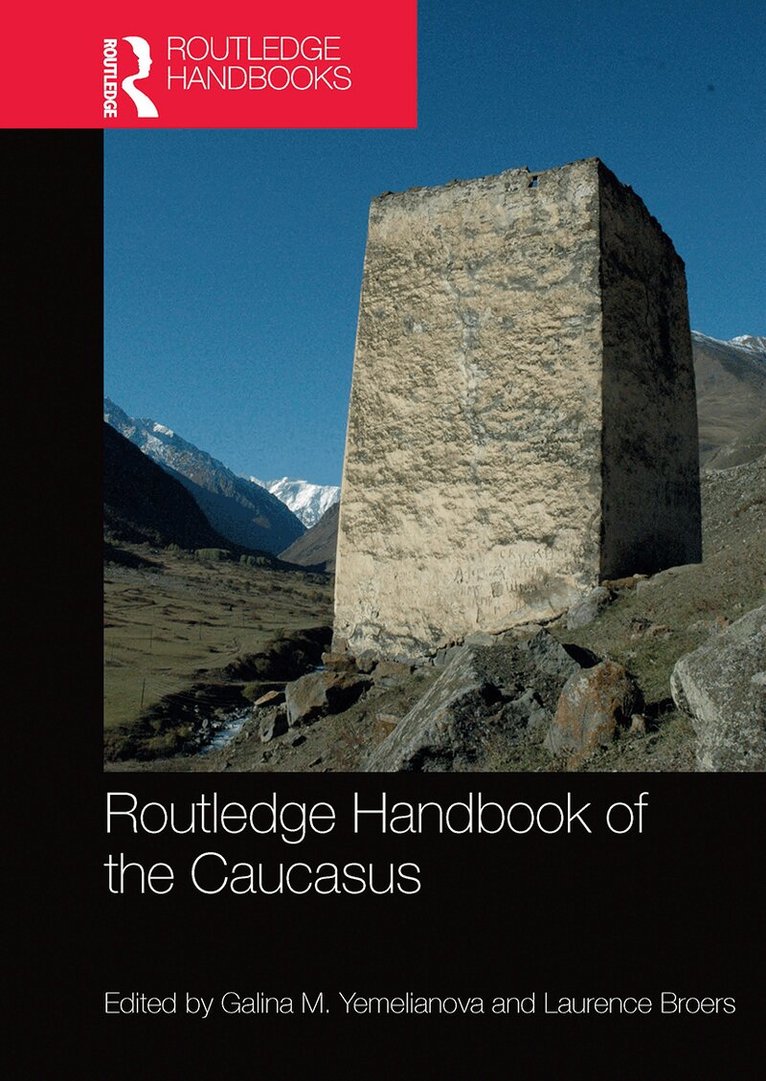
Routledge Handbook of the Caucasus
Av Galina M. Yemelianova, Laurence Broers
Häftad, 2022
749 kr
Lägg i varukorg
The Routledge Handbook of the Caucasus offers an integrated, multidisciplinary overview of the historical, ethno-linguistic, cultural, socio-economic and political complexities of the Caucasus. Covering both the North and South Caucasus, the book gathers together leading Western, Caucasian and …
Radical Islam in the Former Soviet Union
E-bok, 2009
1051 kr
Lägg i varukorg
This is the first comprehensive and comparative examination of Islamic radicalisation in the Muslim regions of the former Soviet Union since the end of Communism. Since the 1990s, the ex-Soviet Muslim Volga-Urals, Caucasus and Central Asia have been among the most volatile and dynamic zones of …
Radical Islam in the Former Soviet Union
E-bok, 2009
1074 kr
Lägg i varukorg
This is the first comprehensive and comparative examination of Islamic radicalisation in the Muslim regions of the former Soviet Union since the end of Communism. Since the 1990s, the ex-Soviet Muslim Volga-Urals, Caucasus and Central Asia have been among the most volatile and dynamic zones of …
Routledge Handbook of the Caucasus
Av Galina M. Yemelianova, Laurence Broers
Inbunden, 2020
3791 kr
Lägg i varukorg
The Routledge Handbook of the Caucasus offers an integrated, multidisciplinary overview of the historical, ethno-linguistic, cultural, socio-economic and political complexities of the Caucasus. Covering both the North and South Caucasus, the book gathers together leading Western, Caucasian and …
Routledge Handbook of the Caucasus
Av Laurence Broers, Galina M. Yemelianova
E-bok, 2020
910 kr
Lägg i varukorg
The Routledge Handbook of the Caucasus offers an integrated, multidisciplinary overview of the historical, ethno-linguistic, cultural, socio-economic and political complexities of the Caucasus. Covering both the North and South Caucasus, the book gathers together leading Western, Caucasian and …
Routledge Handbook of the Caucasus
Av Laurence Broers, Galina M. Yemelianova
E-bok, 2020
910 kr
Lägg i varukorg
The Routledge Handbook of the Caucasus offers an integrated, multidisciplinary overview of the historical, ethno-linguistic, cultural, socio-economic and political complexities of the Caucasus. Covering both the North and South Caucasus, the book gathers together leading Western, Caucasian and …
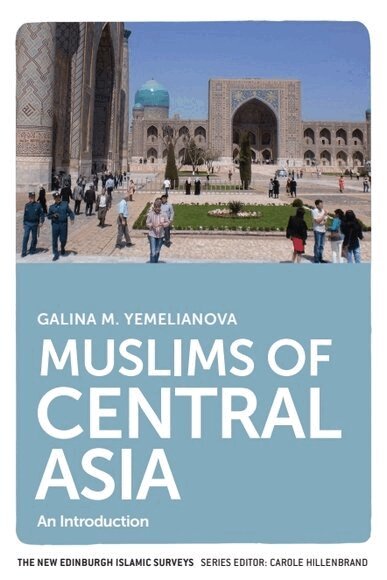
Muslims of Central Asia
An Introduction
Inbunden, 2019
2119 kr
Lägg i varukorg
Between the tenth and sixteenth centuries Central Asia was one of the most prestigious cultural areas of the entire Muslim world, playing a pivotal role in the Silk Road trade. Throughout that history, and up to the present, Tajiks, Uzbeks, Kazakhs, Kyrgyz, Turkmen and other Muslim peoples of …
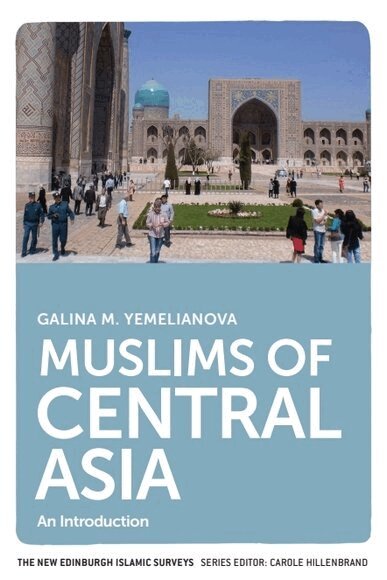
Muslims of Central Asia
An Introduction
Häftad, 2019
391 kr
Lägg i varukorg
Between the tenth and sixteenth centuries Central Asia was one of the most prestigious cultural areas of the entire Muslim world, playing a pivotal role in the Silk Road trade. Throughout that history, and up to the present, Tajiks, Uzbeks, Kazakhs, Kyrgyz, Turkmen and other Muslim peoples of …
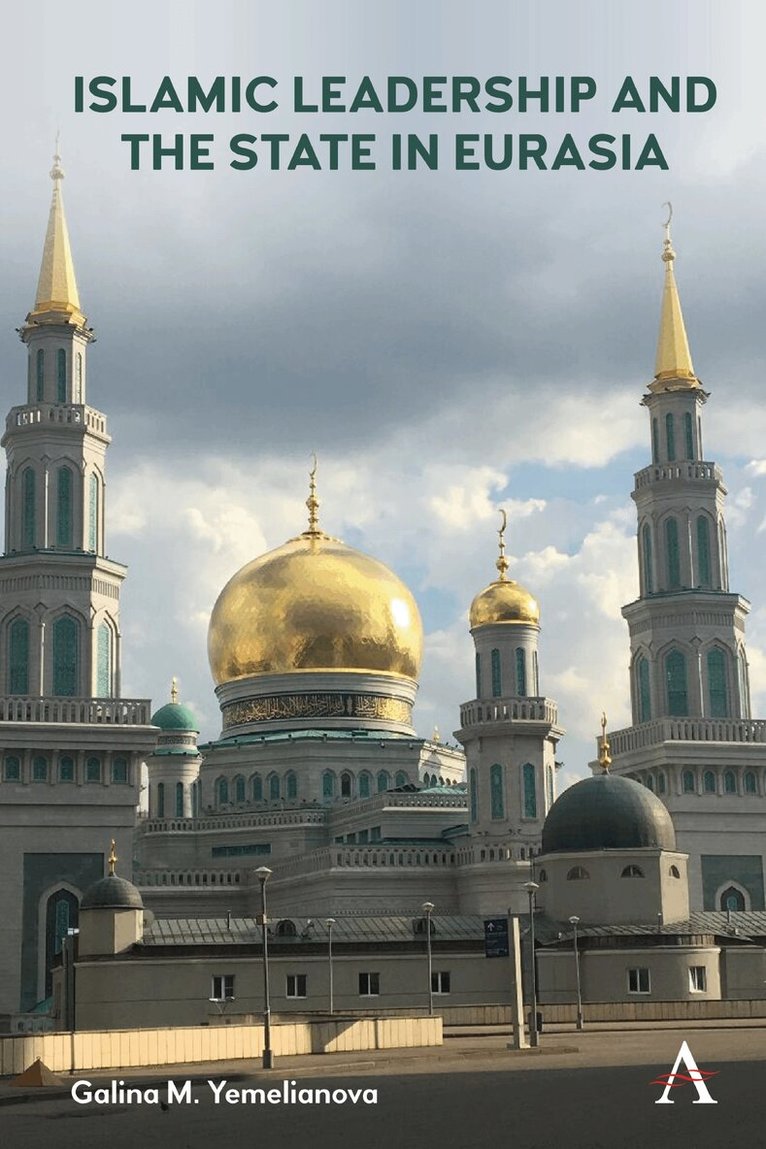
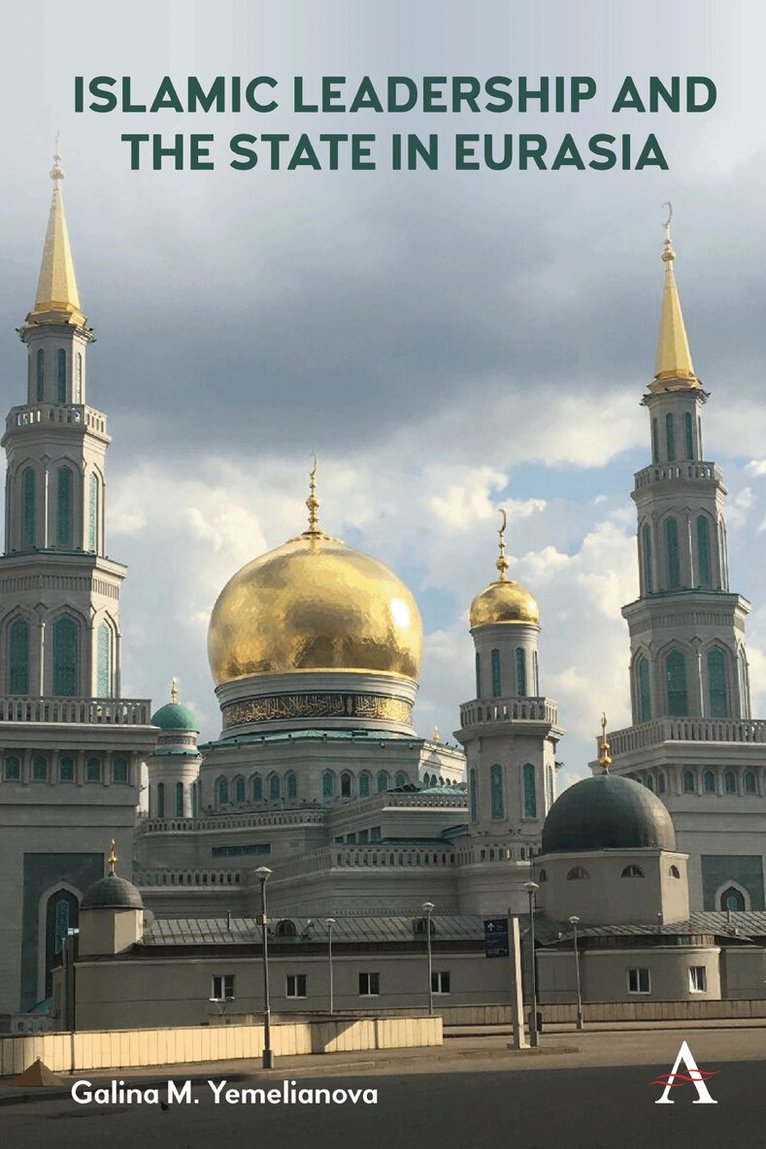
Islamic Leadership and the State in Eurasia
Inbunden, 2022
1318 kr
Lägg i varukorg
The book presents the first integrated study of the relationship between official Islamic leadership (muftiship), non-official Islamic authorities, grassroots Muslim communities and the state in post-Communist Eurasia, encompassing Lithuania, Belarus, Ukraine, the Volga-Urals, Crimea, the North …
Islamic Leadership and the State in Eurasia
E-bok, 2022
433 kr
Lägg i varukorg
The book presents the first integrated study of the relationship between official Islamic leadership (muftiship), non-official Islamic authorities, grassroots Muslim communities and the state in post-Communist Eurasia, encompassing Lithuania, Belarus, Ukraine, the Volga-Urals, Crimea, the North …
Islamic Leadership and the State in Eurasia
Häftad, 2024
413 kr
Lägg i varukorg
The book presents the first integrated study of the relationship between official Islamic leadership (muftiship), non-official Islamic authorities, grassroots Muslim communities and the state in post-Communist Eurasia, encompassing Lithuania, Belarus, Ukraine, the Volga-Urals, Crimea, the North …