Gareth C Sampson – författare
Visar alla böcker från författaren Gareth C Sampson. Handla med fri frakt och snabb leverans.
17 produkter
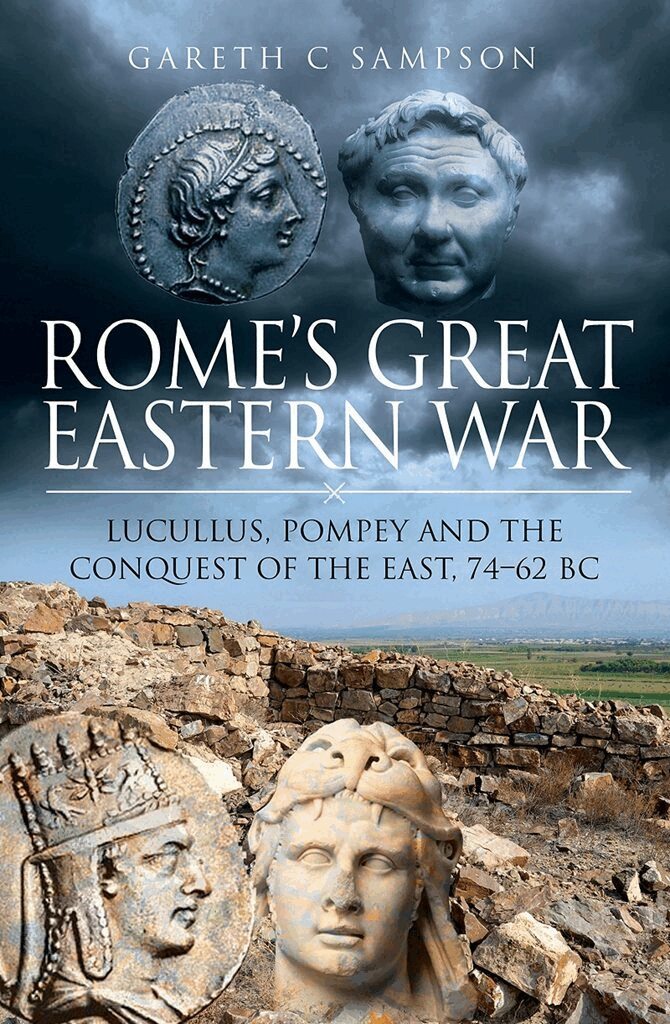
Rome's Great Eastern War
Lucullus, Pompey and the Conquest of the East, 74-62 BC
Inbunden, 2021
280 kr
Lägg i varukorg
Despite Rome's conquest of the Mediterranean, by the turn of the first century BC, Rome's influence barely stretched into the East. In the century since Rome's defeat of the Seleucid Empire in the 180s BC, the East was dominated by the rise of new empires: Parthia, Armenia and Pontus, each vying to …
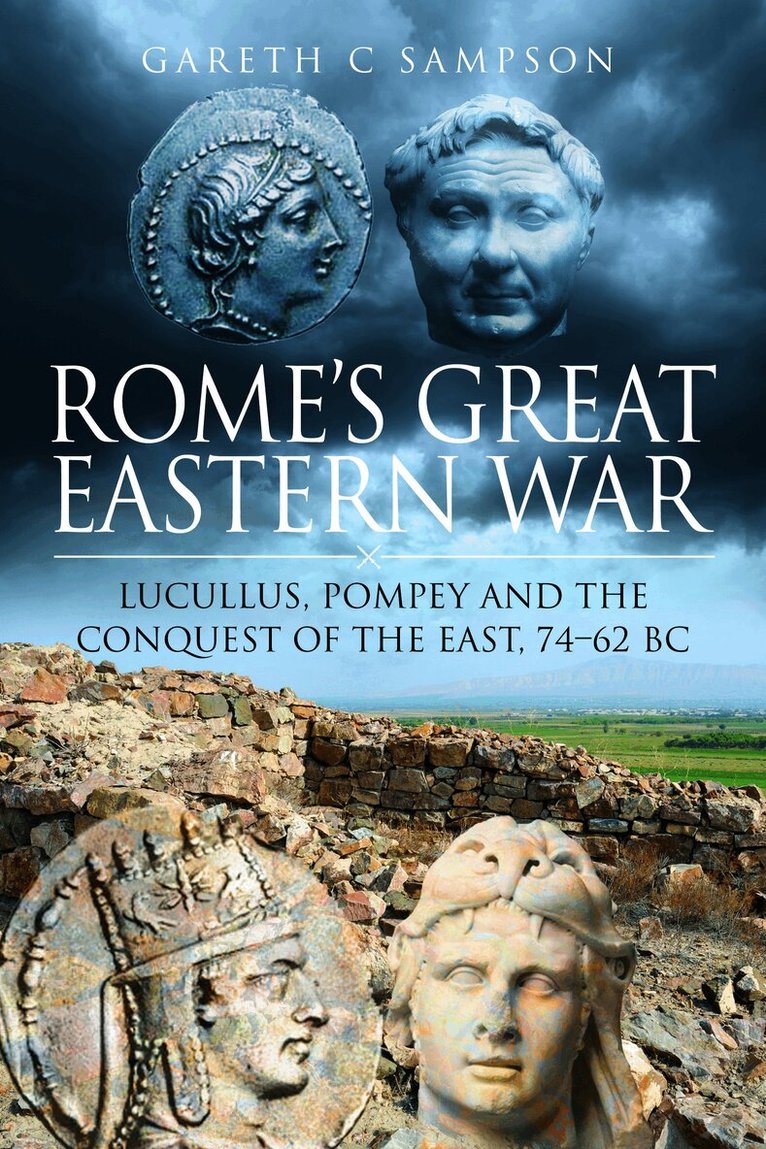
Rome's Great Eastern War
Lucullus, Pompey and the Conquest of the East, 74–62 BC
Häftad, 2026
166 kr
Kommande
Despite Rome’s conquest of the Mediterranean, by the turn of the first century BC, Rome’s influence barely stretched into the East. In the century since Rome’s defeat of the Seleucid Empire in the 180s BC, the East was dominated by the rise of new empires: Parthia, Armenia and Pontus, each vying to …
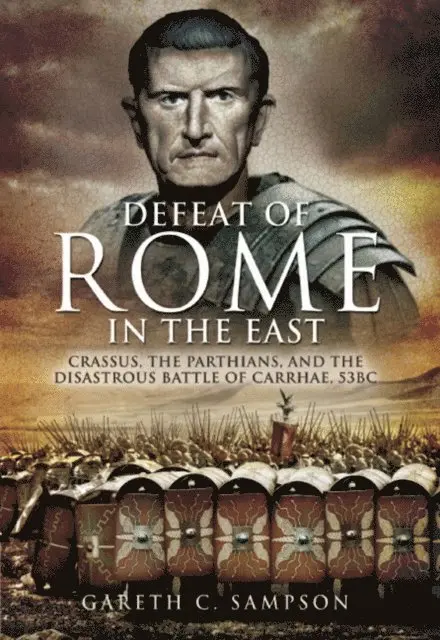
Defeat of Rome in the East
Crassus, the Parthians, and the Disastrous Battle of Carrhae, 53 BC
E-bok, 2008
162 kr
Lägg i varukorg
"Not just worthwhile for its analysis of the battle, but also for its coverage on Marcus Licinius Crassus'' long career and the rise of the Parthian Empire." —Medieval Warfare MagazineIn 53BC the Proconsul Marcus Crassus and 36,000 of his legionaries were crushed by the Parthians at Carrhae in what …
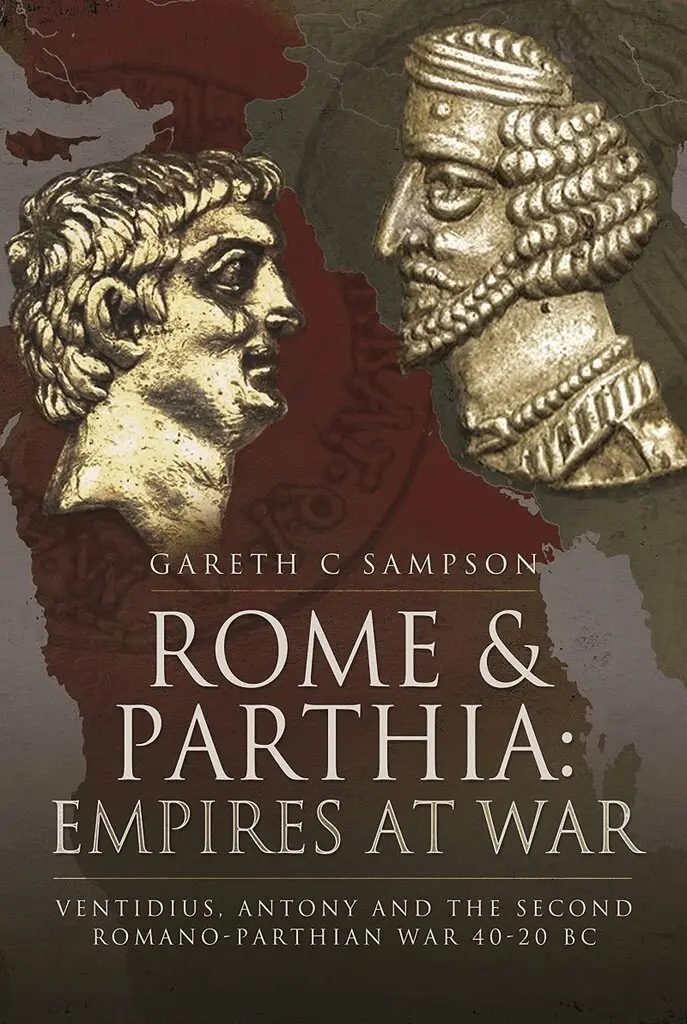
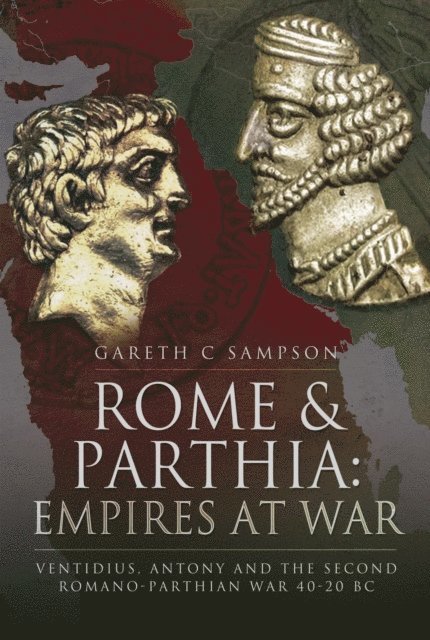
Rome and Parthia: Empires at War
Ventidius, Antony and the Second Romano-Parthian War, 40 20 BC
Häftad, 2021
176 kr
Lägg i varukorg
In the mid-first century BC, despite its military victories elsewhere, the Roman Empire faced a rival power in the east; the Parthian Empire. The first war between two superpowers of the ancient world had resulted in the total defeat of Rome and the death of Marcus Crassus. When Rome collapsed into …
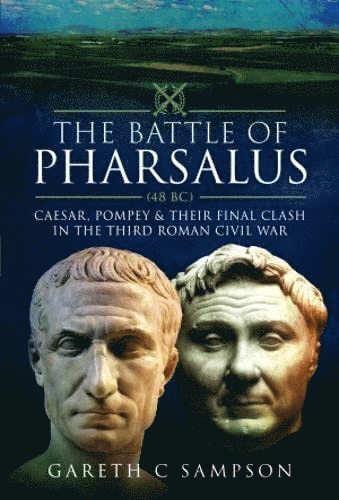
Battle of Pharsalus (48 BC)
Caesar, Pompey and their Final Clash in the Third Roman Civil War
Inbunden, 2023
225 kr
Lägg i varukorg
In August 48 BC, following the earlier battle at Dyrrhachium, the two greatest Roman commanders of their generation met in battle again at Pharsalus in Greece. Julius Caesar, conqueror of Gaul, had been defeated at Dyrrhachium and forced to retreat but now stood at bay to face Pompey the Great, …
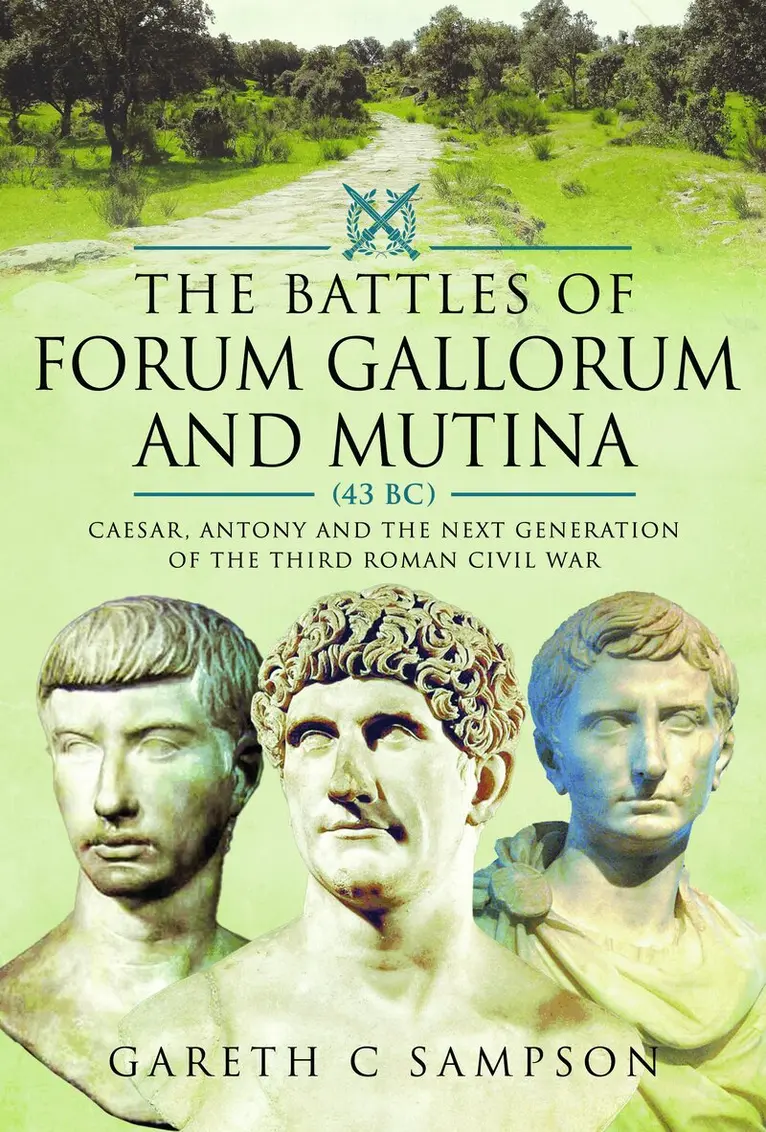
Battles of Forum Gallorum and Mutina, 43 BC
Caesar, Antony and the Next Generation of the Third Roman Civil War
Inbunden, 2026
274 kr
Lägg i varukorg
Although Julius Caesar was winning the ongoing civil war with the Pompeian faction, his murder on the Ides of March (44 BC) plunged the Republic into a further civil war and one closer to Rome itself. Mark Antony attempted to seize command of the Caesarian faction and its control of the Roman …
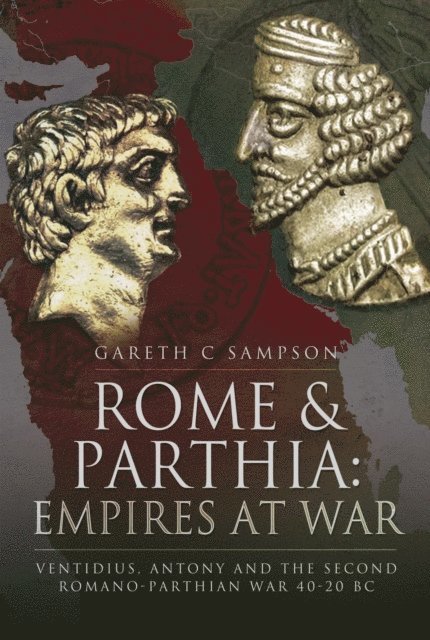
Rome & Parthia: Empires at War
Ventidius, Antony and the Second Romano-Parthian War, 40–20 BC
E-bok, 2020
87 kr
Lägg i varukorg
A Roman historian examines the motivation and strategy behind Marc Anthony''s invasion of Parthia and the reasons for its ultimate defeat.In the mid-first century BC, the Roman Empire was rivaled only by the Parthian Empire to the east. The first war between these two ancient superpowers resulted …
Rome & Parthia: Empires at War
Ventidius, Antony and the Second Romano-Parthian War, 40–20 BC
E-bok, 2020
88 kr
Lägg i varukorg
A Roman historian examines the motivation and strategy behind Marc Anthony''s invasion of Parthia and the reasons for its ultimate defeat.In the mid-first century BC, the Roman Empire was rivaled only by the Parthian Empire to the east. The first war between these two ancient superpowers resulted …
Rome, Blood & Power
Reform, Murder and Popular Politics in the Late Republic 70–27 BC
E-bok, 2019
153 kr
Lägg i varukorg
"Capture[s] the essence of the struggle within Rome for reform and power and dominance . . . a page turner of a book . . . that offers fresh insight." —Firetrench Following the First Civil War the Roman Republic was able to rebuild itself and restore stability. Yet the problems which had plagued …
Rome, Blood & Power
Reform, Murder and Popular Politics in the Late Republic 70–27 BC
E-bok, 2019
153 kr
Lägg i varukorg
"Capture[s] the essence of the struggle within Rome for reform and power and dominance . . . a page turner of a book . . . that offers fresh insight." —Firetrench Following the First Civil War the Roman Republic was able to rebuild itself and restore stability. Yet the problems which had plagued …
Rome's Great Eastern War
Lucullus, Pompey and the Conquest of the East, 74–62 BC
E-bok, 2021
162 kr
Lägg i varukorg
This military history of Ancient Rome analyses the empire''s revitalized push against rising enemies to the East.In the century since Rome''s defeat of the Seleucid Empire in the 180s BC, the East was dominated by the rise of new empires: Parthia, Armenia, and Pontus, each vying to recreate the …
Rome's Great Eastern War
Lucullus, Pompey and the Conquest of the East, 74–62 BC
E-bok, 2021
162 kr
Lägg i varukorg
This military history of Ancient Rome analyses the empire''s revitalized push against rising enemies to the East.In the century since Rome''s defeat of the Seleucid Empire in the 180s BC, the East was dominated by the rise of new empires: Parthia, Armenia, and Pontus, each vying to recreate the …
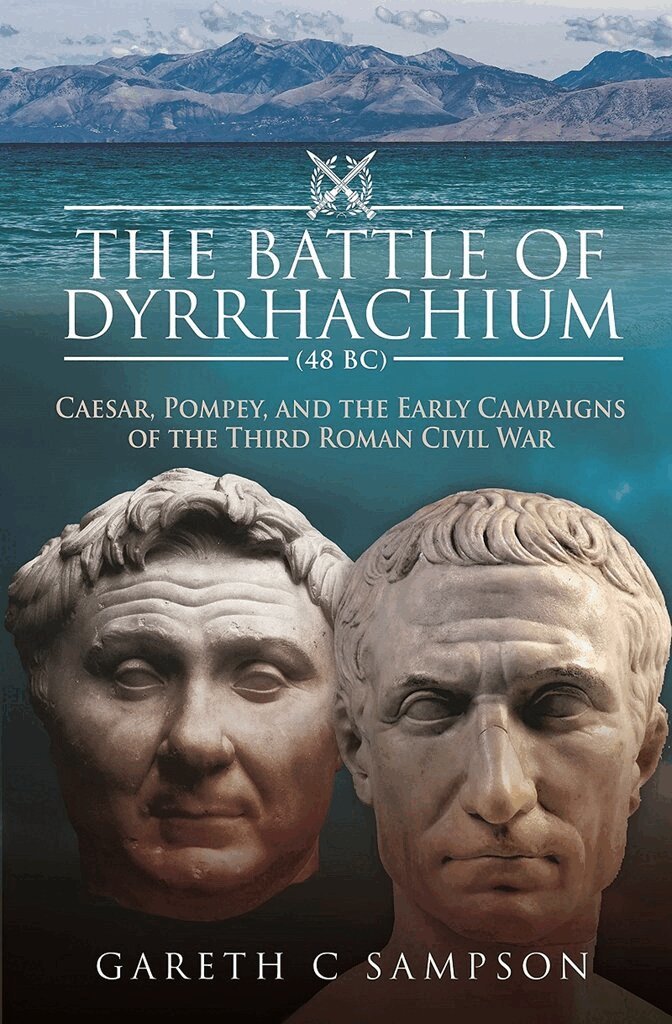
Battle of Dyrrhachium (48 BC)
Caesar, Pompey, and the Early Campaigns of the Third Roman Civil War
Inbunden, 2022
225 kr
Lägg i varukorg
In 49 BC the Roman Republic collapsed once more into bloody civil war. At the heart of this war lay the two greatest living Roman commanders, and former allies, Pompey the Great and Julius Caesar, each having built their own factions within the Roman oligarchy and refusing to compromise. The …
Battle of Dyrrhachium, 48 BC
Caesar, Pompey, and the Early Campaigns of the Third Roman Civil War
E-bok, 2022
152 kr
Lägg i varukorg
An in-depth study of the rivalry between two of Rome''s greatest military commanders—and the battle where they met in combat.In 49 BC the Roman Republic collapsed once more into civil war, with opposing sides led by Pompey the Great and Julius Caesar. These former allies had built their own …
Battle of Dyrrhachium, 48 BC
Caesar, Pompey, and the Early Campaigns of the Third Roman Civil War
E-bok, 2022
152 kr
Lägg i varukorg
An in-depth study of the rivalry between two of Rome''s greatest military commanders—and the battle where they met in combat.In 49 BC the Roman Republic collapsed once more into civil war, with opposing sides led by Pompey the Great and Julius Caesar. These former allies had built their own …
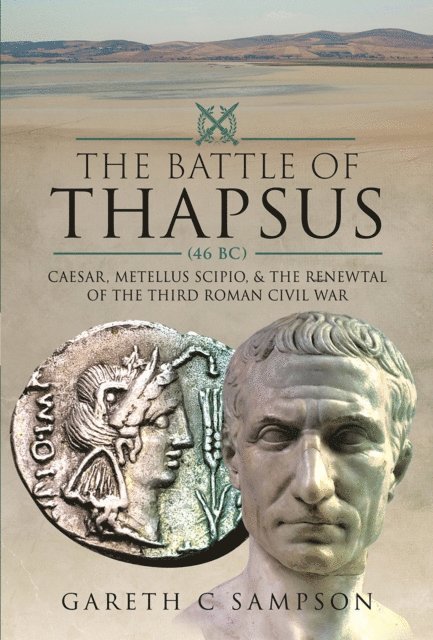
Battle of Thapsus (46 BC)
Caesar, Metellus Scipio, and the Renewal of the Third Roman Civil War
E-bok, 2024
235 kr
Lägg i varukorg
"A work of exceptional scholarship and impressively enhanced... a high value and firmly recommended addition to personal, community, and college/university library…" – Midwest Book Review Despite defeating his opponent Pompeius Magnus at Pharsalus, and the latter''s subsequent murder, Caesar still …
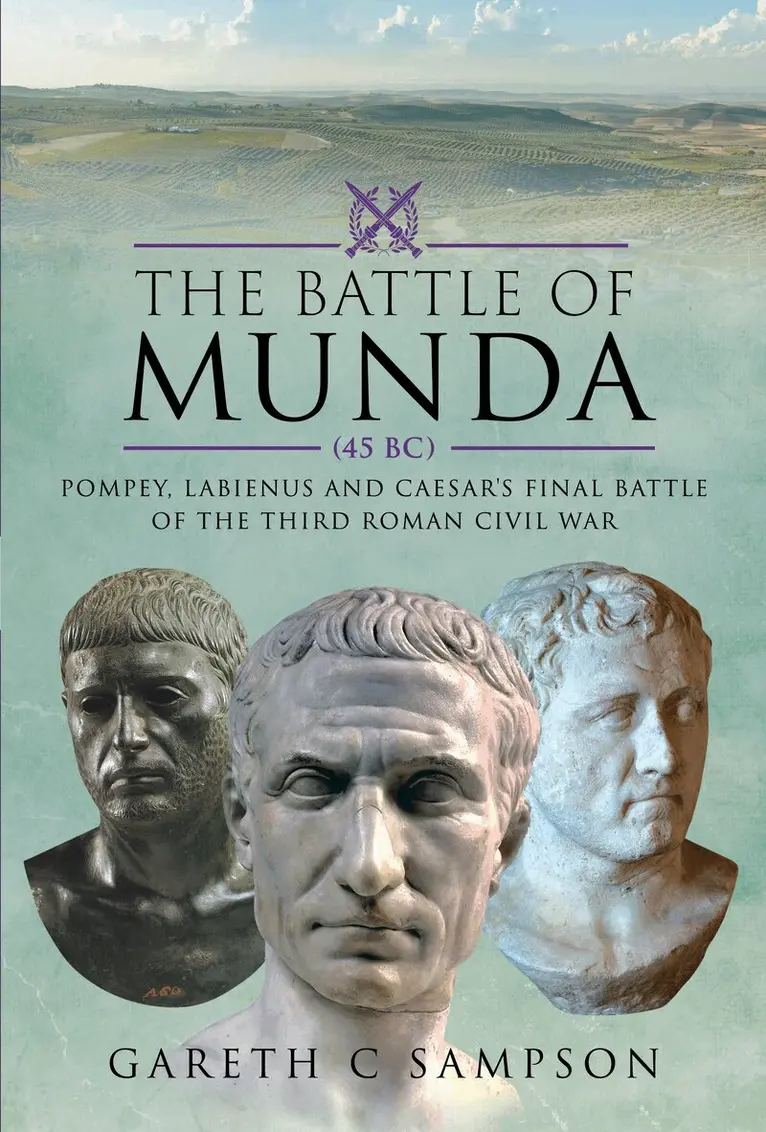
Battle of Munda (45 BC)
Pompey, Labienus and Caesar's Final Battle of the Third Roman Civil War
Inbunden, 2025
242 kr
Lägg i varukorg
After four years of fighting and two major victories, Julius Caesar had the upper hand in the Third Roman Civil War and had control of Rome itself. Yet despite this success, his surviving opponents still fought on, with the two sons of Pompeius Magnus taking command of the war against Caesar, along …