Gareth Stansfield – författare
Visar alla böcker från författaren Gareth Stansfield. Handla med fri frakt och snabb leverans.
12 produkter
Kurdish Question Revisited
Av Mohammed Shareef, Gareth Stansfield
E-bok, 2017
196 kr
Lägg i varukorg
The Kurds, once marginal in the study of the Middle East and secondary in its international relations, have moved to centre stage in recent years. The contributors to The Kurdish Question Revisited offer insights into how this once seemingly intractable, immutable phenomenon is being transformed …
Kurdish Question Revisited
Av Mohammed Shareef, Gareth Stansfield
E-bok, 2017
192 kr
Lägg i varukorg
The Kurds, once marginal in the study of the Middle East and secondary in its international relations, have moved to centre stage in recent years. The contributors to The Kurdish Question Revisited offer insights into how this once seemingly intractable, immutable phenomenon is being transformed …
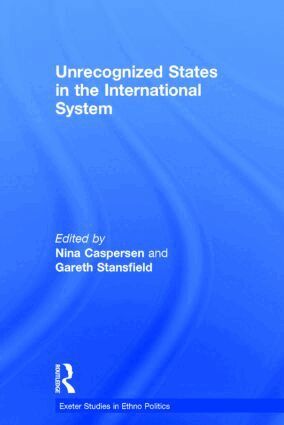
Unrecognized States in the International System
Av Nina Caspersen, Gareth Stansfield
Inbunden, 2010
2303 kr
Lägg i varukorg
Unrecognized states are territories that have achieved de facto independence, yet have failed to gain international recognition as independent states. These territories constitute anomalies in the international system of sovereign states and often present significant challenges to policy makers, as …
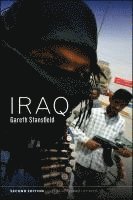
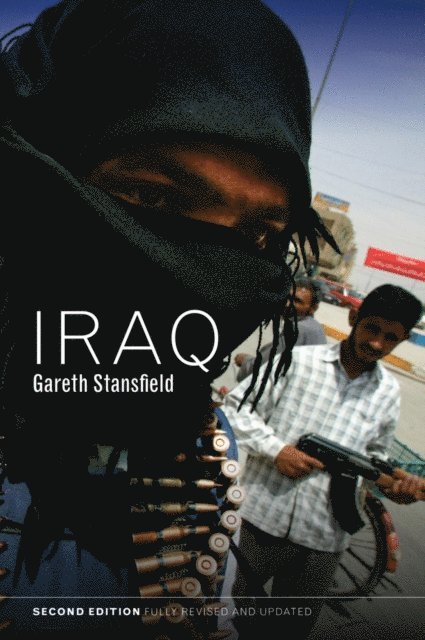
Iraq
People, History, Politics
Inbunden, 2016
869 kr
Lägg i varukorg
Few countries can claim to have endured such a difficult and tortuous history as that of Iraq. Its varied peoples have had to contend with externally imposed state-building at the end of the First World War, through to the rise of authoritarian military regimes, to the all-encompassing power of …
Iraq
People, History, Politics
Häftad, 2016
251 kr
Lägg i varukorg
Few countries can claim to have endured such a difficult and tortuous history as that of Iraq. Its varied peoples have had to contend with externally imposed state-building at the end of the First World War, through to the rise of authoritarian military regimes, to the all-encompassing power of …
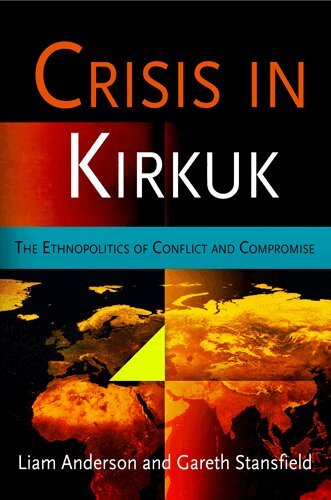
Crisis in Kirkuk
The Ethnopolitics of Conflict and Compromise
Av Liam Anderson, Gareth Stansfield
E-bok, 2011
1223 kr
Lägg i varukorg
Despite dramatic improvements in the security environment in most parts of Iraq, still unresolved are many core political issues, foremost of which is the conflict over the city and region of Kirkuk. With immense oil reserves and a diverse population of Kurds, Arabs, and Turkmens, Kirkuk in recent …
Unrecognized States in the International System
Av Gareth Stansfield, Nina Caspersen
E-bok, 2012
915 kr
Lägg i varukorg
Unrecognized states are territories that have achieved de facto independence, yet have failed to gain international recognition as independent states. These territories constitute anomalies in the international system of sovereign states and often present significant challenges to policy makers, as …
Unrecognized States in the International System
Av Gareth Stansfield, Nina Caspersen
E-bok, 2012
915 kr
Lägg i varukorg
Unrecognized states are territories that have achieved de facto independence, yet have failed to gain international recognition as independent states. These territories constitute anomalies in the international system of sovereign states and often present significant challenges to policy makers, as …
Unrecognized States in the International System
Av Nina Caspersen, Gareth Stansfield
Häftad, 2014
728 kr
Lägg i varukorg
Unrecognized states are territories that have achieved de facto independence, yet have failed to gain international recognition as independent states. These territories constitute anomalies in the international system of sovereign states and often present significant challenges to policy makers, as …
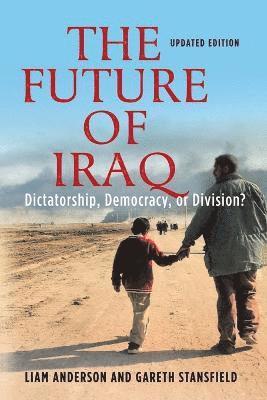
Future of Iraq
Dictatorship, Democracy, or Division
Av Liam Anderson, Gareth Stansfield m. fl.
Häftad, 2005
218 kr
Lägg i varukorg
Iraq
People, History, Politics
E-bok, 2016
286 kr
Lägg i varukorg
Few countries can claim to have endured such a difficult and tortuous history as that of Iraq. Its varied peoples have had to contend with externally imposed state-building at the end of the First World War, through to the rise of authoritarian military regimes, to the all-encompassing power of …
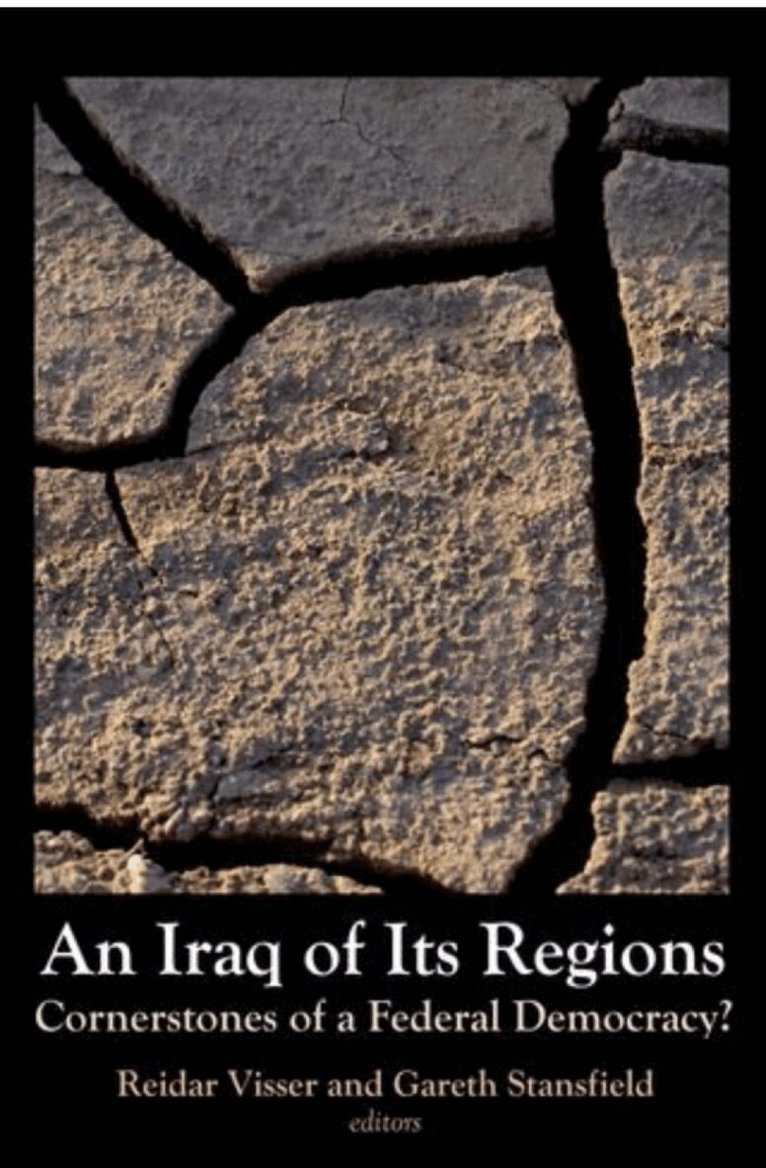
Iraq of Its Regions
Cornerstones of a Federal Democracy?
Av Reidar Visser, Gareth Stansfield
Häftad, 2007
537 kr
Lägg i varukorg
The fall of Saddam Hussein's regime may have marked a watershed in Iraqi history, but to the majority of Iraq's eighteen governorates, the most dramatic challenges may lie ahead. With the formation of federal entities south of Kurdistan enabled from 2008, fundamental changes to Iraq's state …