Gary Rhoades - Böcker
Visar alla böcker från författaren Gary Rhoades. Handla med fri frakt och snabb leverans.
4 produkter
4 produkter
451 kr
Skickas inom 5-8 vardagar
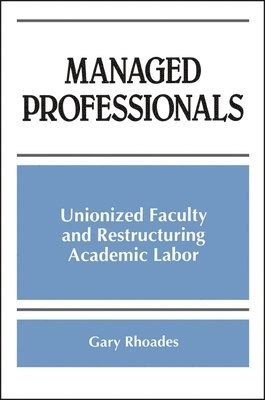
Focuses on the ongoing negotiations of professional autonomy and managerial discretion and provides insight into the broad restructuring of faculty, with conclusions that extend beyond unionized faculty to all of academe.Managed Professionals is a source book on the negotiated terms of faculty work and a sociological analysis of the restructuring of faculty as a professional workforce. Based on a sample of forty-five percent of the more than 470 negotiated faculty agreements nationwide (which cover over 242,000 faculty), the book offers extensive examples and analysis of contractual provisions on: salary structures; retrenchment; use and working conditions of part-time faculty; use of educational technology (in distance education); outside employment; and intellectual property rights.Focused on the ongoing negotiation of professional autonomy and managerial discretion, the book offers insights into the broad restructuring of faculty, with conclusions that extend beyond unionized faculty to all of academe. Faculty are managed professionals, and are increasingly so. Managers have much flexibility, and as they seek to reorganize colleges and universities, the exercise of their flexibility serves to heighten the divisions within the academic profession and to reconfigure the professional workforce on campus.
384 kr
Skickas inom 7-10 vardagar
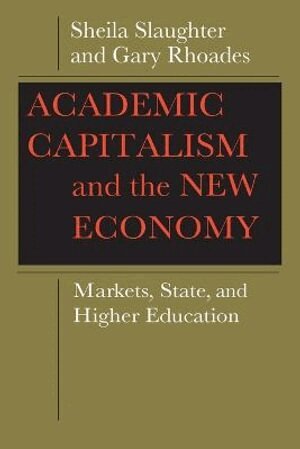
As colleges and universities become more entrepreneurial in a post-industrial economy, they focus on knowledge less as a public good than as a commodity to be capitalized on in profit-oriented activities. In Academic Capitalism and the New Economy, higher education scholars Sheila Slaughter and Gary Rhoades detail the aggressive engagement of U.S. higher education institutions in the knowledge-based economy and analyze the efforts of colleges and universities to develop, market, and sell research products, educational services, and consumer goods in the private marketplace. Slaughter and Rhoades track changes in policy and practice, revealing new social networks and circuits of knowledge creation and dissemination, as well as new organizational structures and expanded managerial capacity to link higher education institutions and markets. They depict an ascendant academic capitalist knowledge/learning regime expressed in faculty work, departmental activity, and administrative behavior.Clarifying the regime's internal contradictions, they note the public subsidies embedded in new revenue streams and the shift in emphasis from serving student customers to leveraging resources from them. Defining the terms of academic capitalism in the new economy, this groundbreaking study offers essential insights into the trajectory of American higher education.
352 kr
Skickas inom 7-10 vardagar
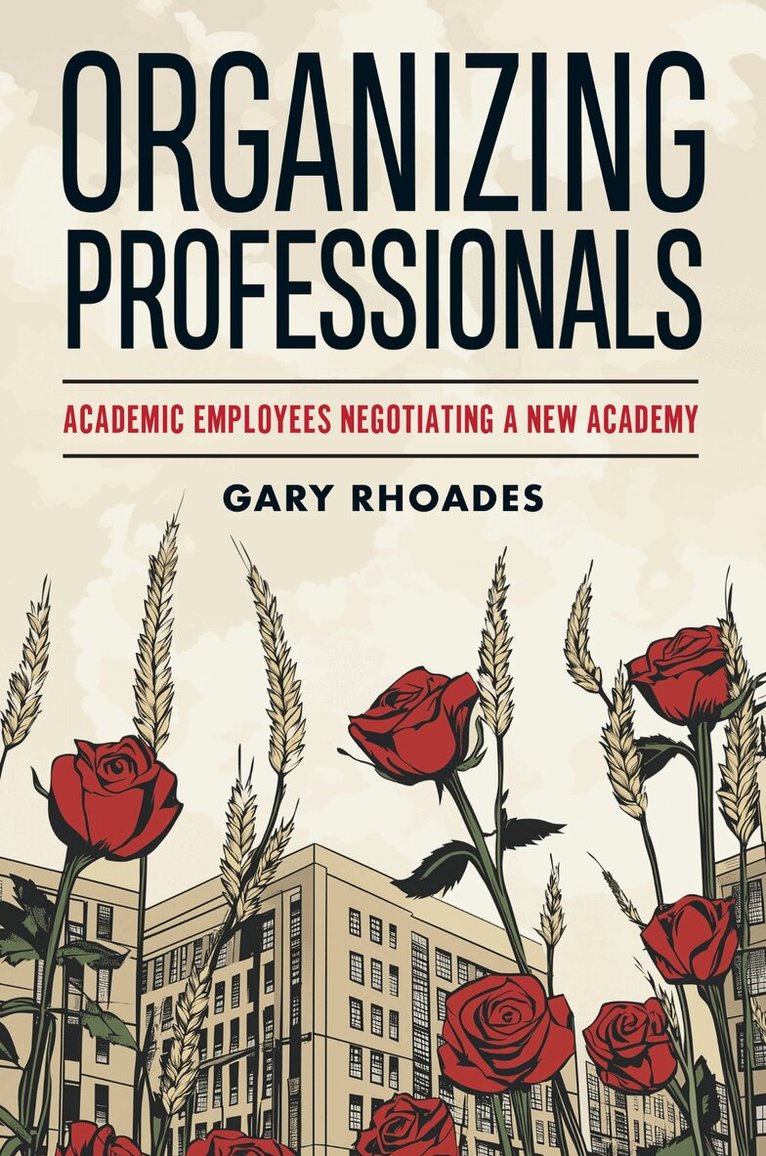
Amidst unprecedented levels of union organizing in higher education, Gary Rhoades combines the perspectives of a scholar and labor movement activist and leader to provide a comprehensive analysis of organizing campaigns and collective bargaining agreements for faculty (contingent and tenure-track), graduate students, and postdoc employees. Academic employees are organizing and negotiating for respect for workers, their work, and the public value of higher education. Rhoades analyzes how academic employees are shifting the imbalance of power between labor and management, reducing the internal professional stratification between segments of the academic workforce, and intersecting workplace issues with broader issues of equality, public value, and social justice, and in the process organizing and negotiating for a new, more progressive academy.
1 387 kr
Skickas inom 7-10 vardagar
Amidst unprecedented levels of union organizing in higher education, Gary Rhoades combines the perspectives of a scholar and labor movement activist and leader to provide a comprehensive analysis of organizing campaigns and collective bargaining agreements for faculty (contingent and tenure-track), graduate students, and postdoc employees. Academic employees are organizing and negotiating for respect for workers, their work, and the public value of higher education. Rhoades analyzes how academic employees are shifting the imbalance of power between labor and management, reducing the internal professional stratification between segments of the academic workforce, and intersecting workplace issues with broader issues of equality, public value, and social justice, and in the process organizing and negotiating for a new, more progressive academy.