Gary S. Cross - Böcker
Visar alla böcker från författaren Gary S. Cross. Handla med fri frakt och snabb leverans.
6 produkter
6 produkter
427 kr
Skickas inom 11-20 vardagar
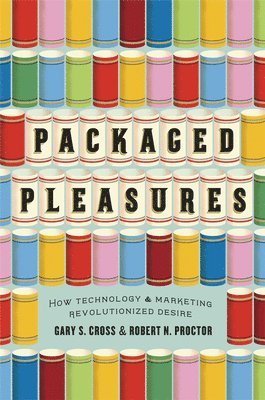
From the candy bar to the cigarette, records to roller coasters, a technological revolution during the last quarter of the nineteenth century precipitated a colossal shift in human consumption and sensual experience. Food, drink, and many other consumer goods came to be mass-produced, bottled, canned, condensed, and distilled, unleashing new and intensified surges of pleasure, delight, thrill - and addictions. In Packaged Pleasures, Gary S. Cross and Robert N. Proctor delve into an unchartered chapter of American history, shedding new light on the origins of modern consumer culture and how technologies have transformed human sensory experience. In the space of only a few decades, junk foods, cigarettes, movies, recorded sound, and thrill rides brought about a revolution in what it means to taste, smell, see, hear, and touch. New techniques of boxing, labeling, and tubing gave consumers virtually unlimited access to pleasures they could simply unwrap and enjoy. Manufacturers generated a seemingly endless stream of sugar-filled, high-fat foods that were delicious but detrimental to health. Mechanically rolled cigarettes entered the market and quickly addicted millions.And many other packaged pleasures dulled or displaced natural and social delights. Yet many of these same new technologies also offered convenient and effective medicines, unprecedented opportunities to enjoy music and the visual arts, and more hygienic, varied, and nutritious food and drink. For better or for worse, sensation became mechanized, commercialized, and, to a large extent, democratized by being made cheap and accessible. Cross and Proctor have delivered an ingeniously constructed history of consumerism and consumer technology that will make us all rethink some of our favorite things.
1 019 kr
Skickas inom 7-10 vardagar
For American teenagers, getting a driver’s license has long been a watershed moment, separating teens from their childish pasts as they accelerate toward the sweet, sweet freedom of their futures. With driver’s license in hand, teens are on the road to buying and driving(and maybe even crashing) their first car, a machine which is home to many a teenage ritual—being picked up for a first date, “parking” at a scenic overlook, or blasting the radio with a gaggle of friends in tow. So important is this car ride into adulthood that automobile culture has become a stand-in, a shortcut to what millions of Americans remember about their coming of age.Machines of Youth traces the rise, and more recently the fall, of car culture among American teens. In this book, Gary S. Cross details how an automobile obsession drove teen peer culture from the 1920s to the 1980s, seducing budding adults with privacy, freedom, mobility, and spontaneity. Cross shows how the automobile redefined relationships between parents and teenage children, becoming a rite of passage, producing new courtship rituals, and fueling the growth of numerous car subcultures. Yet for teenagers today the lure of the automobile as a transition to adulthood is in decline.Tinkerers are now sidelined by the advent of digital engine technology and premolded body construction, while the attention of teenagers has been captured by iPhones, video games, and other digital technology. And adults have become less tolerant of teens on the road, restricting both cruising and access to drivers’ licenses. Cars are certainly not going out of style, Cross acknowledges, but how upcoming generations use them may be changing. He finds that while vibrant enthusiasm for them lives on, cars may no longer be at the center of how American youth define themselves. But, for generations of Americans, the modern teen experience was inextricably linked to this particularly American icon.
290 kr
Skickas inom 7-10 vardagar
For American teenagers, getting a driver’s license has long been a watershed moment, separating teens from their childish pasts as they accelerate toward the sweet, sweet freedom of their futures. With driver’s license in hand, teens are on the road to buying and driving(and maybe even crashing) their first car, a machine which is home to many a teenage ritual—being picked up for a first date, “parking” at a scenic overlook, or blasting the radio with a gaggle of friends in tow. So important is this car ride into adulthood that automobile culture has become a stand-in, a shortcut to what millions of Americans remember about their coming of age.Machines of Youth traces the rise, and more recently the fall, of car culture among American teens. In this book, Gary S. Cross details how an automobile obsession drove teen peer culture from the 1920s to the 1980s, seducing budding adults with privacy, freedom, mobility, and spontaneity. Cross shows how the automobile redefined relationships between parents and teenage children, becoming a rite of passage, producing new courtship rituals, and fueling the growth of numerous car subcultures. Yet for teenagers today the lure of the automobile as a transition to adulthood is in decline.Tinkerers are now sidelined by the advent of digital engine technology and premolded body construction, while the attention of teenagers has been captured by iPhones, video games, and other digital technology. And adults have become less tolerant of teens on the road, restricting both cruising and access to drivers’ licenses. Cars are certainly not going out of style, Cross acknowledges, but how upcoming generations use them may be changing. He finds that while vibrant enthusiasm for them lives on, cars may no longer be at the center of how American youth define themselves. But, for generations of Americans, the modern teen experience was inextricably linked to this particularly American icon.
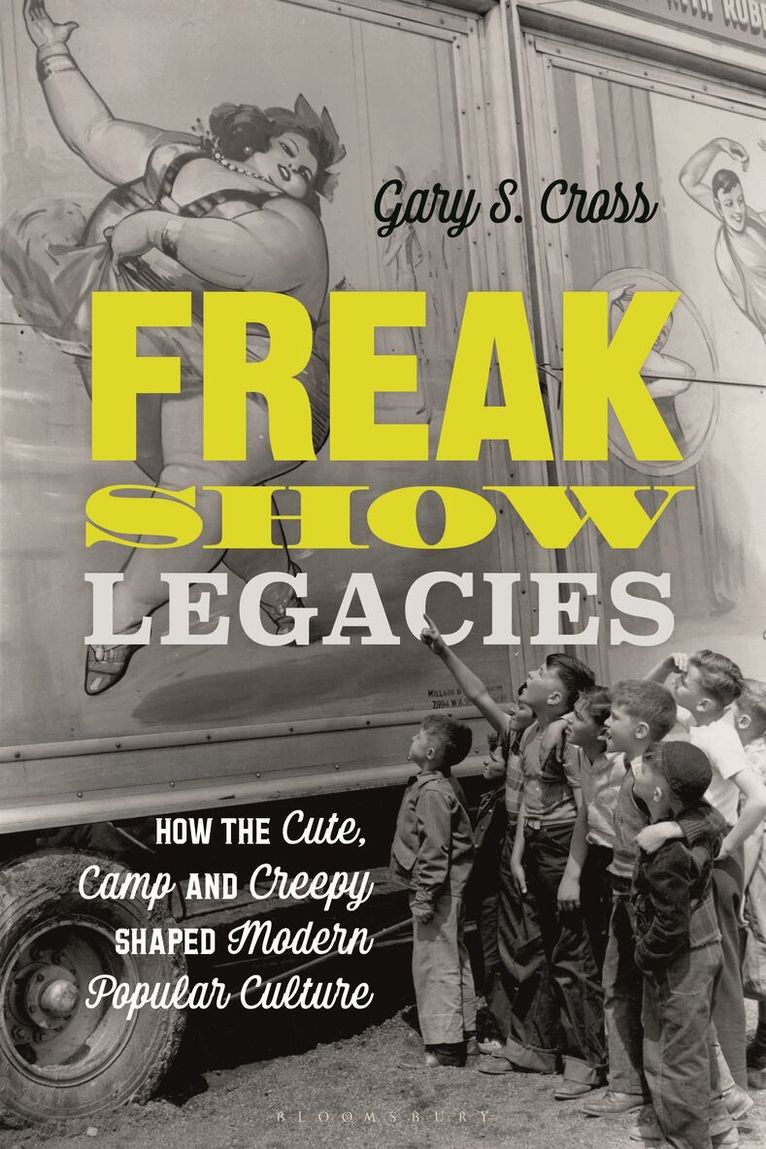
Freak Show Legacies
How the Cute, Camp and Creepy Shaped Modern Popular Culture
Häftad, Engelska, 2021
331 kr
Skickas
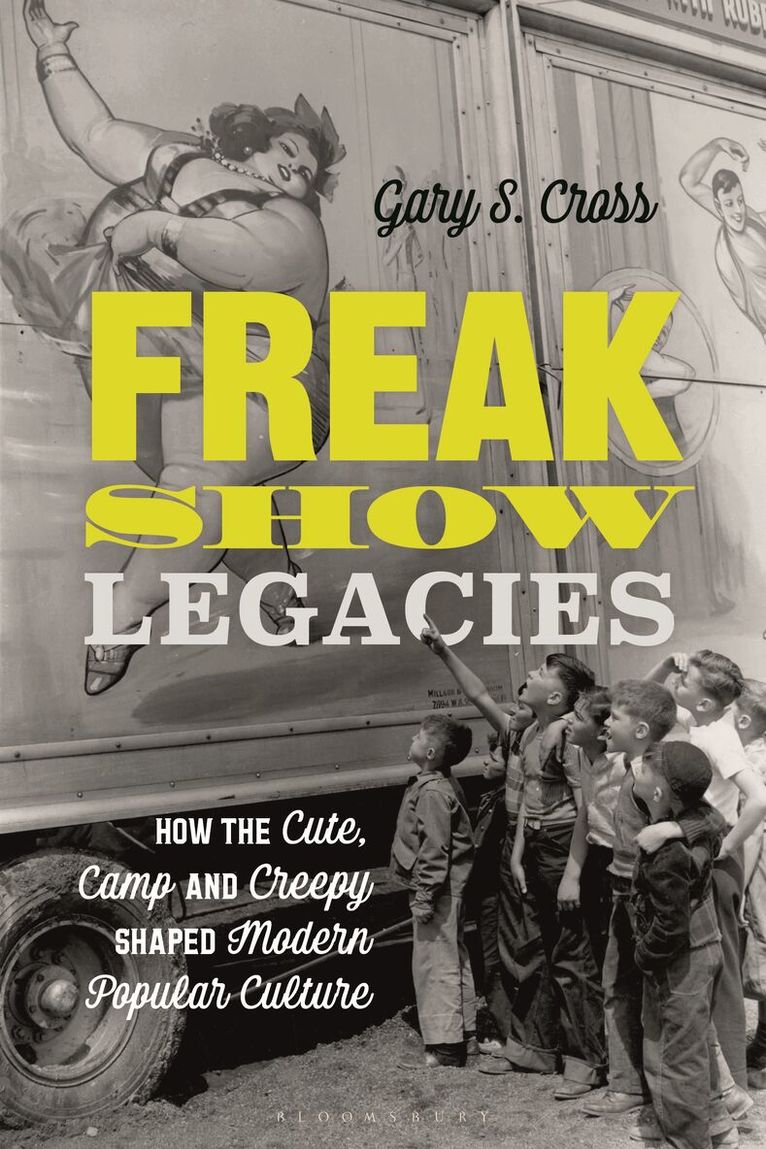
Society has long been fascinated with the freakish, shocking and strange. In this book Gary Cross shows how freakish elements have been embedded in modern popular culture over the course of the 20th century despite the evident disenchantment with this once widespread cultural outlet. Exploring how the spectacle of freakishness conflicted with genteel culture, he shows how the condemnation of the freak show by middle-class America led to a transformation and merging of genteel and freak culture through the cute, the camp and the creepy. Though the carnival and circus freak was marginalised by the 1960s and had largely disappeared by the 1980s, forms of freakish culture survived and today appear in reality TV, horror movies, dark comedies and the popularity of tattoos. Freak Show Legacies will focus less on the individual ‘freak’ as ‘the other’ in society, and more on the audience for the freakish and the transformation of wonder, sensibility and sensitivity that this phenomenon entailed. It will use the phenomenon of ‘the freak’ to understand the transformation of American popular culture across the 20th century, identify elements of ‘the freak’ in popular culture both past and present, and ask how it has prevailed despite its apparent unpopularity.
Freak Show Legacies
How the Cute, Camp and Creepy Shaped Modern Popular Culture
Inbunden, Engelska, 2021
725 kr
Skickas
Society has long been fascinated with the freakish, shocking and strange. In this book Gary Cross shows how freakish elements have been embedded in modern popular culture over the course of the 20th century despite the evident disenchantment with this once widespread cultural outlet. Exploring how the spectacle of freakishness conflicted with genteel culture, he shows how the condemnation of the freak show by middle-class America led to a transformation and merging of genteel and freak culture through the cute, the camp and the creepy. Though the carnival and circus freak was marginalised by the 1960s and had largely disappeared by the 1980s, forms of freakish culture survived and today appear in reality TV, horror movies, dark comedies and the popularity of tattoos. Freak Show Legacies will focus less on the individual ‘freak’ as ‘the other’ in society, and more on the audience for the freakish and the transformation of wonder, sensibility and sensitivity that this phenomenon entailed. It will use the phenomenon of ‘the freak’ to understand the transformation of American popular culture across the 20th century, identify elements of ‘the freak’ in popular culture both past and present, and ask how it has prevailed despite its apparent unpopularity.
390 kr
Skickas inom 10-15 vardagar
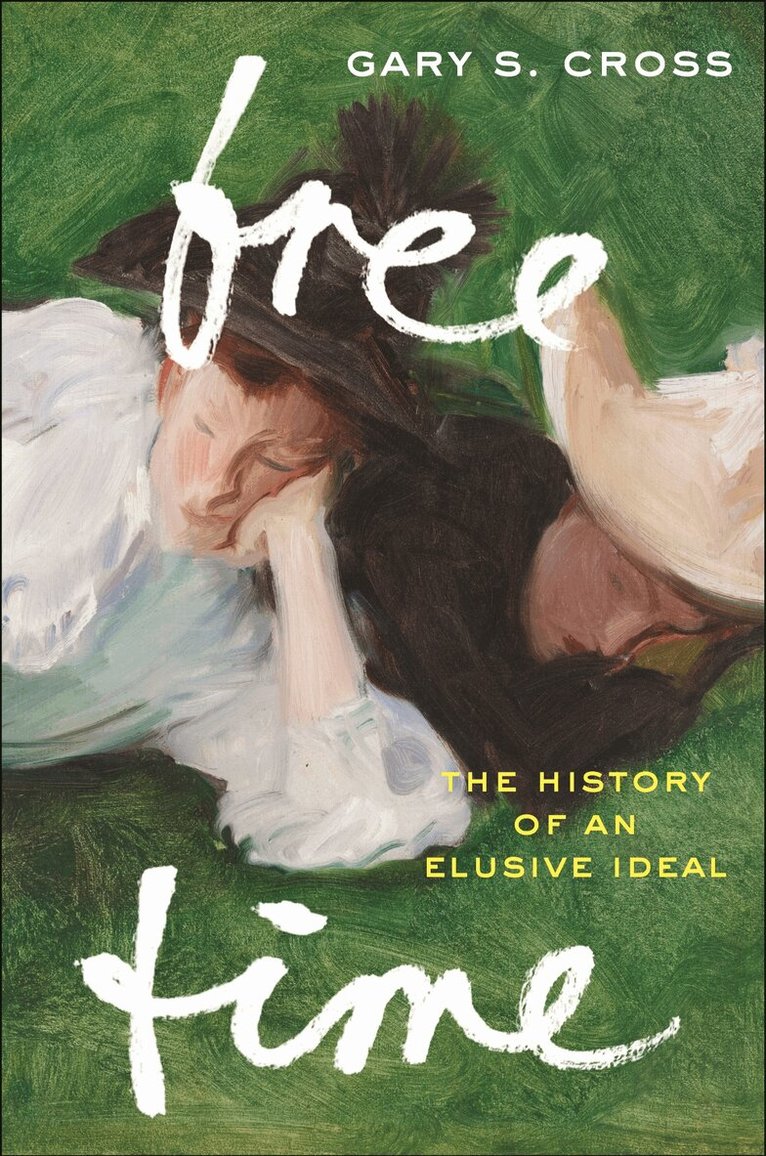
2024 Outstanding Academic Title, given by Choice Reviews The history of leisure time, from the earliest societies to the work-from-home eraFree time, one of life's most precious things, often feels unfulfilling. But why? And how did leisure activities transition from strolling in the park for hours to "doomscrolling" on social media for thirty minutes?Today, despite the promise of modern industrialization, many people experience both a scarcity of free time and a disappointment in it. Free Time offers a broad historical explanation of why our affluent society does not afford more time away from work and why that time is often unsatisfying. Gary S. Cross explores the cultural, social, economic, and political history, especially of the past 250 years to understand the roots of our conceptions of free time and its use. By the end of the nineteenth century, a common expectation was that industrial innovations would lead to a progressive reduction of work time and a subsequent rise in free time devoted to self-development and social engagement. However, despite significant changes in the early twentieth century, both goals were frustrated, thus leading to the contemporary dilemma.Cross touches on leisure of all kinds, from peasant festivals and aristocratic pleasure gardens to amusement parks, movie theaters and organized sports to internet surfing, and even the use of alcohol and drugs. This wide-ranging cultural and social history explores the industrial-era origins of our modern obsession with work and productivity, but also the historical efforts to liberate time from work and cultivate free time for culture. Insightful and informative, this book is sure to help you make sense of your own relationship to free time.