Gaylyn Studlar - Böcker
Visar alla böcker från författaren Gaylyn Studlar. Handla med fri frakt och snabb leverans.
8 produkter
8 produkter
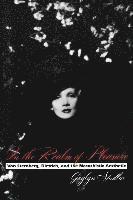
In the Realm of Pleasure
Von Sternberg, Dietrich, and the Masochistic Aesthetic
Häftad, Engelska, 1993
613 kr
Skickas inom 3-6 vardagar
This textual analysis of the six Paramount films directed by Josef von Sternberg which starred Marlene Dietrich, probes the source of their visual and psychological complexity. It illustrates how masochism extends into the area of artistic form, language and the production of pleasure.
831 kr
Tillfälligt slut
-- American Studies International
592 kr
Skickas inom 3-6 vardagar
-- American Studies International
305 kr
Skickas inom 10-15 vardagar
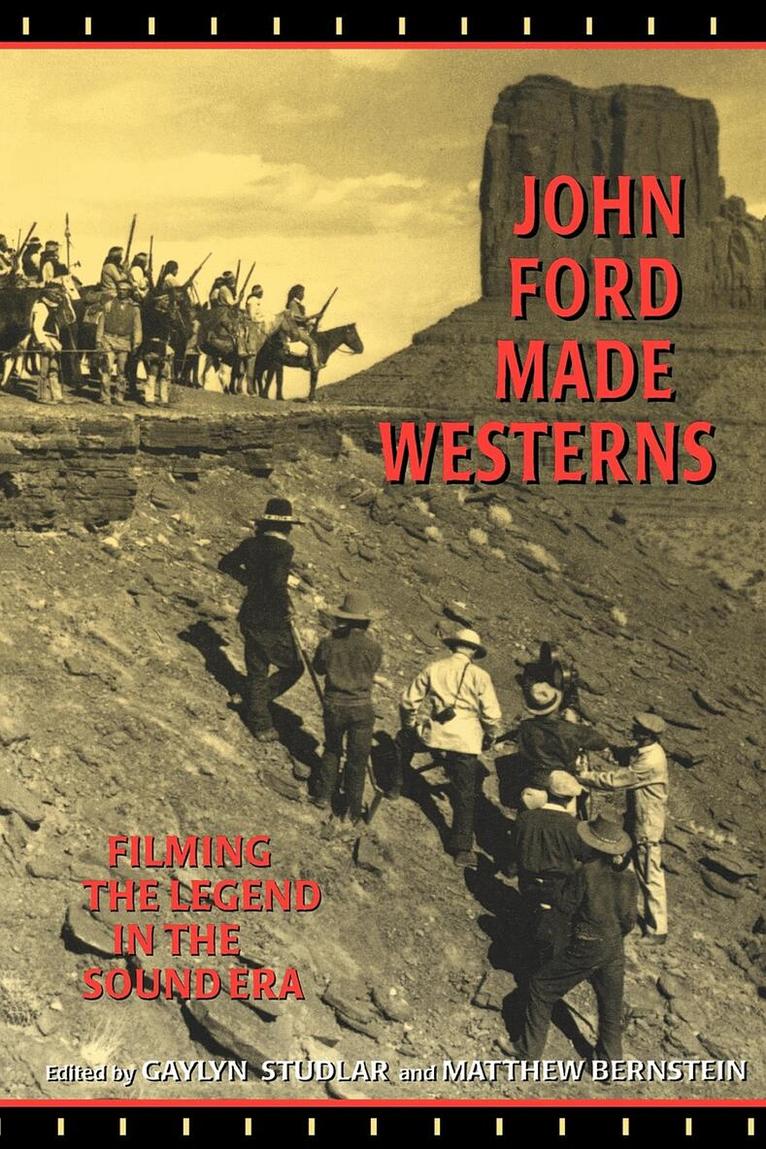
Fresh perspectives on some of the most influential films of John Ford.The Western is arguably the most popular and enduring form in cinematic history, and the acknowledged master of that genre was John Ford. His Westerns, including The Searchers, Stagecoach, and The Man Who Shot Liberty Valance, have had an enormous influence on contemporary U.S. films, from Star Wars to Taxi Driver.In John Ford Made Westerns, nine major essays by prominent scholars of Hollywood film situate the sound-era Westerns of John Ford within contemporary critical contexts and regard them from fresh perspectives. These range from examining Ford's relation to other art forms (most notably literature, painting, and music) to exploring the development of the director's reputation as a director of Westerns. While giving attention to film style and structure, the volume also treats the ways in which these much-loved films engage with notions of masculinity and gender roles, capitalism and community, as well as racial, sexual, and national identity.Contributors include Charles Ramirez Berg, Matthew Bernstein, Edward Buscombe, Joan Dagle, Barry Keith Grant, Kathryn Kalinak, Peter Lehman, Charles J. Maland, Gaylyn Studlar, and Robin Wood.ContentsPart IIntroduction, Gaylyn Studlar & Matthew Bernstein"'Shall We Gather at the River?': The Late Films of John Ford," Robin Wood"Sacred Duties, Poetic Passions: John Ford and Issue of Femininity in the Western," Gaylyn Studlar"The Margin as Center: The Multicultural Dynamics of John Ford's Westerns," Charles Ramirez Berg"Linear Patterns and Ethnic Encounters in the Ford Western," Joan Dagle"How the West Wasn't Won: the Repression of Capitalism in John Ford's Westerns," Peter Lehman"Painting the Legend: Frederic Remington and the Western," Edward Buscombe"'The Sound of Many Voices': Music in John Ford's Westerns," Kathryn Kalinak"John Ford and James Fenimore Cooper: Two Rode Together," Barry Keith Grant"From Aesthete to Pappy: The Evolution of John Ford's Public Reputation," Charles J. MalandPart II—DossierEmanuel Eisenberg, "John Ford: Fighting Irish," New Theater, April 1936Frank S. Nugent, "Hollywood's Favorite Rebel," Saturday Evening Post, July 23, 1949John Ford, "John Wayne—My Pal," Hollywood, no. 237 (March 17, 1951), translated from the Italian by Gloria MontiBill Libby, "The Old Wrangler Rides Again," Cosmopolitan, March 1964"About John Ford," Action 8.8 (Nov.-Dec. 1973)
258 kr
Skickas inom 7-10 vardagar
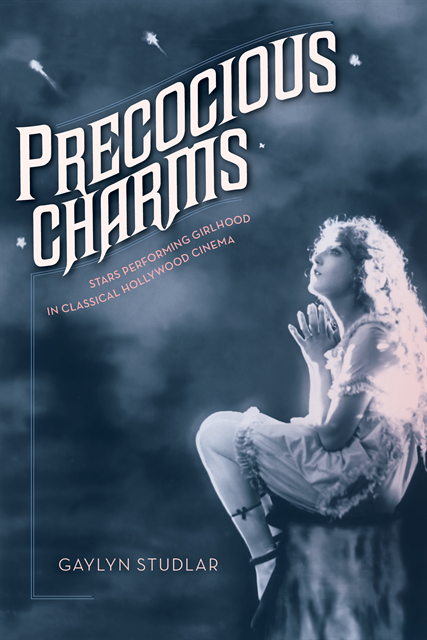
In Precocious Charms, Gaylyn Studlar examines how Hollywood presented female stars as young girls or girls on the verge of becoming women. Child stars are part of this study but so too are adult actresses who created motion picture masquerades of youthfulness. Studlar details how Mary Pickford, Shirley Temple, Deanna Durbin, Elizabeth Taylor, Jennifer Jones, and Audrey Hepburn performed girlhood in their films. She charts the multifaceted processes that linked their juvenated star personas to a wide variety of cultural influences, ranging from Victorian sentimental art to New Look fashion, from nineteenth-century children's literature to post-World War II sexology, and from grand opera to 1930s radio comedy. By moving beyond the general category of "woman," Precocious Charms leads to a new understanding of the complex pleasures Hollywood created for its audience during the half century when film stars were a major influence on America's cultural imagination.
397 kr
Skickas inom 5-8 vardagar
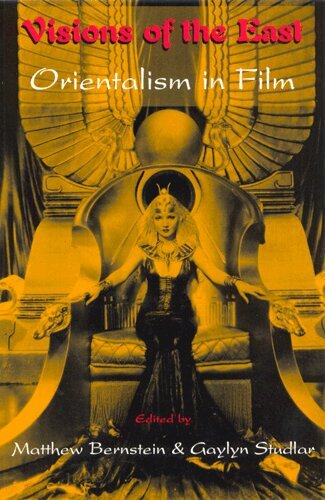
The Sheik. PÉpÉ le Moko. Casablanca. Aladdin. Some of the most popular and frequently discussed titles in movie history are imbued with orientalism, the politically-charged way in which western artists have represented gender, race, and ethnicity in the cultures of North Africa and Asia. This is the first anthology to address and highlight orientalism in film from pre-cinema fascinations with Egyptian culture through the "Whole New World" of Aladdin. Eleven illuminating and well-illustrated essays utilize the insights of interdisciplinary cultural studies, psychoanalysis, feminism, and genre criticism. Other films discussed includeThe Letter, Caesar and Cleopatra, Lawrence of Arabia, Indochine, and several films of France's cinÉma colonial.
363 kr
Skickas inom 5-8 vardagar
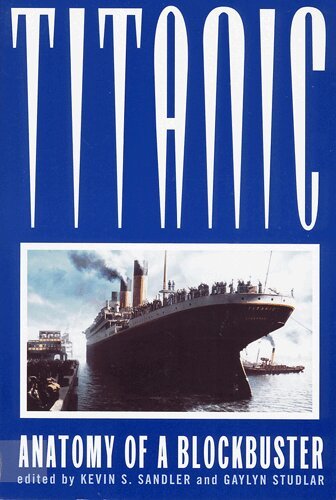
On April 14, 1912, the Titanic struck an iceberg off Newfoundland. Taking more than 1,500 souls with her, Titanic sunk on what was intended to be the glorious maiden voyage of the biggest, most expensive, and most technologically advanced ship ever built.In 1997, James Cameron’s Titanic, the most expensive and technologically advanced movie ever made, hit theaters. In 13 weeks, it became the highest-grossing film in North America, and shortly thereafter, the first motion picture to earn a billion dollars worldwide.The cultural studies and film scholars who have contributed 13 essays to this collection ask the key question-Why? What made Titanic such a popular movie? Why has this film become a cultural and film phenomenon? What makes it so fascinating to the film-going public?The articles address everything from the nostalgia evoked by the film to the semiotic meaningfulness created around “The Heart of the Ocean” diamond that figures so prominently as a symbol in the film. Contributors address questions of the representations of class, sexuality, and gender; analyze the cross-cultural reception of the film in nationally specific contexts; examine the impact of strategies for marketing the film through music; and cover the implications of the budget toward the film’s success. Finally, the contributors address the film’s multi-faceted relationship to genre, history, stardom, and contemporary social and economic means.
276 kr
Skickas inom 10-15 vardagar
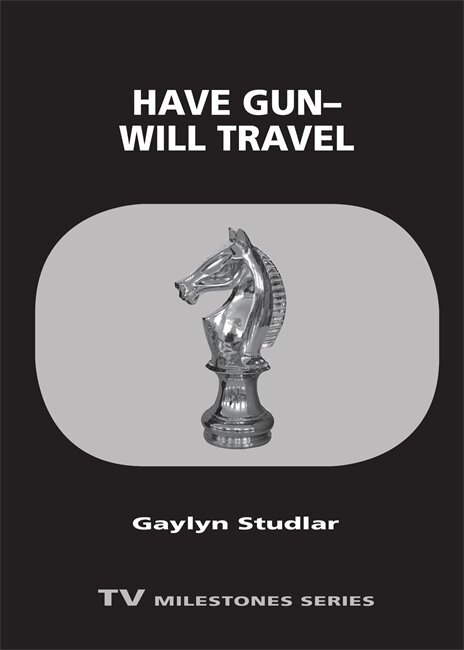
One of the most successful series of its time, Have Gun-Will Travel became a cultural phenomenon in the late 1950s and made its star, Richard Boone, a nationwide celebrity. The series offered viewers an unusual hero in the mysterious, Shakespeare-spouting gunfighter known only as ""Paladin"" and garnered a loyal fan base, including a large female following. In Have Gun-Will Travel, film scholar Gaylyn Studlar draws on a remarkably wide range of episodes from the series' six seasons to show its sophisticated experimentation with many established conventions of the Western.Studlar begins by exploring how the series made the television Western sexy, speaking to mid-twentieth century anxieties and aspirations in the sexual realm through its ""dandy"" protagonist and more liberal expectations of female sexuality. She also explores the show's interest in a variety of historical issues and contemporaneous concerns-including differing notions of justice and the meaning of racial and cultural difference in an era marked by the civil rights movement. Through a production history of Have Gun-Will Travel, Studlar provides insight into the television industry of the late 1950s and early 1960s, showing how, in this transition period in which programming was moving from sponsor to network control, the series' star exercised controversial influence on his show's aesthetics.Because Have Gun-Will Travel was both so popular and so different from its predecessors and rivals, it presents a unique opportunity to examine what pleasures and challenges television Westerns could offer their audiences. Fans of the show as well as scholars of TV history and the Western genre will enjoy this insightful volume.