Geoffrey Blundell - Böcker
Visar alla böcker från författaren Geoffrey Blundell. Handla med fri frakt och snabb leverans.
5 produkter
5 produkter
649 kr
Skickas inom 10-15 vardagar
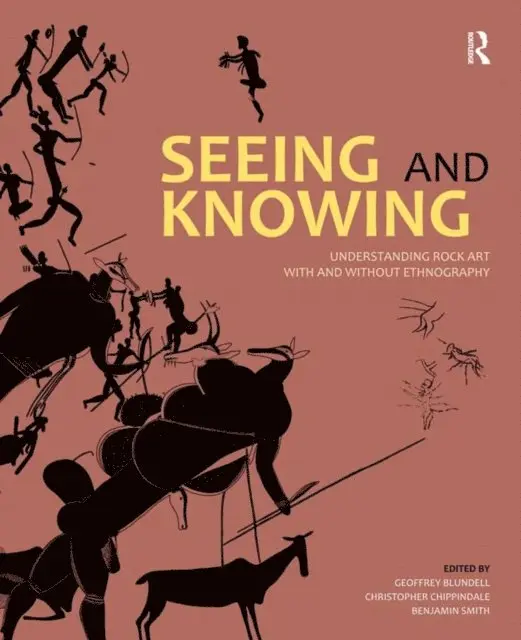
The purpose of Seeing and Knowing is to demonstrate the depth and wide geographical impact of David Lewis-Williams’ contribution to rock art research by emphasizing theory and methodology drawn from ethnography. Contributors explore what it means to understand and learn from rock art, and a contrast is drawn between those sites where it is possible to provide a modern, ethnographic context, and those sites where it is not. This is the definitive guide to the interplay between ethnography and rock art interpretation, and is an ideal resource for students and researchers alike.
373 kr
Skickas inom 7-10 vardagar
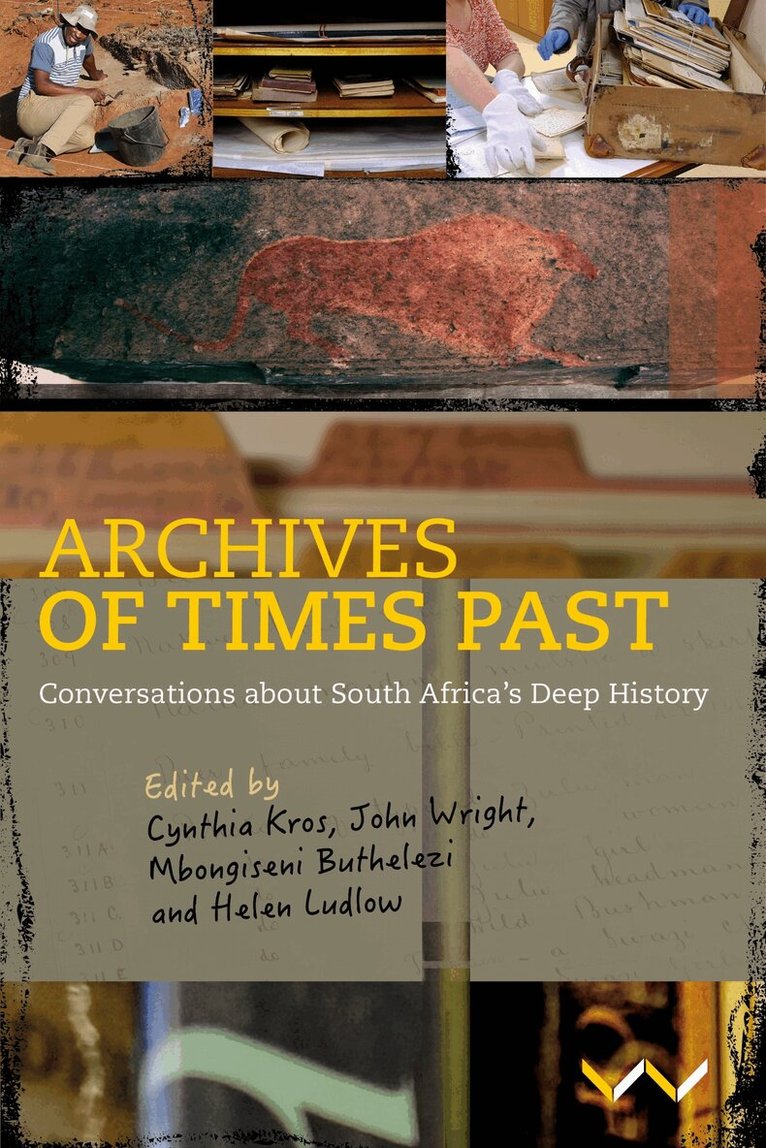
This volume critically examines sources of evidence and material from the archive that historically have been used to tell southern Africa's pre-colonial story.
1 323 kr
Skickas inom 5-8 vardagar
This volume critically examines sources of evidence and material from the archive that historically have been used to tell southern Africa's pre-colonial story.
409 kr
Skickas inom 11-20 vardagar
The depth and wide geographical impact of David Lewis-Williams. It is largely through the work of David Lewis-Williams that San rock art has come to be understood so well, as a complex symbolic and metaphoric representation of San religious beliefs and practices. The purpose of this volume is to demonstrate the depth and wide geographical impact of Lewis-Williams' contribution, with particular emphasis on the use of theory and methodology drawn from ethnography that he has used with inspirational effect in understanding the meaning and context of rock art in various parts of the world. Seeing and Knowing explores how to understand and learn from rock art with and without ethnography. Because many of the chapters are based on solid fieldwork and ethnographic research, they offer a new body of work that provides the evidence for differentiation between knowing and simply seeing. This volume is unique in that it focuses exclusively on rock art and ethnography, and covers such a wide geographic range of examples on this topic, from southern Africa, to Scandinavia, to the United States. Many of the chapters explore studies in rock art regions of the world where variation and constancy can be observed and explored across distances both in space and in time. The editors have entitled the book Seeing and Knowing to echo Lewis-Williams' Believing and Seeing published almost thirty years ago; they say 'seeing' again because looking at rock art is and will always be central, and then what is seen when human eyes and minds look; they say 'knowing' in recognition that, by his work and by his example, archaeologists now know a little more than they knew before. Even so, as Lewis-Williams will be the first to say, we still know only a fraction.
275 kr
Skickas inom 5-8 vardagar
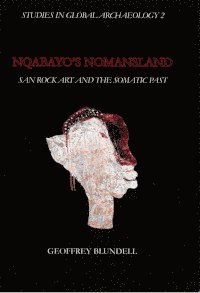
Although researchers have made advances in understanding the meanings behid southern African San rock art over the past 25 years, there are still many unresolved issues. The most significant of these concerns the manner in which rock paintings can be used in the construcion of San history. As there is only limited chronological control over the rock art, the inclusion of San imagery into history is necessarily a theoretical concern. While previous efforts to include the art in the writing of a past have included functionalist, structuralmarxist abd structuration approaches, in this work, it is argued that body and embodiment offer better theoretical tools for integrating the images into history. These concepts are applied to newly discovered - and already known - rock painting sites from an area previously known as Nomansland, in South Africa. There are detailed historical records for this area that allow us to link these pictures to people and to known places of historical significance. Although some of the material is well-known, this work presents new archival evidence and, for the first time in southern African archaeology, shows how this material is related to a richly painted landscape. By drawing on new theoretical concerns, newly discovered images and new archival material, Nqabayo's Nomansland contributes to broader theoretical debates in southern African archaeology, anthropology, rock art research and history.