George Boas – författare
Visar alla böcker från författaren George Boas. Handla med fri frakt och snabb leverans.
20 produkter
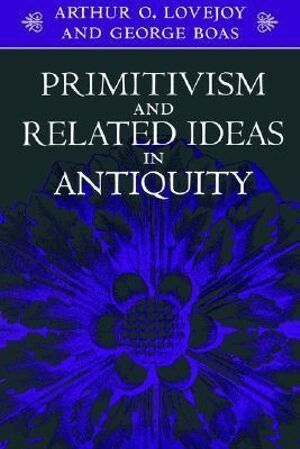
Primitivism and Related Ideas in Antiquity
Av Arthur O. Lovejoy, George Boas
Häftad, 1997
436 kr
Lägg i varukorg
Primitivism and Related Ideas in Antiquity was intended to be the first volume of a four-part series of books covering the history of primitivism and related ideas, but the outbreak of World War II, and, later, Lovejoy's death, prevented the other books from being published as originally conceived …
Adventures of Human Thought
The Major Traditions of European Philosophy
Av George Boas
Inbunden, 2026
461 kr
Lägg i varukorg
Adventures of Human Thought
The Major Traditions of European Philosophy
Av George Boas
Häftad, 2026
346 kr
Lägg i varukorg
Critical Analysis of the Philosophy of Emile Meyerson
Av George Boas
Inbunden, 2026
363 kr
Lägg i varukorg
Critical Analysis of the Philosophy of Emile Meyerson
Av George Boas
Häftad, 2026
214 kr
Lägg i varukorg
Vox Populi
Essays in the History of an Idea
Av George Boas
Häftad, 2020
605 kr
Lägg i varukorg
Originally published in 1969. The proverb vox populi, vox Dei first appeared in a work by Alcuin (ca. 798), who wrote that "the people [] are to be led, not followed. [] Nor are those to be listened to who are accustomed to say, 'The voice of the people is the voice of God.'" Tracing the changing …
Rationalism in Greek Philosophy
Av George Boas
Häftad, 2020
725 kr
Lägg i varukorg
Originally published in 1961. Greek philosophers were concerned with the distinction between appearance and reality, and all the differences in their philosophic systems were ultimately predicated on their different views of this distinction. The history of Greek rationalism is, then, a study of …
Studies in Intellectual History
Häftad, 2020
443 kr
Lägg i varukorg
Originally published in 1953. In this collection of essays, prominent midcentury intellectual historians provide critical essays on their field of specialty. Studies in Intellectual History gathers work by Harold Cherniss, George Boas, Ludwig Edelstein, Leo Spitzer, and others.
Some Assumptions of Aristotle
Transactions, American Philosophical Society (vol. 49, Part 6)
Av George Boas
Häftad, 1959
981 kr
Lägg i varukorg
Primitivism and Related Ideas in the Middle Ages
Av George Boas
Häftad, 1997
274 kr
Tillfälligt slut
"All of us men were born in the first man without vice, and all of us lost the innocence of our nature by the sin of the same man. Thence our inherited mortality, thence the manifold corruptions of body and mind, thence ignorance, distress, useless cares, illicit lusts, sacrilegious errors, empty …