George F. Koob - Böcker
1 000 kr
Skickas inom 7-10 vardagar
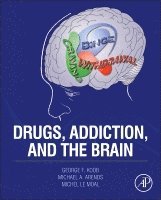
Drugs, Addiction, and the Brain explores the molecular, cellular, and neurocircuitry systems in the brain that are responsible for drug addiction. Common neurobiological elements are emphasized that provide novel insights into how the brain mediates the acute rewarding effects of drugs of abuse and how it changes during the transition from initial drug use to compulsive drug use and addiction. The book provides a detailed overview of the pathophysiology of the disease. The information provided will be useful for neuroscientists in the field of addiction, drug abuse treatment providers, and undergraduate and postgraduate students who are interested in learning the diverse effects of drugs of abuse on the brain.
Full-color circuitry diagrams of brain regions implicated in each stage of the addiction cycle Actual data figures from original sources illustrating key concepts and findings Introduction to basic neuropharmacology terms and concepts Introduction to numerous animal models used to study diverse aspects of drug use. Thorough review of extant work on the neurobiology of addiction1 785 kr
Skickas inom 7-10 vardagar
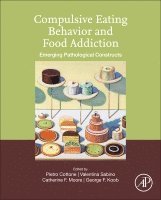
Compulsive Eating Behavior and Food Addiction
Emerging Pathological Constructs
1 490 kr
Skickas inom 7-10 vardagar
Compulsive Eating Behavior and Food Addiction: Emerging Pathological Constructs is the first book of its kind to emphasize food addiction as an addictive disorder. This book focuses on the preclinical aspects of food addiction research, shifting the focus towards a more complex behavioral expression of pathological feeding and combining it with current research on neurobiological substrates. This book will become an invaluable reference for researchers in food addiction and compulsive eating constructs.
Compulsive eating behavior is a pathological form of feeding that phenotypically and neurobiologically resembles the compulsive-like behaviors associated with both drug abuse and behavioral addictions. Compulsive eating behavior, including Binge Eating Disorder (BED), certain forms of obesity, and 'food addiction' affect an estimated 70 million individuals worldwide.
Synthesizes clinical and preclinical perspectives on addictive eating behavior Identifies how food addiction is similar and/or different from other addictions Focuses on the underlying neurobiological mechanisms Provides information on therapeutic interventions for patients with food addiction1 177 kr
Kommande
1 238 kr
Skickas inom 7-10 vardagar
Introduction to Addiction
Addiction, Animal Models, and Theories
1 250 kr
Skickas inom 7-10 vardagar
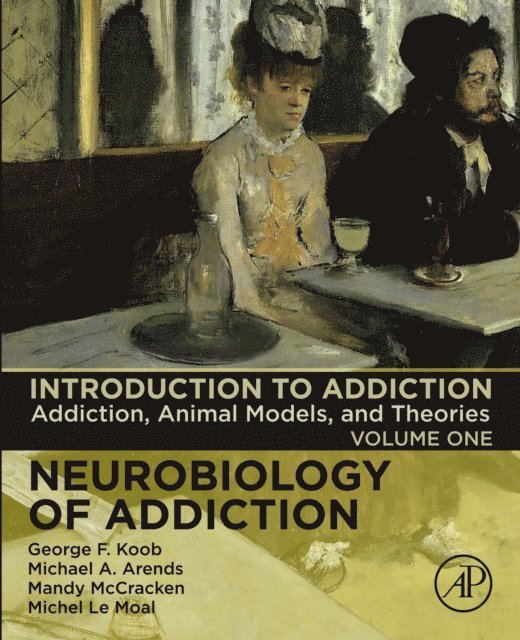
Introduction to Addiction, Volume One in the series, introduces the reader to the study of neurobiology of addiction by clearly defining addiction and its neuroadaptational views. This volume includes thorough descriptions of the various animal models applicable to the study of addiction, including Animal Models of the Binge-Intoxication Stage of the Addiction Cycle and Animal Models of Vulnerability to Addiction. The book's authors also include a section on numerous neurobiological theories that aid in the understanding of addiction, including dopamine, prefrontal cortex and relapse.
Provides neurobiological theories on how addiction works Explains addiction cycle stages of binge, withdrawal and anticipation Reviews the role of dopamine and the frontal cortex in addiction Discusses the neurocircuitry of reward and stress Includes animal models and neuroadaptational views on addiction1 202 kr
Skickas inom 7-10 vardagar
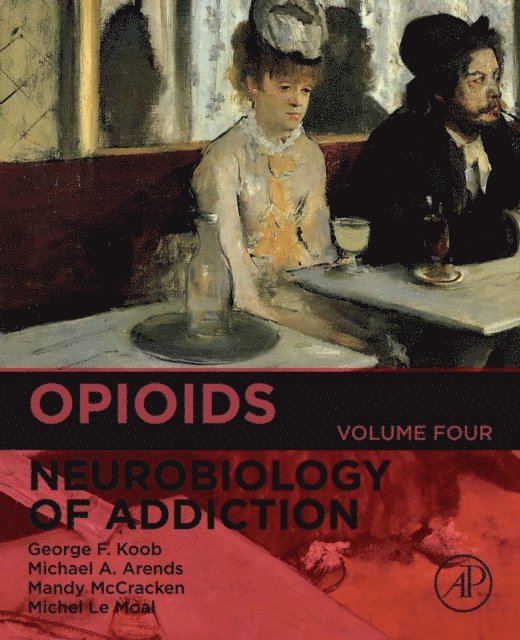
A current survey and synthesis of the most important findings in our understanding of the neurobiological mechanisms of addiction is detailed in our Neurobiology of Addiction series, each volume addressing a specific area of addiction. Opioids, Volume 4 in the series, explores the molecular, cellular and systems in the brain responsible for opioid addiction using the heuristic three-stage cycle framework of binge/intoxication, withdrawal/negative affect, and preoccupation/anticipation.
Highlights recent advances in opioid addiction Includes Neurocircuitry, Cellular and Molecular neurobiological mechanisms of opioid addiction Defines opioid abuse and addiction potential, including biological tolerance1 202 kr
Skickas inom 7-10 vardagar
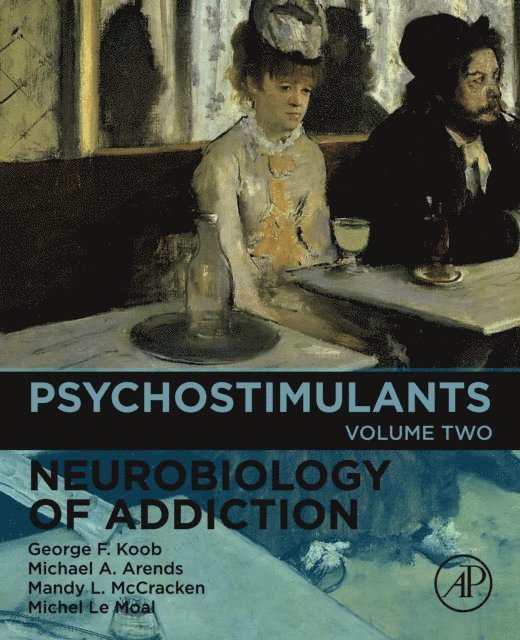
A current survey and synthesis of the most important findings in our understanding of the neurobiological mechanisms of addiction are detailed in our Neurobiology of Addiction series, each volume addressing a specific area of addiction. Psychostimulants, Volume 2 in the series, explores the molecular and cellular systems in the brain responsible for psychostimulant addiction, including both direct/indirect sympathomimetics and nonsympathomimetics. This volume introduces the readers to the history of psychostimulant use. The authors clearly differentiate the neurobiological effects into three distinct stages of the addiction cycle: binge/intoxication, withdrawal/negative affect, and preoccupation/anticipation.
Highlights recent advances in psychostimulant addiction Includes neurocircuitry, cellular and molecular neurobiological mechanisms of psychostimulant addiction Defines the abuse and addiction potentials of both direct and indirect sympathomimetics and nonsympathomimetics2 250 kr
Tillfälligt slut
1 110 kr
Skickas inom 10-15 vardagar
1 578 kr
Skickas inom 7-10 vardagar
447 kr
Skickas inom 10-15 vardagar
1 096 kr
Skickas inom 10-15 vardagar