Rafael Maldonado – författare
Visar alla böcker från författaren Rafael Maldonado. Handla med fri frakt och snabb leverans.
7 produkter
7 produkter
Inbunden, Engelska, 2002
1 680 kr
Skickas inom 10-15 vardagar
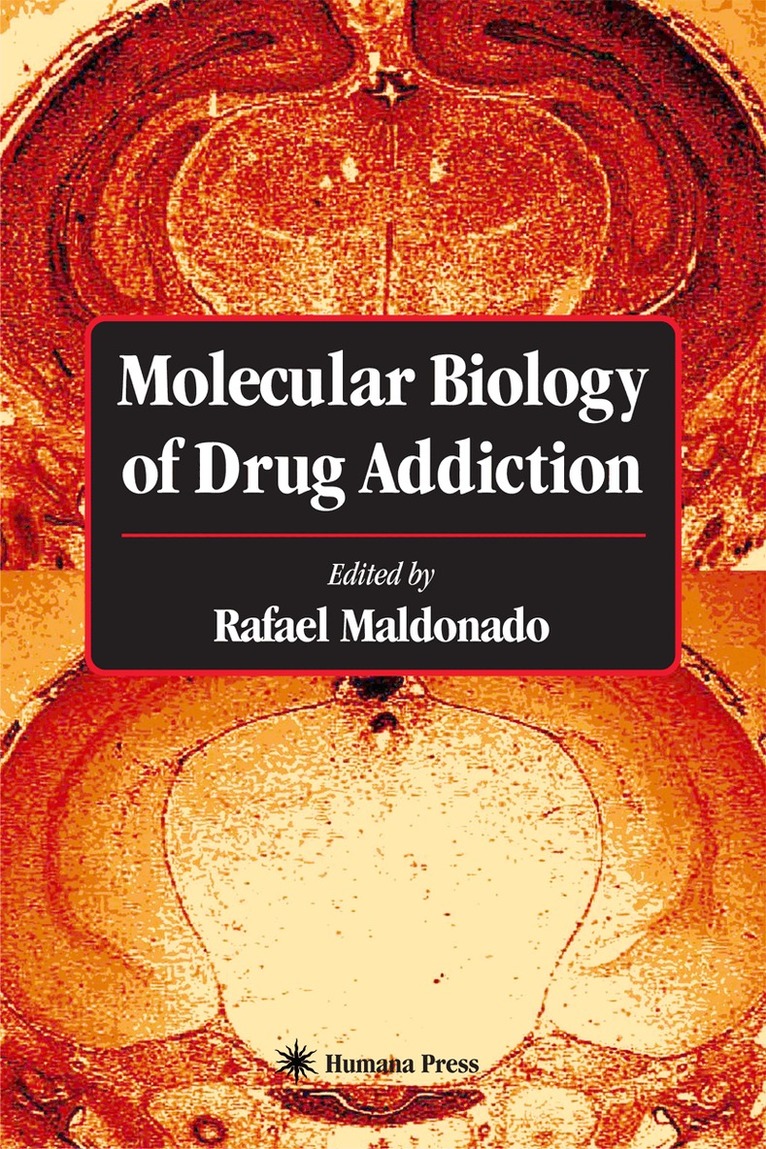
A comprehensive multidisciplinary review of the most relevant molecular, genetic, and behavioral approaches used to investigate the neurobiological basis of drug addiction.
E-bok
PDF, Engelska, 20021 977 kr
Läs direkt efter köp
A comprehensive multidisciplinary review of the most relevant molecular, genetic, and behavioral approaches used to investigate the neurobiological basis of drug addiction. The authors explore the latest findings on opioid, psychostimulant, cannabinoid, alcohol, and nicotine addiction, provide fresh insights into the genetic basis of drug addiction and the new therapeutic perspectives these have opened. They describe the technology available to generate conditional knockout mice and show how these mice can reveal the molecular basis of opioid, psychostimulant, and cannabinoid addiction. They also review the different behavioral models available to evaluate the rewarding effects of drugs and analyze the genes involved in alcohol dependence.
Häftad, Engelska, 2010
1 631 kr
Skickas inom 10-15 vardagar
A comprehensive multidisciplinary review of the most relevant molecular, genetic, and behavioral approaches used to investigate the neurobiological basis of drug addiction. The authors explore the latest findings on opioid, psychostimulant, cannabinoid, alcohol, and nicotine addiction, provide fresh insights into the genetic basis of drug addiction and the new therapeutic perspectives these have opened. They describe the technology available to generate conditional knockout mice and show how these mice can reveal the molecular basis of opioid, psychostimulant, and cannabinoid addiction. They also review the different behavioral models available to evaluate the rewarding effects of drugs and analyze the genes involved in alcohol dependence.
E-bok
Engelska, 20142 280 kr
Läs direkt efter köp
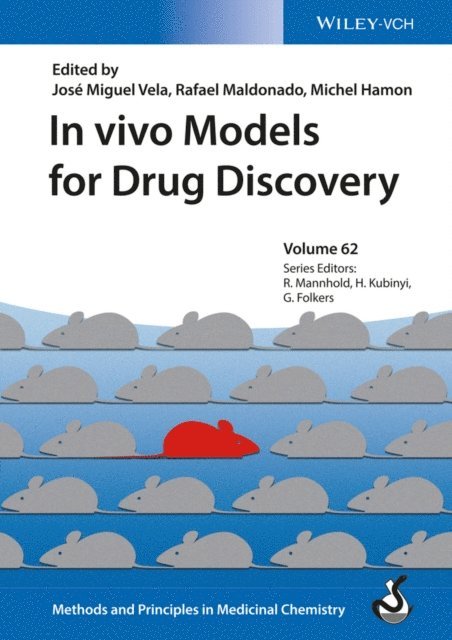
This one-stop reference is the first to present the complete picture -- covering all relevant organisms, from single cells to mammals, as well as all major disease areas, including neurological disorders, cancer and infectious diseases. Addressing the needs of the pharmaceutical industry, this unique handbook adopts a broad perspective on the use of animals in the early part of the drug development process, including regulatory rules and limitations, as well as numerous examples from real-life drug development projects. After a general introduction to the topic, the expert contributors from research-driven pharmaceutical companies discuss the basic considerations of using animal models, including ethical issues. The main part of the book systematically surveys the most important disease areas for current drug development, from cardiovascular to endocrine disorders, and from infectious to neurological diseases. For each area, the availability of animal models for target validation, hit finding and lead profiling is reviewed, backed by numerous examples of both successes and failures among the use of animal models. The whole is rounded off with a discussion of perspectives and challenges. Key knowledge for drug researchers in industry as well as academia.
E-bok
PDF, Engelska, 20142 280 kr
Läs direkt efter köp
This one-stop reference is the first to present the complete picture -- covering all relevant organisms, from single cells to mammals, as well as all major disease areas, including neurological disorders, cancer and infectious diseases. Addressing the needs of the pharmaceutical industry, this unique handbook adopts a broad perspective on the use of animals in the early part of the drug development process, including regulatory rules and limitations, as well as numerous examples from real-life drug development projects. After a general introduction to the topic, the expert contributors from research-driven pharmaceutical companies discuss the basic considerations of using animal models, including ethical issues. The main part of the book systematically surveys the most important disease areas for current drug development, from cardiovascular to endocrine disorders, and from infectious to neurological diseases. For each area, the availability of animal models for target validation, hit finding and lead profiling is reviewed, backed by numerous examples of both successes and failures among the use of animal models. The whole is rounded off with a discussion of perspectives and challenges. Key knowledge for drug researchers in industry as well as academia.
E-bok
PDF, Engelska, 20131 408 kr
Läs direkt efter köp
Some general aspects of opiate dependence are described in a first section including a brief historical description and an explanation of the different models currently used to investigate opiate dependence. The neurobiological bases of opiate withdrawal are detailed in a second section, which particularly emphasizes the neurophysiological adaptative changes, the processes of homologous and heterologous regulation, and the role played by different brain structures and several endogenous peptides acting as antiopiates. The last part reports several basic aspects more directly related to the clinical perspectives of opiate dependence, such as the new expectations in the treatment of opiate withdrawal or the relationships between sensitization, tolerance and withdrawal.
Häftad, Engelska, 2013
1 122 kr
Skickas inom 10-15 vardagar
Some general aspects of opiate dependence are described in a first section including a brief historical description and an explanation of the different models currently used to investigate opiate dependence. The neurobiological bases of opiate withdrawal are detailed in a second section, which particularly emphasizes the neurophysiological adaptative changes, the processes of homologous and heterologous regulation, and the role played by different brain structures and several endogenous peptides acting as antiopiates. The last part reports several basic aspects more directly related to the clinical perspectives of opiate dependence, such as the new expectations in the treatment of opiate withdrawal or the relationships between sensitization, tolerance and withdrawal.