Gerald Figal - Böcker
Visar alla böcker från författaren Gerald Figal. Handla med fri frakt och snabb leverans.
3 produkter
3 produkter
362 kr
Skickas inom 7-10 vardagar
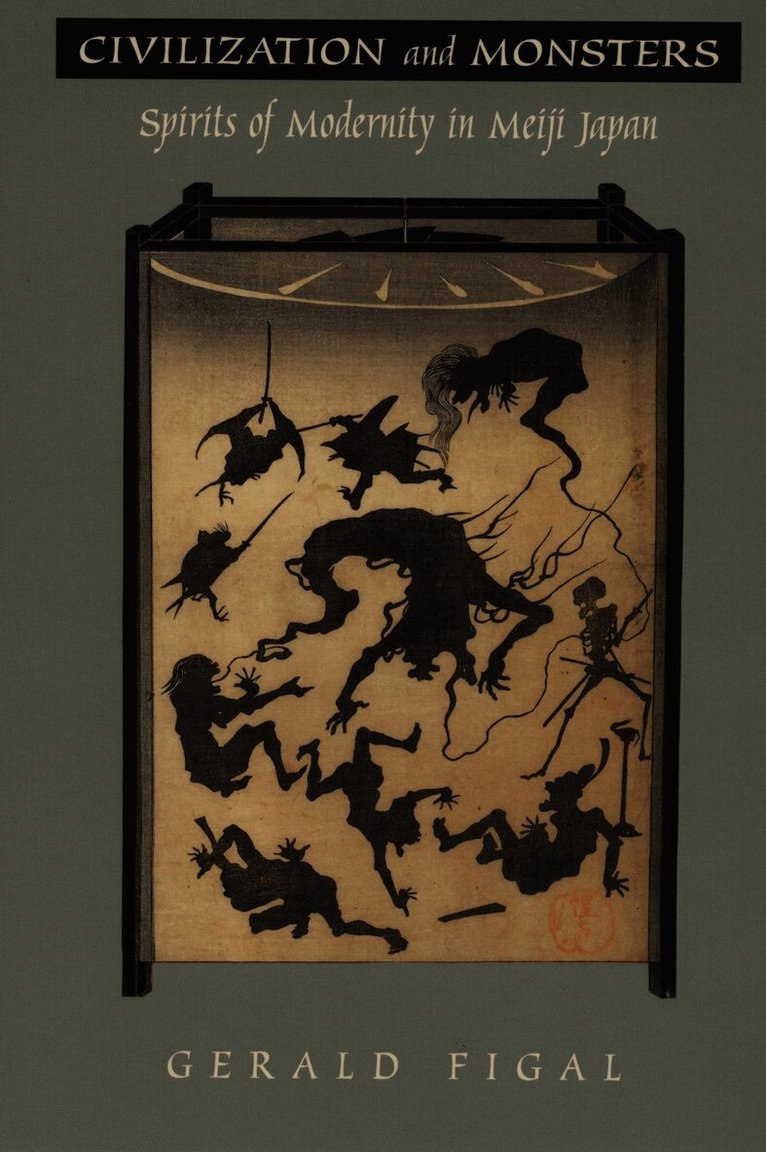
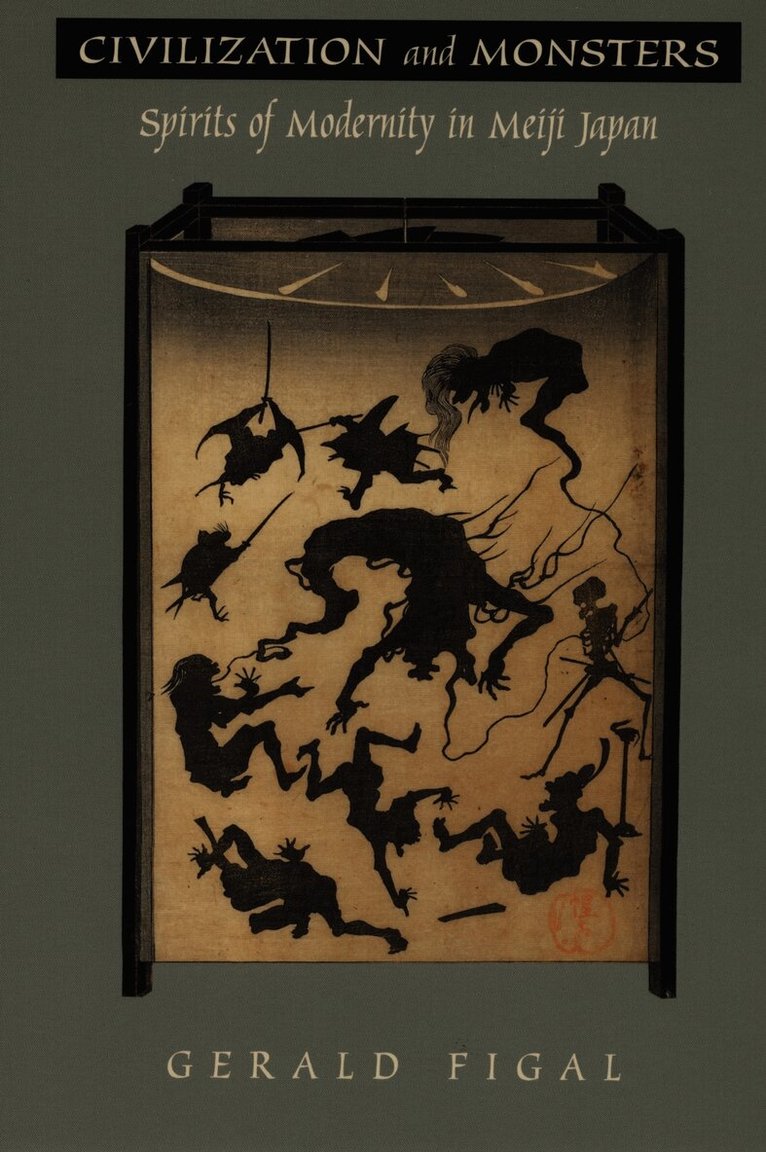
Monsters, ghosts, the supernatural, the fantastic, the mysterious. These are not usually considered the “stuff” of modernism. More often they are regarded as inconsequential to the study of the modern, or, at best, seen as representative of traditional beliefs that are overcome and left behind in the transformation toward modernity. In Civilization and Monsters Gerald Figal asserts that discourse on the fantastic was at the heart of the historical configuration of Japanese modernity-that the representation of the magical and mysterious played an integral part in the production of modernity beginning in Meiji Japan (1868–1912).After discussing the role of the fantastic in everyday Japan at the eve of the Meiji period, Figal draws new connections between folklorists, writers, educators, state ideologues, and policymakers, all of whom crossed paths in a contest over supernatural terrain. He shows the ways in which a determined Meiji state was engaged in a battle to suppress, denigrate, manipulate, or reincorporate folk belief as part of an effort toward the consolidation of a modern national culture. Modern medicine and education, functioning as a means for the state to exercise its power, redefined folk practices as a source of evil. Diverse local spirits were supplanted by a new Japanese Spirit, embodied by the newly constituted emperor, the supernatural source of the nation’s strength. The monsters of folklore were identified, catalogued, and characterized according to a new regime of modern reason. But whether engaged to support state power and forge a national citizenry or to critique the arbitrary nature of that power, the fantastic, as Figal maintains, is the constant condition of Japanese modernity in all its contradictions. Furthermore, he argues, modernity in general is born of fantasy in ways that have scarcely been recognized.Bringing unexplored and provocative new ideas to the Japan specialist, Civilization and Monsters will also appeal to readers concerned with issues of modernity in general.
820 kr
Skickas inom 7-10 vardagar
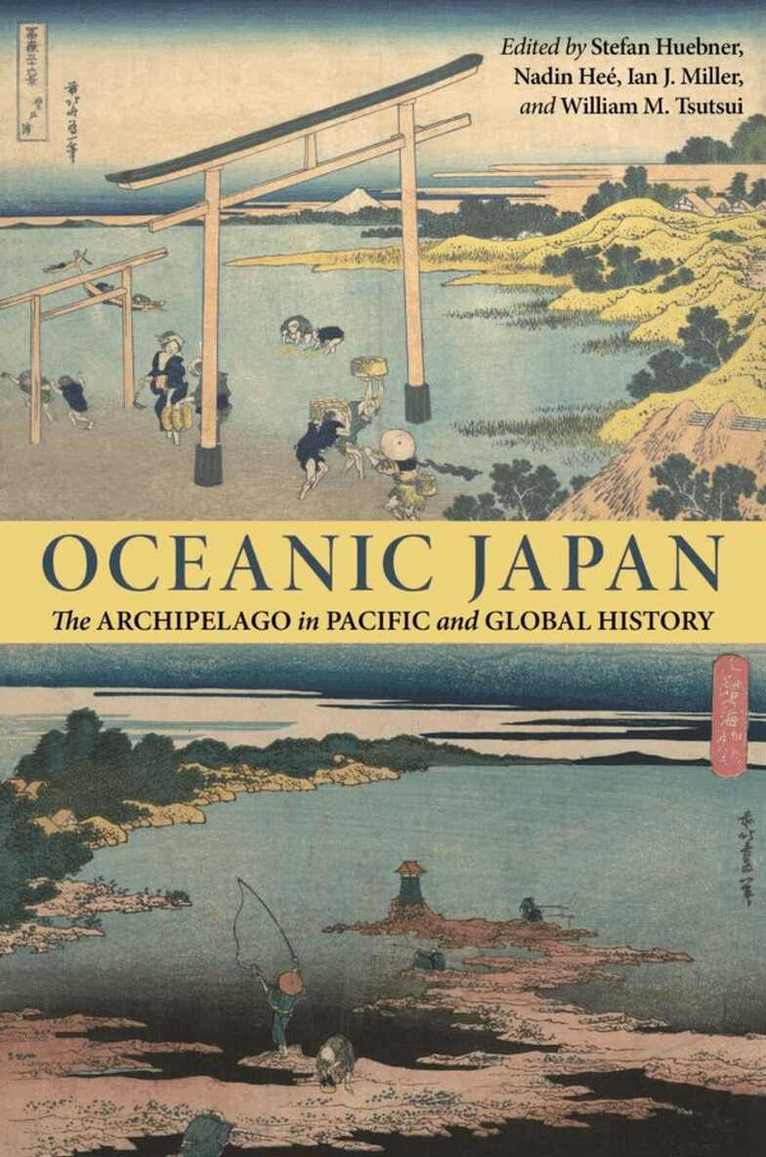
Japan’s oceans demand our attention. Violent, prolific, and changeful, they define life and death on the archipelago: pushing the shore under the rush of tsunami, charging typhoon circulation, feeding millions, and seeding conflicts over territory and resources. And yet, Japan studies remains largely beholden to a terrestrial view of the world that is at odds with the importance of the sea. This “terrestrial bias” also means that on those occasions when oceans are recognized they are most often presented as dividers or connectors—spaces in between rather than rich ecologies and meaningful sites. Oceanic Japan>/i> is meant to help readers re-envision Japanese history in order to show how the seas created the country that we know today.The book convenes a diverse, multinational, multidisciplinary group of scholars to expand the scope of Japan studies and the field of environmental humanities. The chapters draw from the broader turn to the sea—characterized by new oceanic and terraqueous perspectives—developing within these fields and in areas such as Pacific history and Indian Ocean studies. The volume editors’ vision is bifocal. On one hand, they aim to reorient East Asian studies and Japan studies to the sea, underlining how oceans have shaped dynamics from the Tokugawa Era forward into the age of empire and the crisis of the Anthropocene. On the other hand, they argue for a more nuanced environmental approach within the burgeoning field of Oceanic studies. Seeing oceanic spaces as more than entrepots or political spheres requires thinking in new, often vertical, volumetric ways. The chapters follow human and non-human actors to recognize the variegation of watery ecologies through winds, tides, coasts, seabeds, and currents such as the Kuroshio and Oyashio, which have always shaped life on the archipelago.
599 kr
Skickas inom 10-15 vardagar
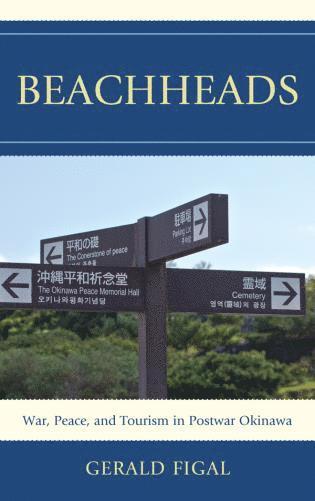
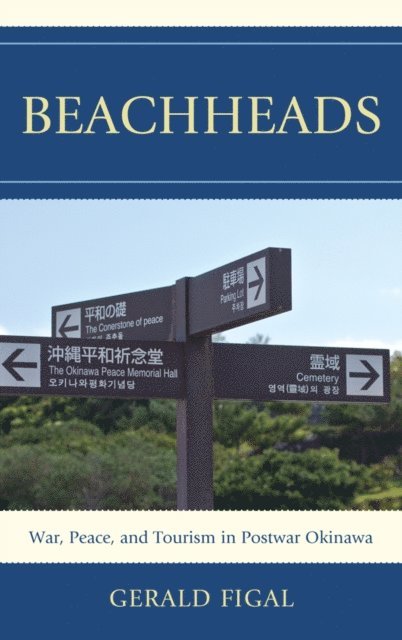
This original and fresh book explores Okinawa’s makeover as a tourist mecca in the long historical shadow and among the physical ruins of the Pacific War’s most devastating land battle. Gerald Figal considers how a place burdened by a history of semicolonialism, memories of war and occupation, economic hardship, and contentious current political affairs has reshaped itself into a resort destination. Drawing on an innovative mix of detailed archival research and extensive fieldwork, Gerald Figal considers the ways Okinawa has accommodated war experience and its legacies within the manufacture and promotion of both a “tropical paradise” image and a heritage tourism site identified with the premodern Ryukyu Kingdom. Tracing the postwar formation of “Tourist Okinawa,” Figal addresses interrelated issues of economic sustainability, local political autonomy, interregional and international relations, environmental preservation, historical and cultural self-representation, and especially Okinawa's role as a global peace site laboring under the legacies of war. From the end of World War Two to the present, the author follows Okinawa’s evolution through three main themes: war memorialization, tourism-influenced environmental and historical restoration, and invasion and occupation represented by U.S. military bases and beach resorts. Creatively, accessibly, and eloquently written, this compelling work highlights a set of islands that represent key issues facing contemporary Japan.