Gerard A. Persoon - Böcker
Visar alla böcker från författaren Gerard A. Persoon. Handla med fri frakt och snabb leverans.
2 produkter
2 produkter
794 kr
Skickas inom 7-10 vardagar
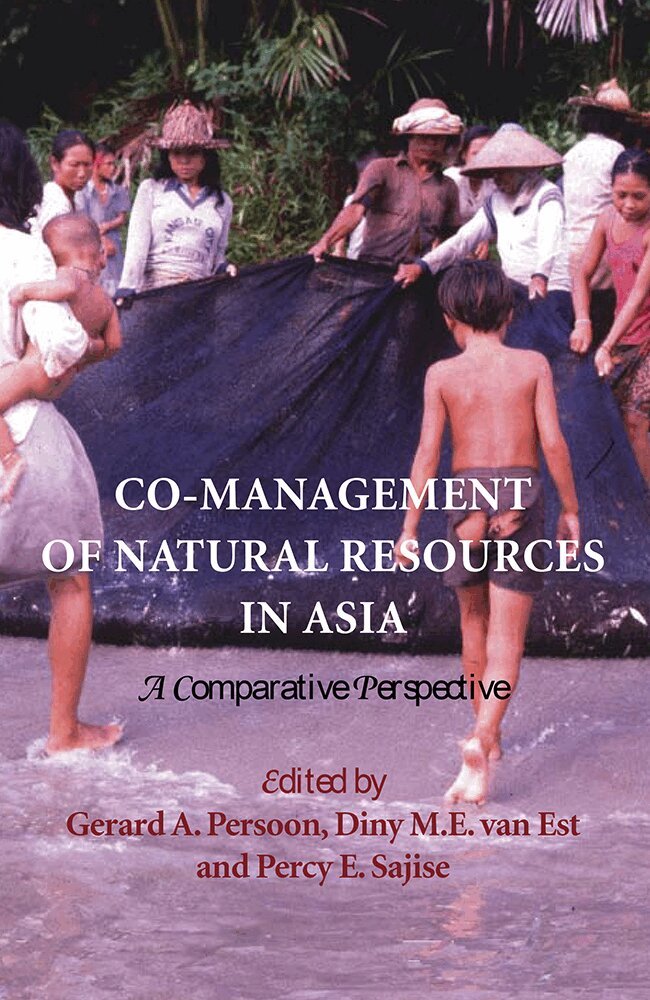
Co-management, that is the sharing of responsibilities between governmental institutions and groups of resource users, is rapidly becoming popular in Asia. In many countries environmental management is reformulated from exclusive state control to various kinds of joint management in which local communities, indigenous peoples and non-governmental organizations share authority and benefits with governmental institutions.In this book case studies of experiments with co-management in a number of countries are combined with more reflective contributions pointing to underlying assumptions and problems in the actual implementation of co-management.
845 kr
Skickas inom 7-10 vardagar
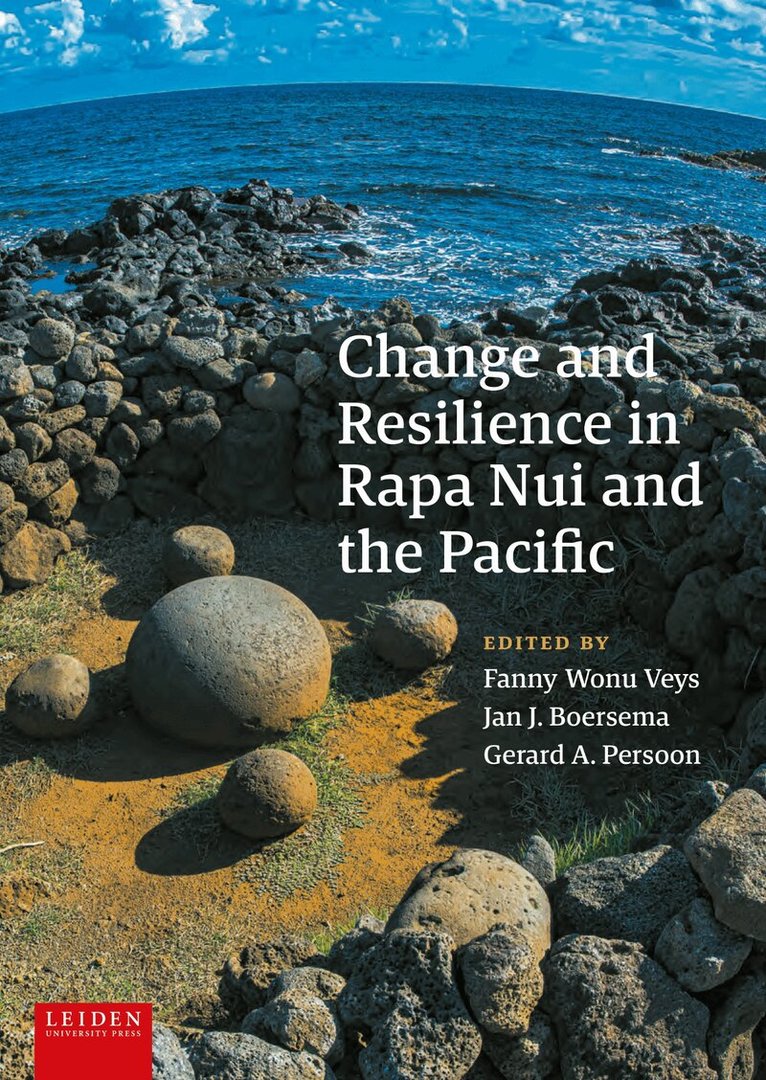
This edited volume reflects the latest research on Rapa Nui and the Pacific in the fields of archaeology, education, history, Indigenous studies and museology. Archaeologists show the relationship between value judgments, archaeological data and mapping; economic, ideological and socio-political interactions and stone quarrying; rock art and voyaging histories and Rapa Nui astronomy. The book pays attention to European views including those of the explorer Jacob Roggeveen, the expedition leader Walter Knoche, nineteenth-century eyewitness accounts, the ethnologist Alfred Métraux, and Professor John Macmillan Brown. The representation of Rapa Nui in popular culture is discussed. Contributions show that Rapa Nui identity is expressed through ancestral medicine, finding ways to self-determination in relation to Chile, barkcloth traditions and body art, and architectural space and place. The violence of western education systems is unpacked in the context of Rapa Nui. Contributions also discuss how museum collections, be they photographs, stone and obsidian artefacts reveal new dimensions of Rapa Nui history. Concerns about the restitution of Rapa Nui objects and ancestral remains are explored. Authors discuss the still undeciphered Roŋoroŋo script from a historical, science and linguistic perspective and reminisce on 1970s life on Rapa Nui and ethno-archaeological experiments. Two contributions take the reader outside of Rapa Nui to Palau and the Marquesas.