Gillian Koh - Böcker
Visar alla böcker från författaren Gillian Koh. Handla med fri frakt och snabb leverans.
20 produkter
20 produkter
2 103 kr
Skickas inom 10-15 vardagar
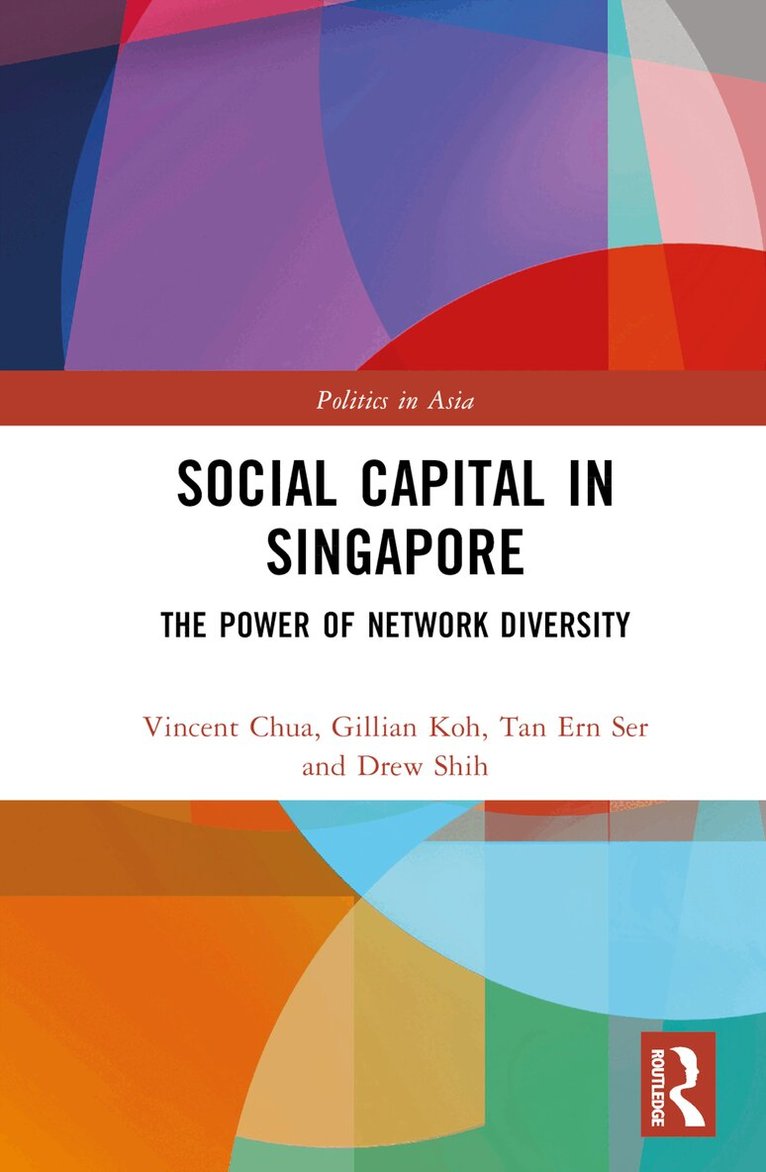
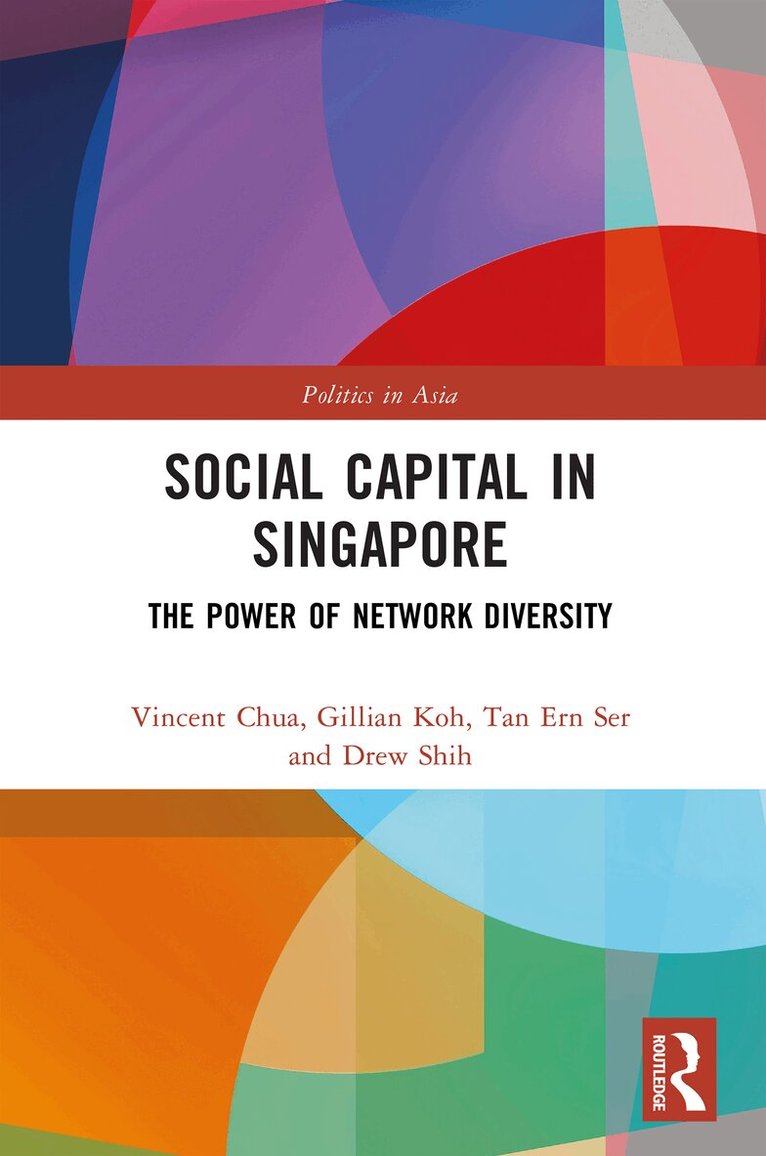
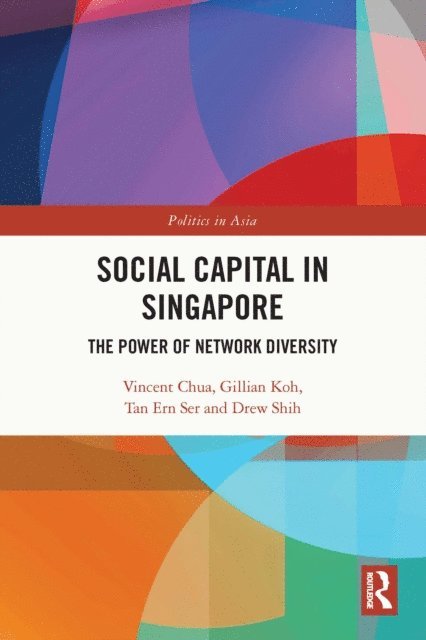
How can social cohesion be achieved in a meritocratic and multicultural global city-state? Meritocracy poses a paradox: On one hand, it integrates individuals through frameworks of equal treatment, equal justice and opportunity regardless of race, language or religion. On the other hand, individuals are then segregating through academic sorting, they are rewarded based on credentials and performance which also results in elite identification and bonding. After a generation, without mitigation action, social stratification can result. Distinctive circles differentiating social elites from non-elites, the professional classes from non-professional classes emerge. The remedy the authors propose is network diversity which is the organic forming of ties across class and other social boundaries built on deliberate policies, programmes and platforms designed to facilitate that. This social mixing, forged in social infrastructure such as schools, workplaces, and voluntary associations pays off by producing the collective goods of national identity and trust. This hypothesis has been tested in the case of Singapore society and the empirical results from the research on the power of network diversity and bridging social capital are found in this volume. An insightful read for scholars and practitioners in public policy and social network analysis looking to understand the challenges faced by and the experiences that have emerged from the case of Singapore with its multicultural and cosmopolitan setting.
616 kr
Skickas inom 10-15 vardagar
How can social cohesion be achieved in a meritocratic and multicultural global city-state? Meritocracy poses a paradox: On one hand, it integrates individuals through frameworks of equal treatment, equal justice and opportunity regardless of race, language or religion. On the other hand, individuals are then segregating through academic sorting, they are rewarded based on credentials and performance which also results in elite identification and bonding. After a generation, without mitigation action, social stratification can result. Distinctive circles differentiating social elites from non-elites, the professional classes from non-professional classes emerge. The remedy the authors propose is network diversity which is the organic forming of ties across class and other social boundaries built on deliberate policies, programmes and platforms designed to facilitate that. This social mixing, forged in social infrastructure such as schools, workplaces, and voluntary associations pays off by producing the collective goods of national identity and trust. This hypothesis has been tested in the case of Singapore society and the empirical results from the research on the power of network diversity and bridging social capital are found in this volume. An insightful read for scholars and practitioners in public policy and social network analysis looking to understand the challenges faced by and the experiences that have emerged from the case of Singapore with its multicultural and cosmopolitan setting.
2 171 kr
Skickas inom 10-15 vardagar
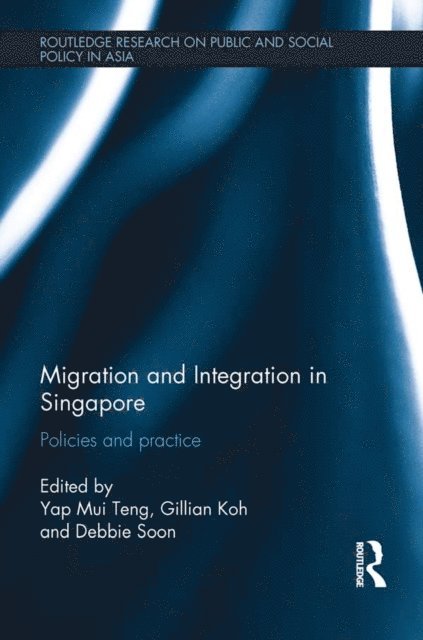
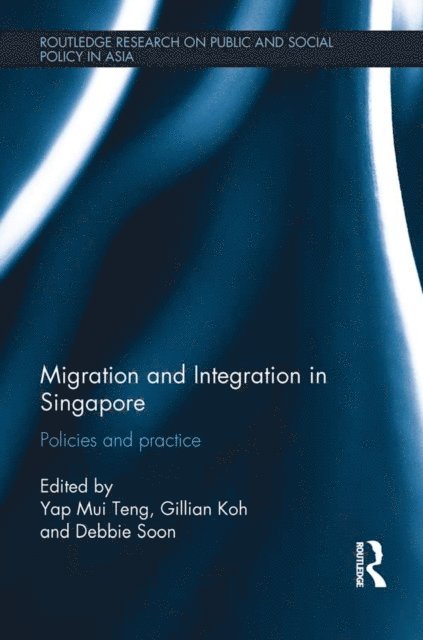
Between 2000 and 2010, Singapore witnessed a huge influx of foreign migrants. The proportion of permanent residents in the total population increased from 7% to 11%, while the share of non-resident foreigners has risen from 19% to 25%. This was as much the result of the spontaneous movement of labour to economic opportunities, as it was of active policy direction by the Singapore government. The social impact, both beneficial and disruptive, of this movement was felt at all levels of society, and brought other attending public policy issues to the fore.Taking a multi-disciplinary approach with a focus on policy and practice, this book examines the social, economic, and political issues that have arisen with the influx of foreigners in Singapore since the turn of the 21st century. Drawing on empirical research, it documents the impact of increasing levels of immigration, and provides an analysis of the longer-term implications of these trends, with each chapter covering a different aspect of socio-cultural, political, or economic outcome arising from intercultural contact and adaptation. The contributors also provide policy suggestions to ensure Singapore continues to be a harmonious nation and a cosmopolitan and vibrant global city. Migration and Integration in Singapore: Policies and Practice will appeal to students and scholars of Southeast Asian studies, migration and social policy, as well as to practitioners and policy-makers with an interest in migration in the region.
724 kr
Skickas inom 10-15 vardagar
Between 2000 and 2010, Singapore witnessed a huge influx of foreign migrants. The proportion of permanent residents in the total population increased from 7% to 11%, while the share of non-resident foreigners has risen from 19% to 25%. This was as much the result of the spontaneous movement of labour to economic opportunities, as it was of active policy direction by the Singapore government. The social impact, both beneficial and disruptive, of this movement was felt at all levels of society, and brought other attending public policy issues to the fore.Taking a multi-disciplinary approach with a focus on policy and practice, this book examines the social, economic, and political issues that have arisen with the influx of foreigners in Singapore since the turn of the 21st century. Drawing on empirical research, it documents the impact of increasing levels of immigration, and provides an analysis of the longer-term implications of these trends, with each chapter covering a different aspect of socio-cultural, political, or economic outcome arising from intercultural contact and adaptation. The contributors also provide policy suggestions to ensure Singapore continues to be a harmonious nation and a cosmopolitan and vibrant global city. Migration and Integration in Singapore: Policies and Practice will appeal to students and scholars of Southeast Asian studies, migration and social policy, as well as to practitioners and policy-makers with an interest in migration in the region.
882 kr
Skickas inom 5-8 vardagar
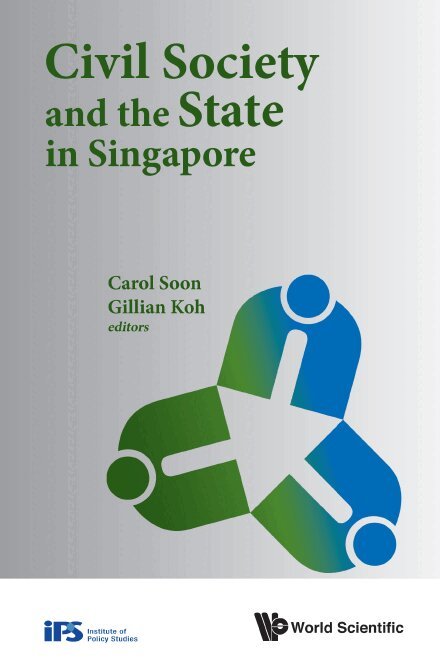
Set within the context of growing political pluralism and the increasing use of new communication technologies for social mobilisation, the Institute of Policy Studies organised a national conference on civil society in November 2013. This collection of the essays that were presented at or inspired by the conference provides nuanced analyses of the development of the sector in Singapore since the Institute's first such conference held in 1998. The first section of the book discusses the different philosophies and approaches that underpin how civic activists engage with the State; the second section examines some key forces of change that are re-shaping the sector; and, the third section sets out some emerging issues facing it. Combining insights from experts and civic activists themselves, this book proposes an agenda for the future development of the civil society in Singapore.
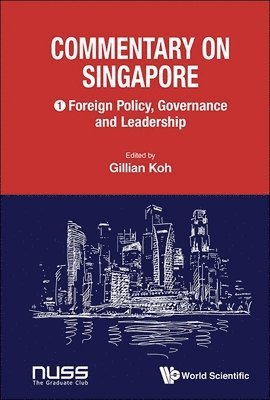
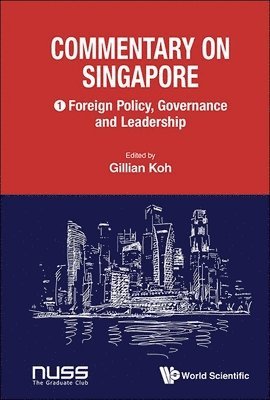
Commentary On Singapore, Volume 1: Foreign Policy, Governance And Leadership
Inbunden, Engelska, 2024
844 kr
Skickas inom 3-6 vardagar
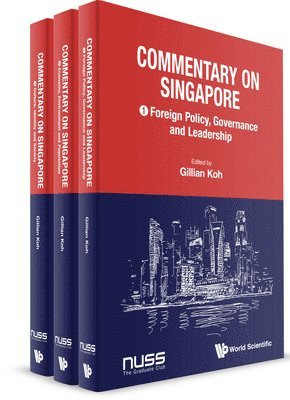
Thought-leaders contributing to this volume include Tommy Koh, Tan Tai Yong, Kishore Mahbubani, Bilahari Kausikan, Han Fook Kwang, and more!This volume comprises essays by Singapore thought-leaders republished from various issues of Commentary, the annual journal of the National University of Singapore Society.In the first section, chapters have been curated to provide historical context and analyses of Singapore's foreign policy. The second section presents views on the orientation, values and interests the new, fourth generation of national leaders might have to adopt as they address the emerging challenges in this policy domain so critical to the city-state's survival.These highly accessible essays provide the general reader valuable grounding and frameworks for thinking about Singapore's approach in navigating the geopolitical shifts in its Asian neighbourhood.
389 kr
Skickas inom 5-8 vardagar
Thought-leaders contributing to this volume include Tommy Koh, Tan Tai Yong, Kishore Mahbubani, Bilahari Kausikan, Han Fook Kwang, and more!This volume comprises essays by Singapore thought-leaders republished from various issues of Commentary, the annual journal of the National University of Singapore Society.In the first section, chapters have been curated to provide historical context and analyses of Singapore's foreign policy. The second section presents views on the orientation, values and interests the new, fourth generation of national leaders might have to adopt as they address the emerging challenges in this policy domain so critical to the city-state's survival.These highly accessible essays provide the general reader valuable grounding and frameworks for thinking about Singapore's approach in navigating the geopolitical shifts in its Asian neighbourhood.
789 kr
Skickas inom 5-8 vardagar
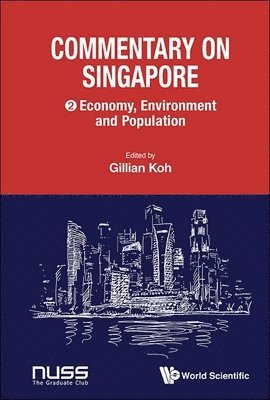
Thought-leaders contributing to this volume include Piyush Gupta, Laurence Liew, Lee Tzu Yang, Geh Min, and more!This volume comprises essays by Singapore thought-leaders republished from various issues of the annual journal of the National University of Singapore Society called Commentary.The chapters have been curated to provide historical review of Singapore's journey in economic, ecological and social development. Centred around the theme of sustainability, together, they provide a rich account of how the issues of environmental management and human resource development were pursued in tandem with strategic industrial policy from the early days of independence.They also convey how the current plans to take the country into the age of the Industrial Revolution 4.0 of digitisation and artificial intelligence, to continue to be the hub of hubs in the new economy, cannot and must not be at the expense of ecological health and a strong sense of stakeholdership among Singaporeans. The issues about immigration in the face of demographic decline, the choices in the sources of energy to power the economy in a carbon-constrained world, and the competition that a small state must continue to respond to as new growth sectors reshape the global economy are tackled by the eminent thought-leaders who contributed the chapters.While this is not new material, the reader will be surprised by how the debates about the policy choices and the expressions regarding what is important for Singapore and Singaporeans to achieve true and enduring national wealth remain fresh in this highly accessible edited book.
389 kr
Skickas inom 5-8 vardagar
Thought-leaders contributing to this volume include Piyush Gupta, Laurence Liew, Lee Tzu Yang, Geh Min, and more!This volume comprises essays by Singapore thought-leaders republished from various issues of the annual journal of the National University of Singapore Society called Commentary.The chapters have been curated to provide historical review of Singapore's journey in economic, ecological and social development. Centred around the theme of sustainability, together, they provide a rich account of how the issues of environmental management and human resource development were pursued in tandem with strategic industrial policy from the early days of independence.They also convey how the current plans to take the country into the age of the Industrial Revolution 4.0 of digitisation and artificial intelligence, to continue to be the hub of hubs in the new economy, cannot and must not be at the expense of ecological health and a strong sense of stakeholdership among Singaporeans. The issues about immigration in the face of demographic decline, the choices in the sources of energy to power the economy in a carbon-constrained world, and the competition that a small state must continue to respond to as new growth sectors reshape the global economy are tackled by the eminent thought-leaders who contributed the chapters.While this is not new material, the reader will be surprised by how the debates about the policy choices and the expressions regarding what is important for Singapore and Singaporeans to achieve true and enduring national wealth remain fresh in this highly accessible edited book.
789 kr
Skickas inom 5-8 vardagar
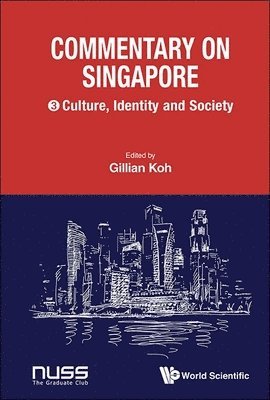
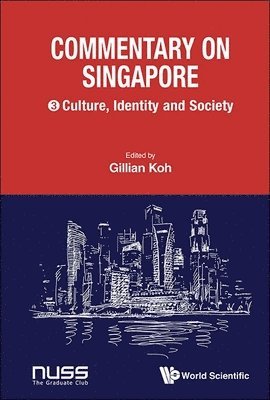
Thought-leaders contributing to this volume include Alvin Tan, Kwa Chong Guan, Yang Razali Kassim, Kishore Mahbubani, Gerard Ee, and more!This volume comprises essays republished from various issues of the annual journal of the National University of Singapore Society called Commentary.The third in a series that provides bite-sized reviews of the history of Singapore's development in a range of areas of public policy, it delves into the most challenging of them all — defining the Singapore nation, a quest that began just under six decades ago.This is an enterprise that the pioneer generation of political leaders recognised would provide collective purpose and the soul to what government and people do to establish the young country — an area that cannot rely on engineered solutions or diktat.The authors have proffered in these essays, their assessments of these attempts at crafting this identity but also the ground's responses be they through the development of the arts, the government's political narratives, economic strategy, visions of urban development, and civic activism. Included are discussions on Singapore's model of multiracialism, its vision of being a global city, the impact of public policy in the redevelopment of housing estates, and an appeal to adopt a model of empowerment in addressing the needs of the poor — incorporating what citizens are saying about who we are and wish to be as a people.There is no single definition of what the Singapore nation is; nor should we wish for easy answers as they have to be created and grasped on the ground. There is no final destination. The authors make us all too aware that it will be an enduring journey into "being" which is enriched by the freedom to explore ideas, ideals, values, the self and the metaphysical condition of being a community of unity, that is paradoxically, necessarily comfortable with plurality, hybridity, and change. Owning this common journey is probably what distinguishes Singaporeans as a people and the volume reminds readers of that.
402 kr
Skickas inom 5-8 vardagar
Thought-leaders contributing to this volume include Alvin Tan, Kwa Chong Guan, Yang Razali Kassim, Kishore Mahbubani, Gerard Ee, and more!This volume comprises essays republished from various issues of the annual journal of the National University of Singapore Society called Commentary.The third in a series that provides bite-sized reviews of the history of Singapore's development in a range of areas of public policy, it delves into the most challenging of them all — defining the Singapore nation, a quest that began just under six decades ago.This is an enterprise that the pioneer generation of political leaders recognised would provide collective purpose and the soul to what government and people do to establish the young country — an area that cannot rely on engineered solutions or diktat.The authors have proffered in these essays, their assessments of these attempts at crafting this identity but also the ground's responses be they through the development of the arts, the government's political narratives, economic strategy, visions of urban development, and civic activism. Included are discussions on Singapore's model of multiracialism, its vision of being a global city, the impact of public policy in the redevelopment of housing estates, and an appeal to adopt a model of empowerment in addressing the needs of the poor — incorporating what citizens are saying about who we are and wish to be as a people.There is no single definition of what the Singapore nation is; nor should we wish for easy answers as they have to be created and grasped on the ground. There is no final destination. The authors make us all too aware that it will be an enduring journey into "being" which is enriched by the freedom to explore ideas, ideals, values, the self and the metaphysical condition of being a community of unity, that is paradoxically, necessarily comfortable with plurality, hybridity, and change. Owning this common journey is probably what distinguishes Singaporeans as a people and the volume reminds readers of that.
2 021 kr
Skickas inom 3-6 vardagar
These volumes comprise of essays by Singapore thought-leaders republished from various issues of the annual journal of the National University of Singapore Society called Commentary.
1 149 kr
Skickas inom 5-8 vardagar
These volumes comprise of essays by Singapore thought-leaders republished from various issues of the annual journal of the National University of Singapore Society called Commentary.
458 kr
Kommande
This volume will be a useful complement to the book series 'World Scientific Series on Singapore's 50 Years of National Building' as well as the book 'Singapore 2065' — both by World Scientific Publishing. It pulls together in one volume some of the key areas that must be considered when readers think about the future of Singapore the modern day miracle of economic and social development. Being small and lacking natural resources, it would have been difficult to imagine that Singapore would have been able to effect the sort of transformation that many of the volumes published under the Series describe. But as 'Singapore 2065' indicates on the other hand, the country is purposeful in setting goals for its development; that many, other local as well as global thought-leaders are tapped for their best ideas on how to ensure that Singapore thrives well into the future. At 2015, that orientation prevails and in this proposed volume ideas in four key areas of endeavor are cited — economic development, geopolitical security and stability; ecological sustainability and effective governance — and ideas and strategic goals are offered not just by local and global thought-leaders but also discussed by Singapore's political leaders — the Prime Minister of Singapore, Mr Lee Hsien Loong and the Deputy Prime Minister, Mr Tharman Shanmugaratnam. In one short and handy volume, Singaporeans but other readers interested in Singapore and in thinking about the future of Southeast Asia as well as the future of small city-states will get a quick and accessible feel of what lies ahead and how to think about that.It is an important book in the Policy Studies space not for the specific content of the trends discussed but also for what the political leaders of Singapore have said about the governance principles that should apply or should not apply in shaping the country in its journey beyond its 50th anniversary of Independence.
1 216 kr
Skickas inom 5-8 vardagar
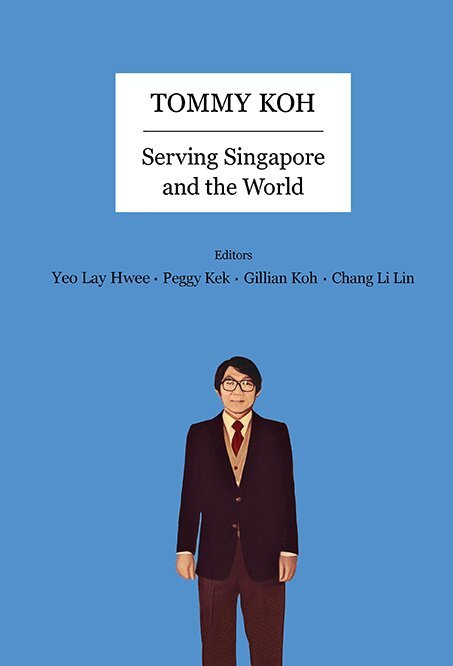
This book aims to celebrate the many contributions of Professor Tommy Koh as a Singaporean diplomat, public intellectual and social changemaker.It is an account of the ideas and ideals of an extraordinary Singaporean public servant who was not only born with the talent and ability to traverse many areas of society, but one who, when given the opportunity, had the drive and ambition to make the most of it to create a better world for Singaporeans and the global community.Experts in the various fields of endeavour and people who have worked with him examine his significant contributions in essays that are organised in four main sections: Diplomacy and International Relations; Arts, Culture and Heritage; Progressive Society; International Law; and a fifth section that features tributes contributed by his colleagues and former classmates.Set in the context of Singapore — a nation known for its socio-economic progress, its ability to punch above its own weight in international relations, as well as its increasing appreciation for heritage, the arts, and sustainable development — this book illustrates the power of the individual and sense of agency that can create the systems and structures to achieve all those things. The story of Professor Tommy Koh as captured in this book should energise other change agents to go out and create the progressive, inclusive and sustainable world they want.An inspirational collection for general readers, this book reflects the spirit of Singapore's pioneer generation whose determination and tenacity turned the nation into the modern-day miracle that Singapore is today.
509 kr
Skickas inom 5-8 vardagar
This book aims to celebrate the many contributions of Professor Tommy Koh as a Singaporean diplomat, public intellectual and social changemaker.It is an account of the ideas and ideals of an extraordinary Singaporean public servant who was not only born with the talent and ability to traverse many areas of society, but one who, when given the opportunity, had the drive and ambition to make the most of it to create a better world for Singaporeans and the global community.Experts in the various fields of endeavour and people who have worked with him examine his significant contributions in essays that are organised in four main sections: Diplomacy and International Relations; Arts, Culture and Heritage; Progressive Society; International Law; and a fifth section that features tributes contributed by his colleagues and former classmates.Set in the context of Singapore — a nation known for its socio-economic progress, its ability to punch above its own weight in international relations, as well as its increasing appreciation for heritage, the arts, and sustainable development — this book illustrates the power of the individual and sense of agency that can create the systems and structures to achieve all those things. The story of Professor Tommy Koh as captured in this book should energise other change agents to go out and create the progressive, inclusive and sustainable world they want.An inspirational collection for general readers, this book reflects the spirit of Singapore's pioneer generation whose determination and tenacity turned the nation into the modern-day miracle that Singapore is today.
665 kr
Skickas inom 5-8 vardagar
Singapore has experienced remarkable progression in the first 50 years of its independence. This volume comprises chapters written by thought leaders in Singapore where they re-examine Singapore's key governing institutions, systems, principles and values as they consider the country's next 50 years. Given the prospect of deep and possibly disruptive internal and external change, how might Singapore's governance fundamentals respond; which will we have to re-commit ourselves to and which might we have to adapt or even abandon? The book comprises some quietly provocative thoughts that the informed public, intellectuals and scholars interested in Singapore as well as political development in small countries in an uncertain, global age might find useful as they formulate their own positions about the future.
419 kr
Skickas inom 5-8 vardagar
This volume is conceptualised around the notion by Raymond Williams, a cultural theorist, that any cultural system comprises fragments of the past and the emergent alongside the dominant. The book focuses on ‘governance’ or how a society governs itself across the state, business and civic sectors in Singapore and how it might evolve over the next decade. Its first section looks at how Singapore's political history has shaped today's political institutions and culture and why these might change. Three scenarios of Singapore's political future are proffered. The authors argue how there are and must be nevertheless some fundamental values that underpin Singapore's governance system that are unchanging.In the second section, the authors discuss how the relationship among the key elements of the governance equation have changed to adapt to current conditions, and must continue to change to respond to internal demands and external conditions. The first paper describes how the relationship between government and business, or state and market have adapted to achieve strategic national imperatives but also to ensure that citizens benefit from the most efficient and effective ways of providing important public goods. The second paper argues for institutionalised dissent and policy experimentation as disciplines needed in the public sector to make it innovative and resilient.The third section offers views on emerging trends in political culture and the relationship between the government and civil society, business and other political parties. These are based on findings of an IPS survey, and opinions of civic leaders and a leader of the political opposition in Singapore.The final section comprises an edited transcript of a dialogue session with the Prime Minister of Singapore, Mr Lee Hsien Loong on the same theme of ‘governance’.The authors are thought-leaders and political leaders in Singapore. This book serves as a pathfinder to emerging political trends in the country.
851 kr
Kommande
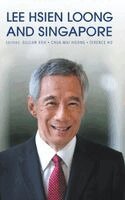
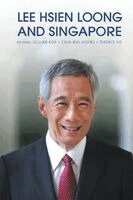
This book examines the leadership and legacy of Lee Hsien Loong, who was the third Prime Minister of Singapore from 2004 to 2024.Lee's tenure was a time of profound change within Singapore and its external environment. The chapters in this book recount how he led Singapore through several crises, including the 2008 Global Financial Crisis and the COVID-19 pandemic. The world was becoming multipolar, with relations between the United States and China turning confrontational and fraught. Being a key member of Asean, Singapore was not immune from the impact of these developments. It was vital to navigate them delicately, to secure the country's strategic interests.As an open, market economy, workers and businesses had to adapt to the massive technological disruptions of the last two decades with the rapid spread of the Internet and mobile connectivity, the rise of the digital economy, as well as advances in automation and Artificial Intelligence. Lee introduced policies to promote innovation and enhance competitiveness, mitigate the impact of economic restructuring, and develop Singapore's human capital, all to achieve quality and inclusive growth for Singaporeans. The book also discusses the way he responded to the domestic challenges of income inequality and social stratification, low fertility, an ageing population, online safety and Singaporeans' desire for a more sustainable, affordable and liveable habitat.The essays by Singaporean thought leaders analyse how Lee's government crafted policy and engaged stakeholders to anticipate as well as adapt to the significant shifts in the internal and external operating context. They examine the impact of policy innovations to consider whether there remains unfinished business his successor must address.The authors' critical perspectives on areas ranging from foreign policy to economic strategy, social support frameworks, politics and state institutions reveal how prepared Singapore is for the future as a small but not inconsequential city-state in Southeast Asia. These essays afford readers a timely examination of Lee Hsien Loong's contributions.
587 kr
Kommande
This book examines the leadership and legacy of Lee Hsien Loong, who was the third Prime Minister of Singapore from 2004 to 2024.Lee's tenure was a time of profound change within Singapore and its external environment. The chapters in this book recount how he led Singapore through several crises, including the 2008 Global Financial Crisis and the COVID-19 pandemic. The world was becoming multipolar, with relations between the United States and China turning confrontational and fraught. Being a key member of Asean, Singapore was not immune from the impact of these developments. It was vital to navigate them delicately, to secure the country's strategic interests.As an open, market economy, workers and businesses had to adapt to the massive technological disruptions of the last two decades with the rapid spread of the Internet and mobile connectivity, the rise of the digital economy, as well as advances in automation and Artificial Intelligence. Lee introduced policies to promote innovation and enhance competitiveness, mitigate the impact of economic restructuring, and develop Singapore's human capital, all to achieve quality and inclusive growth for Singaporeans. The book also discusses the way he responded to the domestic challenges of income inequality and social stratification, low fertility, an ageing population, online safety and Singaporeans' desire for a more sustainable, affordable and liveable habitat.The essays by Singaporean thought leaders analyse how Lee's government crafted policy and engaged stakeholders to anticipate as well as adapt to the significant shifts in the internal and external operating context. They examine the impact of policy innovations to consider whether there remains unfinished business his successor must address.The authors' critical perspectives on areas ranging from foreign policy to economic strategy, social support frameworks, politics and state institutions reveal how prepared Singapore is for the future as a small but not inconsequential city-state in Southeast Asia. These essays afford readers a timely examination of Lee Hsien Loong's contributions.