Giovanna Parmigiani – författare
Visar alla böcker från författaren Giovanna Parmigiani. Handla med fri frakt och snabb leverans.
4 produkter
4 produkter
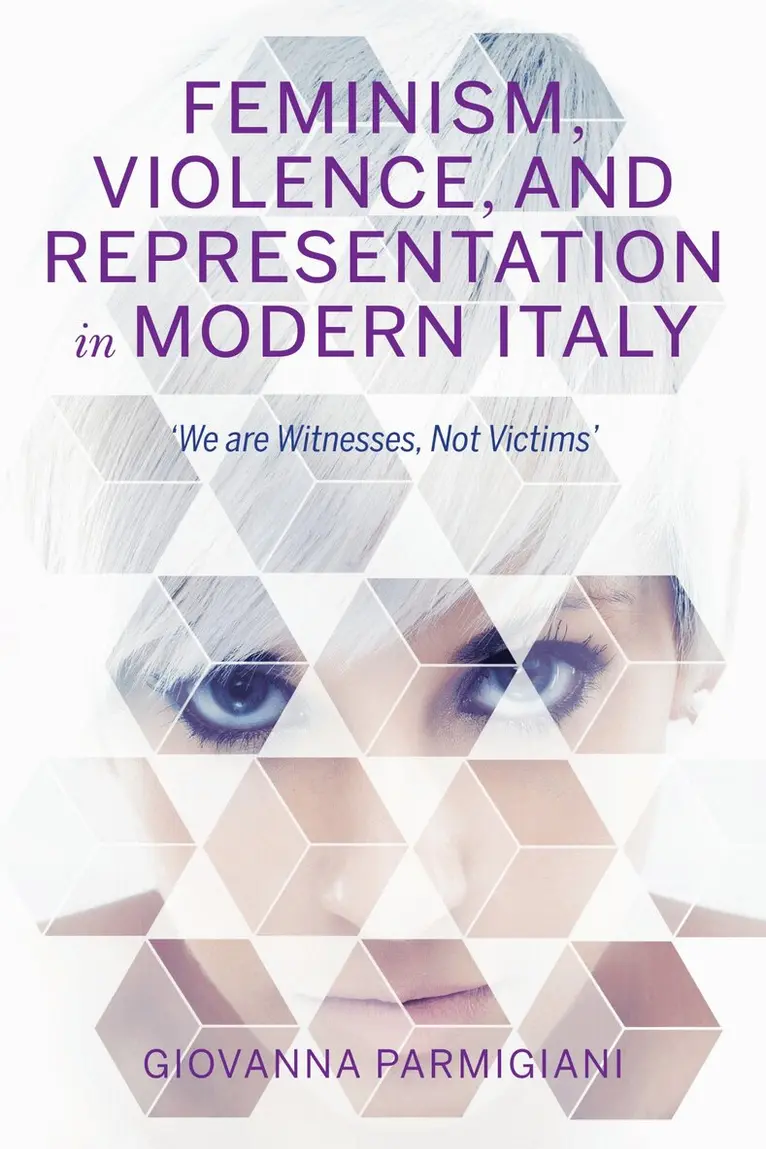
Feminism, Violence, and Representation in Modern Italy
"We Are Witnesses, not Victims"
Inbunden, Engelska, 2019
692 kr
Skickas inom 7-10 vardagar
Can the way a word is used give legitimacy to a political movement? Feminism, Violence, and Representation in Modern Italy traces the use of the word "femminicidio" (or "femicide") as a tool to mobilize Italian feminists, particularly the Union of Women in Italy (UDI). Based on nearly two years of fieldwork among feminist activists, Giovanna Parmigiani takes a broad look at the many ways in which violence inflects the lives of women in Italy. From unchallenged gendered grammar rules to the representation of women as victims, Parmigiani examines the devaluing of women's contribution to their communities through the words and experiences of the women she interviews. She describes the first uses of the word "femminicidio" as a political term used by and within feminist circles and traces its spread to ultimate legitimization and national relevance. The word redefined women as a political subject by building an imagined community of potentially violated women. In doing so, it challenged Italians to consider the status of women in Italian society, and to make this status a matter of public debate. It also problematized the connection between women and tropes of women as objects of suffering and victimhood. Parmigiani considers this exchange within the context of Italian Catholic heritage, a precarious economy, and long-held notions of honor and shame. Parmigiani provides a careful and searing consideration of the ways in which representations of violence and the politics of this representation are shaping the future of women in Italy and beyond.
Feminism, Violence, and Representation in Modern Italy
"We Are Witnesses, not Victims"
Häftad, Engelska, 2019
416 kr
Skickas inom 7-10 vardagar
Can the way a word is used give legitimacy to a political movement? Feminism, Violence, and Representation in Modern Italy traces the use of the word "femminicidio" (or "femicide") as a tool to mobilize Italian feminists, particularly the Union of Women in Italy (UDI). Based on nearly two years of fieldwork among feminist activists, Giovanna Parmigiani takes a broad look at the many ways in which violence inflects the lives of women in Italy. From unchallenged gendered grammar rules to the representation of women as victims, Parmigiani examines the devaluing of women's contribution to their communities through the words and experiences of the women she interviews. She describes the first uses of the word "femminicidio" as a political term used by and within feminist circles and traces its spread to ultimate legitimization and national relevance. The word redefined women as a political subject by building an imagined community of potentially violated women. In doing so, it challenged Italians to consider the status of women in Italian society, and to make this status a matter of public debate. It also problematized the connection between women and tropes of women as objects of suffering and victimhood. Parmigiani considers this exchange within the context of Italian Catholic heritage, a precarious economy, and long-held notions of honor and shame. Parmigiani provides a careful and searing consideration of the ways in which representations of violence and the politics of this representation are shaping the future of women in Italy and beyond.
1 177 kr
Skickas inom 5-8 vardagar
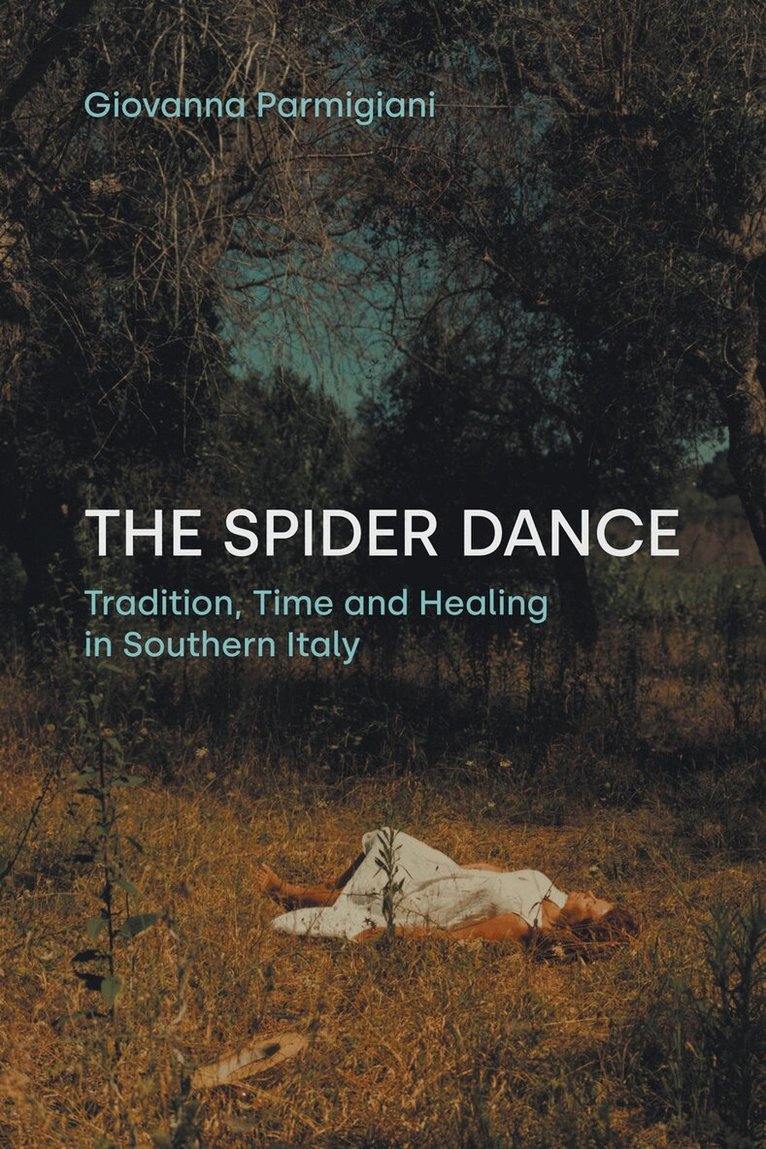
Based on ethnographic research among contemporary Pagan communities in Southern Italy (Salento, Apulia), The Spider Dance challenges (uni)linear ideas and experiences of time and temporality by showing the interconnectedness of alternative historicities, healing, and place-making among persons engaged in reviving, continuing, or re-creating traditional Pagan practices. The Spider Dance looks at local Pagans and at their ritual practice and interpretation of the traditional dance and music called pizzica. Pizzica is associated with tarantismo, a phenomenon present in that area for hundreds of years and attested until the second half of the XX century. Affecting mostly (but not only) women, tarantismo has been described in the form of malaise and physical suffering thought to be provoked by the bite of tarantula spiders and cured with pizzica music and dance. At the turn of the century tarantismo disappeared and new forms, called neotarantismi, emerged. The Spider Dance describes a novel "spiritual" form of neotarantismo and highlights its connections with contemporary forms of magic and healing. The relevance of The Spider Dance is not limited to a description of particular Pagan groups and practices. It also makes some key practical and theoretical contributions to the anthropological study of magic, of contemporary religions, of "historicities," and to scholarly debates around complementary medicine and "well-being," in Italy and abroad.
372 kr
Skickas
Based on ethnographic research among contemporary Pagan communities in Southern Italy (Salento, Apulia), The Spider Dance challenges (uni)linear ideas and experiences of time and temporality by showing the interconnectedness of alternative historicities, healing, and place-making among persons engaged in reviving, continuing, or re-creating traditional Pagan practices. The Spider Dance looks at local Pagans and at their ritual practice and interpretation of the traditional dance and music called pizzica. Pizzica is associated with tarantismo, a phenomenon present in that area for hundreds of years and attested until the second half of the XX century. Affecting mostly (but not only) women, tarantismo has been described in the form of malaise and physical suffering thought to be provoked by the bite of tarantula spiders and cured with pizzica music and dance. At the turn of the century tarantismo disappeared and new forms, called neotarantismi, emerged. The Spider Dance describes a novel "spiritual" form of neotarantismo and highlights its connections with contemporary forms of magic and healing. The relevance of The Spider Dance is not limited to a description of particular Pagan groups and practices. It also makes some key practical and theoretical contributions to the anthropological study of magic, of contemporary religions, of "historicities," and to scholarly debates around complementary medicine and "well-being," in Italy and abroad.