Giovanni Orsina – författare
Visar alla böcker från författaren Giovanni Orsina. Handla med fri frakt och snabb leverans.
8 produkter
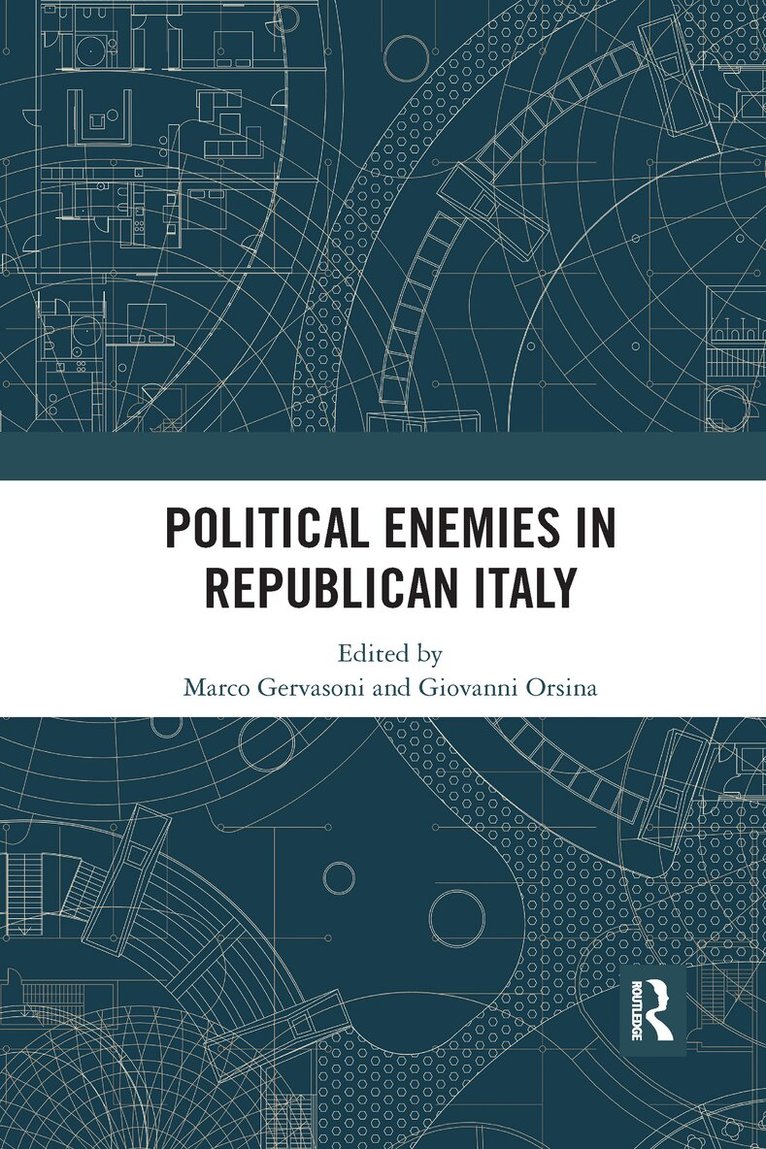
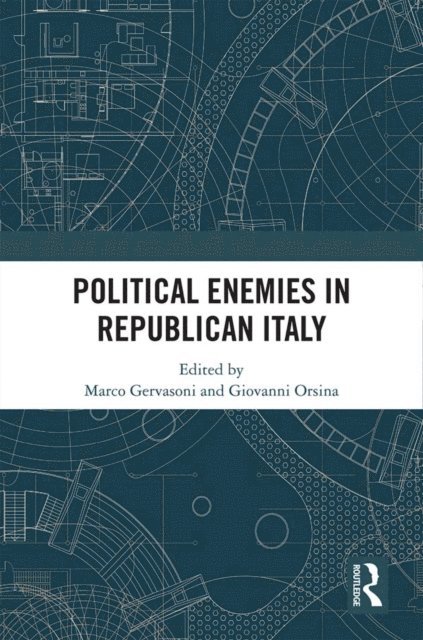
Political Enemies in Republican Italy
Av Marco Gervasoni, Giovanni Orsina
Häftad, 2021
712 kr
Lägg i varukorg
Political factionalism and ideological polarization have run high in Italian history. They must be taken into account in any attempt to explain the frailty of Italian public institutions – their instability, inefficiency, feeble legitimacy, inability to win citizens’ respect, and subservience to …
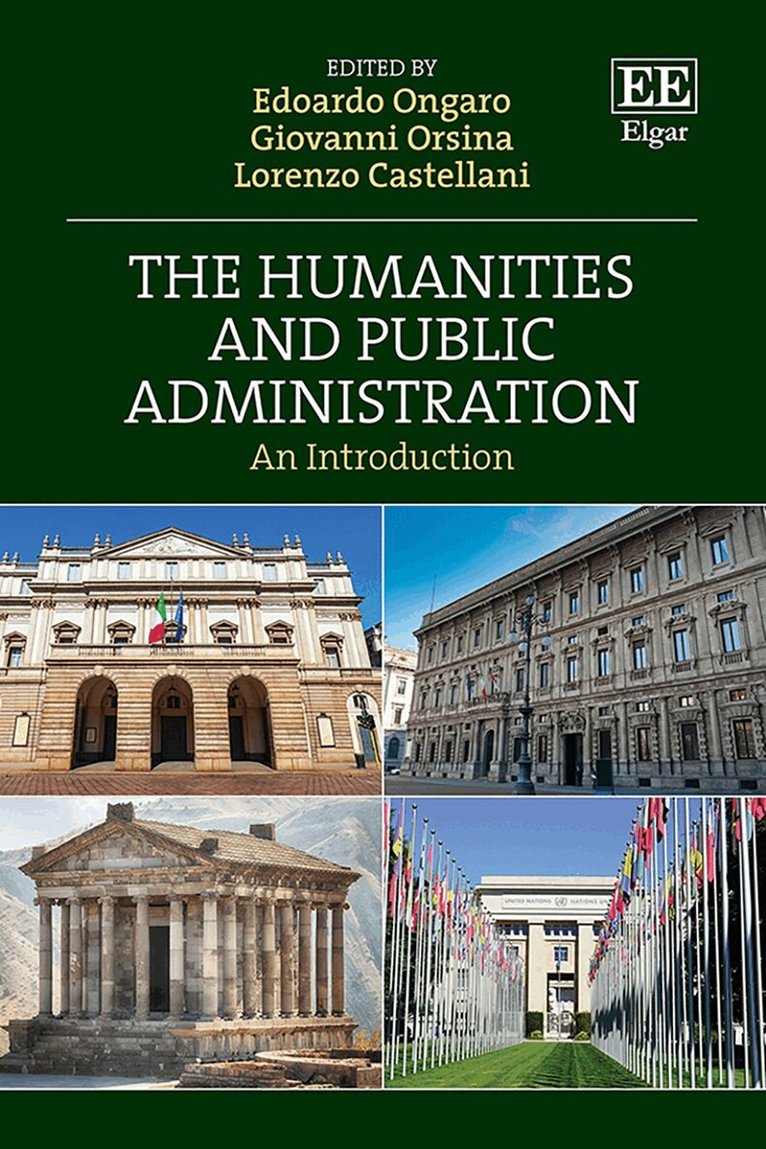
Humanities and Public Administration
An Introduction
Av Edoardo Ongaro, Giovanni Orsina m. fl.
Inbunden, 2025
1989 kr
Lägg i varukorg
This perceptive book is a much-needed exploration of the contribution of the humanities to the study of public administration. Expert authors advocate for reintegrating the humanities into this field, highlighting the ways in which the social sciences and humanities complement each other in …
Humanities and Public Administration
An Introduction
Av Lorenzo Castellani, Giovanni Orsina m. fl.
E-bok, 2025
459 kr
Lägg i varukorg
This perceptive book is a much-needed exploration of the contribution of the humanities to the study of public administration. Expert authors advocate for reintegrating the humanities into this field, highlighting the ways in which the social sciences and humanities complement each other in …
Humanities and Public Administration
An Introduction
Av Lorenzo Castellani, Giovanni Orsina m. fl.
E-bok, 2025
459 kr
Lägg i varukorg
This perceptive book is a much-needed exploration of the contribution of the humanities to the study of public administration. Expert authors advocate for reintegrating the humanities into this field, highlighting the ways in which the social sciences and humanities complement each other in …
Political Enemies in Republican Italy
Av Marco Gervasoni, Giovanni Orsina
Inbunden, 2018
2588 kr
Lägg i varukorg
Political factionalism and ideological polarization have run high in Italian history. They must be taken into account in any attempt to explain the frailty of Italian public institutions – their instability, inefficiency, feeble legitimacy, inability to win citizens’ respect, and subservience to …
Political Enemies in Republican Italy
Av Giovanni Orsina, Marco Gervasoni
E-bok, 2018
814 kr
Lägg i varukorg
Political factionalism and ideological polarization have run high in Italian history. They must be taken into account in any attempt to explain the frailty of Italian public institutions – their instability, inefficiency, feeble legitimacy, inability to win citizens’ respect, and subservience …
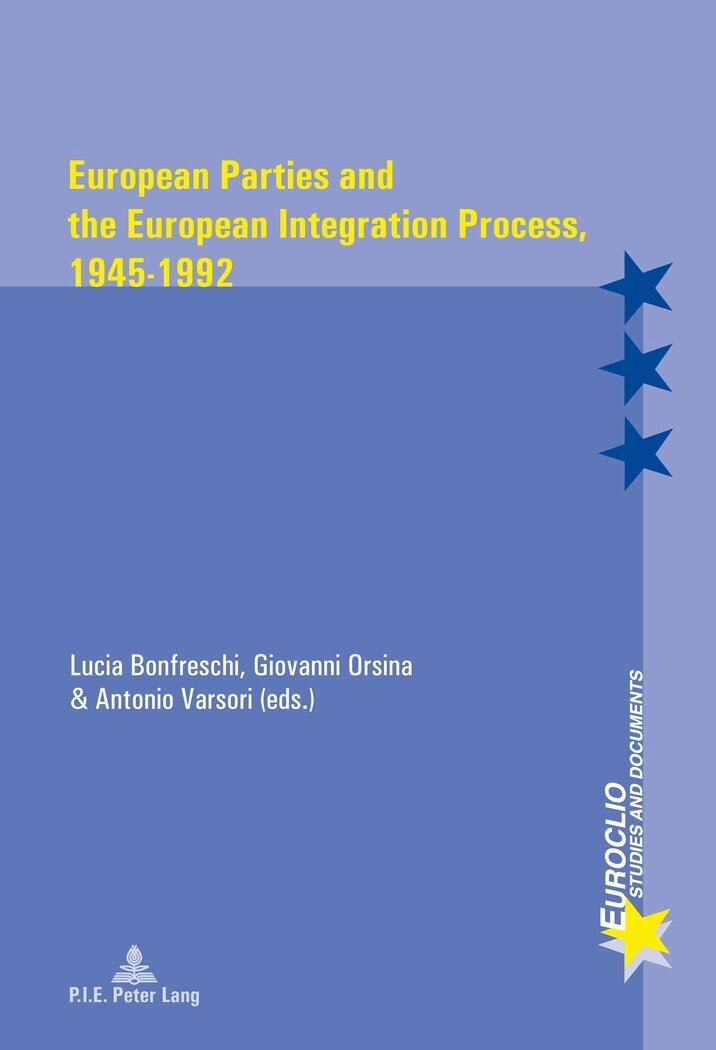
European Parties and the European Integration Process, 1945–1992
Av Antonio Varsori, Lucia Bonfreschi m. fl.
Häftad, 2015
1214 kr
Lägg i varukorg
The present volume brings together three different traditions of historical study: national politics, European integration, and political parties. Since the 1980s, there has been an enlargement of the scope of political history. This attempt to transcend national boundaries can intersect with the …