Gonzalo Sánchez - Böcker
Visar alla böcker från författaren Gonzalo Sánchez. Handla med fri frakt och snabb leverans.
3 produkter
3 produkter
268 kr
Skickas inom 10-15 vardagar
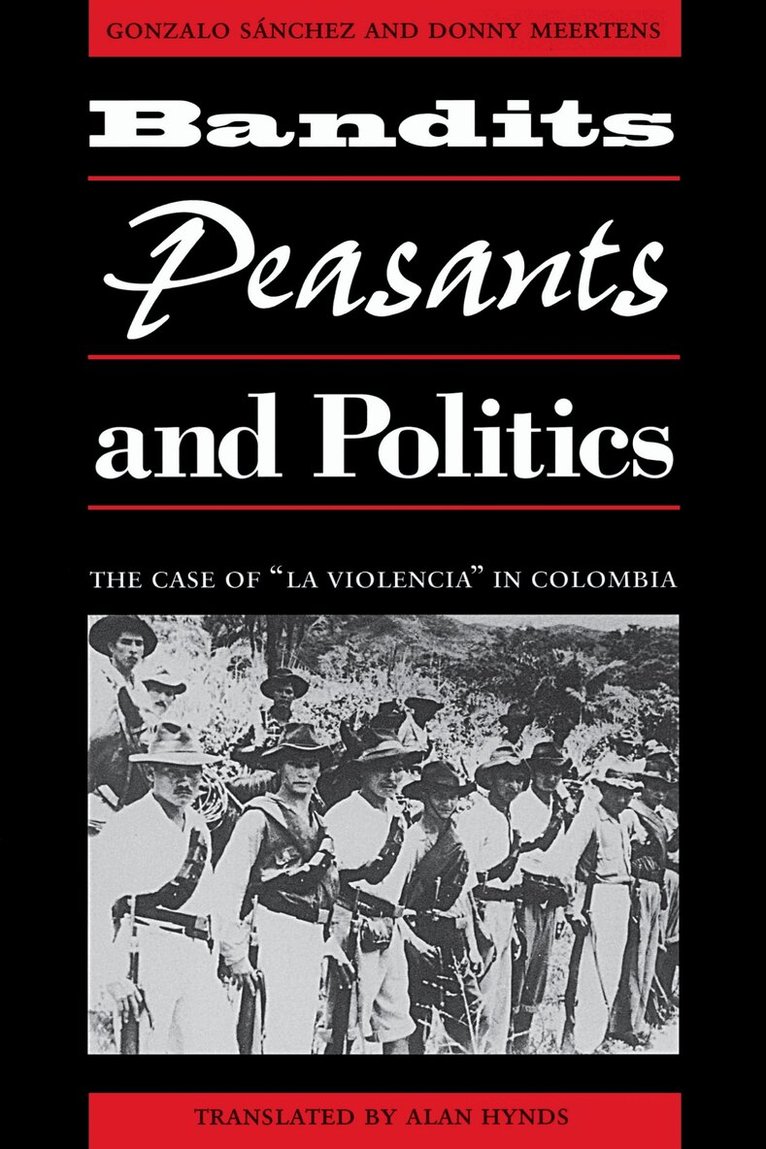
The years 1945-1965 saw heavy partisan conflict in the rural areas of Colombia, with at least 200,000 people killed. This virtual civil war began as a sectarian conflict between the Liberal and Conservative parties, with rural workers (campesinos) constituting the majority of combatants and casualties. Yet La Violencia resists classification as a social uprising, since calls for social reform were largely absent during this phase of the struggle. In fact, once the elite leadership settled on a power-sharing agreement in 1958, the conflict appeared to subside. This book focuses on the second phase (1958-1965) of the struggle, in which the social dimensions of the conflict emerged in a uniquely Colombian form: the campesinos, shaped by the earlier violence, became social and political bandits, no longer acting exclusively for powerful men above them but more in defense of the peasantry. In comparing them with other regional expressions of bandolerismo, the authors weigh the limited prospects for the evolution of Colombian banditry into full-scale social revolution. Published originally in 1983 as Bandoleros, gamonales y campesinos and now updated with a new epilogue, this book makes a timely contribution to the discourse on social banditry and the Colombian violencia. Its importance rests in the insights it provides not only on the period in question but also on Colombia's present situation.
568 kr
Skickas inom 10-15 vardagar
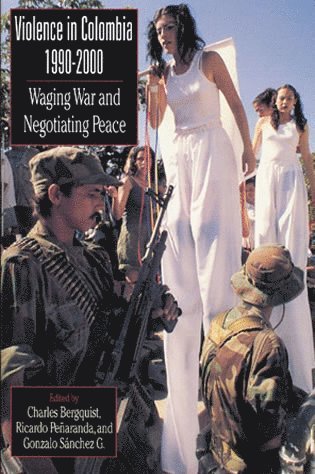
Violence In Colombia provides students with a deeper understanding of the crisis facing Colombia today. The book focuses on the 1990s, a decade that witnessed a strengthening of the oldest and largest guerrilla insurgency in the Americas and the emergence of a powerful paramilitary right. The decade also saw a dramatic rise in homicide, kidnapping, and human rights violations that made Colombia by far the most violent nation in the hemisphere. But the 1990s was also about negotiating peace. The decade began with negotiations between the government and some of the guerrilla groups that led to their demobilization and to the important reforms codified in the Constitution of 1991. It ended with another serious attempt at negotiating peace, a historic agreement between the government and the largest and most powerful of the guerrilla groups to put a range of social and economic reforms on the negotiating table. For many, the crisis in Colombia is understood in terms of the drug trade. To be sure, the drug trade is implicated in every aspect of the crisis. And despite (or because of?) escalating efforts by the Colombian and U.S. governments to curb the trade, Colombia's role as the leading supplier of cocaine, and increasingly of heroin, to the U.S. market continues to expand. But the drug trade, by itself, cannot explain the crisis. If it could, why have other Latin American drug-producing and trafficking nations not experienced a fate like Colombia's? To answer this question, the book presents some of the best recent work by Colombian scholars on the crisis facing the nation. Violence in Colombia also includes a large section devoted to primary documents, which enables students to get a feel for the views of the protagonists in the conflict and judge for themselves the meaning of what they say. Examples include the negotiating positions of the government, the guerrillas, and the paramilitary right; testimony by kidnap victims and human rights lawyers; and assessments by U.S. officials and Colombian commentators of the war on drugs. Introductions to each of the essays and documents place this material, most of it made available to English readers for the first time, in broad analytical and historical context. This is an excellent text for Latin American history courses and courses on political violence.
426 kr
Skickas inom 5-8 vardagar