Charles Bergquist – författare
Visar alla böcker från författaren Charles Bergquist. Handla med fri frakt och snabb leverans.
3 produkter
3 produkter
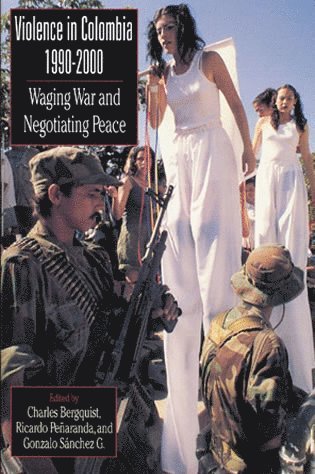
Violence in Colombia
The Contemporary Crisis in Historical Perspective (Latin American Silhouettes)
Inbunden, Engelska, 1992
497 kr
Tillfälligt slut
Colombia has long suffered under such violence that it is now one of the most convulsed societies in the world. Far from being the result of solely the drug trade, the country's contemporary crisis stems from La Violencia ("The Violence"), a period of terror, political banditry and peasant unrest that plagued Colombia between the 1940s and the 1960s. The 14 essays in this collection examine La Violencia and its effects on current conditions, placing today's violence in its historical context. The contributors are specialists in social science, history and related fields, from the United States, Colombia and other countries. They not only examine the roles played by the drug mafia, guerillas and class conflict, but also suggest reforms that will offer a fundamental challenge to Colombian society.
570 kr
Skickas inom 10-15 vardagar
Violence In Colombia provides students with a deeper understanding of the crisis facing Colombia today. The book focuses on the 1990s, a decade that witnessed a strengthening of the oldest and largest guerrilla insurgency in the Americas and the emergence of a powerful paramilitary right. The decade also saw a dramatic rise in homicide, kidnapping, and human rights violations that made Colombia by far the most violent nation in the hemisphere. But the 1990s was also about negotiating peace. The decade began with negotiations between the government and some of the guerrilla groups that led to their demobilization and to the important reforms codified in the Constitution of 1991. It ended with another serious attempt at negotiating peace, a historic agreement between the government and the largest and most powerful of the guerrilla groups to put a range of social and economic reforms on the negotiating table. For many, the crisis in Colombia is understood in terms of the drug trade. To be sure, the drug trade is implicated in every aspect of the crisis. And despite (or because of?) escalating efforts by the Colombian and U.S. governments to curb the trade, Colombia's role as the leading supplier of cocaine, and increasingly of heroin, to the U.S. market continues to expand. But the drug trade, by itself, cannot explain the crisis. If it could, why have other Latin American drug-producing and trafficking nations not experienced a fate like Colombia's? To answer this question, the book presents some of the best recent work by Colombian scholars on the crisis facing the nation. Violence in Colombia also includes a large section devoted to primary documents, which enables students to get a feel for the views of the protagonists in the conflict and judge for themselves the meaning of what they say. Examples include the negotiating positions of the government, the guerrillas, and the paramilitary right; testimony by kidnap victims and human rights lawyers; and assessments by U.S. officials and Colombian commentators of the war on drugs. Introductions to each of the essays and documents place this material, most of it made available to English readers for the first time, in broad analytical and historical context. This is an excellent text for Latin American history courses and courses on political violence.
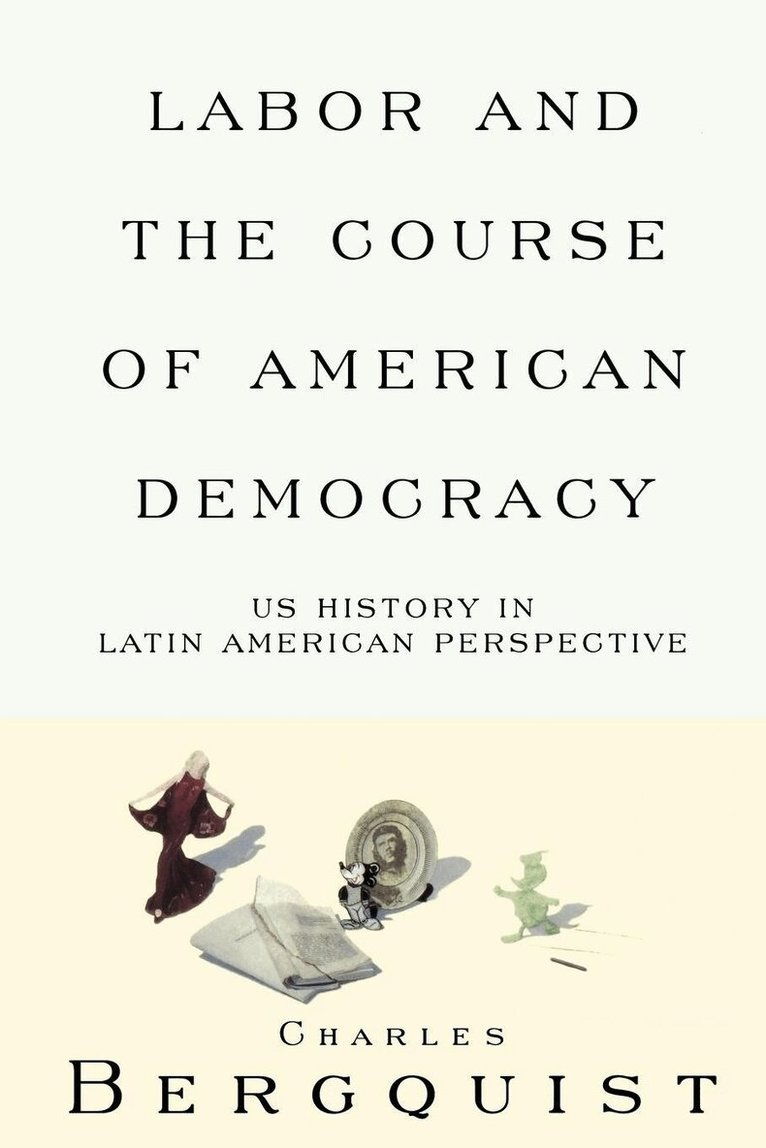
Labor and the Course of American Democracy
US History in Latin American Perspective
Häftad, Engelska, 1996
323 kr
Skickas inom 3-6 vardagar
The American hemisphere is now more tightly interconnected than ever before, with the trend toward greater economic, social and cultural integration apparently certain to continue. In this landmark text, Charles Bergquist offers a fresh interpretation of the historical background to this integration from the unusual perspective of labor. Focusing on slices of US history, and built around critiques of a handful of classic and influential texts, his five essays form not a conventional narrative history but rather a study in the construction of historical meaning, and an invitation to make use of history in the forging of a new, more democratic understanding of politics in the Americas.The book opens with an illustration of how the different labor systems of colonial America best explain the great disparity in development and power between the US and Latin America today. It goes on to link the origins of US imperialism to labor's democratic studies at home, and to explore labor's role in the Latin American social revolutions, before presenting an analysis of popular culture in the Americas in which Donald Duck is revealed as the representative of all workers. Will Donald rewrite the history books and, in our post-Cold War era, realize his democratic potential? Or will he bungle the job and succumb to the postmodern confusions of the capitalists' "New World Order?"