Gordon F. M. Rakita - Böcker
Visar alla böcker från författaren Gordon F. M. Rakita. Handla med fri frakt och snabb leverans.
4 produkter
4 produkter
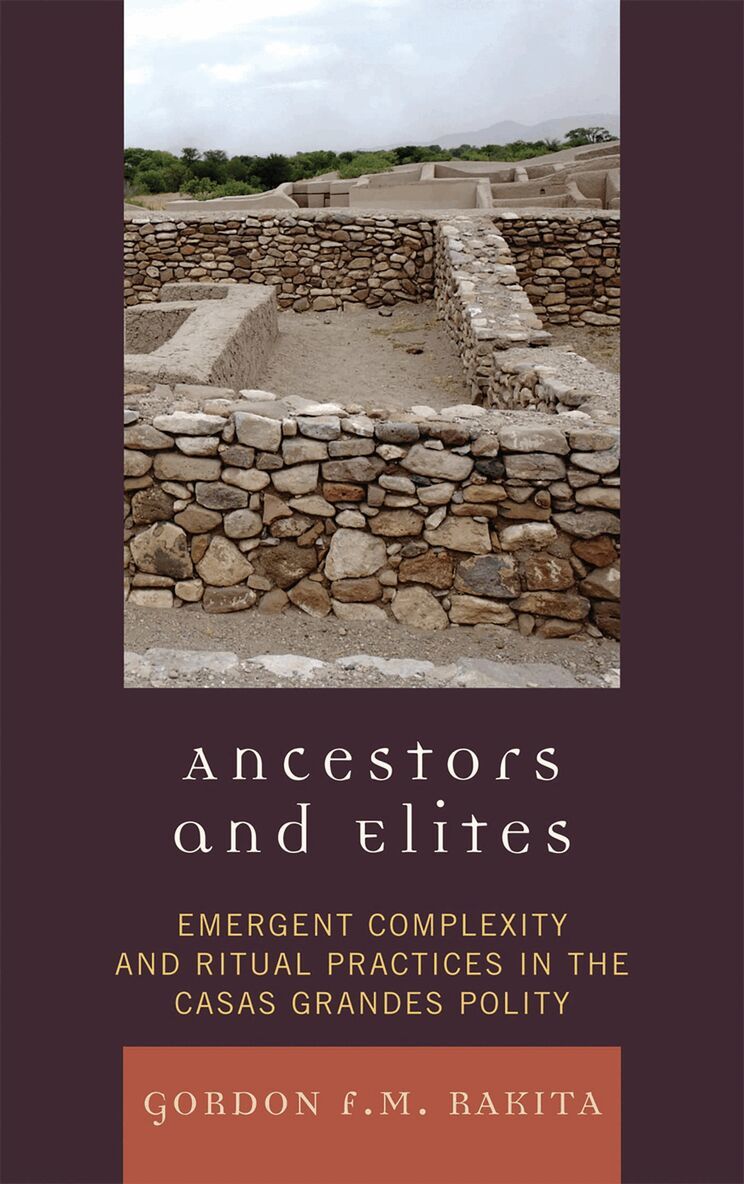
Ancestors and Elites
Emergent Complexity and Ritual Practices in the Casas Grandes Polity
Inbunden, Engelska, 2009
1 039 kr
Skickas inom 10-15 vardagar
Ancestors and Elites examines prehispanic ritual behaviors characteristic of the Casas Grandes region of Chihuahua, Mexico. Gordon Rakita analyzes the archaeological data from the site with respect to broader anthropological theories regarding both religious practices and the rise of complex societies. This confluence of empirical fact and general theory allows Rakita to explore in detail the complex, reciprocal relationship between ritual practices and developing social complexity at Paquimé, one of the best-documented archaeological sites in the region.
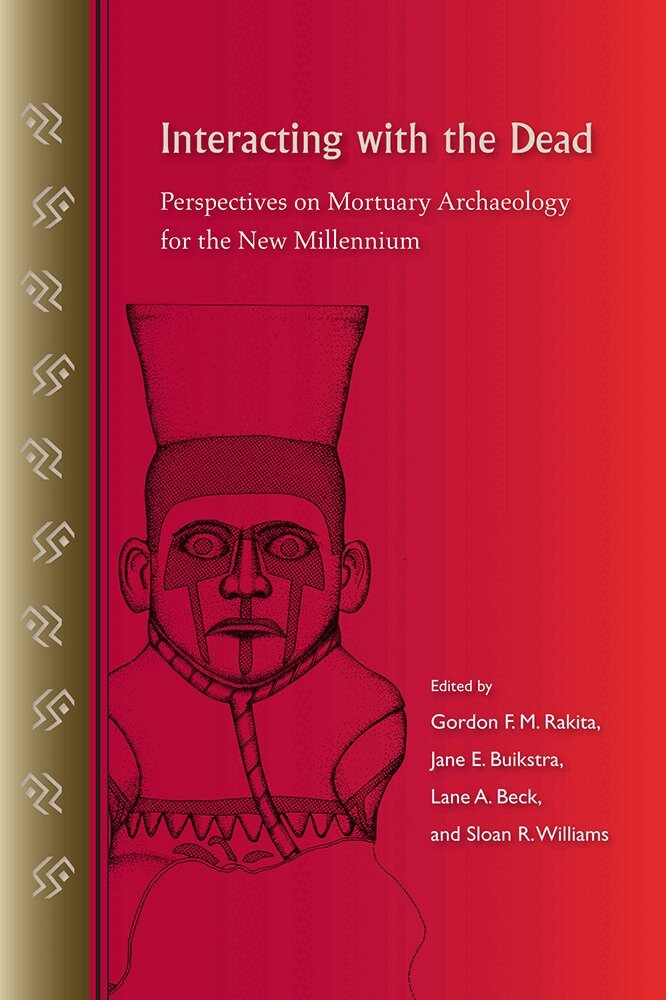
Interacting with the Dead
Perspectives on Mortuary Archaeology for the New Millennium
Häftad, Engelska, 2008
321 kr
Skickas inom 10-15 vardagar
1 039 kr
Skickas inom 10-15 vardagar
The topics of style and function within evolutionary archaeology have been the subject of great debate in the field of archaeology in general over the past two decades. Evolutionary archaeologists have a unique perspective on these concepts-one that has sometimes been misunderstood by archaeologists working within other theoretical perspectives.The dichotomy between style and function was first formulated in the late 1970s by Robert Dunnell and remains axiomatic within the theoretical perspective of evolutionary archaeology. The original definitions of style and function were grounded in biological evolutionary concepts regarding neutral variation versus variation that is subject to natural selection. Several chapters expand upon these concepts, and explore how Darwinian evolutionary theory may be used to understand the archaeological record. Other chapters demonstrate this application through empirical case studies. Dunnell provides a foreword introducing and re-examining his original thesis.This volume is the only text devoted to the topic of style and function within the literature of evolutionary archaeology. It provides not only theoretical discussions and augmentation, but also significant historical background regarding the development of the style/function distinction within archaeology. Moreover, it presents several case studies that provide examples of how evolutionary style and function may be applied to the prehistoric record.
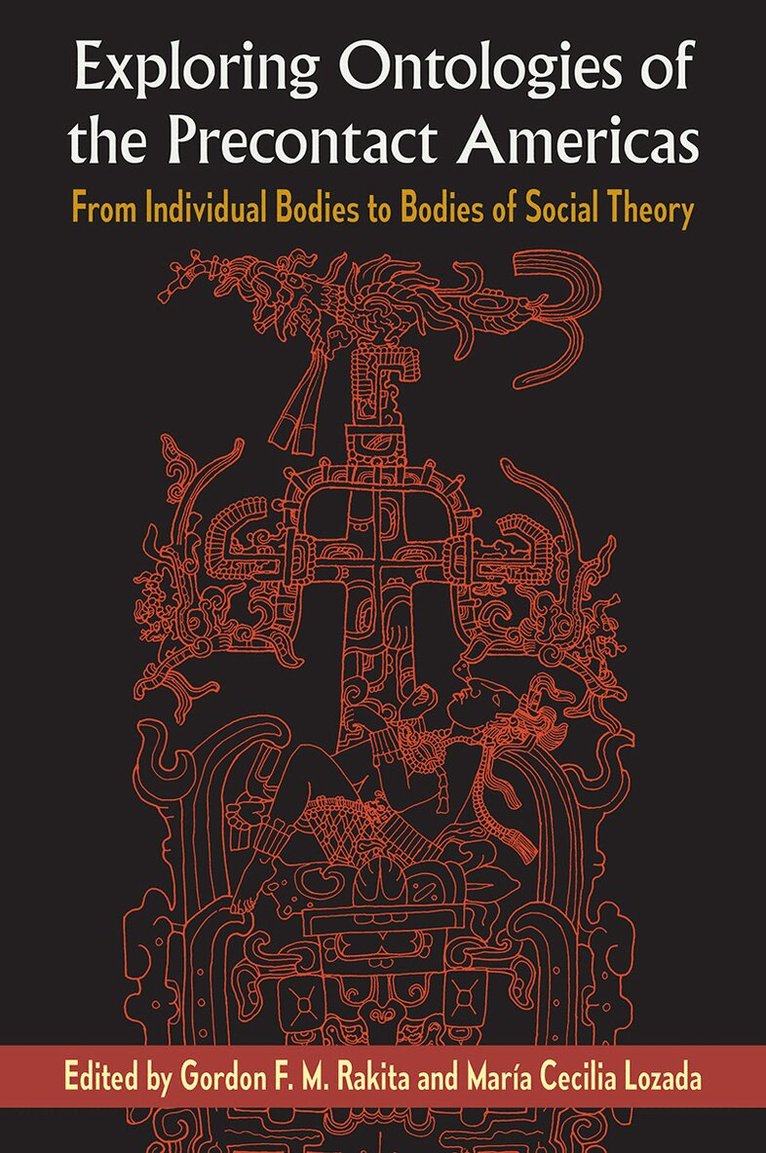
Exploring Ontologies of the Precontact Americas
From Individual Bodies to Bodies of Social Theory
Inbunden, Engelska, 2024
1 049 kr
Skickas inom 10-15 vardagar
Applying social theory and incorporating non-Western perspectives in the interpretation of bioarchaeological research This volume demonstrates how researchers in bioarchaeology and mortuary archaeology can work to better understand concepts of life and death in past societies of the Indigenous Americas. Through case studies that apply the “ontological turn” to human funerary and skeletal remains, contributors set aside Western views of reality, nature, and personhood to explore how people of various cultures understood existence and the human body.Contributors examine mortuary records from Inuit groups in Labrador and Greenland, Hopewell culture in the lower Illinois River valley, and Weeden Island and Puebloan traditions in the United States Southeast and Southwest. They look at the Paquimé community in Mexico, iconography of the Maya civilization, the demographics of Inka populations, and an ancient village on the Amazon River in Brazil. With attention to the viewpoints of these cultures, these essays deconstruct the boundaries between human remains and other interred artifacts, the living and the dead, and other binaries rooted deeply in Western science.Exploring Ontologies of the Precontact Americas reminds readers that their own ontological perspectives affect how they interpret the past. By considering diverse, non-Western worldviews and engaging with novel social theories of the body, this volume inspires new understandings of precontact societies.