Greg Singh – författare
Visar alla böcker från författaren Greg Singh. Handla med fri frakt och snabb leverans.
15 produkter
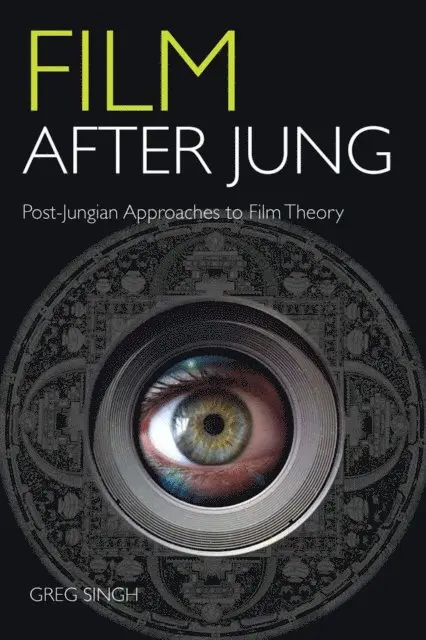
Film After Jung
Post-Jungian Approaches to Film Theory
Av Greg Singh
Inbunden, 2009
2193 kr
Lägg i varukorg
Popular film as a medium of communication, expression and storytelling has proved one of the most durable and fascinating cultural forms to emerge during the twentieth century, and has long been the object of debate, discussion and interpretation. Film After Jung provides the reader with an …
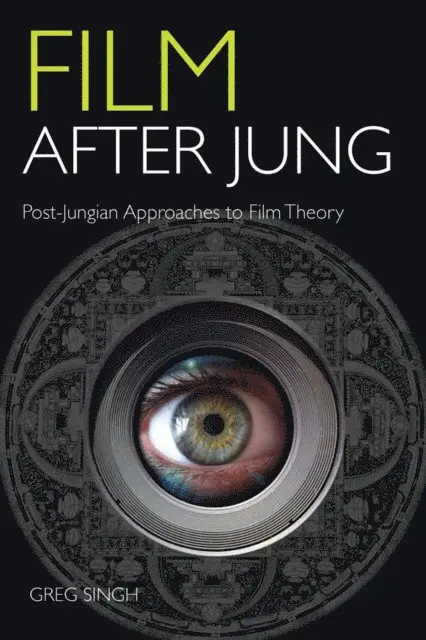
Film After Jung
Post-Jungian Approaches to Film Theory
Av Greg Singh
Häftad, 2009
602 kr
Lägg i varukorg
Popular film as a medium of communication, expression and storytelling has proved one of the most durable and fascinating cultural forms to emerge during the twentieth century, and has long been the object of debate, discussion and interpretation. Film After Jung provides the reader with an …
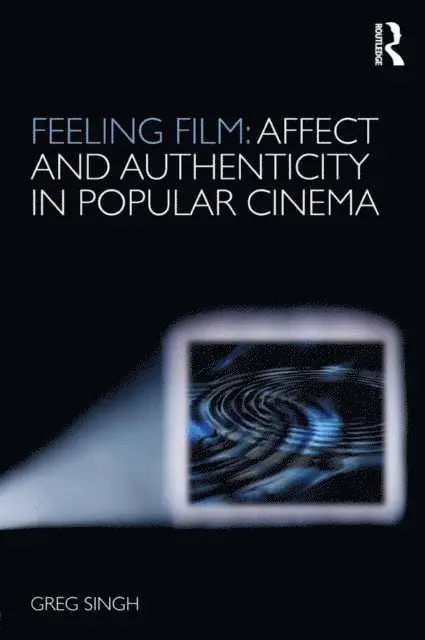
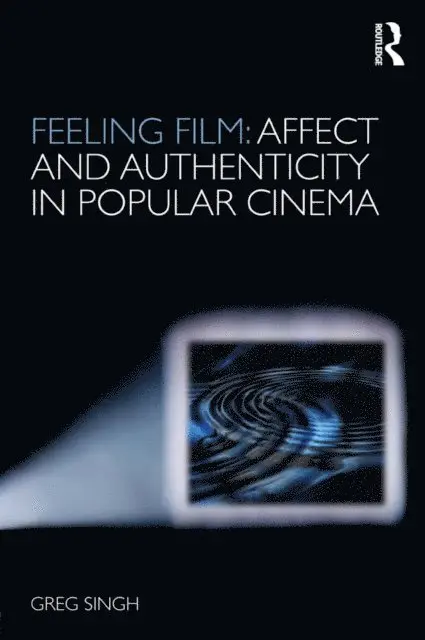
Feeling Film: Affect and Authenticity in Popular Cinema
Av Greg Singh
Inbunden, 2014
2983 kr
Lägg i varukorg
Cinema has the capacity to enflame our passions, to arouse our pity, to inspire our love. Feeling Film is a book that examines the emotional encounters found in contemporary popular cinema cultures. Examining melodrama, film noir, comic book franchises, cult indie movies and romantic comedy within …
Feeling Film: Affect and Authenticity in Popular Cinema
Av Greg Singh
Häftad, 2014
786 kr
Lägg i varukorg
Cinema has the capacity to enflame our passions, to arouse our pity, to inspire our love. Feeling Film is a book that examines the emotional encounters found in contemporary popular cinema cultures. Examining melodrama, film noir, comic book franchises, cult indie movies and romantic comedy within …
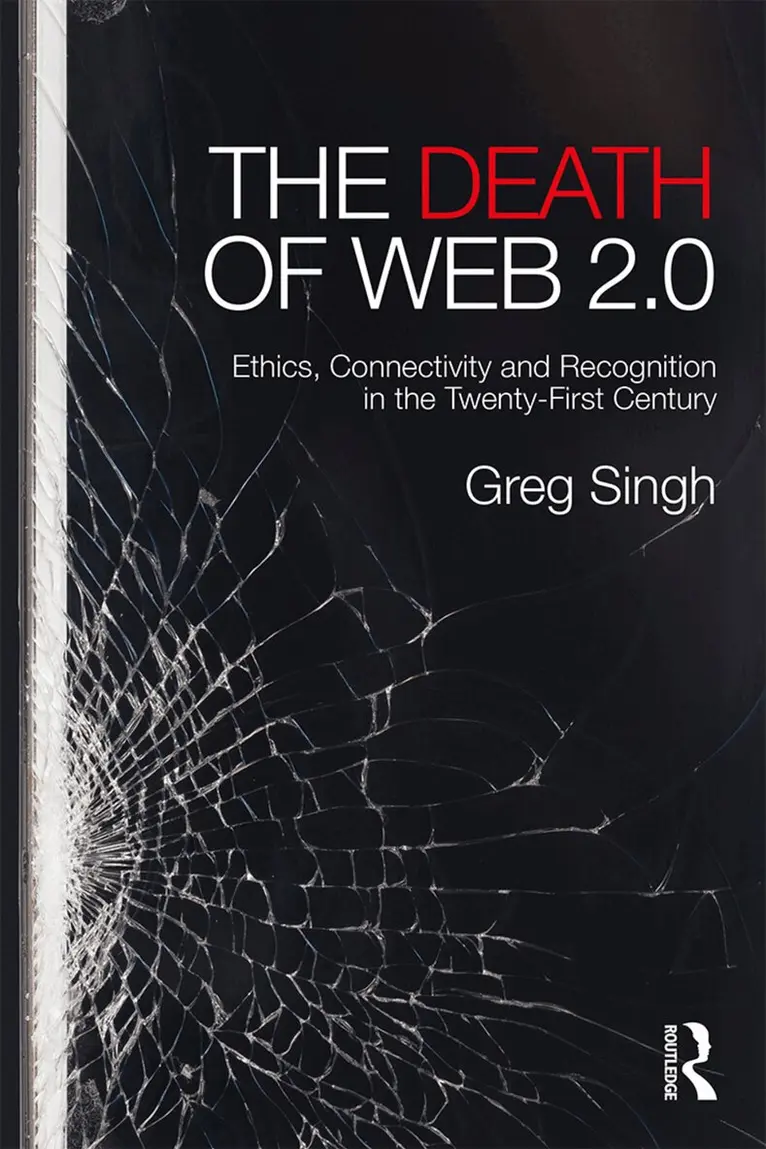
Death of Web 2.0
Ethics, Connectivity and Recognition in the Twenty-First Century
Av Greg Singh
Inbunden, 2018
2515 kr
Lägg i varukorg
With all our contemporary connectivity, are we really connected? What does the nature of connectivity tell us about interpersonal and community relationships? What ethical concerns are raised through an always-on culture?Communication in today’s world is characterised by a condition of persistent, …
Death of Web 2.0
Ethics, Connectivity and Recognition in the Twenty-First Century
Av Greg Singh
Häftad, 2018
619 kr
Lägg i varukorg
With all our contemporary connectivity, are we really connected? What does the nature of connectivity tell us about interpersonal and community relationships? What ethical concerns are raised through an always-on culture?Communication in today’s world is characterised by a condition of persistent, …
Death of Web 2.0
Ethics, Connectivity and Recognition in the Twenty-First Century
Av Greg Singh
E-bok, 2018
692 kr
Lägg i varukorg
With all our contemporary connectivity, are we really connected? What does the nature of connectivity tell us about interpersonal and community relationships? What ethical concerns are raised through an always-on culture? Communication in today’s world is characterised by a condition of …
Death of Web 2.0
Ethics, Connectivity and Recognition in the Twenty-First Century
Av Greg Singh
E-bok, 2018
707 kr
Lägg i varukorg
With all our contemporary connectivity, are we really connected? What does the nature of connectivity tell us about interpersonal and community relationships? What ethical concerns are raised through an always-on culture? Communication in today’s world is characterised by a condition of …
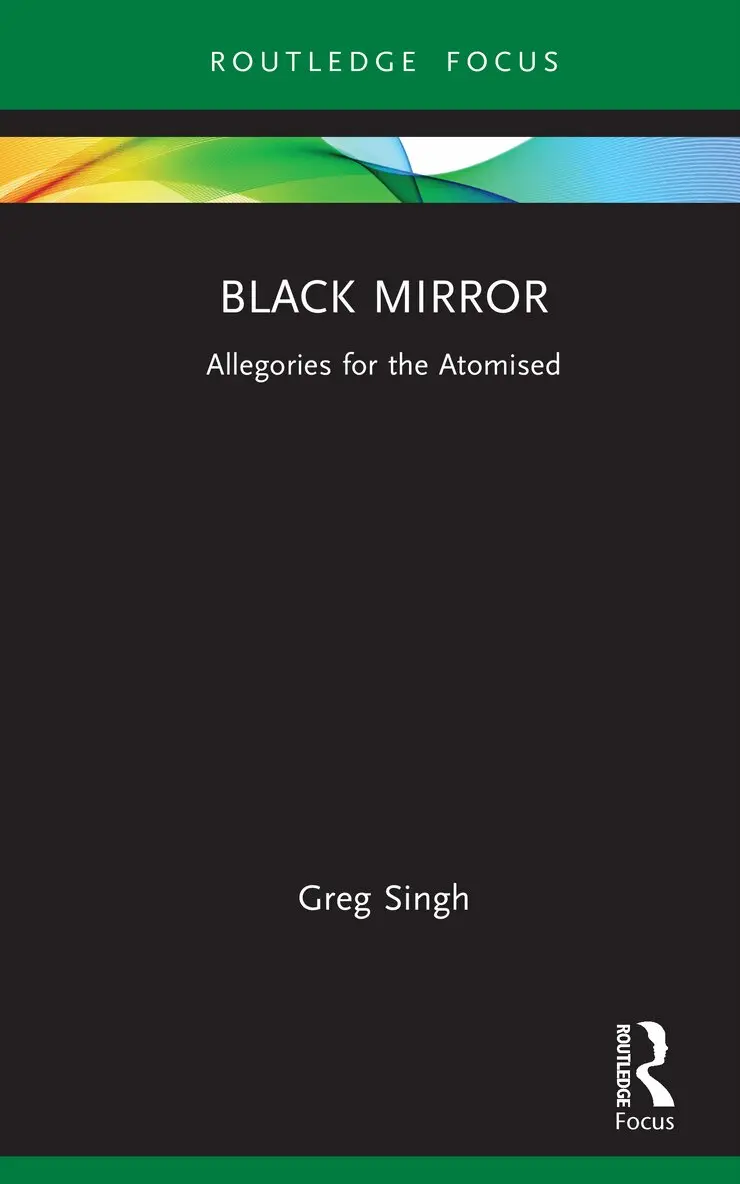
Black Mirror
Allegories for the Atomised
Av Greg Singh
Inbunden, 2025
854 kr
Lägg i varukorg
Black Mirror: Allegories for the Atomised addresses the ways that media and communications technologies shape our relationships with society, with others, and ultimately, with ourselves.The main themes and discussions of this book are inspired by the imaginative storytelling and self-reflecting, …
Film After Jung
Post-Jungian Approaches to Film Theory
Av Greg Singh
E-bok, 2014
707 kr
Lägg i varukorg
Popular film as a medium of communication, expression and storytelling has proved one of the most durable and fascinating cultural forms to emerge during the twentieth century, and has long been the object of debate, discussion and interpretation. Film After Jung provides the reader with an …
Film After Jung
Post-Jungian Approaches to Film Theory
Av Greg Singh
E-bok, 2014
692 kr
Lägg i varukorg
Popular film as a medium of communication, expression and storytelling has proved one of the most durable and fascinating cultural forms to emerge during the twentieth century, and has long been the object of debate, discussion and interpretation. Film After Jung provides the reader with an …
Feeling Film: Affect and Authenticity in Popular Cinema
Av Greg Singh
E-bok, 2014
953 kr
Lägg i varukorg
Cinema has the capacity to enflame our passions, to arouse our pity, to inspire our love. Feeling Film is a book that examines the emotional encounters found in contemporary popular cinema cultures. Examining melodrama, film noir , comic book franchises, cult indie movies and romantic comedy within …
Feeling Film: Affect and Authenticity in Popular Cinema
Av Greg Singh
E-bok, 2014
922 kr
Lägg i varukorg
Cinema has the capacity to enflame our passions, to arouse our pity, to inspire our love. Feeling Film is a book that examines the emotional encounters found in contemporary popular cinema cultures. Examining melodrama, film noir , comic book franchises, cult indie movies and romantic comedy within …
Black Mirror
Allegories for the Atomised
Av Greg Singh
E-bok, 2025
433 kr
Lägg i varukorg
Black Mirror: Allegories for the Atomised addresses the ways that media and communications technologies shape our relationships with society, with others, and ultimately, with ourselves. The main themes and discussions of this book are inspired by the imaginative storytelling and self-reflecting, …
Black Mirror
Allegories for the Atomised
Av Greg Singh
E-bok, 2025
433 kr
Lägg i varukorg
Black Mirror: Allegories for the Atomised addresses the ways that media and communications technologies shape our relationships with society, with others, and ultimately, with ourselves. The main themes and discussions of this book are inspired by the imaginative storytelling and self-reflecting, …