Gregory Forth – författare
Visar alla böcker från författaren Gregory Forth. Handla med fri frakt och snabb leverans.
18 produkter
Between Ape and Human
An Anthropologist on the Trail of a Hidden Hominoid
Inbunden, 2022
240 kr
Lägg i varukorg
A remarkable investigation into the hominoids of Flores Island, their place on the evolutionary spectrum—and whether or not they still survive.While doing fieldwork on the remote Indonesian island of Flores, anthropologist Gregory Forth came across people talking about half-apelike, half-humanlike …
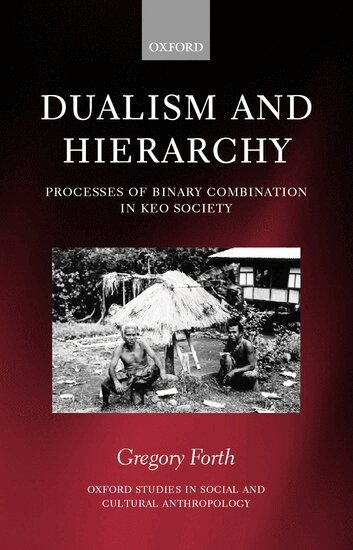
Dualism and Hierarchy C
Processes of Binary Combination in Keo Society
Inbunden, 2001
2483 kr
Lägg i varukorg
Society in the Keo region of the eastern Indonesian island of Flores reveals a pervasive pairing of villages, clans, and other groups. Apart from introducing a hitherto undescribed population, this study, deriving from fieldwork conducted by the author over a period of 15 years, analyses a form of …
Dog Pissing at the Edge of a Path
Animal Metaphors in an Eastern Indonesian Society
E-bok, 2019
442 kr
Lägg i varukorg
The Nage people of the eastern Indonesian island of Flores refer to someone who begins something but is regularly distracted by other matters as "a dog pissing at the edge of a path." In this first comprehensive study of animal metaphors in a non-Western society, Gregory Forth focuses on how the …
Dog Pissing at the Edge of a Path
Animal Metaphors in an Eastern Indonesian Society
E-bok, 2019
442 kr
Lägg i varukorg
The Nage people of the eastern Indonesian island of Flores refer to someone who begins something but is regularly distracted by other matters as "a dog pissing at the edge of a path." In this first comprehensive study of animal metaphors in a non-Western society, Gregory Forth focuses on how the …
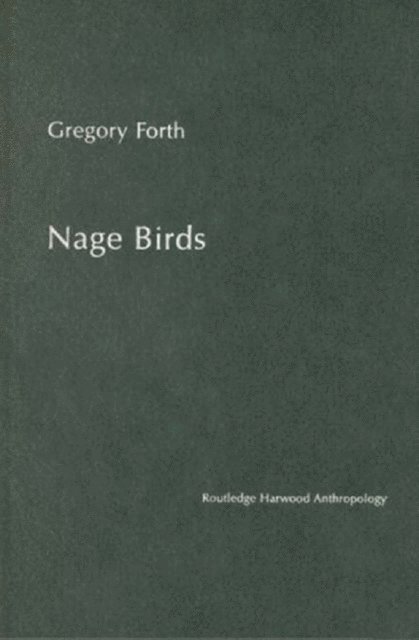
Nage Birds
Classification and symbolism among an eastern Indonesian people
Inbunden, 2003
1521 kr
Lägg i varukorg
This unusual and richly-illustrated book is the story of the relationship between the Nage people of eastern Indonesia and the birds alongside which they co-exist. Based on fieldwork carried out over a period of some fifteen years, it aims for a total view of how a human community interacts with …
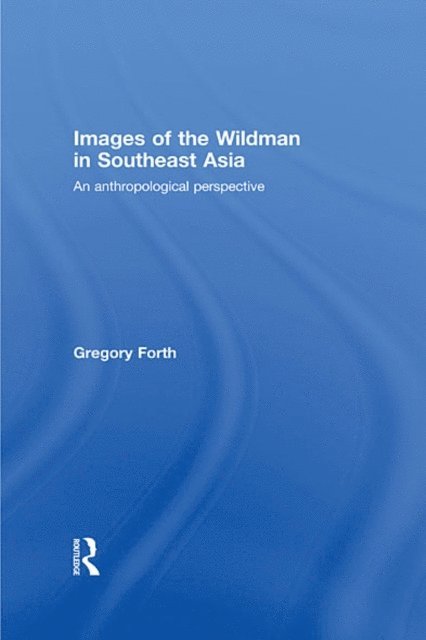
Images of the Wildman in Southeast Asia
An Anthropological Perspective
Häftad, 2012
772 kr
Lägg i varukorg
The book examines ‘wildmen’, images of hairy humanlike creatures known to rural villagers and other local people in Southeast Asia and elsewhere. Sometimes described in considerable detail, the creatures are reported as still living or as having survived until recent times. The aim of the book is …
Nage Birds
Classification and symbolism among an eastern Indonesian people
Häftad, 2013
531 kr
Lägg i varukorg
This unusual and richly-illustrated book is the story of the relationship between the Nage people of eastern Indonesia and the birds alongside which they co-exist. Based on fieldwork carried out over a period of some fifteen years, it aims for a total view of how a human community interacts with …
Images of the Wildman in Southeast Asia
An Anthropological Perspective
Inbunden, 2008
2826 kr
Lägg i varukorg
The book examines ‘wildmen’, images of hairy humanlike creatures known to rural villagers and other local people in Southeast Asia and elsewhere. Sometimes described in considerable detail, the creatures are reported as still living or as having survived until recent times. The aim of the book is …
Dog Pissing at the Edge of a Path
Animal Metaphors in an Eastern Indonesian Society
Häftad, 2019
483 kr
Lägg i varukorg
The Nage people of the eastern Indonesian island of Flores refer to someone who begins something but is regularly distracted by other matters as "a dog pissing at the edge of a path." In this first comprehensive study of animal metaphors in a non-Western society, Gregory Forth focuses on how the …
Nage Birds
Classification and symbolism among an eastern Indonesian people
E-bok, 2013
624 kr
Lägg i varukorg
This unusual and richly-illustrated book is the story of the relationship between the Nage people of eastern Indonesia and the birds alongside which they co-exist. Based on fieldwork carried out over a period of some fifteen years, it aims for a total view of how a human community interacts with …
Nage Birds
Classification and symbolism among an eastern Indonesian people
E-bok, 2013
610 kr
Lägg i varukorg
This unusual and richly-illustrated book is the story of the relationship between the Nage people of eastern Indonesia and the birds alongside which they co-exist. Based on fieldwork carried out over a period of some fifteen years, it aims for a total view of how a human community interacts with …
Images of the Wildman in Southeast Asia
An Anthropological Perspective
E-bok, 2008
864 kr
Lägg i varukorg
The book examines ‘wildmen’, images of hairy humanlike creatures known to rural villagers and other local people in Southeast Asia and elsewhere. Sometimes described in considerable detail, the creatures are reported as still living or as having survived until recent times. The aim of the book …
Images of the Wildman in Southeast Asia
An Anthropological Perspective
E-bok, 2008
883 kr
Lägg i varukorg
The book examines ‘wildmen’, images of hairy humanlike creatures known to rural villagers and other local people in Southeast Asia and elsewhere. Sometimes described in considerable detail, the creatures are reported as still living or as having survived until recent times. The aim of the book …
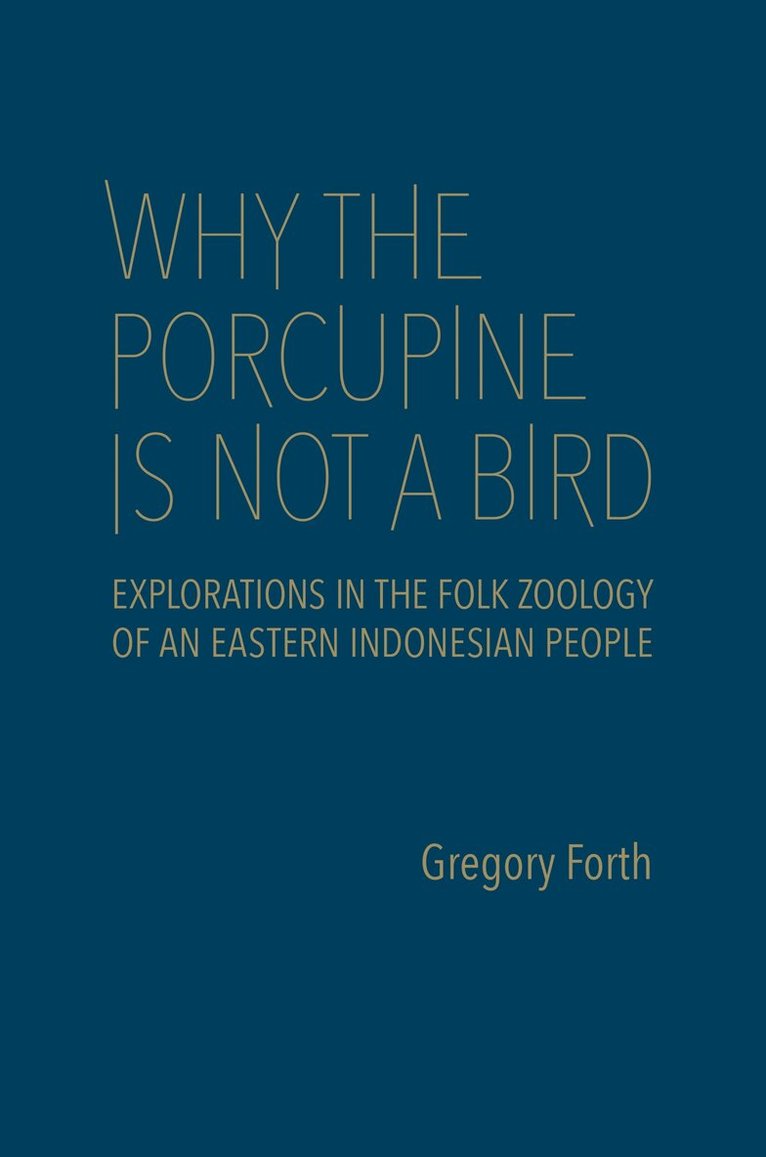
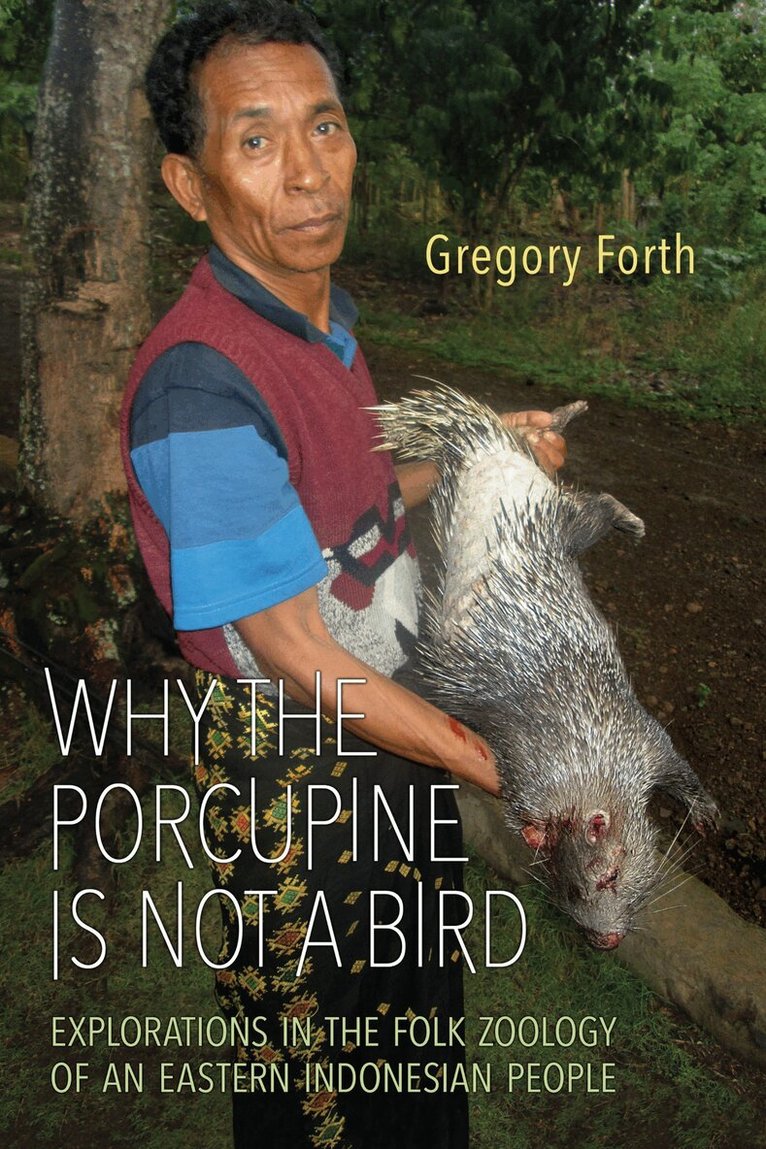
Why the Porcupine Is not a Bird
Explorations in the Folk Zoology of an Eastern Indonesian People
Inbunden, 2016
906 kr
Lägg i varukorg
Why the Porcupine Is Not a Bird is a comprehensive analysis of knowledge of animals among the Nage people of central Flores in Indonesia. Gregory Forth sheds light on the ongoing anthropological debate surrounding the categorization of animals in small-scale non-Western societies.Forth’s detailed …
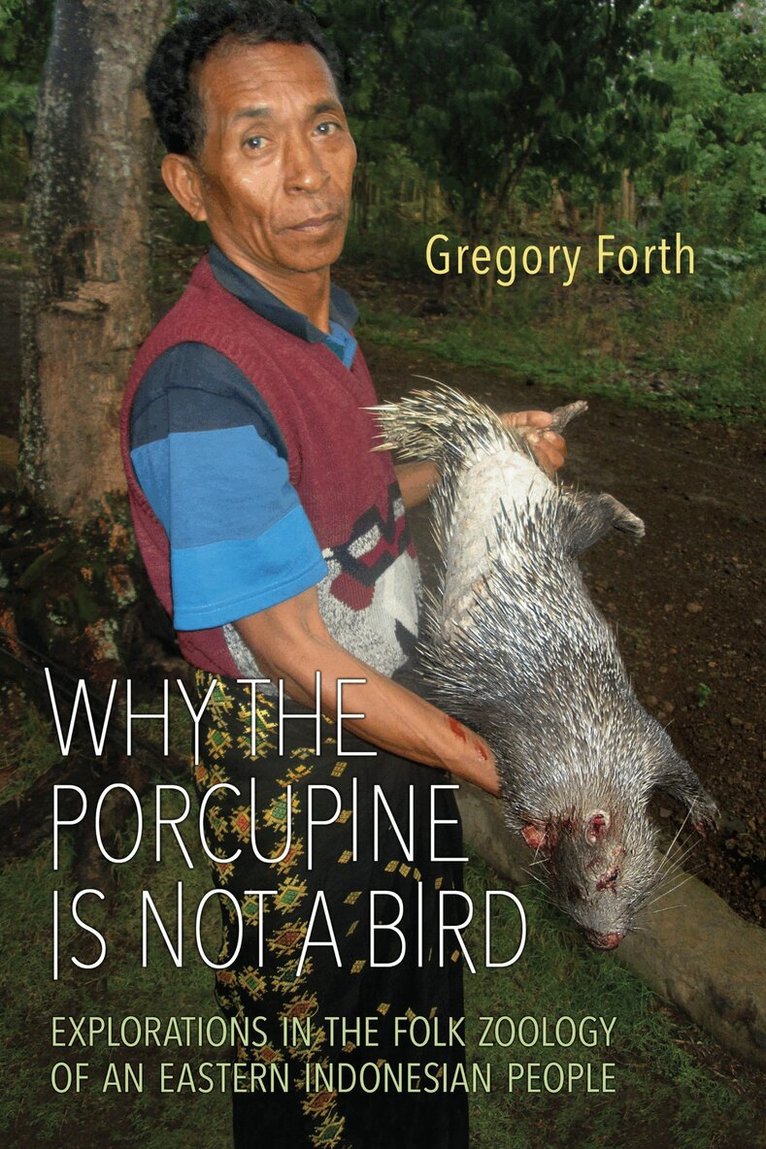
Why the Porcupine Is not a Bird
Explorations in the Folk Zoology of an Eastern Indonesian People
E-bok, 2016
554 kr
Lägg i varukorg
Why the Porcupine Is Not a Bird is a comprehensive analysis of knowledge of animals among the Nage people of central Flores in Indonesia. Gregory Forth sheds light on the ongoing anthropological debate surrounding the categorization of animals in small-scale non-Western societies. Forth’s detailed …
Why the Porcupine Is not a Bird
Explorations in the Folk Zoology of an Eastern Indonesian People
E-bok, 2016
554 kr
Lägg i varukorg
Why the Porcupine Is Not a Bird is a comprehensive analysis of knowledge of animals among the Nage people of central Flores in Indonesia. Gregory Forth sheds light on the ongoing anthropological debate surrounding the categorization of animals in small-scale non-Western societies. Forth’s detailed …
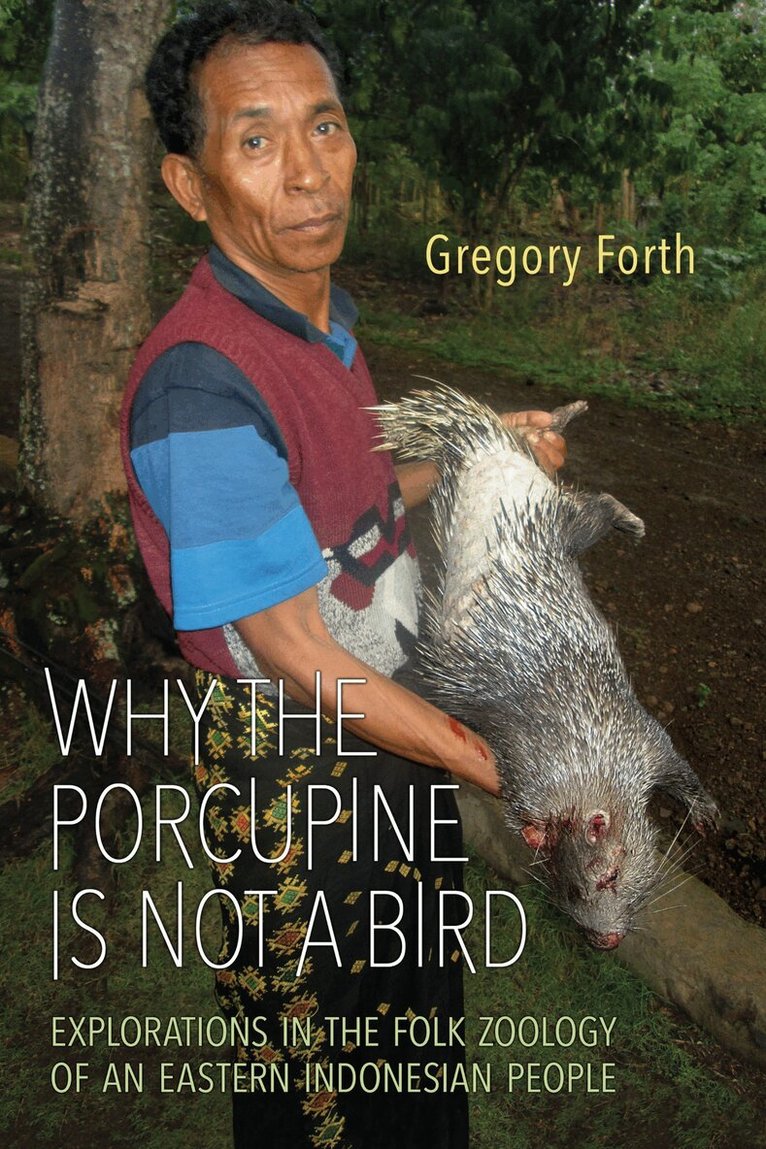
Why the Porcupine Is not a Bird
Explorations in the Folk Zoology of an Eastern Indonesian People
Häftad, 2016
446 kr
Lägg i varukorg
Why the Porcupine Is Not a Bird is a comprehensive analysis of knowledge of animals among the Nage people of central Flores in Indonesia. Gregory Forth sheds light on the ongoing anthropological debate surrounding the categorization of animals in small-scale non-Western societies.Forth’s detailed …
Between Ape and Human
An Anthropologist on the Trail of a Hidden Hominoid
Häftad, 2024
164 kr
Tillfälligt slut
A remarkable investigation into the hominoids of Flores Island, their place on the evolutionary spectrum—and whether or not they still survive.While doing fieldwork on the remote Indonesian island of Flores, anthropologist Gregory Forth came across people talking about half-apelike, half-humanlike …