Gregory K. Webster – författare
2 407 kr
Läs direkt efter köp
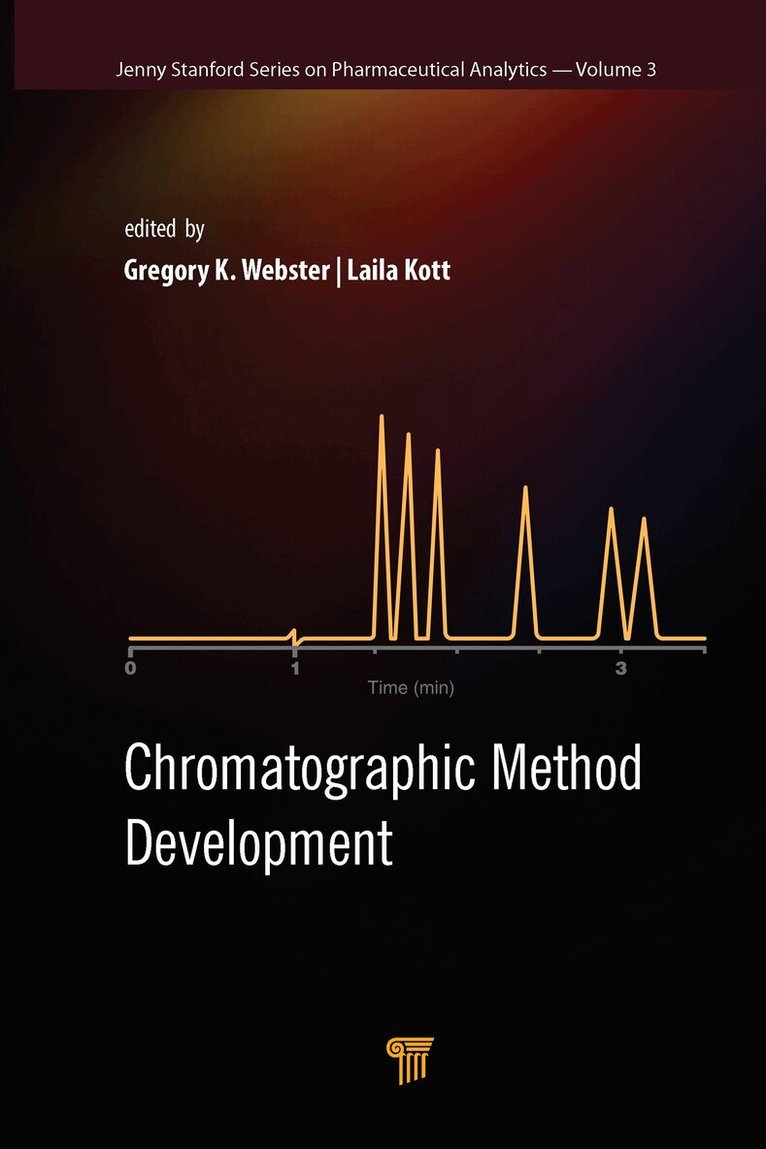
This book is a comprehensive compilation of modern and cutting-edge chromatographic techniques written by pharmaceutical industry experts, academics, and vendors in the field. This book is an inclusive guide to developing all chromatographic methods
(such as liquid chromatography and gas chromatography). It covers modern techniques for developing methods using chromatographic development software, requirements for validations, discussion on orthogonality, and how to transfer methods from HPLC to UHPLC. The text introduces some newer techniques that are heavily employed by chemists analyzing proteins and RNAi, as well as novel techniques such as counter current chromatography. This book is valuable for both the novice starting out in undergraduate labs and those who are new to the pharmaceutical industry and is a useful reference for seasoned analysts.
2 407 kr
Läs direkt efter köp
This book is a comprehensive compilation of modern and cutting-edge chromatographic techniques written by pharmaceutical industry experts, academics, and vendors in the field. This book is an inclusive guide to developing all chromatographic methods
(such as liquid chromatography and gas chromatography). It covers modern techniques for developing methods using chromatographic development software, requirements for validations, discussion on orthogonality, and how to transfer methods from HPLC to UHPLC. The text introduces some newer techniques that are heavily employed by chemists analyzing proteins and RNAi, as well as novel techniques such as counter current chromatography. This book is valuable for both the novice starting out in undergraduate labs and those who are new to the pharmaceutical industry and is a useful reference for seasoned analysts.
3 540 kr
Läs direkt efter köp
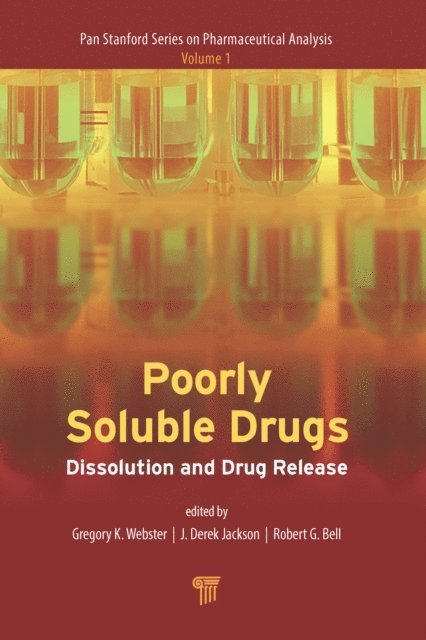
This book is the first text to provide a comprehensive assessment of the application of fundamental principles of dissolution and drug release testing to poorly soluble compounds and formulations. Such drug products are, vis-à-vis their physical and chemical properties, inherently incompatible with aqueous dissolution. However, dissolution methods are required for product development and selection, as well as for the fulfillment of regulatory obligations with respect to biopharmaceutical assessment and product quality understanding. The percentage of poorly soluble drugs, defined in classes 2 and 4 of the Biopharmaceutics Classification System (BCS), has significantly increased in the modern pharmaceutical development pipeline. This book provides a thorough exposition of general method development strategies for such drugs, including instrumentation and media selection, the use of compendial and non-compendial techniques in product development, and phase-appropriate approaches to dissolution development.
Emerging topics in the field of dissolution are also discussed, including biorelevant and biphasic dissolution, the use on enzymes in dissolution testing, dissolution of suspensions, and drug release of non-oral products. Of particular interest to the industrial pharmaceutical professional, a brief overview of the formulation and solubilization techniques employed in the development of BCS class 2 and 4 drugs to overcome solubility challenges is provided and is complemented by a collection of chapters that survey the approaches and considerations in developing dissolution methodologies for enabling drug delivery technologies, including nanosuspensions, lipid-based formulations, and stabilized amorphous drug formulations.
1 599 kr
Skickas inom 10-15 vardagar
1 986 kr
Läs direkt efter köp
2 929 kr
Skickas inom 10-15 vardagar
3 540 kr
Läs direkt efter köp
This book is the first text to provide a comprehensive assessment of the application of fundamental principles of dissolution and drug release testing to poorly soluble compounds and formulations. Such drug products are, vis-à-vis their physical and chemical properties, inherently incompatible with aqueous dissolution. However, dissolution methods are required for product development and selection, as well as for the fulfillment of regulatory obligations with respect to biopharmaceutical assessment and product quality understanding. The percentage of poorly soluble drugs, defined in classes 2 and 4 of the Biopharmaceutics Classification System (BCS), has significantly increased in the modern pharmaceutical development pipeline. This book provides a thorough exposition of general method development strategies for such drugs, including instrumentation and media selection, the use of compendial and non-compendial techniques in product development, and phase-appropriate approaches to dissolution development.
Emerging topics in the field of dissolution are also discussed, including biorelevant and biphasic dissolution, the use on enzymes in dissolution testing, dissolution of suspensions, and drug release of non-oral products. Of particular interest to the industrial pharmaceutical professional, a brief overview of the formulation and solubilization techniques employed in the development of BCS class 2 and 4 drugs to overcome solubility challenges is provided and is complemented by a collection of chapters that survey the approaches and considerations in developing dissolution methodologies for enabling drug delivery technologies, including nanosuspensions, lipid-based formulations, and stabilized amorphous drug formulations.
1 988 kr
Skickas inom 10-15 vardagar
2 678 kr
Skickas inom 10-15 vardagar