Gregory Vall - Böcker
Visar alla böcker från författaren Gregory Vall. Handla med fri frakt och snabb leverans.
2 produkter
2 produkter
366 kr
Skickas inom 10-15 vardagar
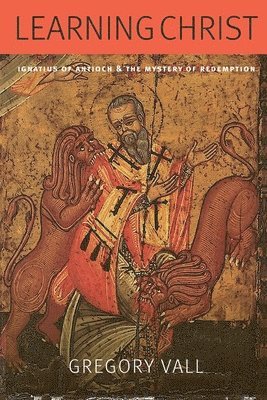
Learning Christ is a thorough theological and historical engagement. The book should be read by students and scholars of early Christianity, but is written clearly enough to be accessible to interested readers outside of the academy. Vail's implementation of the 'hermeneutic of understanding and empathy' has provided not only an in-depth analysis of Ignatius's letters, but potentially a helpful way to engage other figures in church history theologically.""—Anglican Theological Review""This is a careful analysis of the letters of Ignatius with no lack of scholarly erudition…""—Choice""Learning Christ is well worth the time put into reading it carefully. It is a book that places Vall among those scholars who are also capable teachers, allowing fairly easy access to difficult material, providing what is also an enjoyable and rewarding reading experience.""—The Downside Review""Through such an analysis Vall constructs a thoroughgoing theology from the letters of Ignatius, which is both sophisticated and coherent.""—The Expository Times""His study will be a valuable resource for those interested in positioning the Antiochene bishop within the broader currents of Catholic theology.""—Religious Studies Review""In ten clear and illuminating chapters, Gregory Vall brings the reader through the many legends and apocryphal assumptions surrounding Ignatius and his thinking… Vall specializes in matters where the New Testament and the Apostolic Fathers converge, and his latest is a welcome contribution in just such a field.""—The Thomist
366 kr
Skickas inom 10-15 vardagar
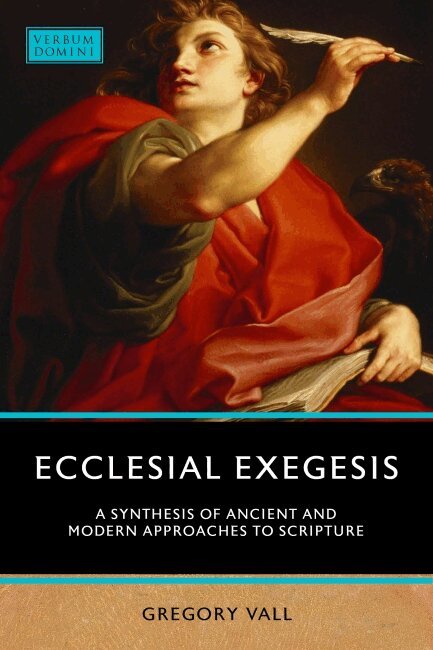
There is broad support today for the idea that biblical scholarship ought to be informed by the faith of the Church and serve the life of the Church. In a word, it should be ecclesial. There is far less agreement, however, when one asks how this goal is to be achieved and what ecclesial exegesis ought to look like. In 1988, Joseph Ratzinger put forth his "Method C" proposal, calling for the development of a new exegetical and hermeneutical synthesis. This would be neither a retreat to the patristic-medieval approach (Method A) nor the continued hegemony of the historical-critical approach (Method B). The latter must be purified of its positivism through a transformational encounter with the former, so that the gifts of both might be released for the life of the Church. Such a synthesis, Ratzinger claimed, would require the philosophical, theological, exegetical, and hermeneutical work of "at least a whole generation" of scholars.Gregory Vall has devoted over thirty years to the development of ecclesial exegesis, and the present volume represents the mature fruit of his labor. Over against those who treat Dei Verbum as Vatican II's endorsement of the historical-critical method, he demonstrates that the dogmatic constitution actually points to something very much like Ratzinger's Method C. Employing a dialogic movement between the inductive-exegetical and the deductive-dogmatic, Vall offers nine studies that bring to the surface issues such as the relationship between Old Testament and New Testament, literal sense and spiritual sense, and Scripture and Tradition. While Vall brings theological knowledge and hermeneutical skill to the quest for Method C, he also provides a great deal of valuable exegesis of both testaments. Ecclesial Exegesis is not simply another book of theory. It demonstrates how Method C can be done.