Gretchen Helmke – författare
Visar alla böcker från författaren Gretchen Helmke. Handla med fri frakt och snabb leverans.
10 produkter
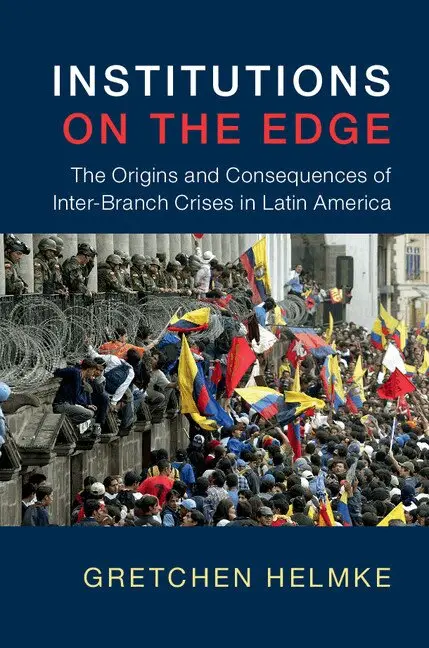
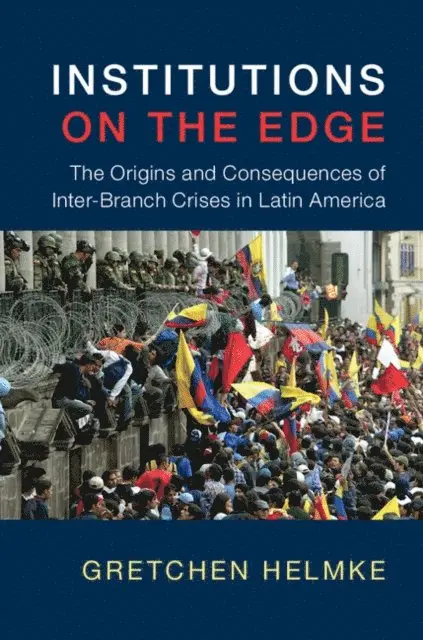
Institutions on the Edge
The Origins and Consequences of Inter-Branch Crises in Latin America
Inbunden, 2017
1595 kr
Lägg i varukorg
Why does institutional instability pervade the developing world? Examining contemporary Latin America, Institutions on the Edge develops and tests a novel argument to explain why institutional crises emerge, spread, and repeat in some countries, but not in others. The book draws on formal …
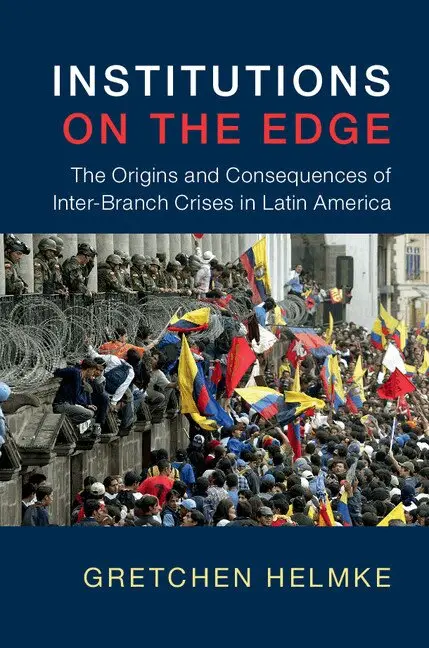
Institutions on the Edge
The Origins and Consequences of Inter-Branch Crises in Latin America
Häftad, 2017
455 kr
Lägg i varukorg
Why does institutional instability pervade the developing world? Examining contemporary Latin America, Institutions on the Edge develops and tests a novel argument to explain why institutional crises emerge, spread, and repeat in some countries, but not in others. The book draws on formal …
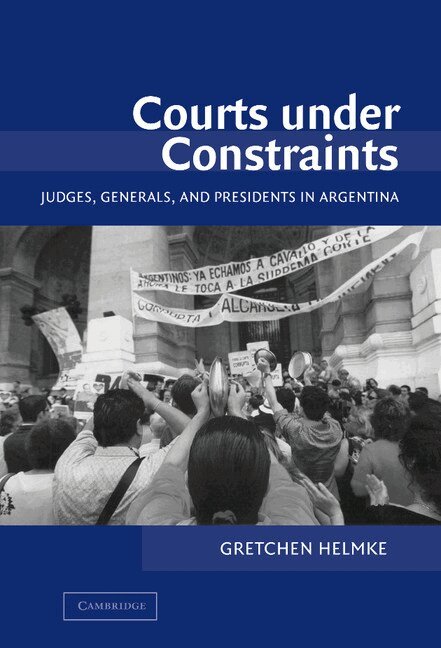
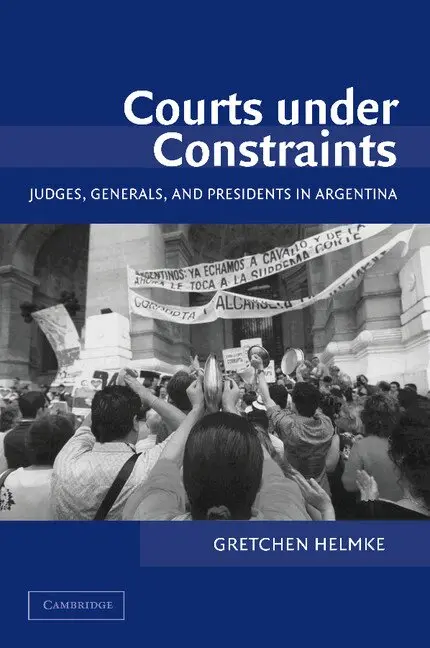
Courts under Constraints
Judges, Generals, and Presidents in Argentina
Inbunden, 2004
911 kr
Lägg i varukorg
This study offers a theoretical framework for understanding how institutional instability affects judicial behavior under dictatorship and democracy. In stark contrast to conventional wisdom, the central findings of the book contradict some assumptions that only independent judges rule against the …
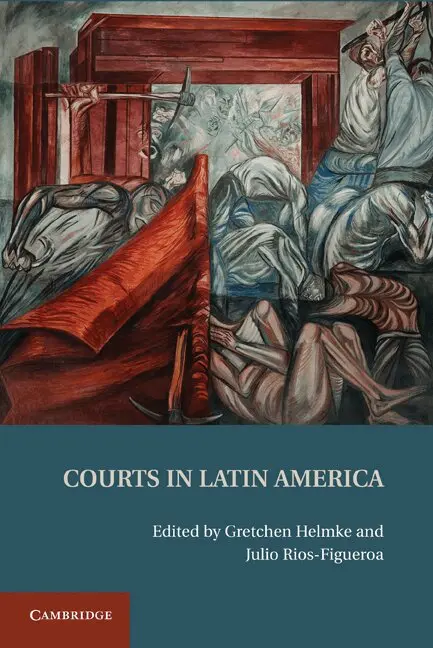
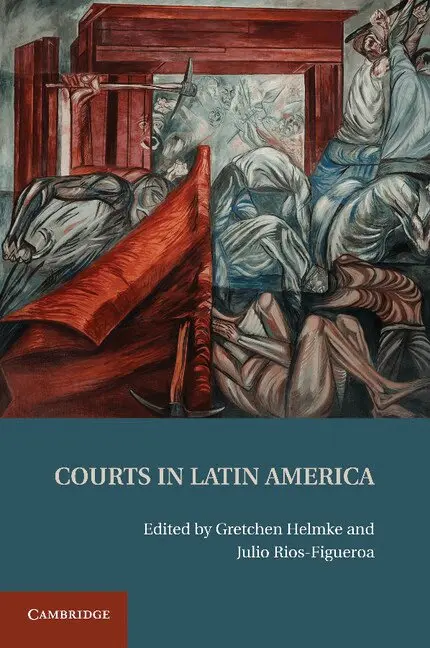
Courts in Latin America
Av Gretchen Helmke, Julio Rios-Figueroa
Inbunden, 2011
1832 kr
Lägg i varukorg
To what extent do courts in Latin America protect individual rights and limit governments? This volume answers these fundamental questions by bringing together today's leading scholars of judicial politics. Drawing on examples from Argentina, Brazil, Chile, Mexico, Colombia, Costa Rica and Bolivia, …
Courts under Constraints
Judges, Generals, and Presidents in Argentina
Häftad, 2012
569 kr
Lägg i varukorg
This study offers a theoretical framework for understanding how institutional instability affects judicial behavior under dictatorship and democracy. In stark contrast to conventional wisdom, the central findings of the book contradict some assumptions that only independent judges rule against the …
Courts in Latin America
Av Gretchen Helmke, Julio Rios-Figueroa
Häftad, 2014
667 kr
Lägg i varukorg
To what extent do courts in Latin America protect individual rights and limit governments? This volume answers these fundamental questions by bringing together today's leading scholars of judicial politics. Drawing on examples from Argentina, Brazil, Chile, Mexico, Colombia, Costa Rica and Bolivia, …
Institutions on the Edge
The Origins and Consequences of Inter-Branch Crises in Latin America
E-bok, 2017
440 kr
Lägg i varukorg
Why does institutional instability pervade the developing world? Examining contemporary Latin America, Institutions on the Edge develops and tests a novel argument to explain why institutional crises emerge, spread, and repeat in some countries, but not in others. The book draws on formal …
Institutions on the Edge
The Origins and Consequences of Inter-Branch Crises in Latin America
E-bok, 2017
440 kr
Lägg i varukorg
Why does institutional instability pervade the developing world? Examining contemporary Latin America, Institutions on the Edge develops and tests a novel argument to explain why institutional crises emerge, spread, and repeat in some countries, but not in others. The book draws on formal …
Informal Institutions and Democracy
Lessons from Latin America
Av Gretchen Helmke, Steven Levitsky
Inbunden, 2006
750 kr
Tillfälligt slut
This volume analyzes the function of informal institutions in Latin America and how they support or weaken democratic governance. Drawing from a wide range of examples-including the Mexican dedazo, clientelism in Brazil, legislative "ghost coalitions" in Ecuador, and elite power-sharing in …
Informal Institutions and Democracy
Lessons from Latin America
Av Gretchen Helmke, Steven Levitsky
Häftad, 2006
326 kr
Tillfälligt slut
This volume analyzes the function of informal institutions in Latin America and how they support or weaken democratic governance. Drawing from a wide range of examples-including the Mexican dedazo, clientelism in Brazil, legislative "ghost coalitions" in Ecuador, and elite power-sharing in …