Grif Stockley – författare
Visar alla böcker från författaren Grif Stockley. Handla med fri frakt och snabb leverans.
13 produkter
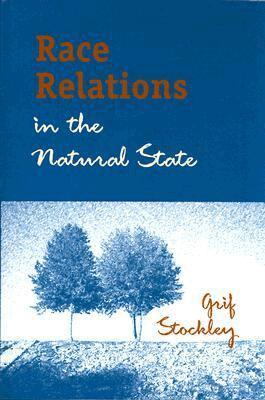
Race Relations in the Natural State
Häftad, 2007
190 kr
Lägg i varukorg
In this book noted Arkansas historian Grif Stockley (""Blood in Their Eyes"", ""Daisy Bates"") presents a clear depiction of the struggles of race and class in Arkansas, using personal stories to give a deeper understanding of the price of racism in Arkansas. The last chapter explores the …
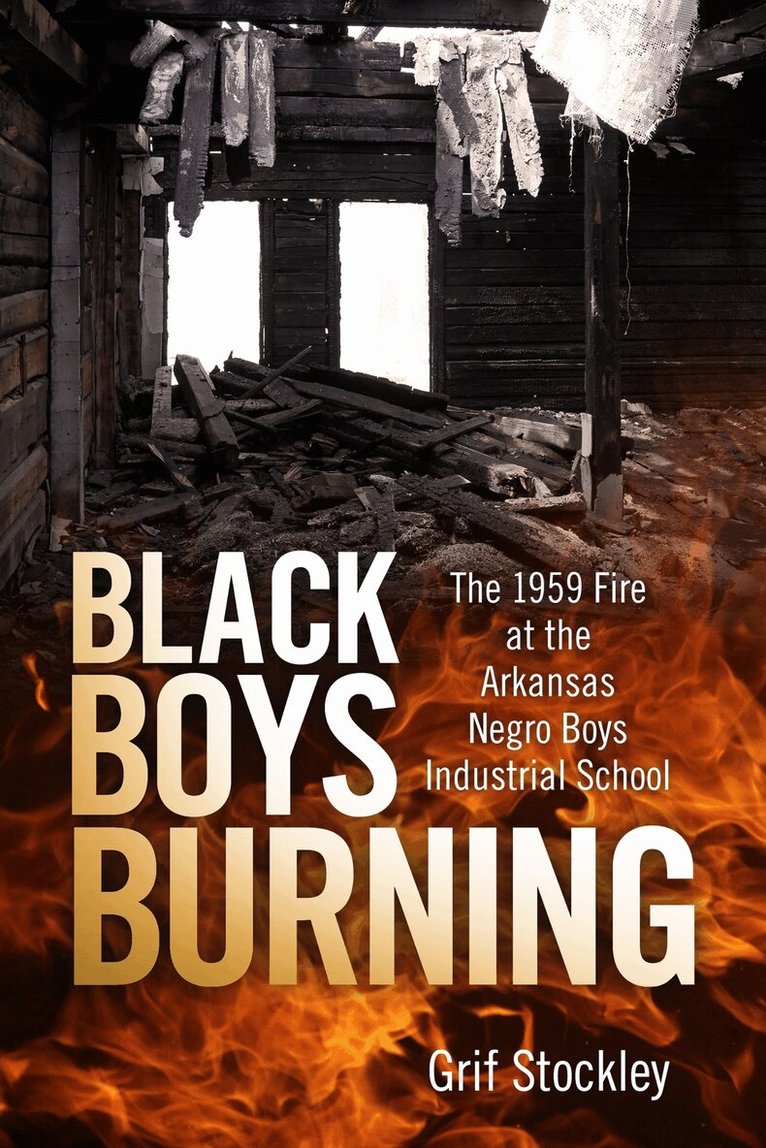
Black Boys Burning
The 1959 Fire at the Arkansas Negro Boys Industrial School
Häftad, 2021
341 kr
Lägg i varukorg
On the morning of March 5, 1959, Luvenia Long was listening to gospel music when a news bulletin interrupted her radio program. Fire had engulfed the Arkansas Negro Boys Industrial School in Wrightsville, thirteen miles outside of Little Rock. Her son Lindsey had been confined there since January …
Blind Judgment
A Gideon Page Novel
Häftad, 2015
318 kr
Lägg i varukorg
From the author of Illegal Motion comes another thrilling and suspenseful story of Gideon Page as he returns home to defend a man accused of a contract killing, only to discover the killer had been hired by the man who once destroyed Gideon’s own family. Haunted by the past, Gideon Page, a former …
Religious Conviction
A Novel by the Author of Expert Testimony
Häftad, 2015
298 kr
Lägg i varukorg
In this thrilling courtroom drama from the author of Expert Testimony , reluctant hero Gideon Page returns to help Blackwell County’s most prominent lawyer in the murder trial of the daughter of a well-known fundamentalist minister. Appearing as if his luck has turned at last, Gideon Page is asked …
Expert Testimony
Häftad, 2015
307 kr
Lägg i varukorg
In the first novel of the Gideon Page Mystery series, readers are introduced to public defender Gideon Page as he is pulled on the case to defend a psychiatric patient accused of murdering of a prominent state senator. Social worker turned public defender Gideon Page is looking loss in the eyes as …
Probable Cause
Häftad, 2015
298 kr
Lägg i varukorg
The reluctant hero of Expert Testimony returns as Gideon Page takes on the case of a psychologist accused of manslaughter, suddenly finding himself immersed in a case that goes deeper than he could have imagined. When Gideon Page is fired from his law firm, he doesn’t know that the worst is yet to …
Illegal Motion
Häftad, 2015
309 kr
Lägg i varukorg
Defending the star wide receiver of the Arkansas Razorbacks against accusations of rape, Gideon Page must balance the politics and drama of a university case while facing his own fears and prejudices in this thought-provoking and suspenseful addition to the Gideon Page mystery series. When …
Blood in Their Eyes
The Elaine Massacre of 1919
Av Guy Lancaster, Brian K. Mitchell m. fl.
E-bok, 2020
428 kr
Lägg i varukorg
On September 30, 1919, local law enforcement in rural Phillips County, Arkansas, attacked black sharecroppers at a meeting of the Progressive Farmers and Household Union of America. The next day, hundreds of white men from the Delta, along with US Army troops, converged on the area “with blood in …
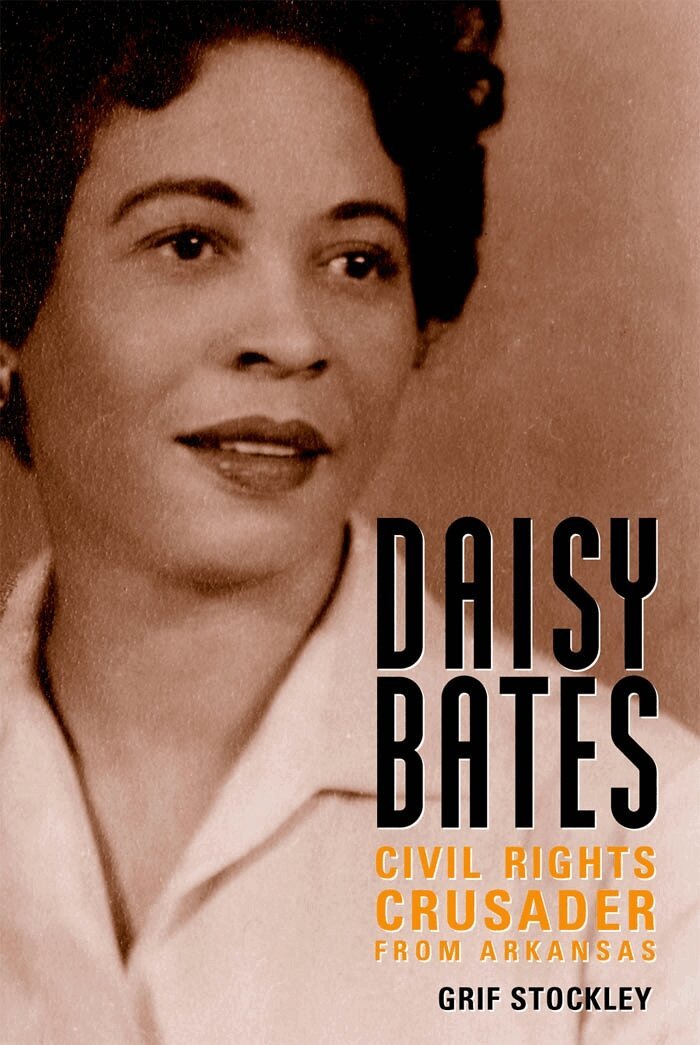
Daisy Bates
Civil Rights Crusader from Arkansas
Häftad, 2012
399 kr
Lägg i varukorg
Daisy Bates (1914-1999) is renowned as the mentor of the Little Rock Nine, the first African Americans to attend Central High School in Little Rock, Arkansas. For guiding the Nine through one of the most tumultuous civil rights crises of the 1950s, she was selected as Woman of the Year in Education …
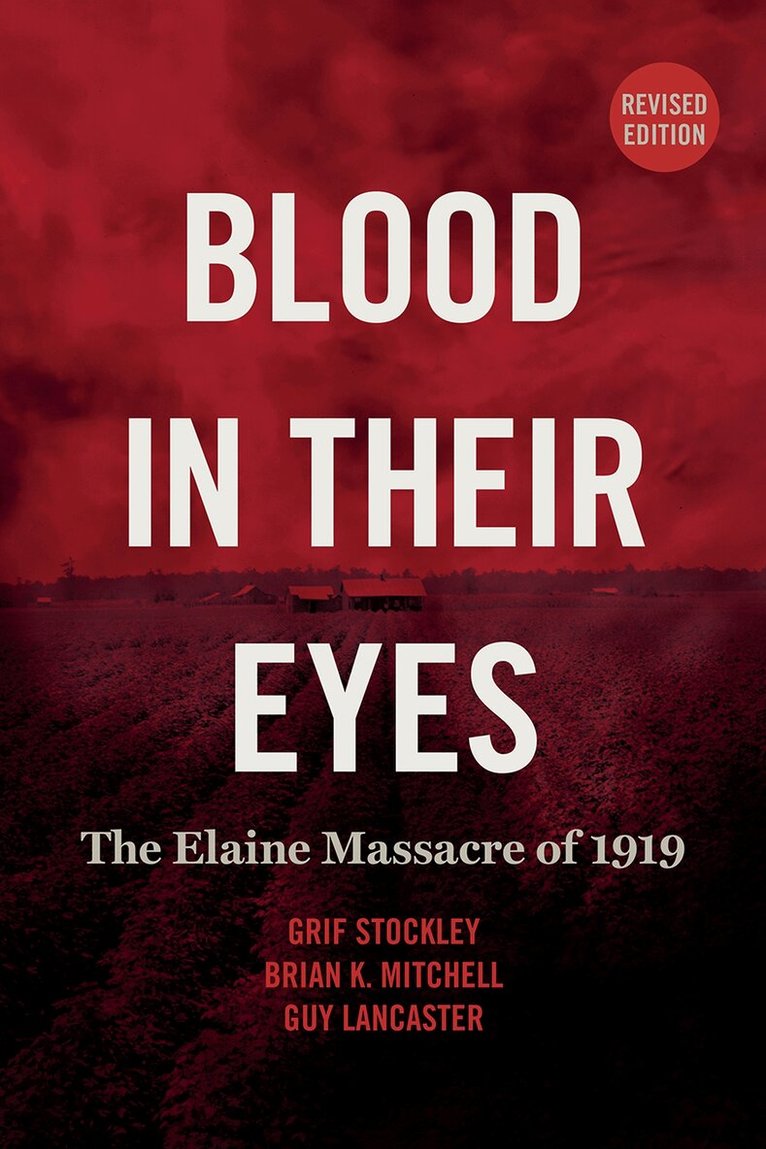
Blood in Their Eyes
The Elaine Massacre of 1919
Av Grif Stockley, Brian K. Mitchell m. fl.
Häftad, 2020
328 kr
Lägg i varukorg
On September 30, 1919, local law enforcement in rural Phillips County, Arkansas, attacked black sharecroppers at a meeting of the Progressive Farmers and Household Union of America. The next day, hundreds of white men from the Delta, along with US Army troops, converged on the area 'with blood in …
Race Relations in the Natural State
Inbunden, 2007
342 kr
Tillfälligt slut
In this book noted Arkansas historian Grif Stockley (""Blood in Their Eyes"", ""Daisy Bates"") presents a clear depiction of the struggles of race and class in Arkansas, using personal stories to give a deeper understanding of the price of racism in Arkansas. The last chapter explores the …
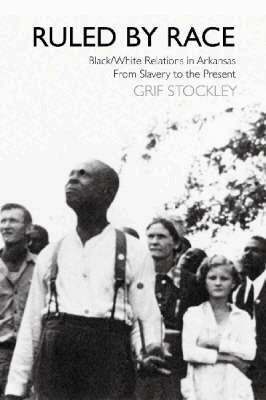
Ruled by Race
Black/White Relations in Arkansas from Slavery to the Present
Inbunden, 2008
467 kr
Tillfälligt slut
This book presents a comprehensive study of Arkansas's racial legacy. From the Civil War to Reconstruction, the Redeemer period, Jim Crow, and the modern civil rights era to the present, ""Ruled by Race"" describes the ways that race has been at the center of much of the state's formation and image …