Guido Cimino – författare
Visar alla böcker från författaren Guido Cimino. Handla med fri frakt och snabb leverans.
6 produkter
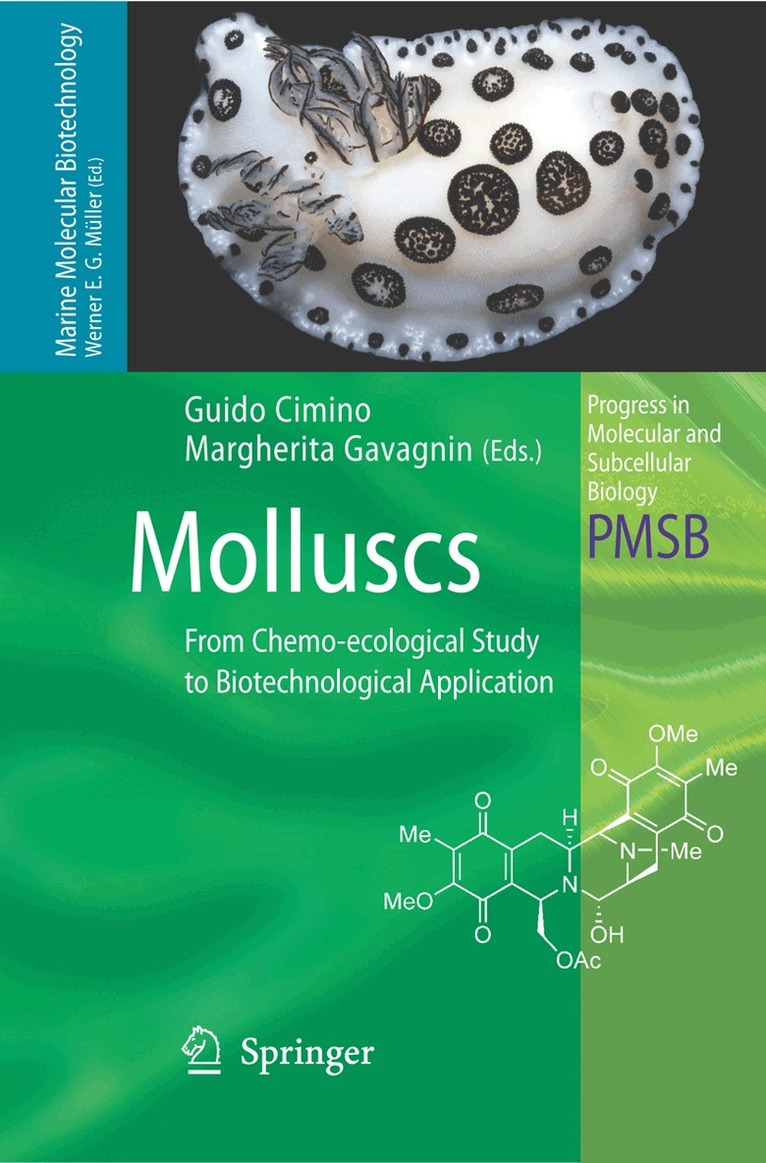
Molluscs
From Chemo-ecological Study to Biotechnological Application
Av Guido Cimino, Margherita Gavagnin
Inbunden, 2006
2179 kr
Lägg i varukorg
Marine molluscs are very promising candidates for a wide range of biotechnological applications. For example, they possess analgesic drugs more potent than morphine and very effective anticancer agents. The present book gives an up-to-date overview of the main classes of bioactive compounds from …
Molluscs
From Chemo-ecological Study to Biotechnological Application
Av Margherita Gavagnin, Guido Cimino
E-bok, 2007
2948 kr
Lägg i varukorg
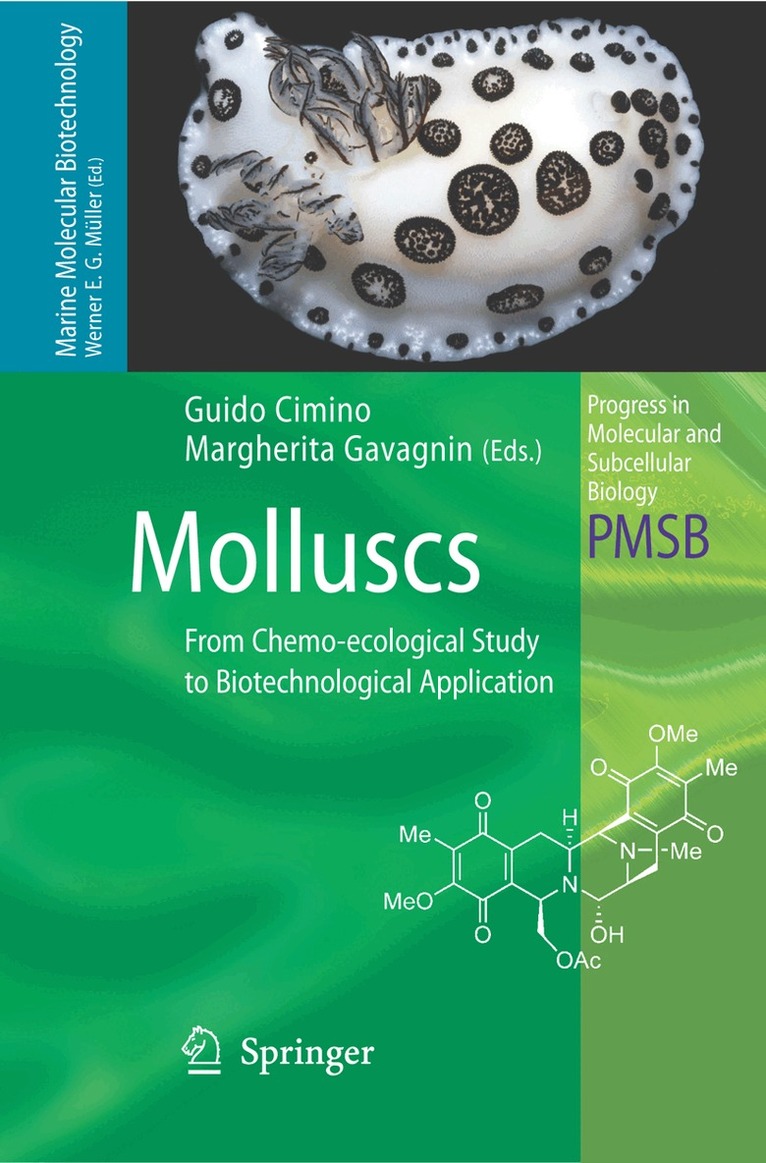
Marine molluscs are very promising candidates for a wide range of biotechnological applications. For example, they possess analgesic drugs more potent than morphine and very effective anticancer agents. The present book gives an up-to-date overview of the main classes of bioactive compounds from …
Molluscs
From Chemo-ecological Study to Biotechnological Application
Av Guido Cimino, Margherita Gavagnin
Häftad, 2011
2244 kr
Lägg i varukorg
Marine molluscs are very promising candidates for a wide range of biotechnological applications. For example, they possess analgesic drugs more potent than morphine and very effective anticancer agents. The present book gives an up-to-date overview of the main classes of bioactive compounds from …
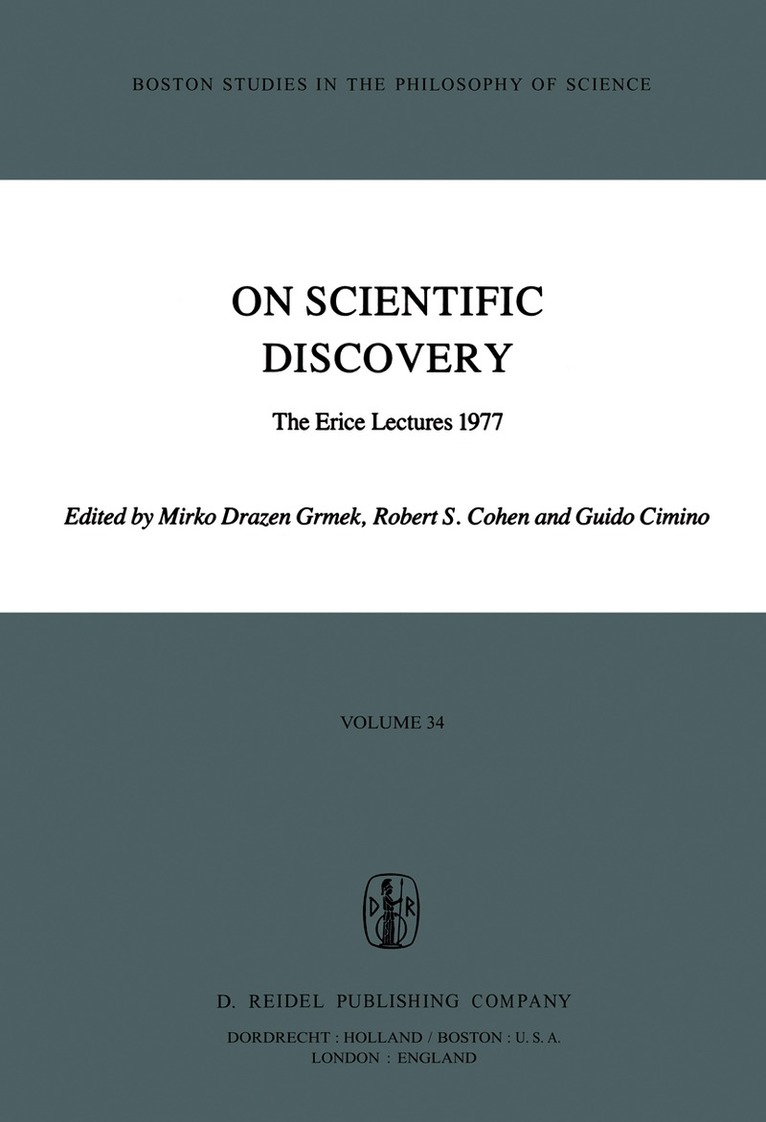
On Scientific Discovery
The Erice Lectures 1977
Av Mirko Drazen Grmek, Robert S. Cohen m. fl.
Inbunden, 1980
1636 kr
Lägg i varukorg
The 1977 lectures of the International School for the History of Science at Erice in Sicily were devoted to that vexing but inexorable problem, the nature of scientific discovery. With all that has been written, by scientists themselves, by historians and philosophers and social theorists, by …
On Scientific Discovery
The Erice Lectures 1977
Av Mirko Drazen Grmek, Robert S. Cohen m. fl.
Häftad, 1980
1636 kr
Lägg i varukorg
The 1977 lectures of the International School for the History of Science at Erice in Sicily were devoted to that vexing but inexorable problem, the nature of scientific discovery. With all that has been written, by scientists themselves, by historians and philosophers and social theorists, by …
On Scientific Discovery
The Erice Lectures 1977
Av Guido Cimino, Robert S. Cohen m. fl.
E-bok, 2012
2111 kr
Lägg i varukorg
The 1977 lectures of the International School for the History of Science at Erice in Sicily were devoted to that vexing but inexorable problem, the nature of scientific discovery. With all that has been written, by scientists themselves, by historians and philosophers and social theorists, by …