Gulnaz Sharafutdinova – författare
Visar alla böcker från författaren Gulnaz Sharafutdinova. Handla med fri frakt och snabb leverans.
12 produkter
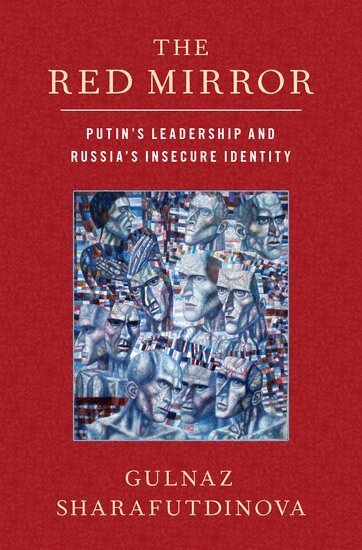
The Red Mirror
Putin's Leadership and Russia's Insecure Identity
Inbunden, 2020
1404 kr
Lägg i varukorg
What explains Putin's enduring popularity in Russia? In The Red Mirror, Gulnaz Sharafutdinova uses social identity theory to explain Putin's leadership. The main source of Putin's political influence, she finds, lies in how he articulates the shared collective perspective that unites many Russian …
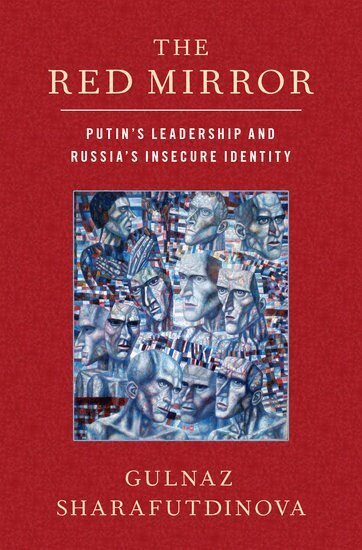
The Red Mirror
Putin's Leadership and Russia's Insecure Identity
Häftad, 2020
504 kr
Lägg i varukorg
What explains Putin's enduring popularity in Russia? In The Red Mirror, Gulnaz Sharafutdinova uses social identity theory to explain Putin's leadership. The main source of Putin's political influence, she finds, lies in how he articulates the shared collective perspective that unites many Russian …
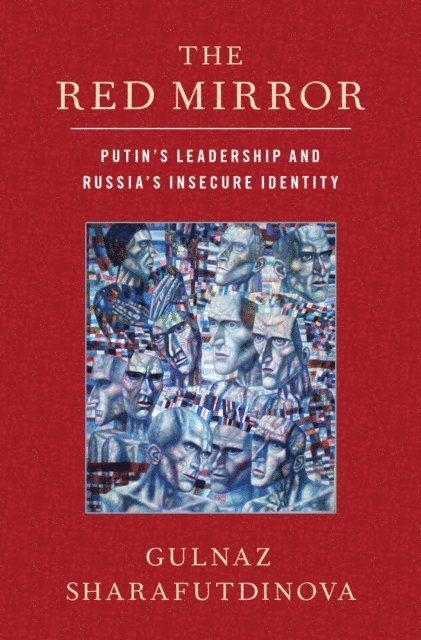
Red Mirror
Putin''s Leadership and Russia''s Insecure Identity
E-bok, 2020
343 kr
Lägg i varukorg
What explains Putin''s enduring popularity in Russia? In The Red Mirror , Gulnaz Sharafutdinova uses social identity theory to explain Putin''s leadership. The main source of Putin''s political influence, she finds, lies in how he articulates the shared collective perspective that unites many …
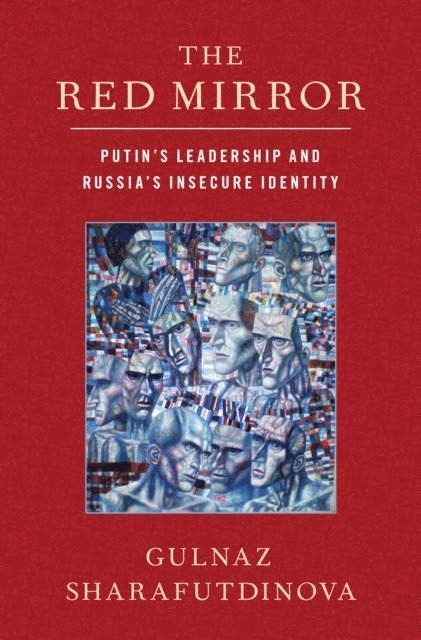
Red Mirror
Putin''s Leadership and Russia''s Insecure Identity
E-bok, 2020
343 kr
Lägg i varukorg
What explains Putin''s enduring popularity in Russia? In The Red Mirror , Gulnaz Sharafutdinova uses social identity theory to explain Putin''s leadership. The main source of Putin''s political influence, she finds, lies in how he articulates the shared collective perspective that unites many …
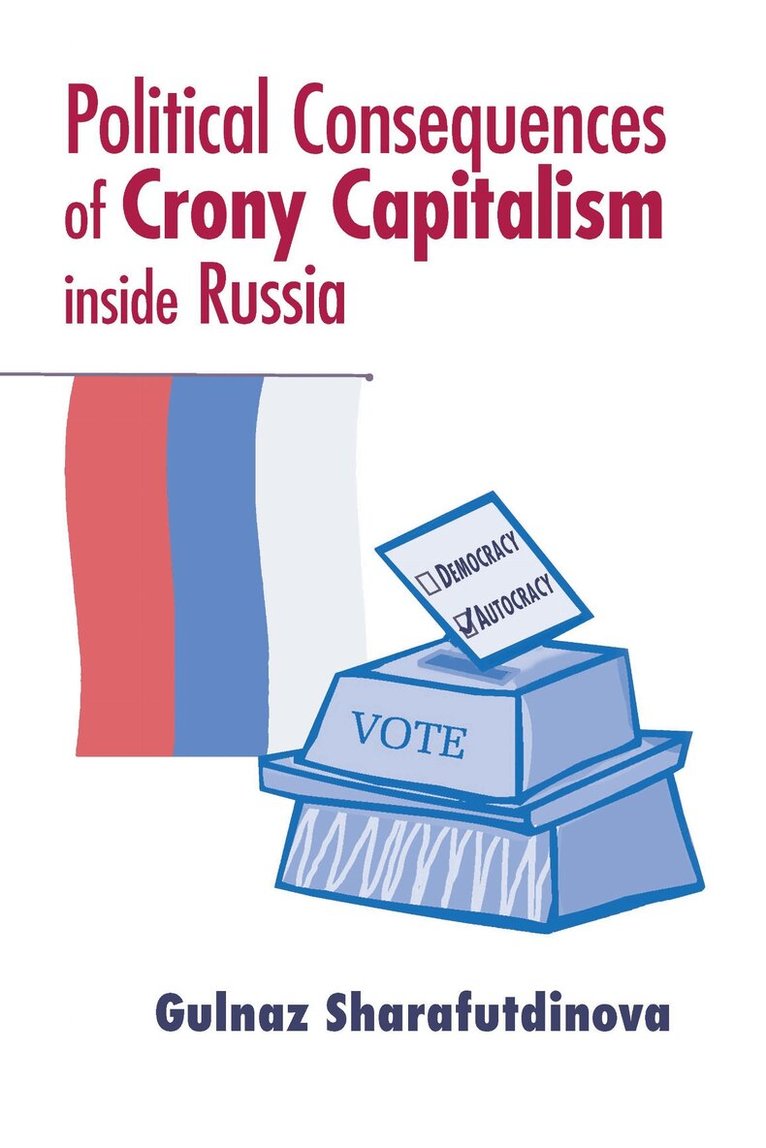
Political Consequences of Crony Capitalism Inside Russia
Häftad, 2011
569 kr
Lägg i varukorg
Examines the coexistence of crony capitalism and traditionally democratic institutions, such as political competition and elections, in Russia after the collapse of communism. The combination, it argues, has produced a distinct pattern of political evolution in contemporary Russia.
Political Consequences of Crony Capitalism Inside Russia
Inbunden, 2022
1583 kr
Lägg i varukorg
This book examines the coexistence of crony capitalism and traditionally democratic institutions such as political competition and elections in Russia after the collapse of communism. The combination, Gulnaz Sharafutdinova argues, has produced a distinct pattern of political evolution in …
Soil and Soul
How Russia's Minority Communities Create Meaning and Identity
Av Yana Hashamova, Gulnaz Sharafutdinova
Inbunden, 2027
1045 kr
Kommande
By landmass, Russia is the world's largest country, due mainly to centuries of military expansion and colonization. As a result, it contains people of many ethnicities, nationalities, and religions—and yet social minorities have been mostly disregarded or repressed by governmental policy and …
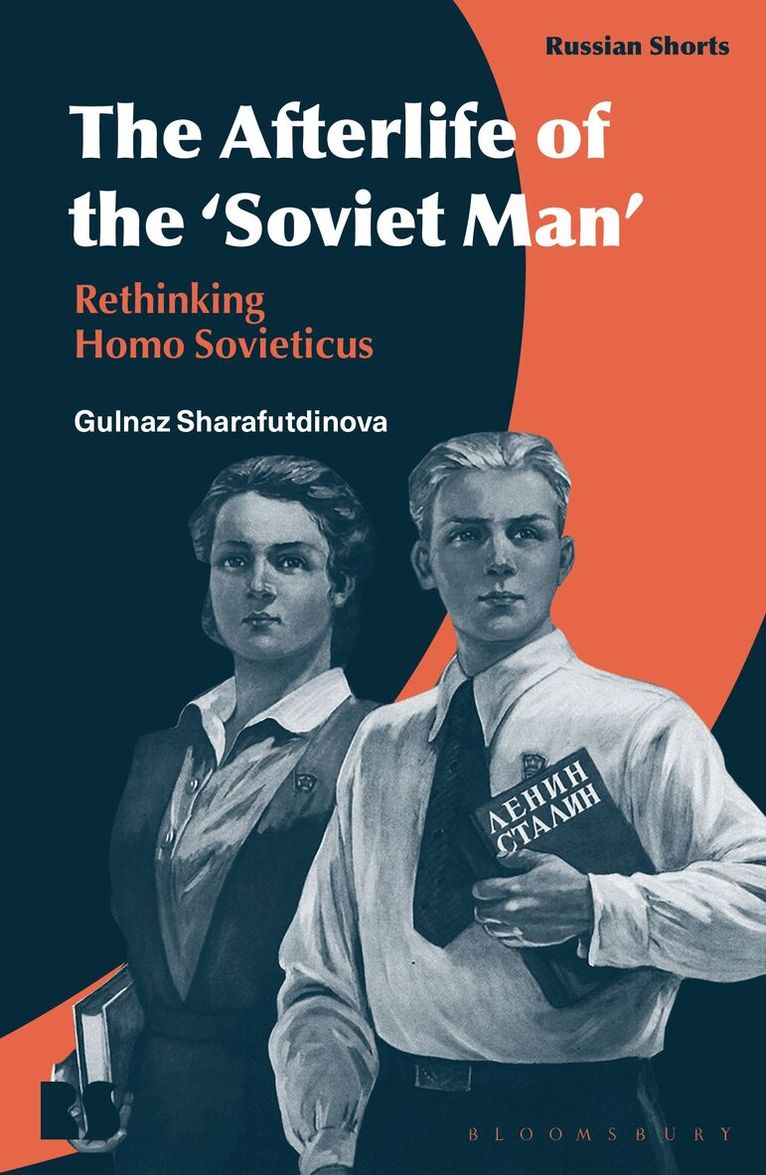
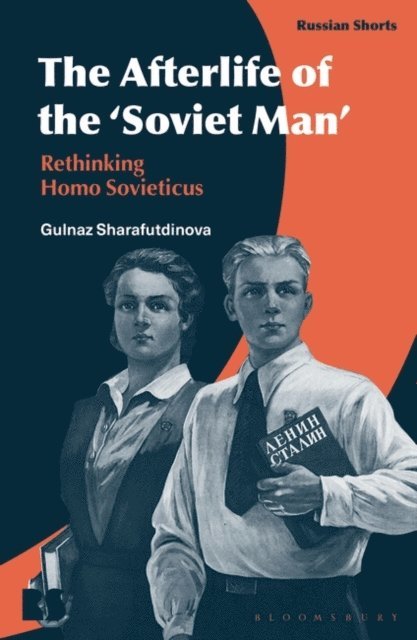
Afterlife of the ‘Soviet Man’
Rethinking Homo Sovieticus
Av Gulnaz Sharafutdinova, Stephen M. Norris
Inbunden, 2023
674 kr
Lägg i varukorg
Almost three decades after the collapse of the Soviet Union, today more often than ever, global media and intellectuals rely on the concept of homo sovieticus to explain Russia’s authoritarian ills. Homo sovieticus - or the Soviet man - is understood to be a double-thinking, suspicious and fearful …
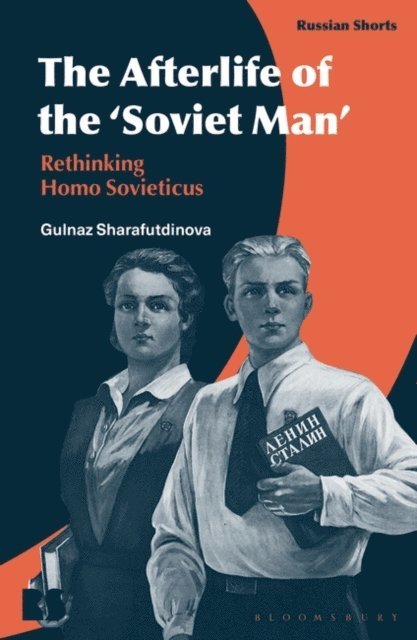
Afterlife of the ‘Soviet Man’
Rethinking Homo Sovieticus
Av Gulnaz Sharafutdinova, Eugene M. Avrutin
Häftad, 2023
196 kr
Lägg i varukorg
Almost three decades after the collapse of the Soviet Union, today more often than ever, global media and intellectuals rely on the concept of homo sovieticus to explain Russia’s authoritarian ills. Homo sovieticus - or the Soviet man - is understood to be a double-thinking, suspicious and fearful …
Afterlife of the ‘Soviet Man’
Rethinking Homo Sovieticus
E-bok, 2023
209 kr
Lägg i varukorg
Almost three decades after the collapse of the Soviet Union, today more often than ever, global media and intellectuals rely on the concept of homo sovieticus to explain Russia''s authoritarian ills. Homo sovieticus - or the Soviet man - is understood to be a double-thinking, suspicious and fearful …
Afterlife of the ‘Soviet Man’
Rethinking Homo Sovieticus
E-bok, 2023
209 kr
Lägg i varukorg
Almost three decades after the collapse of the Soviet Union, today more often than ever, global media and intellectuals rely on the concept of homo sovieticus to explain Russia''s authoritarian ills. Homo sovieticus - or the Soviet man - is understood to be a double-thinking, suspicious and fearful …
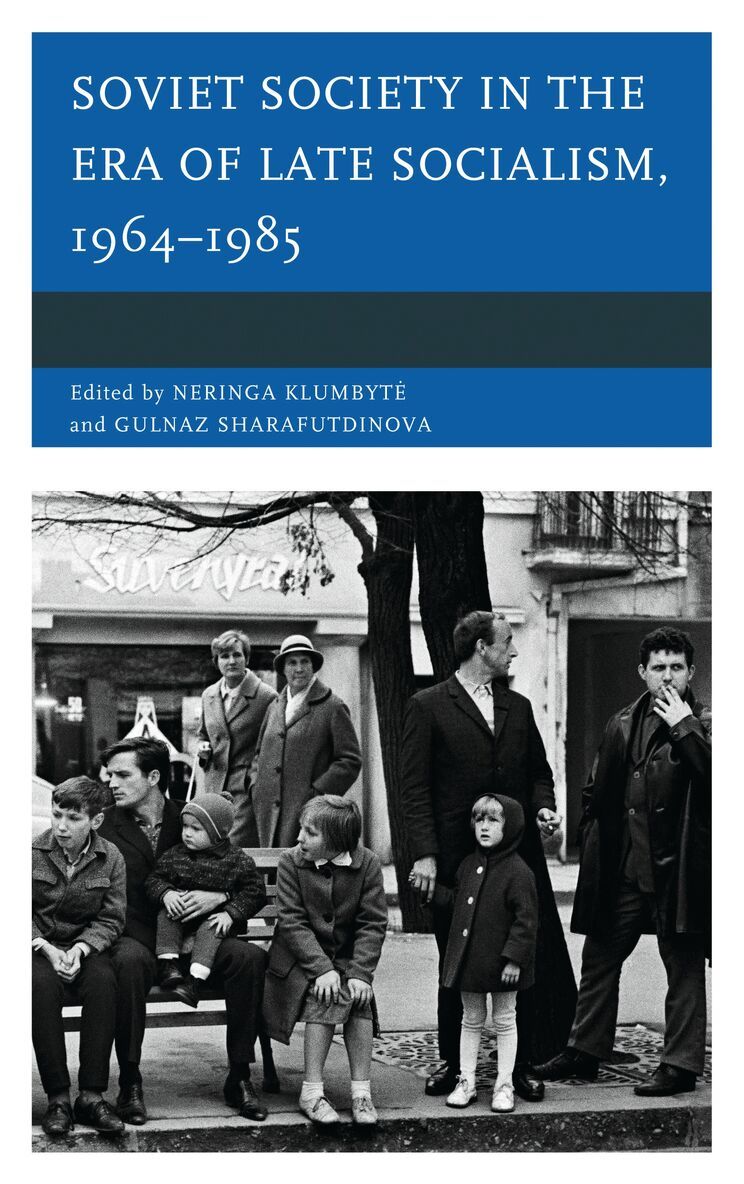
Soviet Society in the Era of Late Socialism, 1964–1985
Av Neringa Klumbyte, Gulnaz Sharafutdinova
Häftad, 2014
732 kr
Lägg i varukorg
What did it mean to be a Soviet citizen in the 1970s and 1980s? How can we explain the liberalization that preceded the collapse of the USSR? This period in Soviet history is often depicted as stagnant with stultified institutions and the oppression of socialist citizens. However, the socialist …