Gunter Bischof – författare
Visar alla böcker från författaren Gunter Bischof. Handla med fri frakt och snabb leverans.
42 produkter
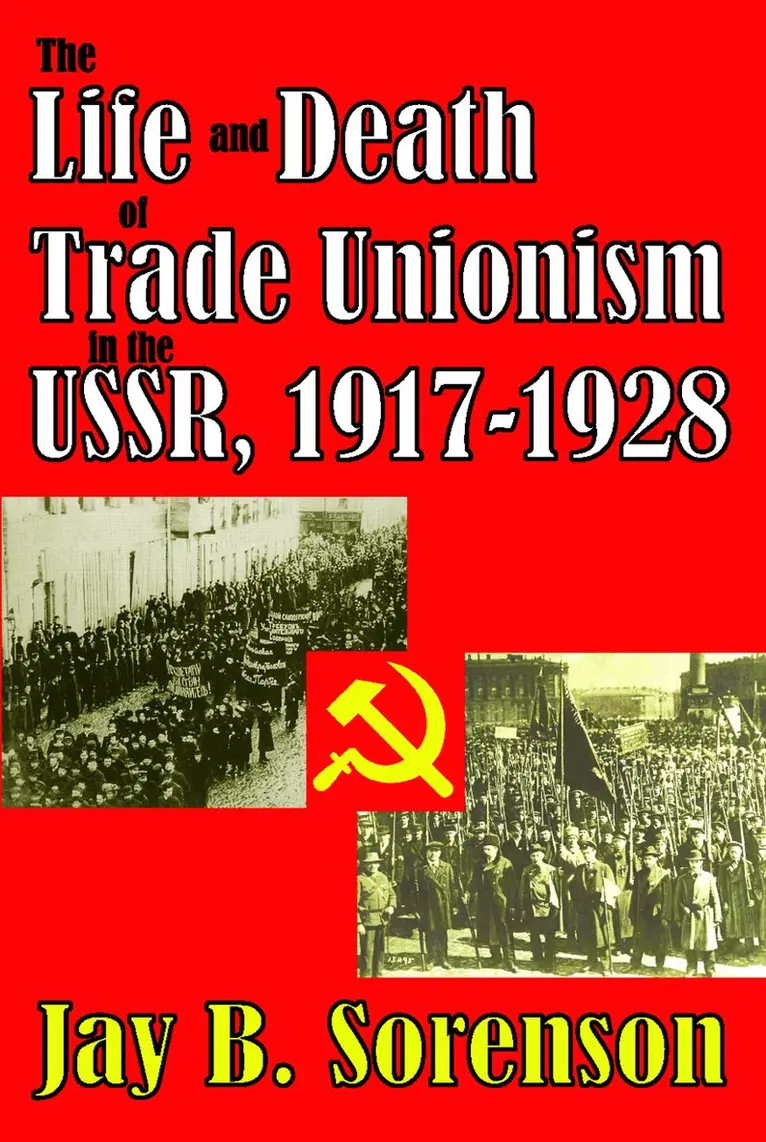
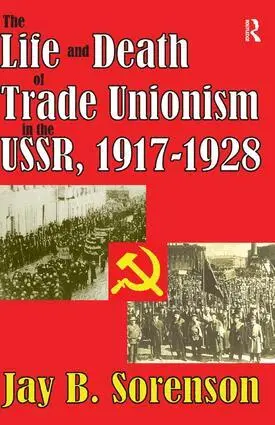
Life and Death of Trade Unionism in the USSR, 1917-1928
Häftad, 2010
773 kr
Lägg i varukorg
The Russian Revolution excited men, and captured their imaginations. It seemed to herald the fulfillment of the nineteenth-century socialist movement. Socialists believed that with the proper use of technocracy they could scourge poverty and hunger from the earth. They felt that a social system …
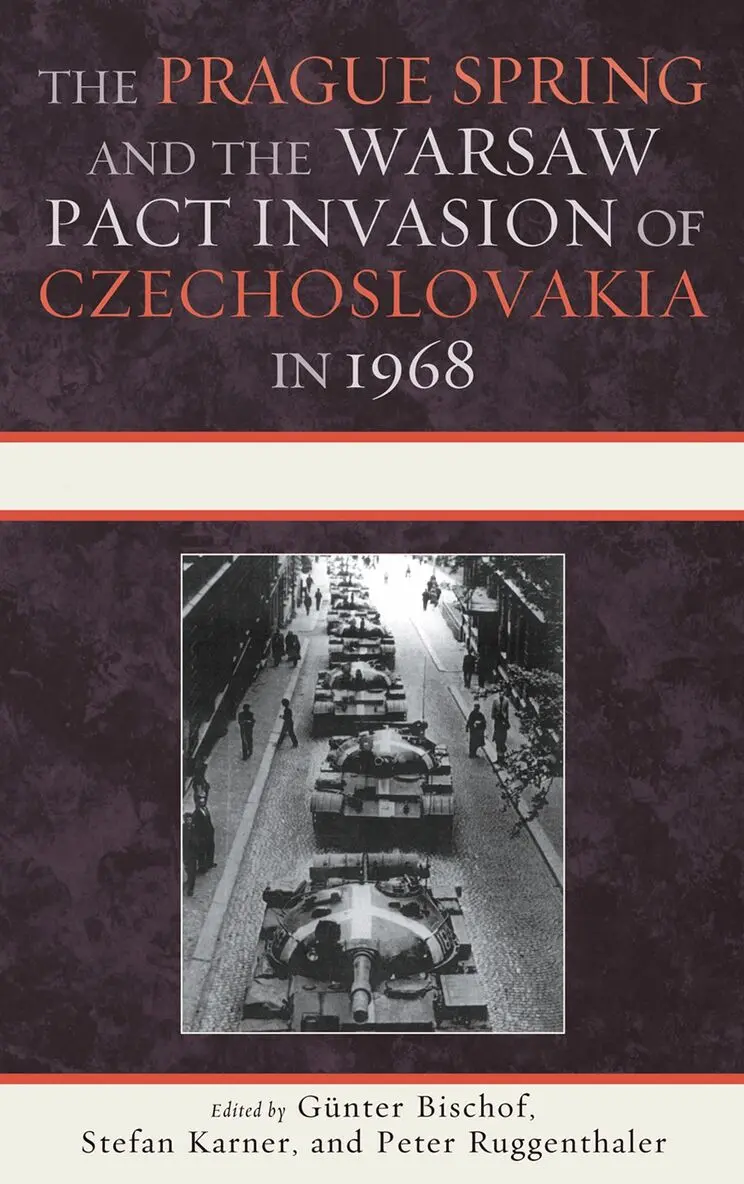
Prague Spring and the Warsaw Pact Invasion of Czechoslovakia in 1968
Av Günter Bischof, Stefan Karner m. fl.
Inbunden, 2009
2193 kr
Lägg i varukorg
On August 20, 1968, tens of thousands of Soviet and East European ground and air forces moved into Czechoslovakia and occupied the country in an attempt to end the "Prague Spring" reforms and restore an orthodox Communist regime. The leader of the Soviet Communist Party, Leonid Brezhnev, was …
Prague Spring and the Warsaw Pact Invasion of Czechoslovakia in 1968
Av Günter Bischof, Stefan Karner m. fl.
Häftad, 2010
881 kr
Lägg i varukorg
On August 20, 1968, tens of thousands of Soviet and East European ground and air forces moved into Czechoslovakia and occupied the country in an attempt to end the "Prague Spring" reforms and restore an orthodox Communist regime. The leader of the Soviet Communist Party, Leonid Brezhnev, was …
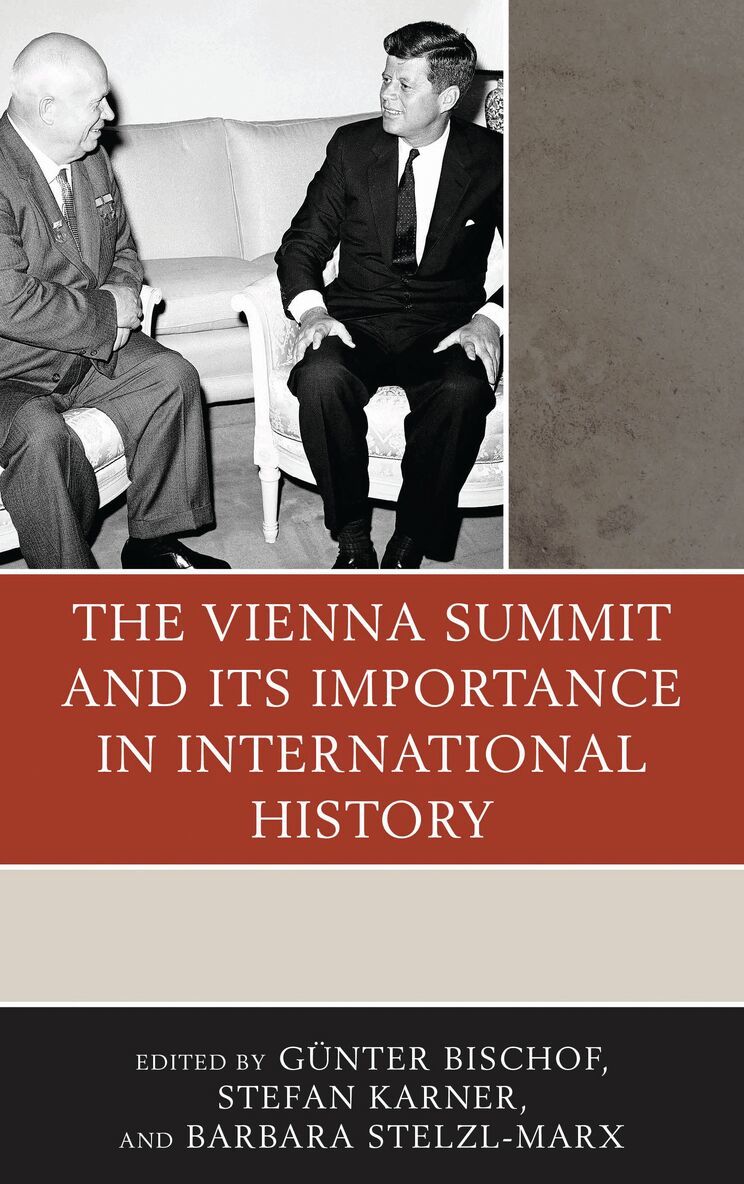
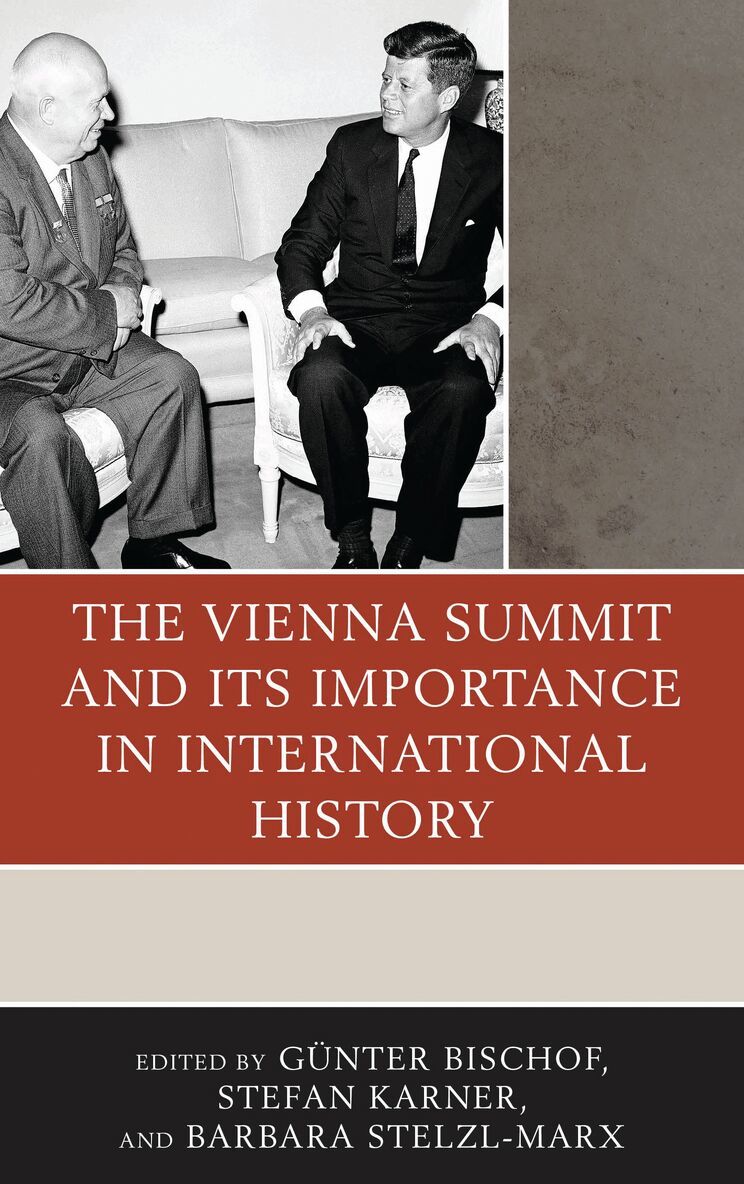
Vienna Summit and Its Importance in International History
Av Günter Bischof, Stefan Karner m. fl.
Inbunden, 2013
2193 kr
Lägg i varukorg
At the beginning of June 1961, the tensions of the Cold War were supposed to abate as both sides sought a resolution. The two most important men in the world, John F. Kennedy and Nikita Khrushchev, met for a summit in Vienna. Yet the high hopes were disappointed. Within months the Cold War had …
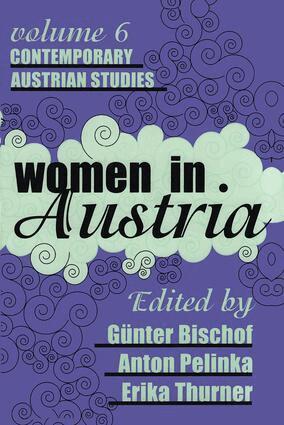
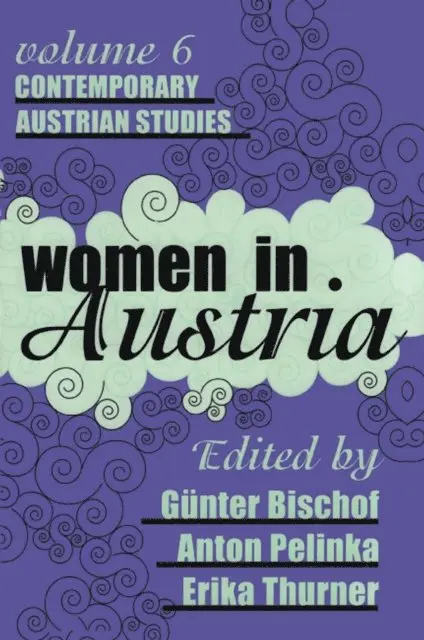
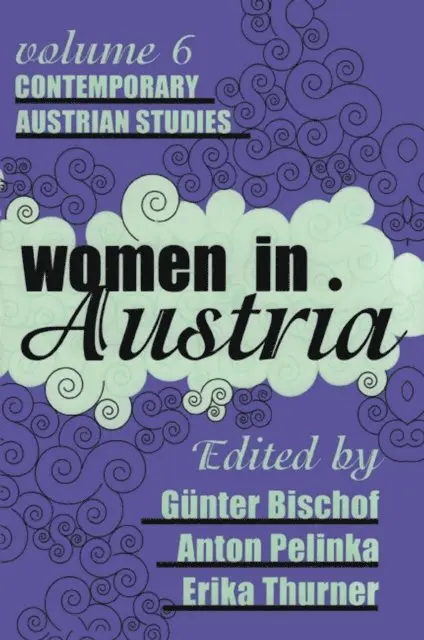
Women in Austria
Av Gunter Bischof, Gunter Bischof m. fl.
Häftad, 1998
561 kr
Lägg i varukorg
The position of women in Austrian society, politics, and in the economy follows the familiar trajectory of Western societies. They were expected to accept their "proper place" in a male patriarchal world. Achieving equality in all spheres of life was a long struggle that is still not completed in …
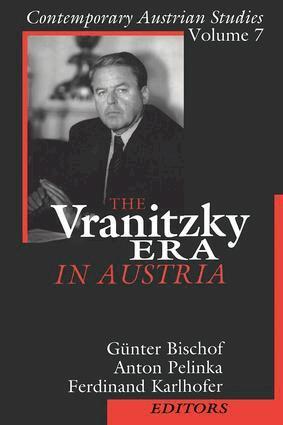
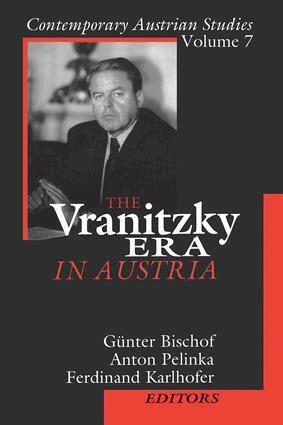
Vranitzky Era in Austria
Av Anton Pelinka, Gunter Bischof m. fl.
Häftad, 1999
797 kr
Lägg i varukorg
Franz Vranitzky, the banker turned politician, was chancellor during the ten years (1986-96) when the world dramatically changed in the aftermath of the cold war. Among postwar chancellors, only Bruno Kreisky held office longer. The Austrian Social Democratic Party has been in power since 1970. …
Marshall Plan in Austria
Vol 8
Av Anton Pelinka, Gunter Bischof m. fl.
Häftad, 2000
878 kr
Lägg i varukorg
Perhaps no country benefitted more from the Marshall Plan for assistance in reconstruction of Europe after World War II than Austria. On a per capita basis, each American taxpayer invested $80 per person in the Plan; each Austrian received $133 from the European recovery program, more than any …
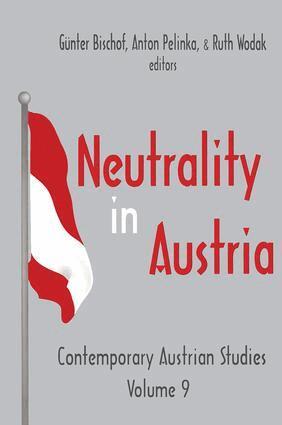
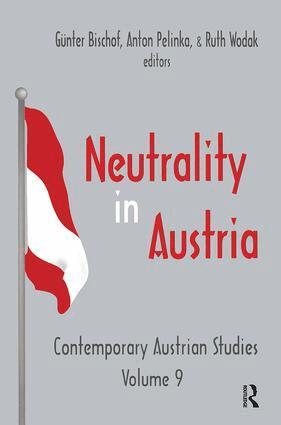
Neutrality in Austria
Av Anton Pelinka, Ruth Wodak m. fl.
Häftad, 2001
824 kr
Lägg i varukorg
After Stalin's death, during a respite in Cold War tensions in 1955, Austria managed to rid itself of a quadripartite occupation regime and become a neutral state. As the Cold War continued, Austria's policy of neutrality helped make this small country into an important mediator of East-West …
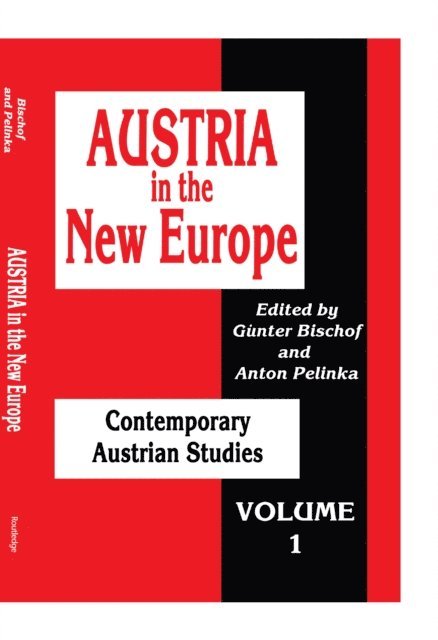
Austria in the New Europe
Av Anton Pelinka, Gunter Bischof
E-bok, 2021
953 kr
Lägg i varukorg
First published in 1993, Contemporary Austrian Studies (CAS) is an academic publication appealing to a broad intellectual audience and fostering a multiplicity of views and perspectives. CAS''s typical format features a number of essays on a special topic such as the impact of post-Cold War …
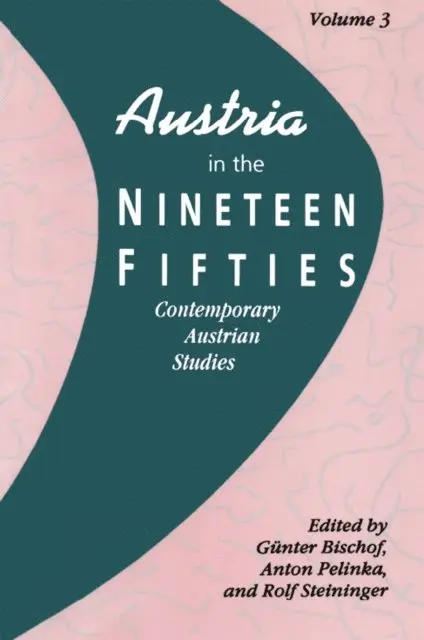
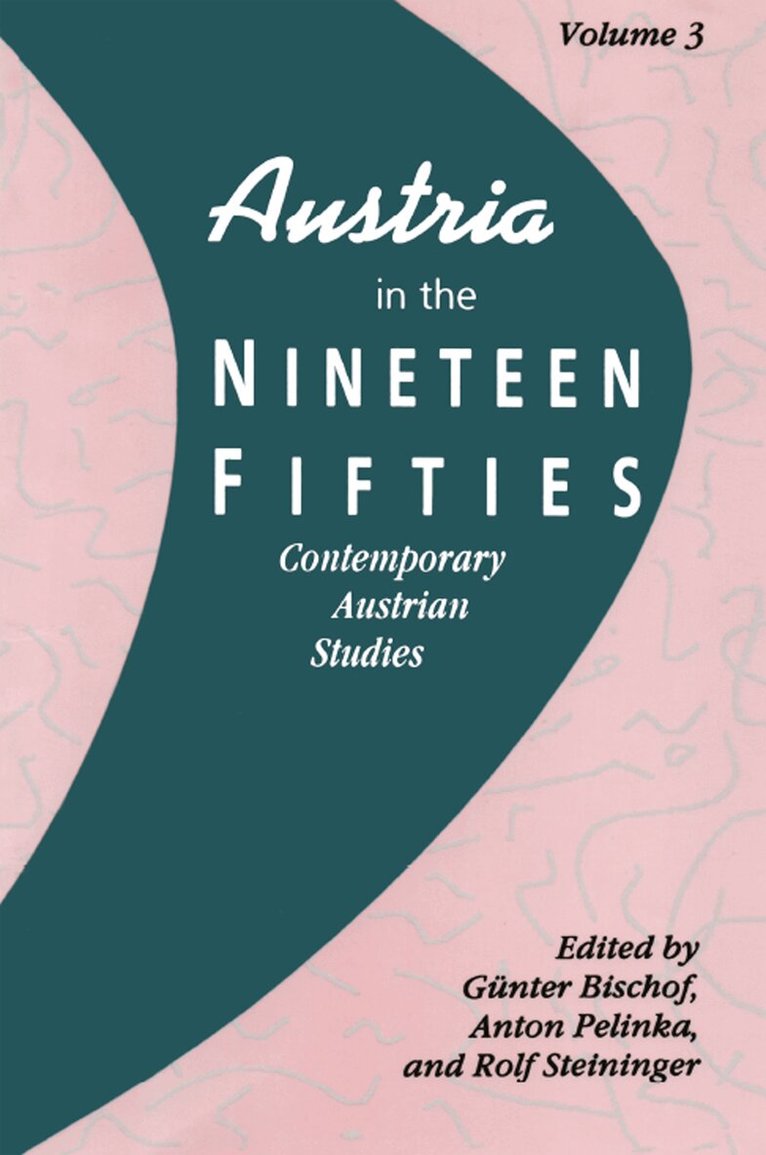
Austria in the Nineteen Fifties
E-bok, 2020
910 kr
Lägg i varukorg
In American history the 1950s are remembered as an affluent and harmonious decade. Not so in Austria. That nation emerged out of World War II with tremendous war-related destruction and with a four-power occupation that would last for ten years until 1955. Massive American economic aid enabled the …
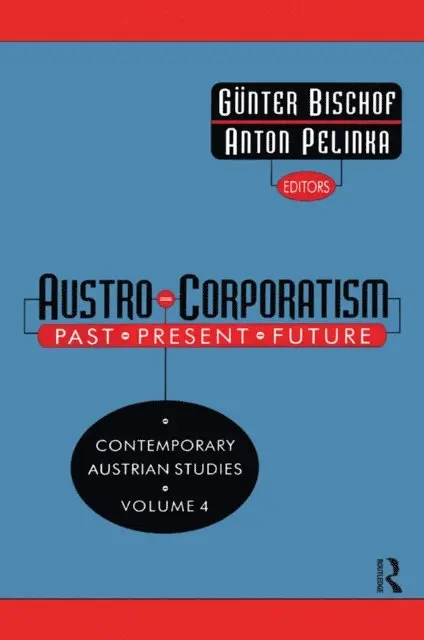
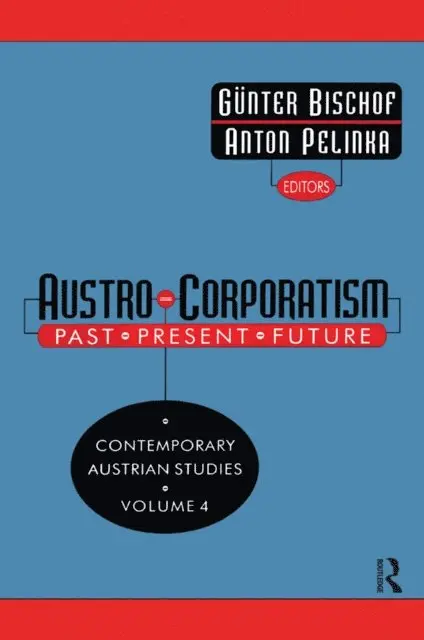
Austro-corporatism
Past, Present, Future
E-bok, 2020
892 kr
Lägg i varukorg
Corporatism was unpopular in the Europe of the past decade. During a time of neo-conservative resurgence in both the United States and the United Kingdom, macroeconomic steering and statist centralism and regulation were in disfavor. However, Austria''s unique Sozialpartnerschaft, its famed system …
Austria in the New Europe
Av Anton Pelinka, Gunter Bischof
E-bok, 2021
922 kr
Lägg i varukorg
First published in 1993, Contemporary Austrian Studies (CAS) is an academic publication appealing to a broad intellectual audience and fostering a multiplicity of views and perspectives. CAS''s typical format features a number of essays on a special topic such as the impact of post-Cold War …
Austria in the Nineteen Fifties
E-bok, 2020
910 kr
Lägg i varukorg
In American history the 1950s are remembered as an affluent and harmonious decade. Not so in Austria. That nation emerged out of World War II with tremendous war-related destruction and with a four-power occupation that would last for ten years until 1955. Massive American economic aid enabled the …
Austro-corporatism
Past, Present, Future
E-bok, 2020
873 kr
Lägg i varukorg
Corporatism was unpopular in the Europe of the past decade. During a time of neo-conservative resurgence in both the United States and the United Kingdom, macroeconomic steering and statist centralism and regulation were in disfavor. However, Austria''s unique Sozialpartnerschaft, its famed system …
Austria in the Nineteen Fifties
Inbunden, 2020
2200 kr
Lägg i varukorg
In American history the 1950s are remembered as an affluent and harmonious decade. Not so in Austria. That nation emerged out of World War II with tremendous war-related destruction and with a four-power occupation that would last for ten years until 1955. Massive American economic aid enabled the …
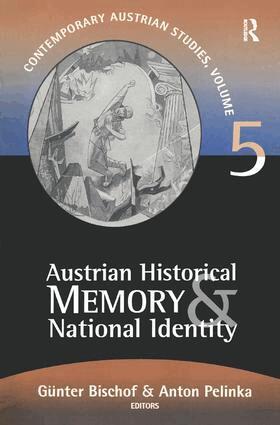
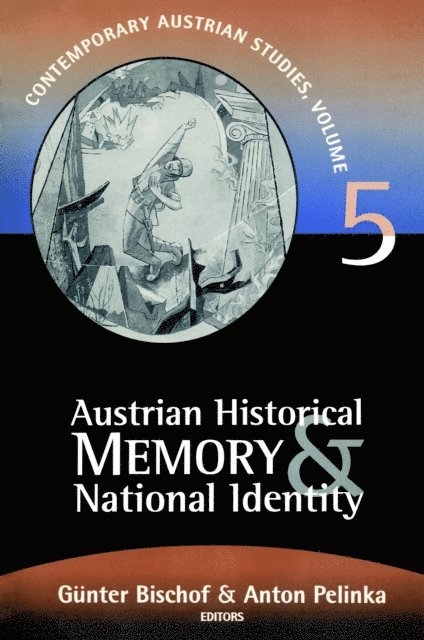
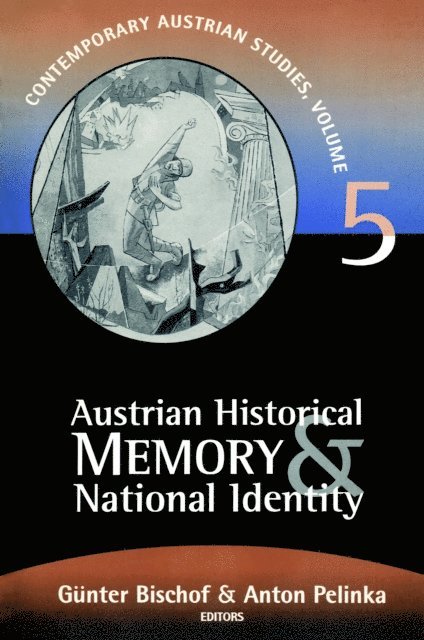
Austrian Historical Memory and National Identity
Inbunden, 2018
2590 kr
Lägg i varukorg
When the Hapsburg monarchy disintegrated after World War I, Austria was not considered to be a viable entity. In a vacuum of national identity the hapless country drifted toward a larger Germany. After World War II, Austrian elites constructed a new identity based on being a "victim" of Nazi …
Austro-corporatism
Past, Present, Future
Inbunden, 2020
2136 kr
Lägg i varukorg
Corporatism was unpopular in the Europe of the past decade. During a time of neo-conservative resurgence in both the United States and the United Kingdom, macroeconomic steering and statist centralism and regulation were in disfavor. However, Austria's unique Sozialpartnerschaft, its famed system …
Neutrality in Austria
Av Anton Pelinka, Ruth Wodak m. fl.
Inbunden, 2018
2515 kr
Lägg i varukorg
After Stalin's death, during a respite in Cold War tensions in 1955, Austria managed to rid itself of a quadripartite occupation regime and become a neutral state. As the Cold War continued, Austria's policy of neutrality helped make this small country into an important mediator of East-West …
Life and Death of Trade Unionism in the USSR, 1917-1928
Inbunden, 2017
2590 kr
Lägg i varukorg
The Russian Revolution excited men, and captured their imaginations. It seemed to herald the fulfillment of the nineteenth-century socialist movement. Socialists believed that with the proper use of technocracy they could scourge poverty and hunger from the earth. They felt that a social system …
Marshall Plan in Austria
Vol 8
Av Anton Pelinka, Gunter Bischof m. fl.
Inbunden, 2020
2136 kr
Lägg i varukorg
Perhaps no country benefitted more from the Marshall Plan for assistance in reconstruction of Europe after World War II than Austria. On a per capita basis, each American taxpayer invested $80 per person in the Plan; each Austrian received $133 from the European recovery program, more than any …
Vranitzky Era in Austria
Av Anton Pelinka, Gunter Bischof m. fl.
Inbunden, 2018
2515 kr
Lägg i varukorg
Franz Vranitzky, the banker turned politician, was chancellor during the ten years (1986-96) when the world dramatically changed in the aftermath of the cold war. Among postwar chancellors, only Bruno Kreisky held office longer. The Austrian Social Democratic Party has been in power since 1970. …
Women in Austria
Av Gunter Bischof, Gunter Bischof m. fl.
Inbunden, 2018
1524 kr
Lägg i varukorg
The position of women in Austrian society, politics, and in the economy follows the familiar trajectory of Western societies. They were expected to accept their "proper place" in a male patriarchal world. Achieving equality in all spheres of life was a long struggle that is still not completed in …
Women in Austria
Av Gunter Bischof, Erika Thurner m. fl.
E-bok, 2018
663 kr
Lägg i varukorg
The position of women in Austrian society, politics, and in the economy follows the familiar trajectory of Western societies. They were expected to accept their "proper place" in a male patriarchal world. Achieving equality in all spheres of life was a long struggle that is still not completed in …
Women in Austria
Av Gunter Bischof, Erika Thurner m. fl.
E-bok, 2018
678 kr
Lägg i varukorg
The position of women in Austrian society, politics, and in the economy follows the familiar trajectory of Western societies. They were expected to accept their "proper place" in a male patriarchal world. Achieving equality in all spheres of life was a long struggle that is still not completed in …
Austrian Historical Memory and National Identity
E-bok, 2017
963 kr
Lägg i varukorg
When the Hapsburg monarchy disintegrated after World War I, Austria was not considered to be a viable entity. In a vacuum of national identity the hapless country drifted toward a larger Germany. After World War II, Austrian elites constructed a new identity based on being a "victim" of Nazi …
Austrian Historical Memory and National Identity
E-bok, 2017
963 kr
Lägg i varukorg
When the Hapsburg monarchy disintegrated after World War I, Austria was not considered to be a viable entity. In a vacuum of national identity the hapless country drifted toward a larger Germany. After World War II, Austrian elites constructed a new identity based on being a "victim" of Nazi …
Vienna Summit and Its Importance in International History
Av Günter Bischof, Stefan Karner m. fl.
Häftad, 2016
954 kr
Lägg i varukorg
At the beginning of June 1961, the tensions of the Cold War were supposed to abate as both sides sought a resolution. The two most important men in the world, John F. Kennedy and Nikita Khrushchev, met for a summit in Vienna. Yet the high hopes were disappointed. Within months the Cold War had …
Austria in the Nineteen Fifties
Häftad, 1995
773 kr
Lägg i varukorg
Contributors discuss demographic, economic, and cultural trends in Austria in the post-war era, and issues involved in the study of contemporary history. Topical and nontopical essays and book reviews address foreign relations, Austrian industry, youth culture, and the Marshall Plan. Six of the 17 e
Austro-corporatism
Past, Present, Future
Häftad, 1995
758 kr
Lägg i varukorg
Corporatism was unpopular in the Europe of the past decade. During a time of neo-conservative resurgence in both the United States and the United Kingdom, macroeconomic steering and statist centralism and regulation were in disfavor. However, Austria's unique Sozialpartnerschaft, its famed system …
Austrian Historical Memory and National Identity
Häftad, 1996
818 kr
Lägg i varukorg
When the Hapsburg monarchy disintegrated after World War I, Austria was not considered to be a viable entity. In a vacuum of national identity the hapless country drifted toward a larger Germany. After World War II, Austrian elites constructed a new identity based on being a "victim" of Nazi …