Gus A. Baker – författare
Visar alla böcker från författaren Gus A. Baker. Handla med fri frakt och snabb leverans.
3 produkter
3 produkter
997 kr
Skickas inom 7-10 vardagar
Discover first-hand insights into the experience of acting as a psychologist expert witness In Psychology and the Law: Case Studies of Expert Witnesses, a team of distinguished psychologists delivers an insightful and practical collection of case studies exploring the role of mental health professionals acting as expert witnesses in regulatory, judicial, and quasi-judicial proceedings. Each chapter is authored by an expert in their field, covering situations ranging from the assessment of people involved in criminal and family law proceedings and Parole Board hearings to the assessment of a civil litigant’s experience of historical trauma resulting from the alleged negligence of the local authority. Each case follows the involvement of the practitioner from initial retainer to the process of giving evidence in court or in a court-like proceeding. The book also offers valuable judicial and legal perspectives on the roles played by mental health professionals acting as expert witnesses, as well as discussion of the cross examination of persons giving psychological evidence. Readers will also find: A thorough introduction to the use of psychologists as expert witnesses Comprehensive explorations of clinical forensic expert witness case studies Practical discussions of medicolegal expert witness case studies Fulsome treatments of judicial and legal perspectives on the roles, uses, and limits of psychological evidence and the use of psychologist experts in military court martialsPerfect for undergraduate and postgraduate students of law and psychology, Psychology and the Law: Case Studies of Expert Witnesses will also benefit qualified psychologists, psychiatrists, lawyers, policymakers and legislators, social workers, and members of the judiciary.
550 kr
Skickas inom 10-15 vardagar
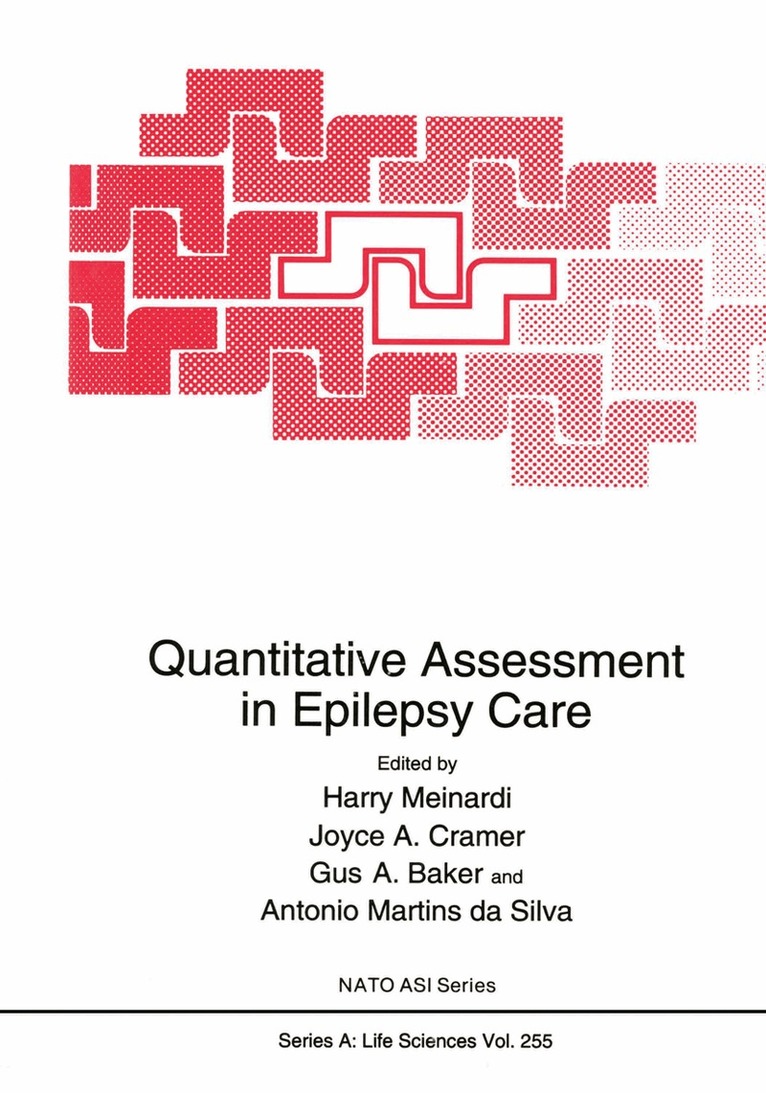
Advances in epilepsy in recent decades have allowed for improved algorithms for diagnosis and a common understanding of terminology with the development of the International Classifications of Seizures and the Epilepsies. Nevertheless, no common system exists for the estimation of epilepsy severity or its impact on quality of life. Therefore, epileptologists lack the ability to make quantitative assessments of individual patients for comparison of care or for meta-analyses in clinical trials. This book on the Quantitative Assessment of Epilepsy Care approaches this omission by addressing the potential application of clinimetrics within the framework of epilepsy treatment. Clinimetrics is a fast growing discipline concerned with the quantification of clinical symptoms with respect to decision making relating to diagnosis, treatment, and prognosis. These methods allow for the development and validation of clinical scoring systems. For example, the Glasgow Coma Scale is widely used. As a chronic disorder, epilepsy would benefit from clinimetric methodology to create uniformity and to allow for comparisons among evaluations. In addition, epileptologists have not yet developed assessments of health related quality of life to define the overall condition of the chronic epilepsy patient and various therapeutic endpoints. While clini metric tools are essential for research, they will also be useful in clinical practice for the care of individual patients by documenting status and changes over time. This treatise will provide critical analyses of whether existing rating scales and techniques are valid to use, and which types of scales and techniques require further development.
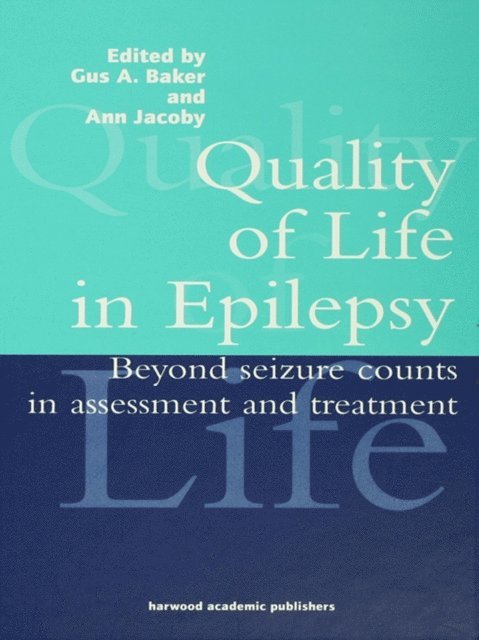
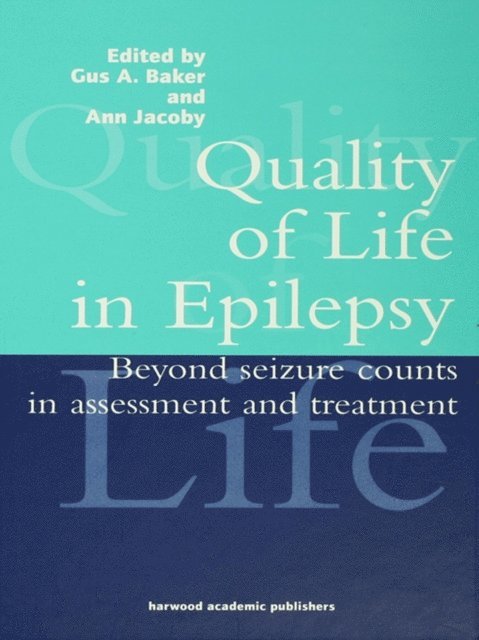
Quality of Life in Epilepsy
Beyond Seizure Counts in Assessment and Treatment
Inbunden, Engelska, 2001
2 053 kr
Skickas inom 10-15 vardagar
Though clinical aspects of epilepsy such as seizure control are crucially important to its management, increasing attention is being given to wider quality of life issues. Epilepsy continues to be an often misunderstood and stigmatising condition; for the vast majority of people whose seizures can be well controlled, the social and psychological repercussions are often of greater significance than the seizures themselves.The increasing emphasis on the importance of non-clinical outcomes in the assessment of new treatments and management strategies for chronic conditions such as epilepsy has stimulated interest in methodological issues in assessing quality of life. This book reviews the recent literature on the impact of epilepsy on everyday experience and the methodological issues involved in assessing that impact. It also considers the perspectives of a range of health professionals involved in caring for people with epilepsy and how, through appropriate management, the impact on their lives can be minimised.