Gustavo Procopio Furtado - Böcker
Visar alla böcker från författaren Gustavo Procopio Furtado. Handla med fri frakt och snabb leverans.
3 produkter
3 produkter
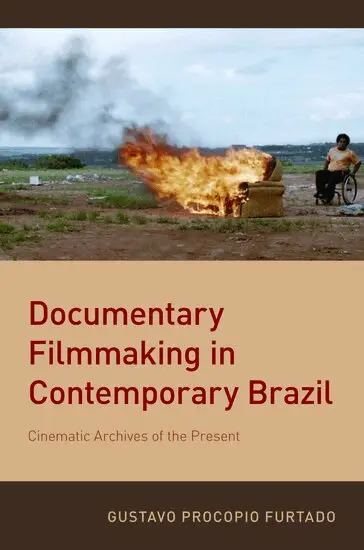
Documentary Filmmaking in Contemporary Brazil
Cinematic Archives of the Present
Inbunden, Engelska, 2019
1 329 kr
Skickas inom 5-8 vardagar
Winner of the 2020 Antonio Candido Prize for Best Book in the Humanities from the Brazil section of the Latin American Studies Association. This book examines the vibrant field of documentary filmmaking in Brazil from the transition to democracy in 1985 to the present. Marked by significant efforts toward the democratization of Brazil's highly unequal society, this period also witnessed the documentary's rise to unprecedented vitality in quantity, quality, and diversity of production-which includes polished auteur films as well as rough-hewn collaborative works, films made in major metropolitan regions as well as in indigenous villages and in remote parts of the Amazon, intimate first-person documentaries as well as films that dive headfirst into struggles for social justice. The transformations of Brazilian society and of filmmaking coalesce and become entangled in this cinema's preoccupation with archives. Historically linked to the exercise and maintenance of power, the concept of the archive is critical for the documentary as a cultural practice that preserves images from the present for the future, unearths and repurposes visual materials from the past, and is historically invested in filmic images as records of the real. Contemporary films incorporate, reflect on, and rework a variety of archives, such as documents produced by official institutions, ethnographic images, home movies, and photo albums-and engage not only with what is preserved but also with lacunas in the record and with alternate forms of remembering, retrieving, and transmitting the past. Through its interaction with archives, this book argues, the contemporary documentary reflects on and intervenes in the distribution of visibilities and invisibilities, centers and margins, silences and speech, living memory and its preservation in the record-thus locating the documentary on archival borders that concern Brazilian society and filmmaking alike.
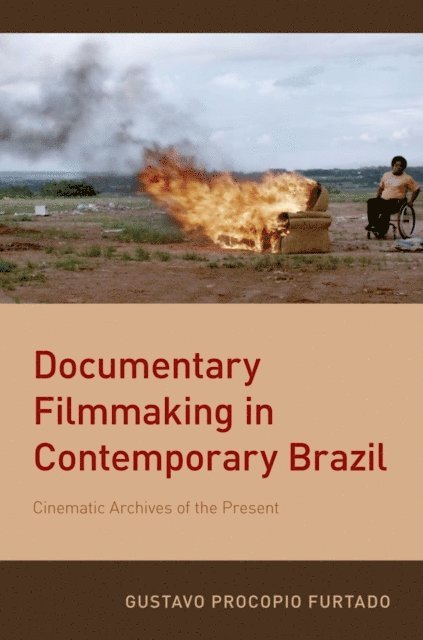
Documentary Filmmaking in Contemporary Brazil
Cinematic Archives of the Present
Häftad, Engelska, 2019
569 kr
Skickas
Winner of the 2020 Antonio Candido Prize for Best Book in the Humanities from the Brazil section of the Latin American Studies Association. This book examines the vibrant field of documentary filmmaking in Brazil from the transition to democracy in 1985 to the present. Marked by significant efforts toward the democratization of Brazil's highly unequal society, this period also witnessed the documentary's rise to unprecedented vitality in quantity, quality, and diversity of production-which includes polished auteur films as well as rough-hewn collaborative works, films made in major metropolitan regions as well as in indigenous villages and in remote parts of the Amazon, intimate first-person documentaries as well as films that dive headfirst into struggles for social justice. The transformations of Brazilian society and of filmmaking coalesce and become entangled in this cinema's preoccupation with archives. Historically linked to the exercise and maintenance of power, the concept of the archive is critical for the documentary as a cultural practice that preserves images from the present for the future, unearths and repurposes visual materials from the past, and is historically invested in filmic images as records of the real. Contemporary films incorporate, reflect on, and rework a variety of archives, such as documents produced by official institutions, ethnographic images, home movies, and photo albums-and engage not only with what is preserved but also with lacunas in the record and with alternate forms of remembering, retrieving, and transmitting the past. Through its interaction with archives, this book argues, the contemporary documentary reflects on and intervenes in the distribution of visibilities and invisibilities, centers and margins, silences and speech, living memory and its preservation in the record-thus locating the documentary on archival borders that concern Brazilian society and filmmaking alike.
1 730 kr
Kommande
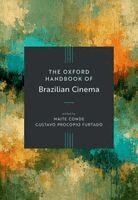
The Oxford Handbook of Brazilian Cinema brings together innovative chapters that address a wide range of topics relating to cinema and cinema culture in Brazil. Including chapters that focus on the reception and production of films and on how global trends in filmmaking have shaped Brazilian cinema's practices, this Handbook moves beyond a geographically specific notion of national cinema, to ask not what is Brazilian cinema but, rather, what is cinema in Brazil? This question is developed in three sections, “histories,” “spaces,” and “genres and media.” Chapters in the section “Histories” explore diverse trajectories of Brazilian film culture and practices, including film criticism, archival endeavours, black filmmaking and films made during the Covid pandemic. The impact of historical contexts is explored in a conversation with women filmmakers, which delves into the devastating effects of far-right president Jair Bolsonaro on production from a female perspective. The section “Spaces” reflects the geographic diversity of cinema in Brazil in chapters that depart from the dominant focus on Rio-São Paulo to examine films from marginalized spaces, including the Amazon and the predominantly non-white urban peripheries, and films that pay attention to queer spatial practices. The very space of filmic experience is examined in chapters focusing on movie theater architecture and the virtual spatiality of new media platforms. A conversation with black filmmakers in Brazil considers the historical condition of marginality as a productive space for filmmaking today. Chapters dealing with “Genres and Media” address questions of film form and style in essay films, horror movies, musical comedies (known as chanchadas) and art films, addressing in turn their connections to other forms of media and extra filmic forms. The section concludes with a conversation with indigenous filmmakers that reflects on how their audiovisual work disrupts generic representations of “Indigeneity” pervasive in Brazilian culture and media. Whilst providing a rich and broad coverage, this Handbook does not intend to present an encyclopaedic overview of Brazilian cinema. Moving beyond the singular “Brazilian cinema,” the objective is to examine cinematic histories, spaces and medias and genres as interpretive strategies for thinking about what cinema is in Brazil.