Guy D. Stiebel – författare
Visar alla böcker från författaren Guy D. Stiebel. Handla med fri frakt och snabb leverans.
5 produkter
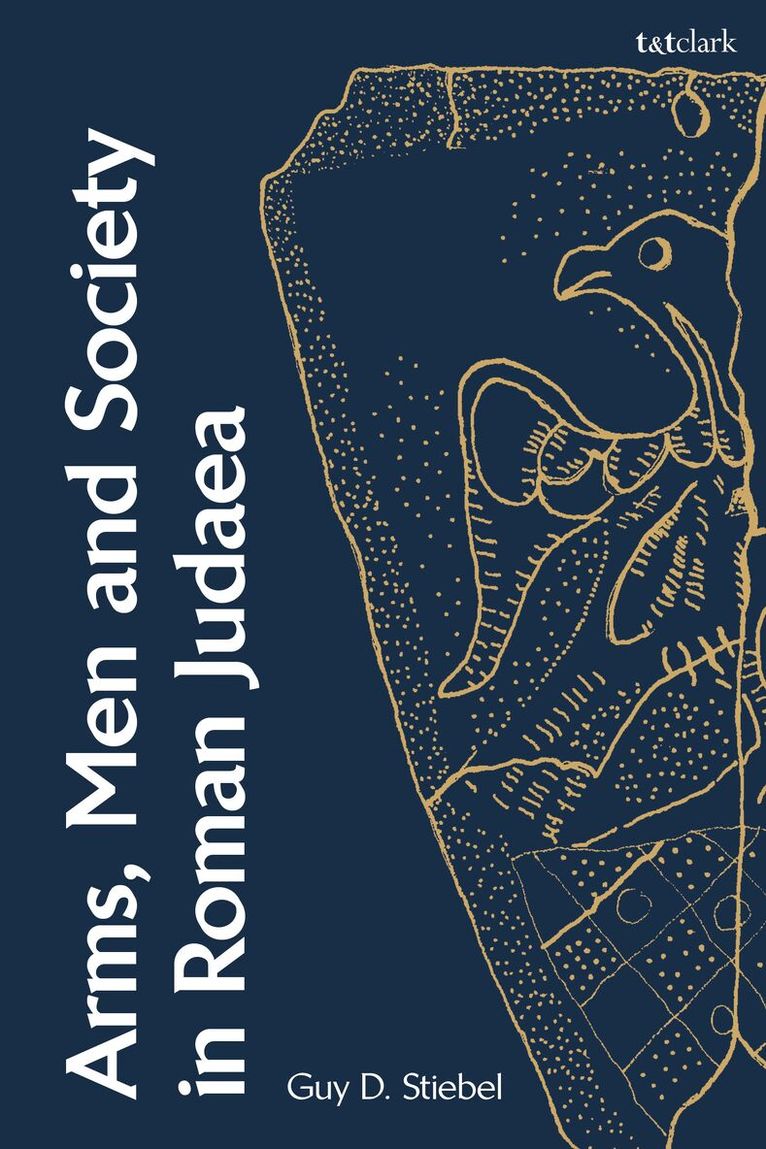
Arms, Men and Society in Roman Judaea
Inbunden, 2023
1523 kr
Kommande
Guy D. Stiebel provides an in-depth study of Roman weaponry as used in Judaea from the arrival of the Romans in the area in around 63 BCE until the time of the Bar Kochba Revolt (135/136 CE). The work is split into three parts. The first addresses Roman militaria and provides a study of the types …
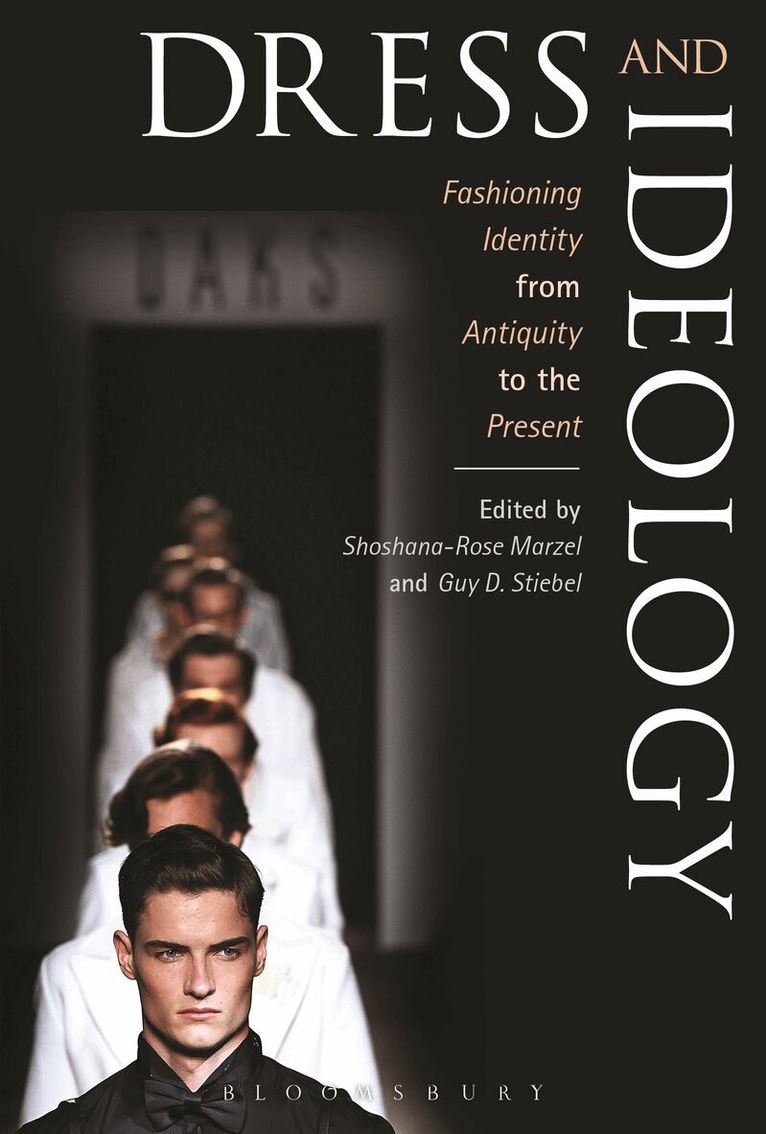
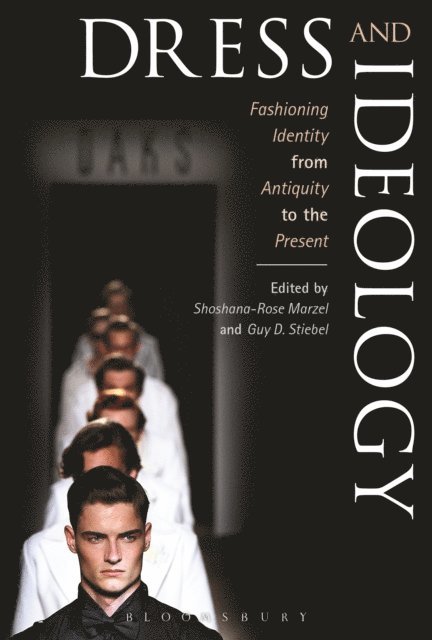
Dress and Ideology
Fashioning Identity from Antiquity to the Present
Av Shoshana-Rose Marzel, Guy D. Stiebel
Inbunden, 2014
1893 kr
Lägg i varukorg
Dress and fashion are powerful visual means of communicating ideology, whether political, social or religious. From the communist values of equality, simplicity and solidarity exemplified in the Mao suit to the myriad of fashion protests of feminists such as French revolutionary women's demand to …
Dress and Ideology
Fashioning Identity from Antiquity to the Present
Av Shoshana-Rose Marzel, Guy D. Stiebel
Häftad, 2014
413 kr
Lägg i varukorg
Dress and fashion are powerful visual means of communicating ideology, whether political, social or religious. From the communist values of equality, simplicity and solidarity exemplified in the Mao suit to the myriad of fashion protests of feminists such as French revolutionary women's demand to …
Dress and Ideology
Fashioning Identity from Antiquity to the Present
Av Shoshana-Rose Marzel, Guy D. Stiebel
E-bok, 2014
450 kr
Lägg i varukorg
Dress and fashion are powerful visual means of communicating ideology, whether political, social or religious. From the communist values of equality, simplicity and solidarity exemplified in the Mao suit to the myriad of fashion protests of feminists such as French revolutionary women''s demand to …
Dress and Ideology
Fashioning Identity from Antiquity to the Present
Av Shoshana-Rose Marzel, Guy D. Stiebel
E-bok, 2014
450 kr
Lägg i varukorg
Dress and fashion are powerful visual means of communicating ideology, whether political, social or religious. From the communist values of equality, simplicity and solidarity exemplified in the Mao suit to the myriad of fashion protests of feminists such as French revolutionary women''s demand to …