Guy Dove – författare
Visar alla böcker från författaren Guy Dove. Handla med fri frakt och snabb leverans.
6 produkter
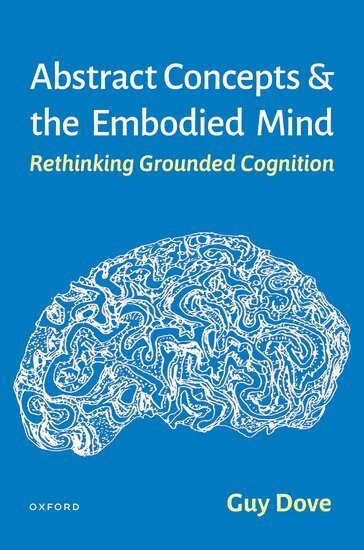
Abstract Concepts and the Embodied Mind
Rethinking Grounded Cognition
Av Guy Dove
Inbunden, 2022
1493 kr
Lägg i varukorg
Our thoughts depend on knowledge about objects, people, properties, and events. To think about where we left our keys, what we are going to make for dinner, when we last fed the dogs, and how we are going to survive our next visit with our family, we need to know something about locations, keys, …
Abstract Concepts and the Embodied Mind
Rethinking Grounded Cognition
Av Guy Dove
E-bok, 2022
697 kr
Lägg i varukorg
Our thoughts depend on knowledge about objects, people, properties, and events. To think about where we left our keys, what we are going to make for dinner, when we last fed the dogs, and how we are going to survive our next visit with our family, we need to know something about locations, keys, …
Abstract Concepts and the Embodied Mind
Rethinking Grounded Cognition
Av Guy Dove
E-bok, 2022
697 kr
Lägg i varukorg
Our thoughts depend on knowledge about objects, people, properties, and events. To think about where we left our keys, what we are going to make for dinner, when we last fed the dogs, and how we are going to survive our next visit with our family, we need to know something about locations, keys, …
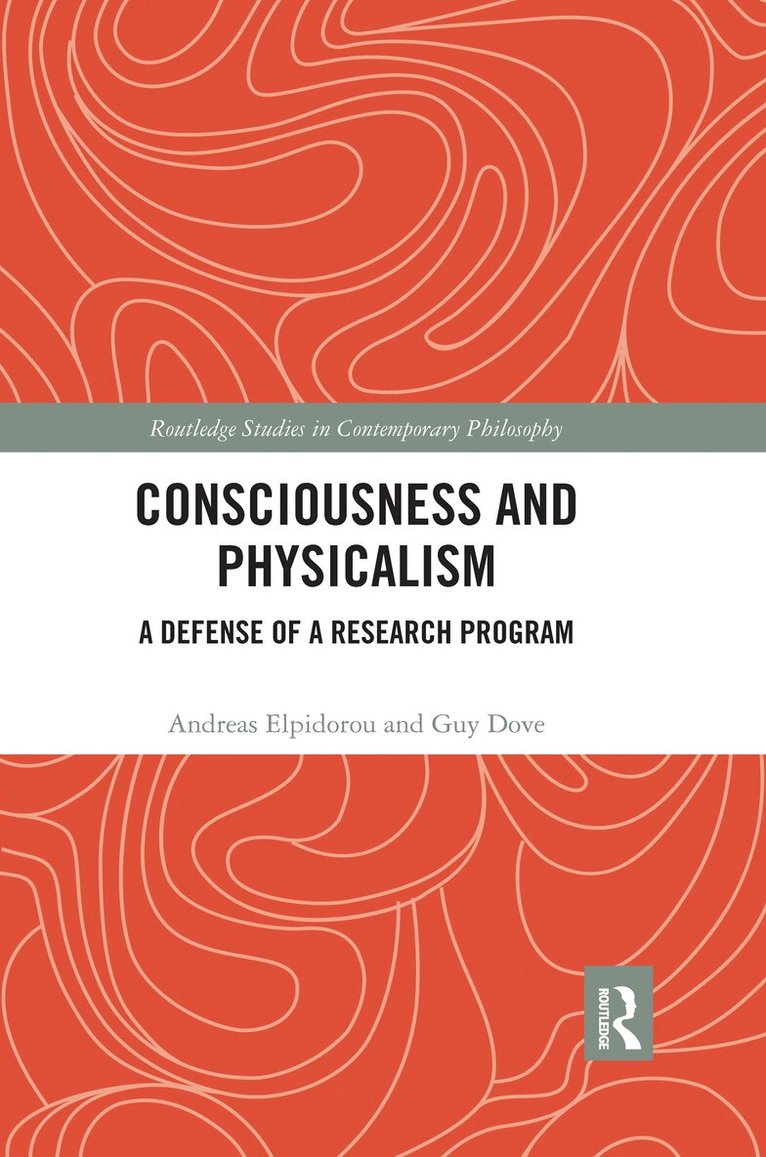
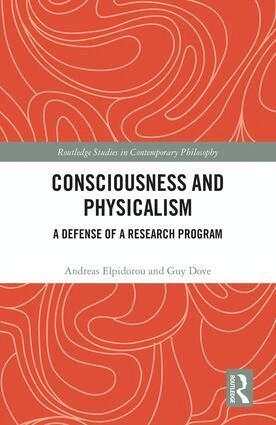
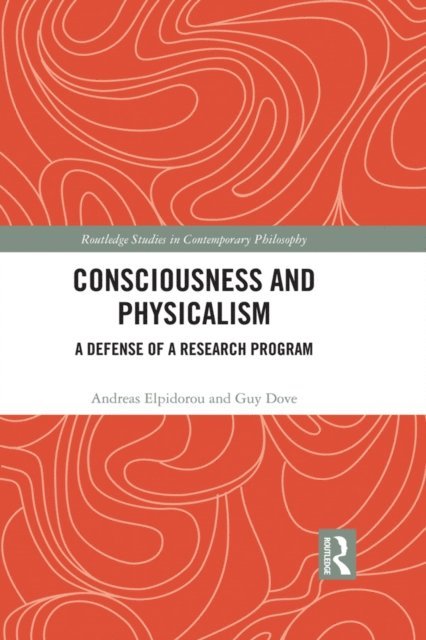
Consciousness and Physicalism
A Defense of a Research Program
Av Andreas Elpidorou, Guy Dove
Häftad, 2020
710 kr
Lägg i varukorg
Consciousness and Physicalism: A Defense of a Research Program explores the nature of consciousness and its place in the world, offering a revisionist account of what it means to say that consciousness is nothing over and above the physical. By synthesizing work in the philosophy of mind, …
Consciousness and Physicalism
A Defense of a Research Program
Av Andreas Elpidorou, Guy Dove
Inbunden, 2018
2526 kr
Lägg i varukorg
Consciousness and Physicalism: A Defense of a Research Program explores the nature of consciousness and its place in the world, offering a revisionist account of what it means to say that consciousness is nothing over and above the physical. By synthesizing work in the philosophy of mind, …
Consciousness and Physicalism
A Defense of a Research Program
Av Guy Dove, Andreas Elpidorou
E-bok, 2018
831 kr
Lägg i varukorg
Consciousness and Physicalism: A Defense of a Research Program explores the nature of consciousness and its place in the world, offering a revisionist account of what it means to say that consciousness is nothing over and above the physical. By synthesizing work in the philosophy of mind, …