H. A. Drake – författare
Visar alla böcker från författaren H. A. Drake. Handla med fri frakt och snabb leverans.
11 produkter
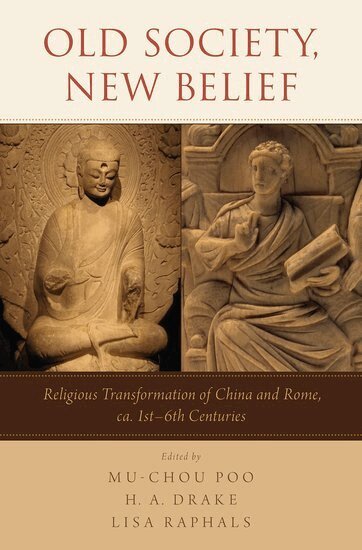
Old Society, New Belief
Religious transformation of China and Rome, ca. 1st-6th Centuries
Av Lisa Raphals, Mu-chou Poo m. fl.
Inbunden, 2017
1771 kr
Lägg i varukorg
In the first century of the Common Era, two new belief systems entered long-established cultures with radically different outlooks and values: missionaries started to spread the teachings of Jesus of Nazareth in Rome and the Buddha in China. Rome and China were not only ancient cultures, but also …
Old Society, New Belief
Religious transformation of China and Rome, ca. 1st-6th Centuries
Av Lisa Raphals, H. A. Drake m. fl.
E-bok, 2017
1133 kr
Lägg i varukorg
In the first century of the Common Era, two new belief systems entered long-established cultures with radically different outlooks and values: missionaries started to spread the teachings of Jesus of Nazareth in Rome and the Buddha in China. Rome and China were not only ancient cultures, but also …
Old Society, New Belief
Religious transformation of China and Rome, ca. 1st-6th Centuries
Av Lisa Raphals, H. A. Drake m. fl.
E-bok, 2017
1133 kr
Lägg i varukorg
In the first century of the Common Era, two new belief systems entered long-established cultures with radically different outlooks and values: missionaries started to spread the teachings of Jesus of Nazareth in Rome and the Buddha in China. Rome and China were not only ancient cultures, but also …
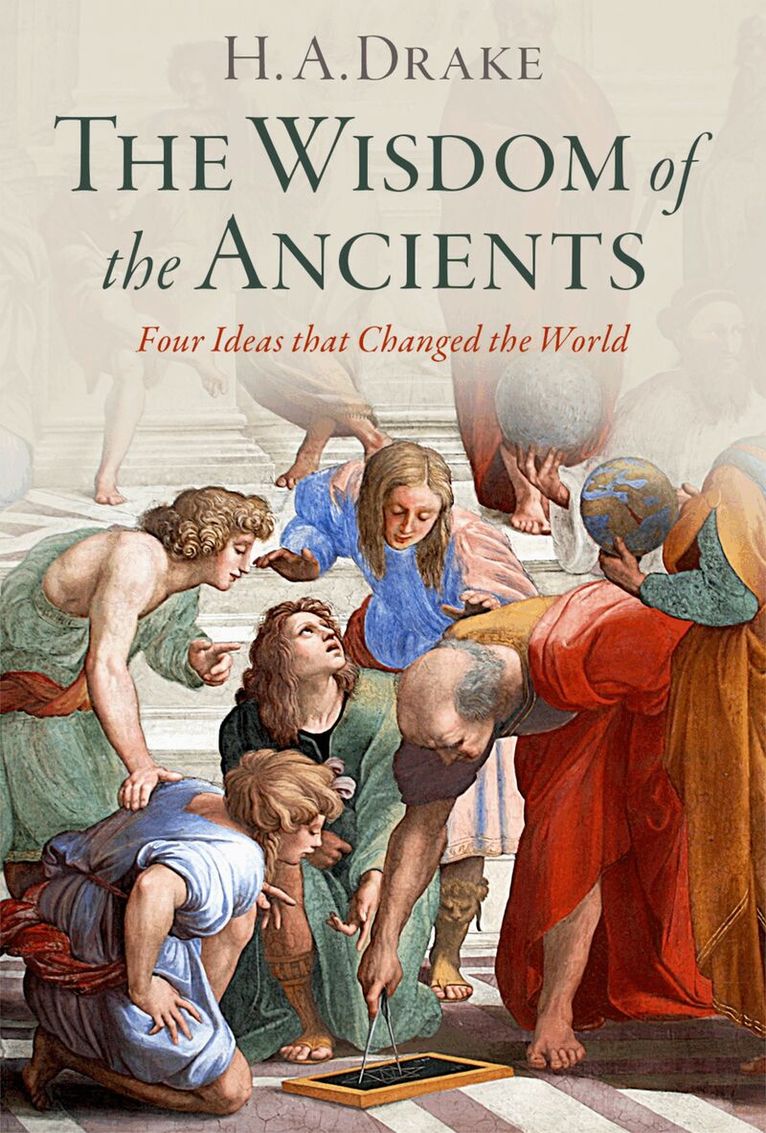
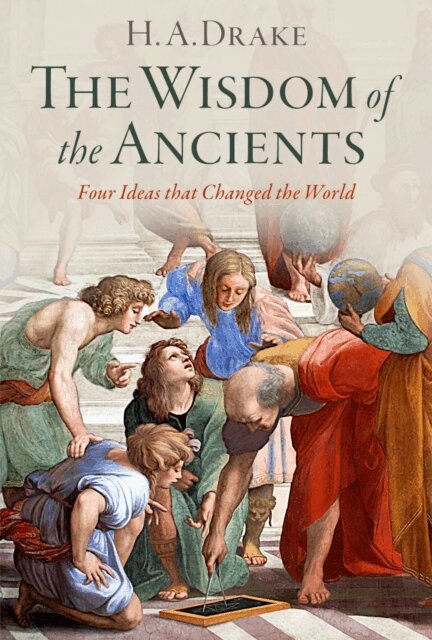
The Wisdom of the Ancients
Four Ideas that Changed the World
Av H. A. Drake
Inbunden, 2025
290 kr
Lägg i varukorg
This book is about four cornerstones of modern thought that were put in place by people living in the ancient Mediterranean world. It covers approximately 2,000 years in time (from ca. 1000 BCE to 1000 CE) and spatially moves from the Tigris and Euphrates rivers in Mesopotamia (roughly, modern …
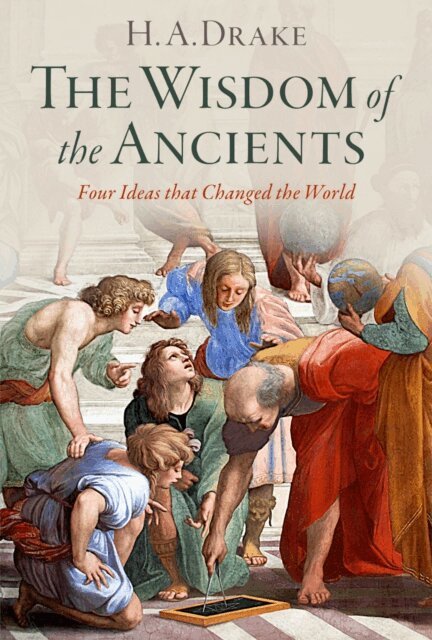
Wisdom of the Ancients
Four Ideas that Changed the World
Av H. A. Drake
E-bok, 2025
269 kr
Lägg i varukorg
This book is about four cornerstones of modern thought that were put in place by people living in the ancient Mediterranean world. It covers approximately 2,000 years in time (from ca. 1000 BCE to 1000 CE) and spatially moves from the Tigris and Euphrates rivers in Mesopotamia (roughly, modern …
Wisdom of the Ancients
Four Ideas that Changed the World
Av H. A. Drake
E-bok, 2025
269 kr
Lägg i varukorg
This book is about four cornerstones of modern thought that were put in place by people living in the ancient Mediterranean world. It covers approximately 2,000 years in time (from ca. 1000 BCE to 1000 CE) and spatially moves from the Tigris and Euphrates rivers in Mesopotamia (roughly, modern …
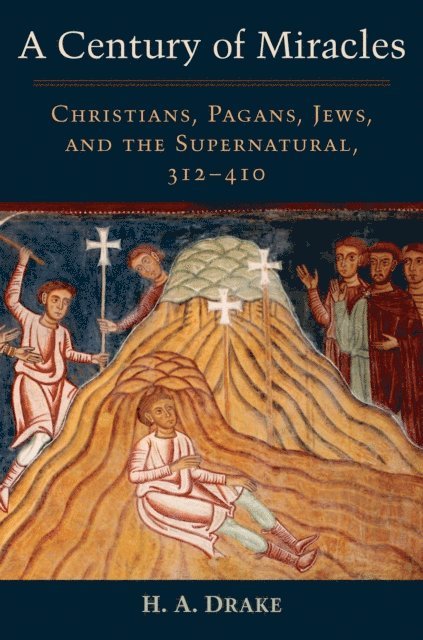
A Century of Miracles
Christians, Pagans, Jews, and the Supernatural, 312-410
Av H. A. Drake
Inbunden, 2017
732 kr
Lägg i varukorg
Traditionally, in the year 312, the Roman emperor Constantine experienced a "vision of the Cross" that led him to convert to Christianity and to defeat his last rival to the imperial throne; and, in 394, a divine wind carried the emperor Theodosius to victory at the battle of the Frigidus River. …
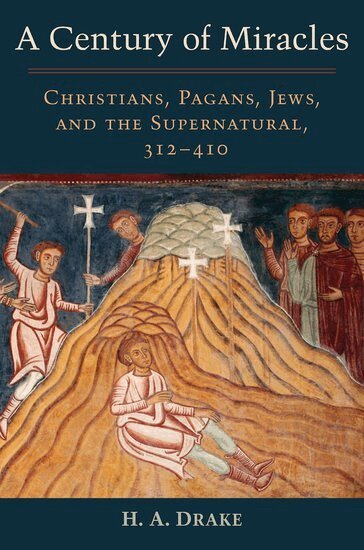
Century of Miracles
Christians, Pagans, Jews, and the Supernatural, 312-410
Av H. A. Drake
E-bok, 2017
275 kr
Lägg i varukorg
The fourth century of our common era began and ended with a miracle. Traditionally, in the year 312, the Roman emperor Constantine experienced a "vision of the Cross" that led him to convert to Christianity and to defeat his last rival to the imperial throne; and, in 394, a divine wind carried the …
Century of Miracles
Christians, Pagans, Jews, and the Supernatural, 312-410
Av H. A. Drake
E-bok, 2017
275 kr
Lägg i varukorg
The fourth century of our common era began and ended with a miracle. Traditionally, in the year 312, the Roman emperor Constantine experienced a "vision of the Cross" that led him to convert to Christianity and to defeat his last rival to the imperial throne; and, in 394, a divine wind carried the …
The City in the Classical and Post-Classical World
Changing Contexts of Power and Identity
Inbunden, 2014
1477 kr
Lägg i varukorg
This volume examines the evolving role of the city and citizenship from classical Athens through fifth-century Rome and medieval Byzantium. Beginning in the first century CE, the universal claims of Hellenistic and Roman imperialism began to be challenged by the growing role of Christianity in …
Constantine and the Bishops
The Politics of Intolerance
Av H. A. Drake
Häftad, 2002
372 kr
Tillfälligt slut
Historians who viewed imperial Rome in terms of a conflict between pagans and Christians have often regarded the emperor Constantine's conversion as the triumph of Christianity over paganism. But in Constantine and the Bishops, historian H. A. Drake offers a fresh and more nuanced understanding of …