Mu-Chou Poo – författare
Visar alla böcker från författaren Mu-Chou Poo. Handla med fri frakt och snabb leverans.
18 produkter
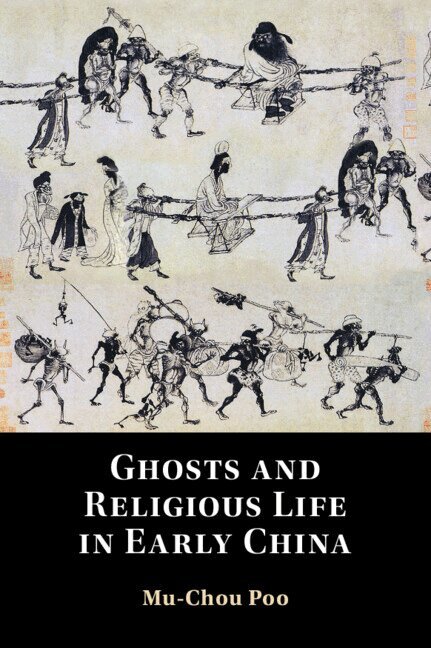
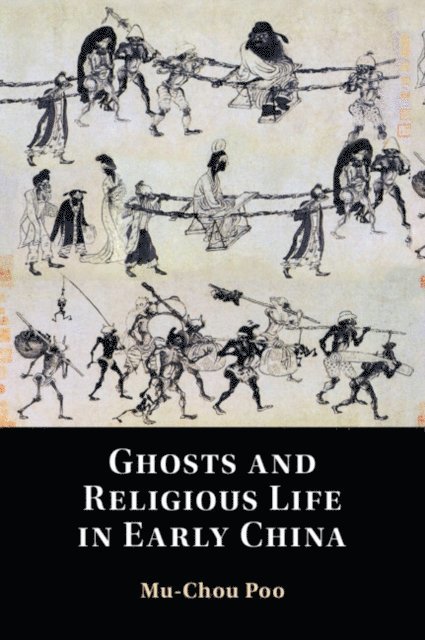
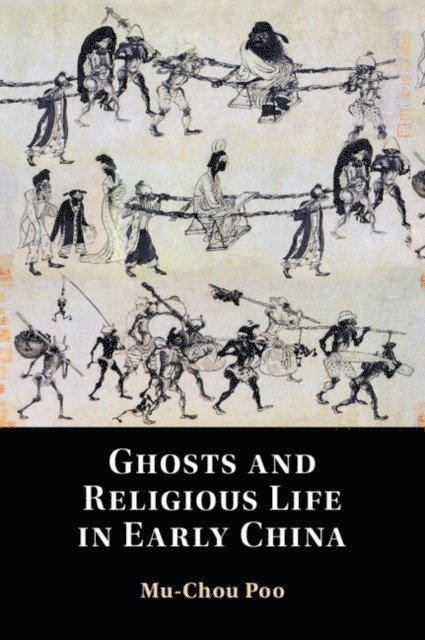
Ghosts and Religious Life in Early China
Av Mu-Chou Poo
Inbunden, 2022
1391 kr
Lägg i varukorg
For modern people, ghost stories are no more than thrilling entertainment. For those living in antiquity, ghosts were far more serious beings, as they could affect the life and death of people and cause endless fear and anxiety. How did ancient societies imagine what ghosts looked like, what they …
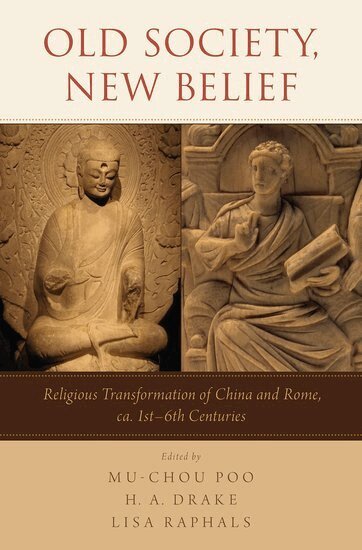
Old Society, New Belief
Religious transformation of China and Rome, ca. 1st-6th Centuries
Av Lisa Raphals, Mu-chou Poo m. fl.
Inbunden, 2017
1771 kr
Lägg i varukorg
In the first century of the Common Era, two new belief systems entered long-established cultures with radically different outlooks and values: missionaries started to spread the teachings of Jesus of Nazareth in Rome and the Buddha in China. Rome and China were not only ancient cultures, but also …
Old Society, New Belief
Religious transformation of China and Rome, ca. 1st-6th Centuries
Av Lisa Raphals, H. A. Drake m. fl.
E-bok, 2017
1133 kr
Lägg i varukorg
In the first century of the Common Era, two new belief systems entered long-established cultures with radically different outlooks and values: missionaries started to spread the teachings of Jesus of Nazareth in Rome and the Buddha in China. Rome and China were not only ancient cultures, but also …
Old Society, New Belief
Religious transformation of China and Rome, ca. 1st-6th Centuries
Av Lisa Raphals, H. A. Drake m. fl.
E-bok, 2017
1133 kr
Lägg i varukorg
In the first century of the Common Era, two new belief systems entered long-established cultures with radically different outlooks and values: missionaries started to spread the teachings of Jesus of Nazareth in Rome and the Buddha in China. Rome and China were not only ancient cultures, but also …
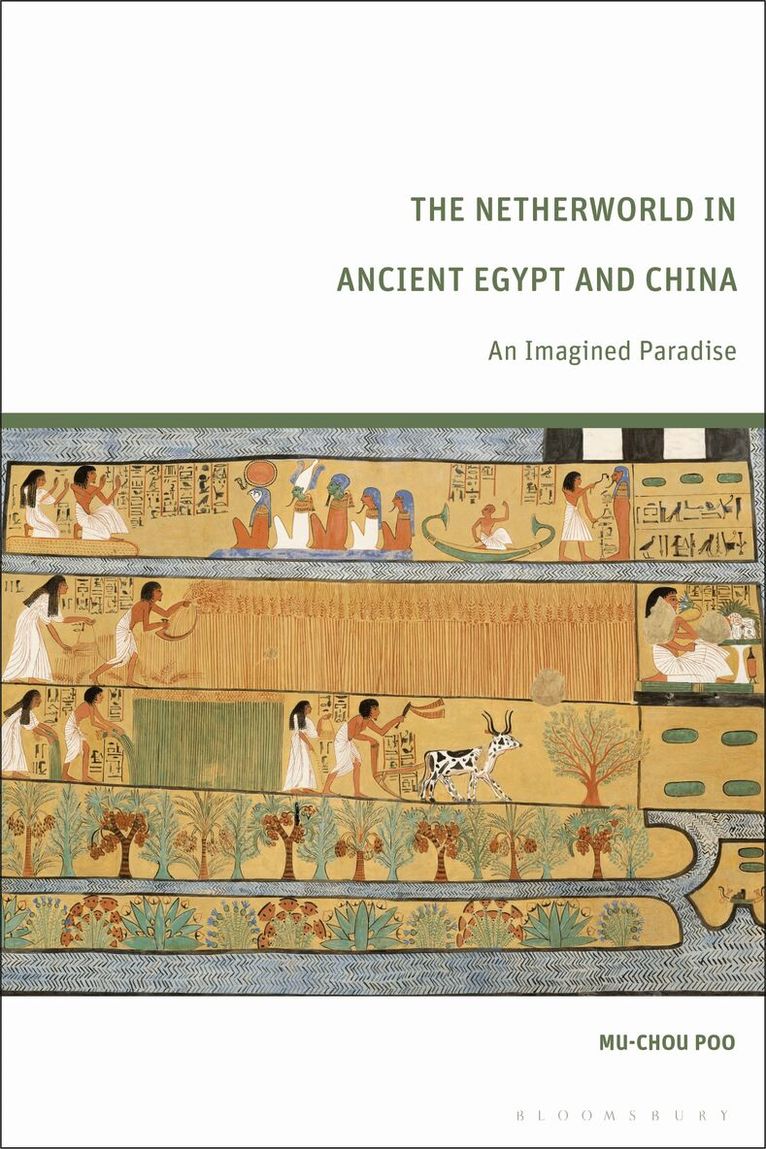
Netherworld in Ancient Egypt and China
An Imagined Paradise
Av Mu-chou Poo
Inbunden, 2023
1278 kr
Lägg i varukorg
Considering the striking similarities between the treatment of the dead and conceptions of the netherworld in ancient Egypt and China, how can we compare the two traditions?Mu-chou Poo considers this question, and provides a new perspective on archaeological materials, including tomb structures and …
Netherworld in Ancient Egypt and China
An Imagined Paradise
Av Mu-chou Poo
E-bok, 2023
452 kr
Lägg i varukorg
Considering the striking similarities between the treatment of the dead and conceptions of the netherworld in ancient Egypt and China, how can we compare the two traditions? Mu-chou Poo considers this question, and provides a new perspective on archaeological materials, including tomb structures …
Netherworld in Ancient Egypt and China
An Imagined Paradise
Av Mu-chou Poo
E-bok, 2023
442 kr
Lägg i varukorg
Considering the striking similarities between the treatment of the dead and conceptions of the netherworld in ancient Egypt and China, how can we compare the two traditions? Mu-chou Poo considers this question, and provides a new perspective on archaeological materials, including tomb structures …
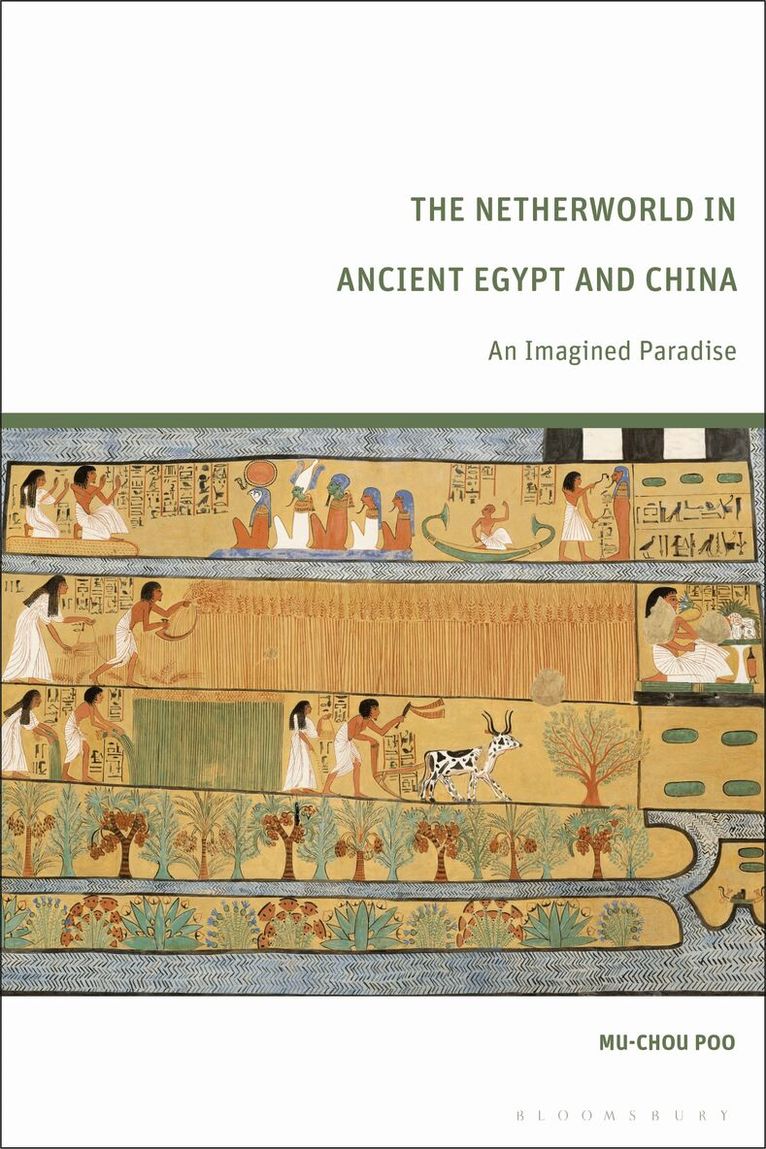
Netherworld in Ancient Egypt and China
An Imagined Paradise
Av Mu-chou Poo
Häftad, 2025
417 kr
Lägg i varukorg
Considering the striking similarities between the treatment of the dead and conceptions of the netherworld in ancient Egypt and China, how can we compare the two traditions?Mu-chou Poo considers this question, and provides a new perspective on archaeological materials, including tomb structures and …
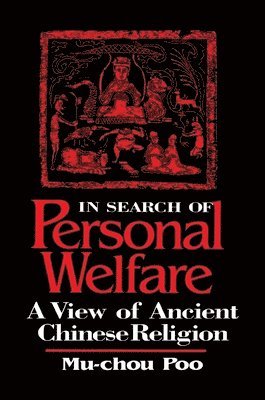
In Search of Personal Welfare
A View of Ancient Chinese Religion
Av Mu-chou Poo
Häftad, 1998
487 kr
Lägg i varukorg
The first major reassessment of ancient Chinese religion to appear in recent years, this book presents the religious mentality of the period through personal and daily experiences.This book is the first major reassessment of ancient Chinese religion to appear in recent years. It provides a …
Enemies of Civilization
Attitudes toward Foreigners in Ancient Mesopotamia, Egypt, and China
Av Mu-chou Poo
Inbunden, 2005
1296 kr
Lägg i varukorg
Looks at how foreigners were regarded in three ancient civilizations, finding that cultural, not biophysical, differences were key in distinguishing "us" from "them."Enemies of Civilization is a work of comparative history and cultural consciousness that discusses how "others" were perceived in …
Enemies of Civilization
Attitudes toward Foreigners in Ancient Mesopotamia, Egypt, and China
Av Mu-chou Poo
Häftad, 2005
477 kr
Lägg i varukorg
Looks at how foreigners were regarded in three ancient civilizations, finding that cultural, not biophysical, differences were key in distinguishing "us" from "them."Enemies of Civilization is a work of comparative history and cultural consciousness that discusses how "others" were perceived in …
Ghosts and Religious Life in Early China
Av Mu-Chou Poo
E-bok, 2022
1347 kr
Lägg i varukorg
For modern people, ghost stories are no more than thrilling entertainment. For those living in antiquity, ghosts were far more serious beings, as they could affect the life and death of people and cause endless fear and anxiety. How did ancient societies imagine what ghosts looked like, what they …
Ghosts and Religious Life in Early China
Av Mu-Chou Poo
E-bok, 2022
1377 kr
Lägg i varukorg
For modern people, ghost stories are no more than thrilling entertainment. For those living in antiquity, ghosts were far more serious beings, as they could affect the life and death of people and cause endless fear and anxiety. How did ancient societies imagine what ghosts looked like, what they …
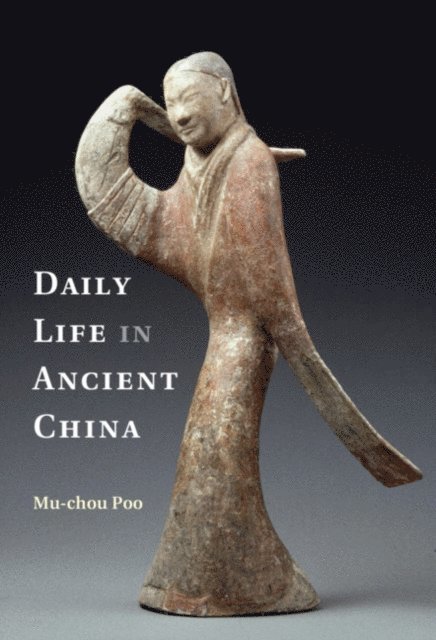
Daily Life in Ancient China
Av Mu-chou Poo
Inbunden, 2018
1559 kr
Lägg i varukorg
In this volume, Mu-chou Poo offers a new overview of daily life in ancient China. Synthesizing a range of textual and archaeological materials, he brings a thematic approach to the topic that enables a multi-faceted understanding of the ideological, economical, legal, social, and emotional aspects …
Daily Life in Ancient China
Av Mu-chou Poo
Häftad, 2018
491 kr
Lägg i varukorg
In this volume, Mu-chou Poo offers a new overview of daily life in ancient China. Synthesizing a range of textual and archaeological materials, he brings a thematic approach to the topic that enables a multi-faceted understanding of the ideological, economical, legal, social, and emotional aspects …
Daily Life in Ancient China
Av Mu-chou Poo
E-bok, 2018
477 kr
Lägg i varukorg
In this volume, Mu-chou Poo offers a new overview of daily life in ancient China. Synthesizing a range of textual and archaeological materials, he brings a thematic approach to the topic that enables a multi-faceted understanding of the ideological, economical, legal, social, and emotional aspects …
Daily Life in Ancient China
Av Mu-chou Poo
E-bok, 2018
472 kr
Lägg i varukorg
In this volume, Mu-chou Poo offers a new overview of daily life in ancient China. Synthesizing a range of textual and archaeological materials, he brings a thematic approach to the topic that enables a multi-faceted understanding of the ideological, economical, legal, social, and emotional aspects …
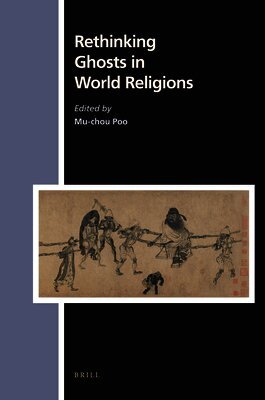
Rethinking Ghosts in World Religions
Av Mu-chou Poo
Inbunden, 2009
3248 kr
Lägg i varukorg
The central theme of this volume is to re-examine the received concepts and images of ghosts in various religious cultures ranging from the Ancient Near East and Egypt to the Old Testament, the Classical Era, Early Medieval and Early Modern Europe, Early India, and Medieval China. As a religious …