H. James Burgwyn – författare
Visar alla böcker från författaren H. James Burgwyn. Handla med fri frakt och snabb leverans.
5 produkter
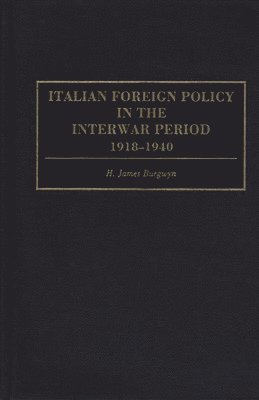
Italian Foreign Policy in the Interwar Period
1918-1940
Inbunden, 1997
1095 kr
Lägg i varukorg
Italy emerged from the Paris Peace Conference of 1919 with the feeling that it had been denied its just rewards by ungrateful allies and that its victory was thus mutilated. Integrating this vengefulness into his diplomacy in the 1920s, Mussolini undertook a policy of selected treaty revision aimed …
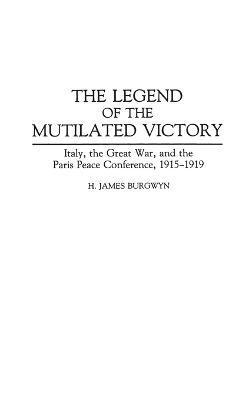
Legend of the Mutilated Victory
Italy, the Great War, and the Paris Peace Conference, 1915-1919
Inbunden, 1993
1095 kr
Lägg i varukorg
Italy emerged from World War I triumphant but ostracized from the comity of victors, which led to the notion in Italy that a war had been won but a peace lost. The Legend of the Mutilated Victory demonstrates that Italy's conflict with America over the nature of the peace was a direct outgrowth of …
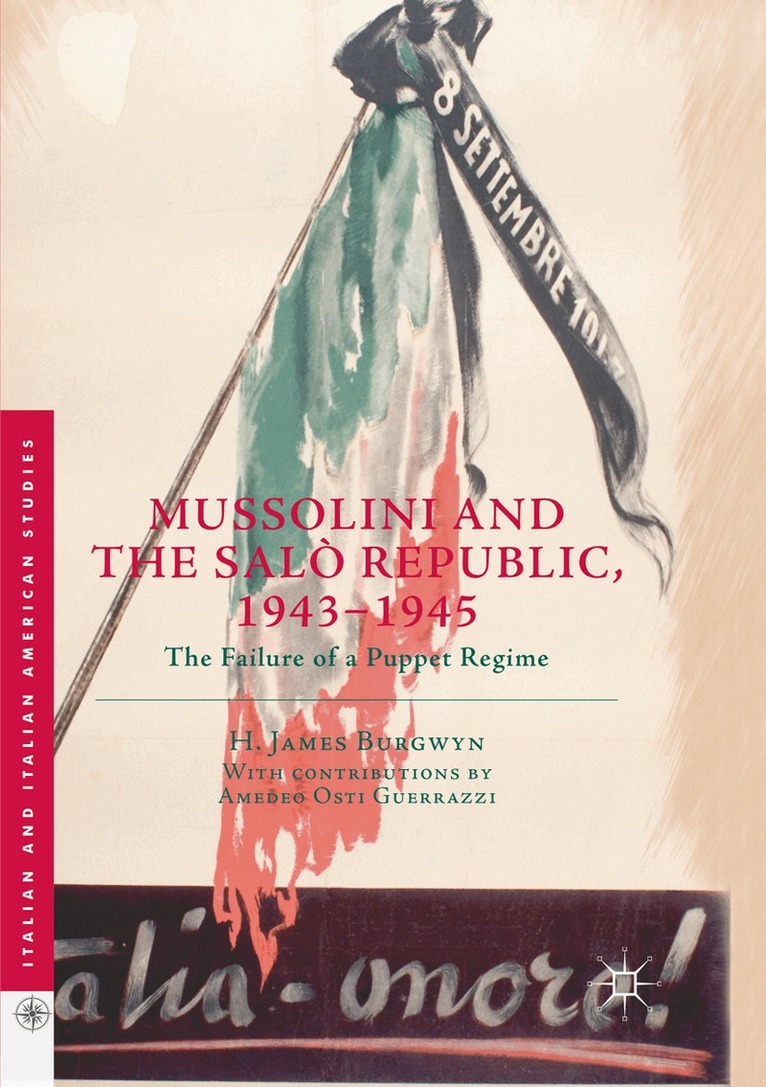
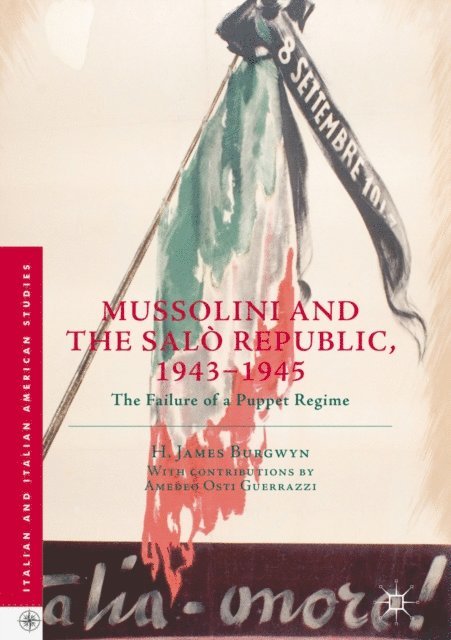
Mussolini and the Salò Republic, 1943–1945
The Failure of a Puppet Regime
Häftad, 2018
1576 kr
Lägg i varukorg
This book is a long overdue in-depth study of the Italian Social Republic. Set up in 1943 by Hitler in the town of Salò on Lake Garda and ruled by Mussolini, this makeshift government was a last-ditch effort to ensure the survival of Fascism, ending with the murder of Mussolini by partisans in …
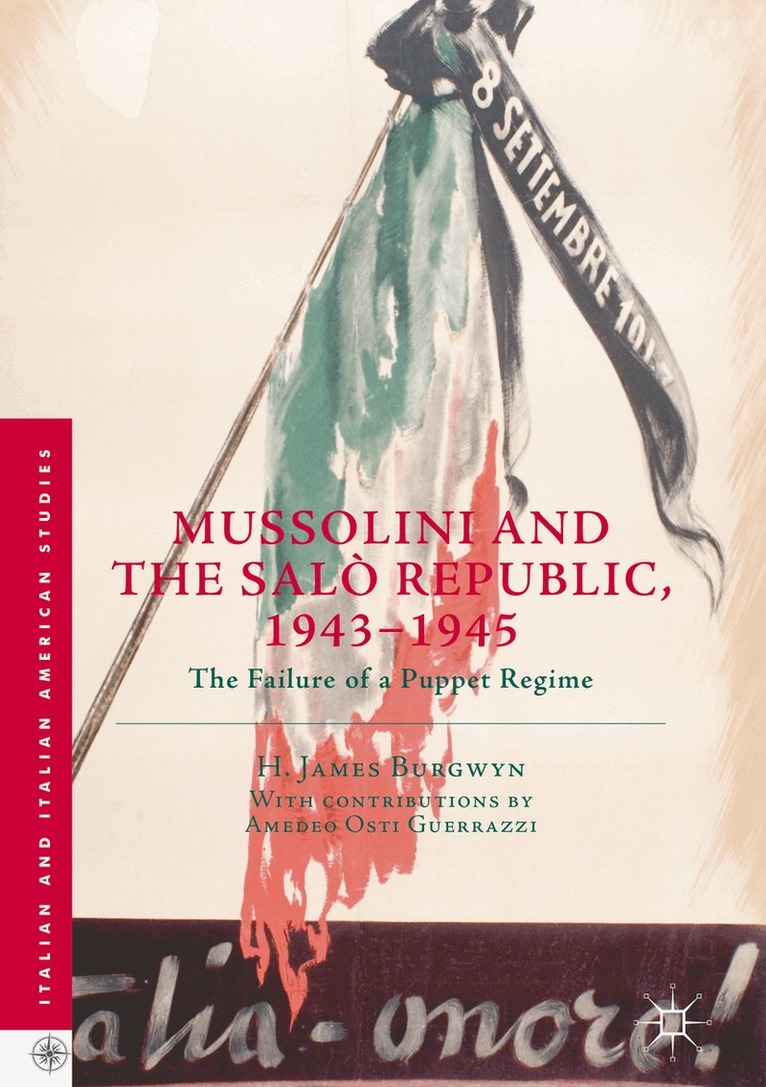
Mussolini and the Salò Republic, 1943–1945
The Failure of a Puppet Regime
Inbunden, 2018
1576 kr
Lägg i varukorg
This book is a long overdue in-depth study of the Italian Social Republic. Set up in 1943 by Hitler in the town of Salò on Lake Garda and ruled by Mussolini, this makeshift government was a last-ditch effort to ensure the survival of Fascism, ending with the murder of Mussolini by partisans in …
Mussolini and the Salo Republic, 1943-1945
The Failure of a Puppet Regime
E-bok, 2018
2006 kr
Lägg i varukorg
This book is a long overdue in-depth study of the Italian Social Republic. Set up in 1943 by Hitler in the town of Salò on Lake Garda and ruled by Mussolini, this makeshift government was a last-ditch effort to ensure the survival of Fascism, ending with the murder of Mussolini by partisans in …