Hakan T. Karateke - Böcker
Visar alla böcker från författaren Hakan T. Karateke. Handla med fri frakt och snabb leverans.
6 produkter
6 produkter
1 262 kr
Kommande
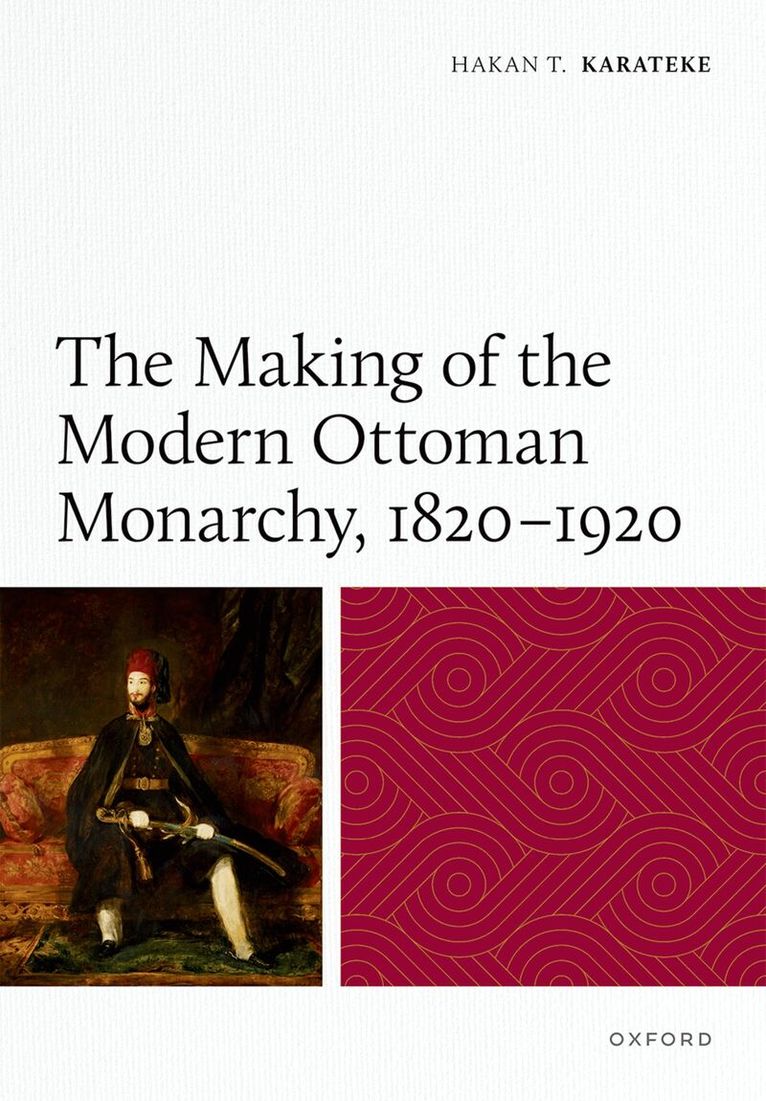
In the nineteenth century, the Ottoman monarchy was transformed. The sultan, a remote and formidable figure of absolute power in the 1820s, was, by the 1920s recast as a modern monarch attuned to new norms of governance. In the process, the Ottoman imperial court voluntarily embraced emerging European models of so-called 'enlightened' monarchy. To explore this shift for the first time, Hakan Karateke interrogates nineteenth-century Ottoman court rituals and their layered symbolism. Following an introductory chapter that situates the Ottoman drive to modernize in the 1830s and 1840s within the wider European context, the book devotes each subsequent chapter to a distinct type of ceremony. The chapters on enthronement and the ritual of girding the sword trace these traditions from their premodern roots to their nineteenth-century adaptations. Other ceremonies examined include the celebration of the two major Muslim festivals (the Feast of Ramadan and the Feast of Sacrifice), the sultan's Friday procession to the mosque, and his receptions of guests at the imperial court. Another chapter focuses on the dynasty's veneration of sacred relics and the rituals surrounding them. Taken together, these ceremonial practices show how the court and the sultan guided the dynasty through a period of acute crisis for monarchies, when their prestige was in decline. In doing so, the Ottoman imperial court laid the foundations of a liberal empire that redefined sovereignty, reshaped governance, and transformed the very role of the monarch in a globalizing world.
1 221 kr
Skickas inom 7-10 vardagar
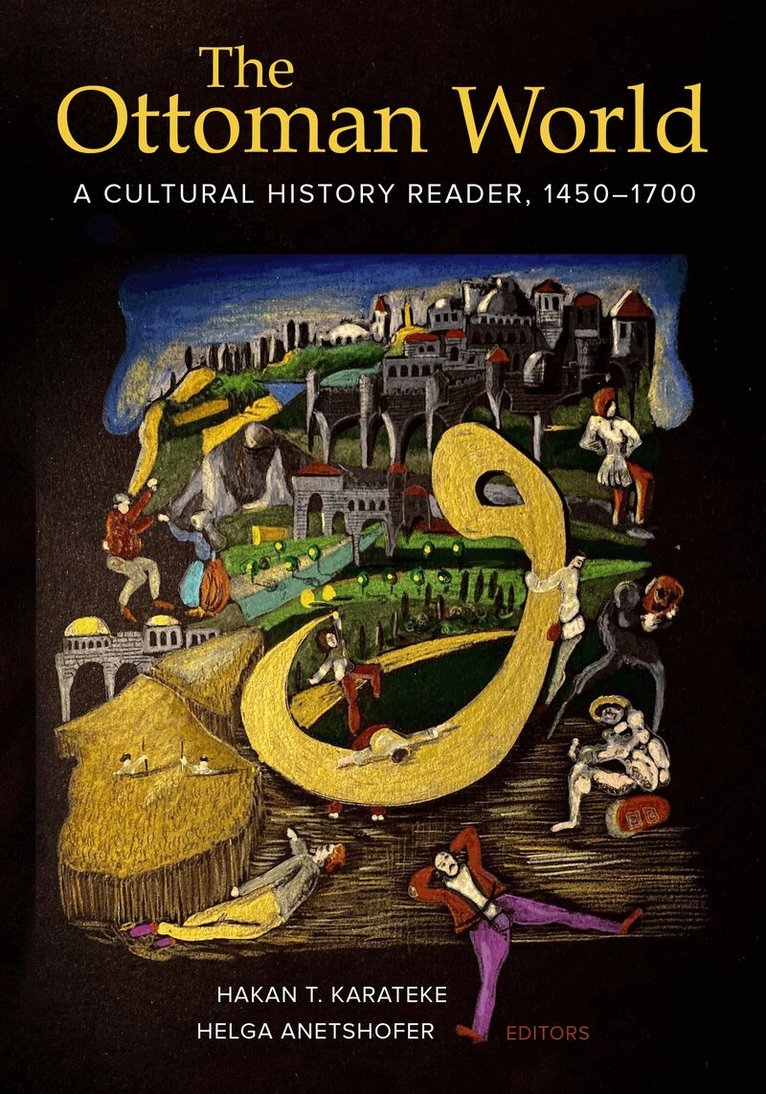
The Ottoman lands, which extended from modern Hungary to the Arabian peninsula, were home to a vast population with a rich variety of cultures. The Ottoman World is the first primary source reader to bring a wide and diverse set of voices across Ottoman society into the classroom. Written in many languages—not only Ottoman Turkish but also Arabic, Armenian, Greek, Hebrew, Italian, and Persian—these texts, here translated, span the extent of the early modern Ottoman empire, from the 1450s to 1700. Instructors are supplied with narratives conveying the lived experiences of individuals through texts that highlight human variety and accelerate a trend away from a state-centric approach to Ottoman history. In addition, samples from court registers, legends, biographical accounts, hagiographies, short stories, witty anecdotes, jokes, and lampoons provide exciting glimpses into popular mindsets in Ottoman society. By reflecting new directions in the scholarship with an innovative choice of texts, this collection provides a vital resource for teachers and students.
331 kr
Skickas inom 7-10 vardagar
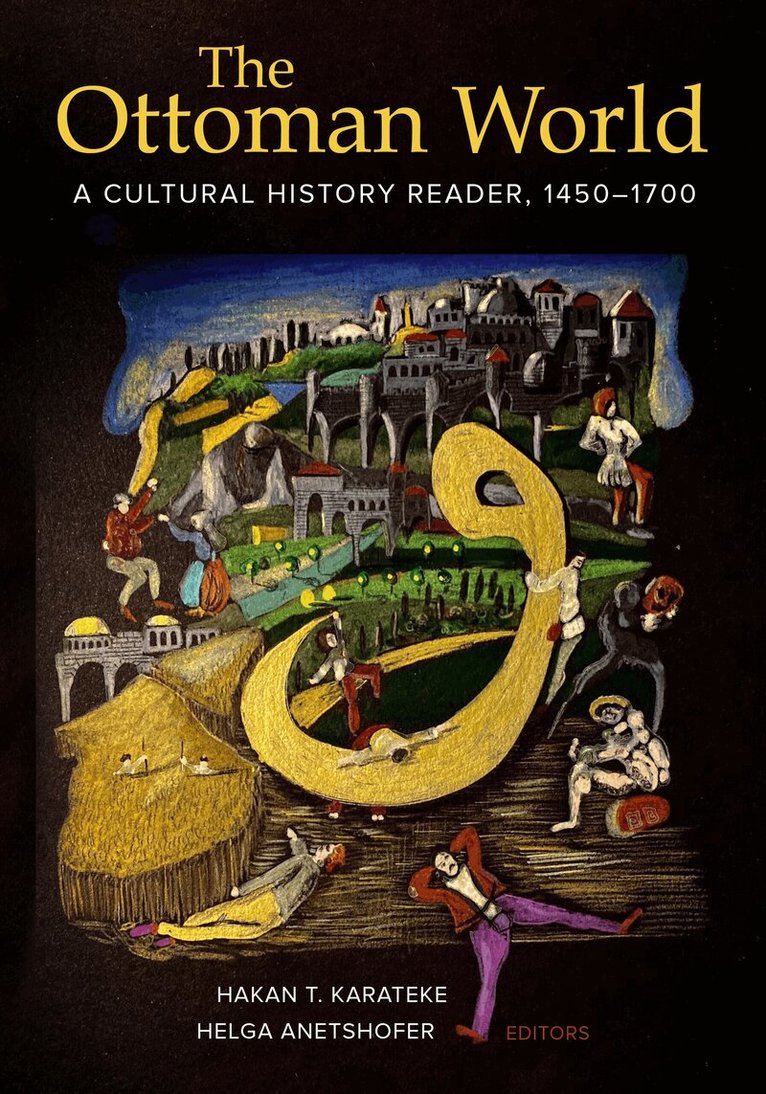
The Ottoman lands, which extended from modern Hungary to the Arabian peninsula, were home to a vast population with a rich variety of cultures. The Ottoman World is the first primary source reader to bring a wide and diverse set of voices across Ottoman society into the classroom. Written in many languages—not only Ottoman Turkish but also Arabic, Armenian, Greek, Hebrew, Italian, and Persian—these texts, here translated, span the extent of the early modern Ottoman empire, from the 1450s to 1700. Instructors are supplied with narratives conveying the lived experiences of individuals through texts that highlight human variety and accelerate a trend away from a state-centric approach to Ottoman history. In addition, samples from court registers, legends, biographical accounts, hagiographies, short stories, witty anecdotes, jokes, and lampoons provide exciting glimpses into popular mindsets in Ottoman society. By reflecting new directions in the scholarship with an innovative choice of texts, this collection provides a vital resource for teachers and students.
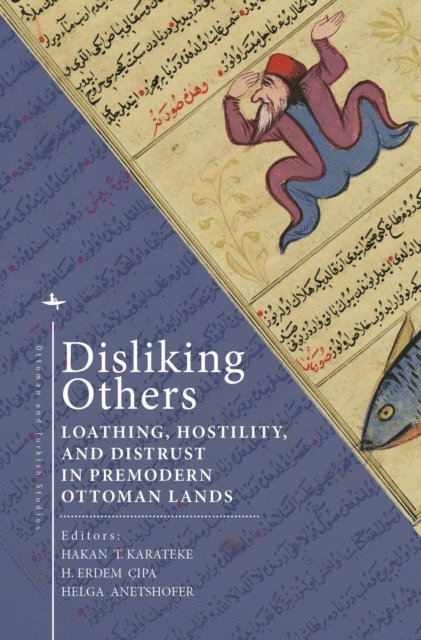
Disliking Others
Loathing, Hostility, and Distrust in Premodern Ottoman Lands
Inbunden, Engelska, 2018
1 440 kr
Skickas inom 5-8 vardagar
Recent historical studies on the Ottoman Empire have taken for granted that subjects of the Ottoman polity flourished under a so-called “Pax Ottomanica.” This edited volume probes the rosy narrative of Ottoman tolerance that has long dominated the discussions. The articles carefully strive to contextualize the many issues that sound like ethnic slurs, racial stereotyping, religious discrimination, misogyny and elitism to modern ears. The goal of the volume is not to prove that Ottoman society was a persecuting one, or that dislike or distrust was its defining characteristic, but to investigate the axes of tension, blemishes, and fractures in the everyday practice of coexistence in a dynamic, multi-religious, multi-confessional and multi-ethnic empire in which difference was the norm rather than the exception.
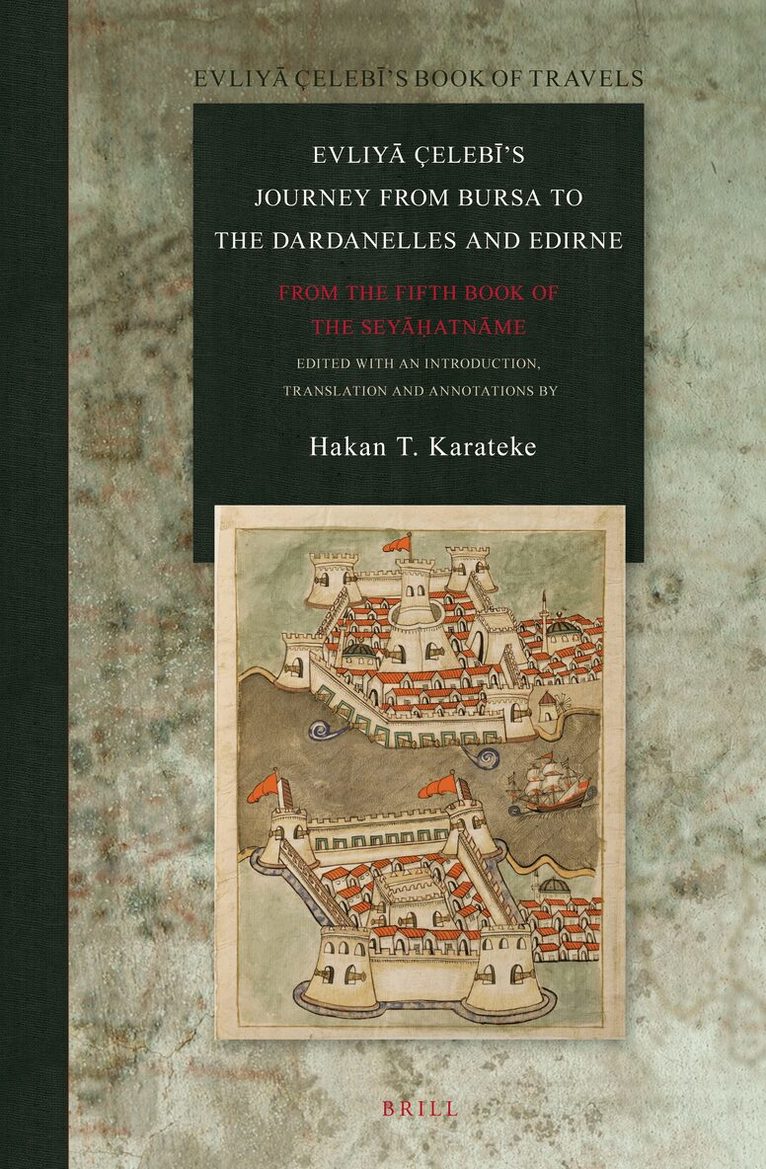
Del 7 - Evliyā Çelebi's Book of Travels
Evliyā Çelebī’s Journey from Bursa to the Dardanelles and Edirne
From the Fifth Book of the Seyāḥatnāme
Inbunden, Engelska, 2013
2 473 kr
Skickas inom 5-8 vardagar
Evliyā Çelebī’s Journey from Bursa to the Dardanelles and Edirne is comprised of an edition and translation of the relevant section from Evliyā’s Book of Travels detailing the 29-day journey he undertook in the autumn of 1659 from Bursa to Edirne via the Dardanelles strait. Evliyā travelled in the retinue of grand vizier Köprülü Mehmed Pasha and Sultan Mehmed IV, who was travelling to inspect the two castles that were being built at the southern tip of each side of the Dardanelles. This was the only trip that Evliyā made to the region between Bursa and Edirne. This edition also includes a detailed annotated index of people and places as well as the geographic coordinates of all the locations and buildings mentioned in the text.
462 kr
Skickas inom 3-6 vardagar
Recent historical studies on the Ottoman Empire have taken for granted that subjects of the Ottoman polity flourished under a so-called “Pax Ottomanica.” This edited volume probes the rosy narrative of Ottoman tolerance that has long dominated the discussions. The articles carefully strive to contextualize the many issues that sound like ethnic slurs, racial stereotyping, religious discrimination, misogyny and elitism to modern ears. The goal of the volume is not to prove that Ottoman society was a persecuting one, or that dislike or distrust was its defining characteristic, but to investigate the axes of tension, blemishes, and fractures in the everyday practice of coexistence in a dynamic, multi-religious, multi-confessional and multi-ethnic empire in which difference was the norm rather than the exception.