Handel Kashope Wright - Böcker
Visar alla böcker från författaren Handel Kashope Wright. Handla med fri frakt och snabb leverans.
5 produkter
5 produkter
2 219 kr
Skickas inom 10-15 vardagar
This volume focuses on the directions that African cultural studies has taken over the years and covers the following central themes: contemporary issues in African cultural studies; Gender and the making of identity; the dual discourses of Afropessimism and Afrofuturism; problematizing the African diaspora and methodology and African cultural studies.The second of two volumes, the book predominantly pulls together a rich reservoir of previously published articles from Critical Arts: South-North Cultural and Media Studies. Taken together the two volumes re-expose for international readers sets of theories, methodologies and studies that not only have been influenced by global trends, but which themselves have contributed to shaping those trends. While the first volume addressed foundational themes and issues in African cultural studies, this second volume focuses on the directions that African cultural studies is taking; the complex ways in which gender can be seen at work in the making of identity; the juxtaposition of two relatively new themes in African cultural studies, namely Afropessimism and Afrofuturism; the ways in which the presence of continental Africans in the diaspora problematize taken-for-granted conceptions of diaspora and diasporic identity; identifying some of the methodological issues and approaches that have been taken up in African cultural studies work. This book will be a key resource for academics, researchers and advanced students of African cultural studies, media and cultural studies, African studies, history, politics, sociology, and social and cultural anthropology, while also being of interest to those seeking an introduction to the sub-field of African cultural studies.
607 kr
Skickas inom 10-15 vardagar
This volume focuses on the directions that African cultural studies has taken over the years and covers the following central themes: contemporary issues in African cultural studies; Gender and the making of identity; the dual discourses of Afropessimism and Afrofuturism; problematizing the African diaspora and methodology and African cultural studies.The second of two volumes, the book predominantly pulls together a rich reservoir of previously published articles from Critical Arts: South-North Cultural and Media Studies. Taken together the two volumes re-expose for international readers sets of theories, methodologies and studies that not only have been influenced by global trends, but which themselves have contributed to shaping those trends. While the first volume addressed foundational themes and issues in African cultural studies, this second volume focuses on the directions that African cultural studies is taking; the complex ways in which gender can be seen at work in the making of identity; the juxtaposition of two relatively new themes in African cultural studies, namely Afropessimism and Afrofuturism; the ways in which the presence of continental Africans in the diaspora problematize taken-for-granted conceptions of diaspora and diasporic identity; identifying some of the methodological issues and approaches that have been taken up in African cultural studies work. This book will be a key resource for academics, researchers and advanced students of African cultural studies, media and cultural studies, African studies, history, politics, sociology, and social and cultural anthropology, while also being of interest to those seeking an introduction to the sub-field of African cultural studies.
2 155 kr
Skickas inom 10-15 vardagar
This volume provides an overview of fundamental or ‘grounding’ themes in African Cultural Studies, including the articulation of African cultural studies, the issue of Africa’s diaspora(s), African identity and identifications, and media studies in Africa and its relationship with cultural studies. The first of two volumes, the book predominantly pulls together a rich reservoir of previously published articles from Critical Arts: South-North Cultural and Media Studies, mapping a long history of the field that draws from a diverse range of origins and locations, especially from within Africa itself.The first section of the book addresses how African cultural studies has been called for and explained, both as a comprehensive continental (and sometimes national) discourse and as being in conversation with established global cultural studies. The second section addresses the African diaspora and what might be termed diasporic African cultural studies. A third principal theme explored is how African identities and identifications are articulated in African cultural studies. On spatiality, the volume takes a stance on the exclusive continental versus continuity conception of Africa: the African diaspora is treated as contributory and its relationship to the continent as problematic, while taking up continental Africa as the principal location of African cultural studies. In terms of identity, Blackness is taken up as the dominant (but importantly, not exclusive) racial identity, and identification of African cultural studies and gender and social class are also addressed in novel ways. The book ends with an examination of the complex relationship between media studies and cultural studies. This book will be a key resource for academics, researchers and advanced students of African cultural studies, media and cultural studies, African studies, history, politics, sociology, and social and cultural anthropology, while also being of interest to those seeking an introduction to the sub-field of African cultural studies.
590 kr
Skickas inom 10-15 vardagar
This volume provides an overview of fundamental or ‘grounding’ themes in African Cultural Studies, including the articulation of African cultural studies, the issue of Africa’s diaspora(s), African identity and identifications, and media studies in Africa and its relationship with cultural studies. The first of two volumes, the book predominantly pulls together a rich reservoir of previously published articles from Critical Arts: South-North Cultural and Media Studies, mapping a long history of the field that draws from a diverse range of origins and locations, especially from within Africa itself.The first section of the book addresses how African cultural studies has been called for and explained, both as a comprehensive continental (and sometimes national) discourse and as being in conversation with established global cultural studies. The second section addresses the African diaspora and what might be termed diasporic African cultural studies. A third principal theme explored is how African identities and identifications are articulated in African cultural studies. On spatiality, the volume takes a stance on the exclusive continental versus continuity conception of Africa: the African diaspora is treated as contributory and its relationship to the continent as problematic, while taking up continental Africa as the principal location of African cultural studies. In terms of identity, Blackness is taken up as the dominant (but importantly, not exclusive) racial identity, and identification of African cultural studies and gender and social class are also addressed in novel ways. The book ends with an examination of the complex relationship between media studies and cultural studies. This book will be a key resource for academics, researchers and advanced students of African cultural studies, media and cultural studies, African studies, history, politics, sociology, and social and cultural anthropology, while also being of interest to those seeking an introduction to the sub-field of African cultural studies.
Del 21 - Black Studies and Critical Thinking
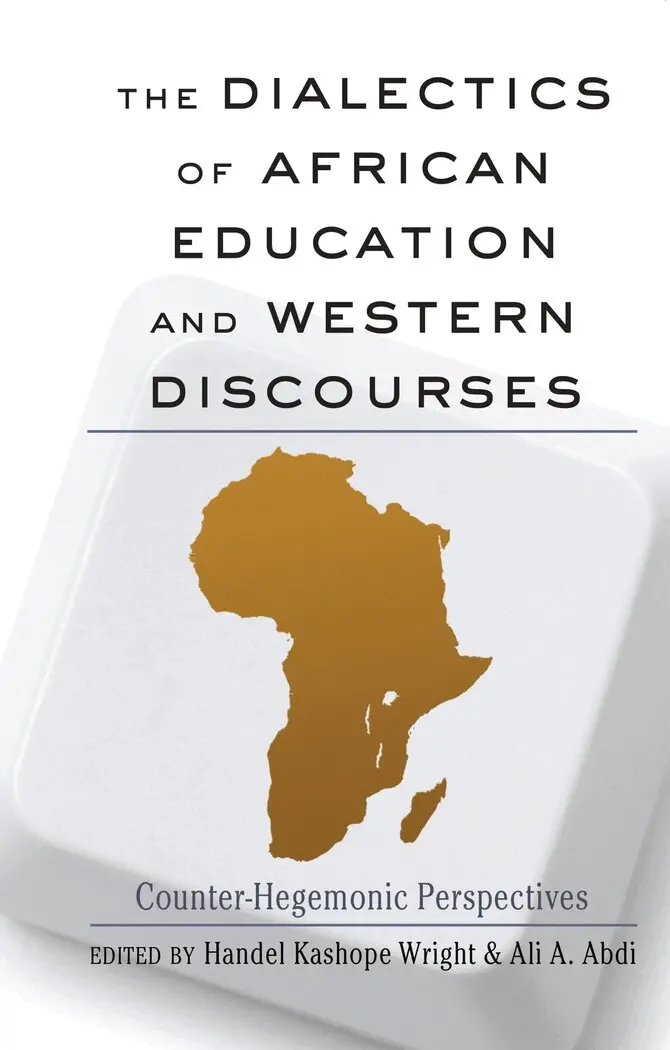
Dialectics of African Education and Western Discourses
Counter-Hegemonic Perspectives
Häftad, Engelska, 2012
317 kr
Tillfälligt slut
The Dialectics of African Education and Western Discourses addresses how continental Africans who have worked or are currently working in the Canadian academy address their dual legacy of African and Euro-American knowledge paradigms. Reflecting a range of approaches to hegemonic Euro-American paradigms that can be summarized as «appropriation, ambivalence and alternatives,» the authors bring African indigenous knowledge and praxes into play in addressing issues in various sub-fields of education from philosophy and gnosis to teacher education and classroom practice, memory work and storying to higher education policy and development studies, language and mathematics pedagogy to giftedness and special education. By simultaneously engaging Western and African worldviews, theory, policy and practice, the twelve essays provide an intervention in and contribution to critical approaches to education as a comprehensive global field and as an aspect of African studies.